


Patagonia Repair & Worn Wear Initiative: Building a Culture of Keeping Clothes in Use Redefining repair as environmental action: Patagonia Korea's circularity and community-driven initiatives to keep clothing in use longer and shift consumption culture


- Nationality
- Korea, Republic of
- Group
- Patagonia Korea
About Project
Patagonia Repair & Worn Wear Initiative is a project aimed at spreading a culture of repairing and keeping the clothes we already own for longer rather than purchasing new ones. Guided by its corporate purpose, “We’re in business to save our home planet,” Patagonia expands repair, reuse, clothing swaps, and upcycling into everyday consumer behavior to reduce the environmental impacts of clothing that is rapidly produced, consumed, and discarded.
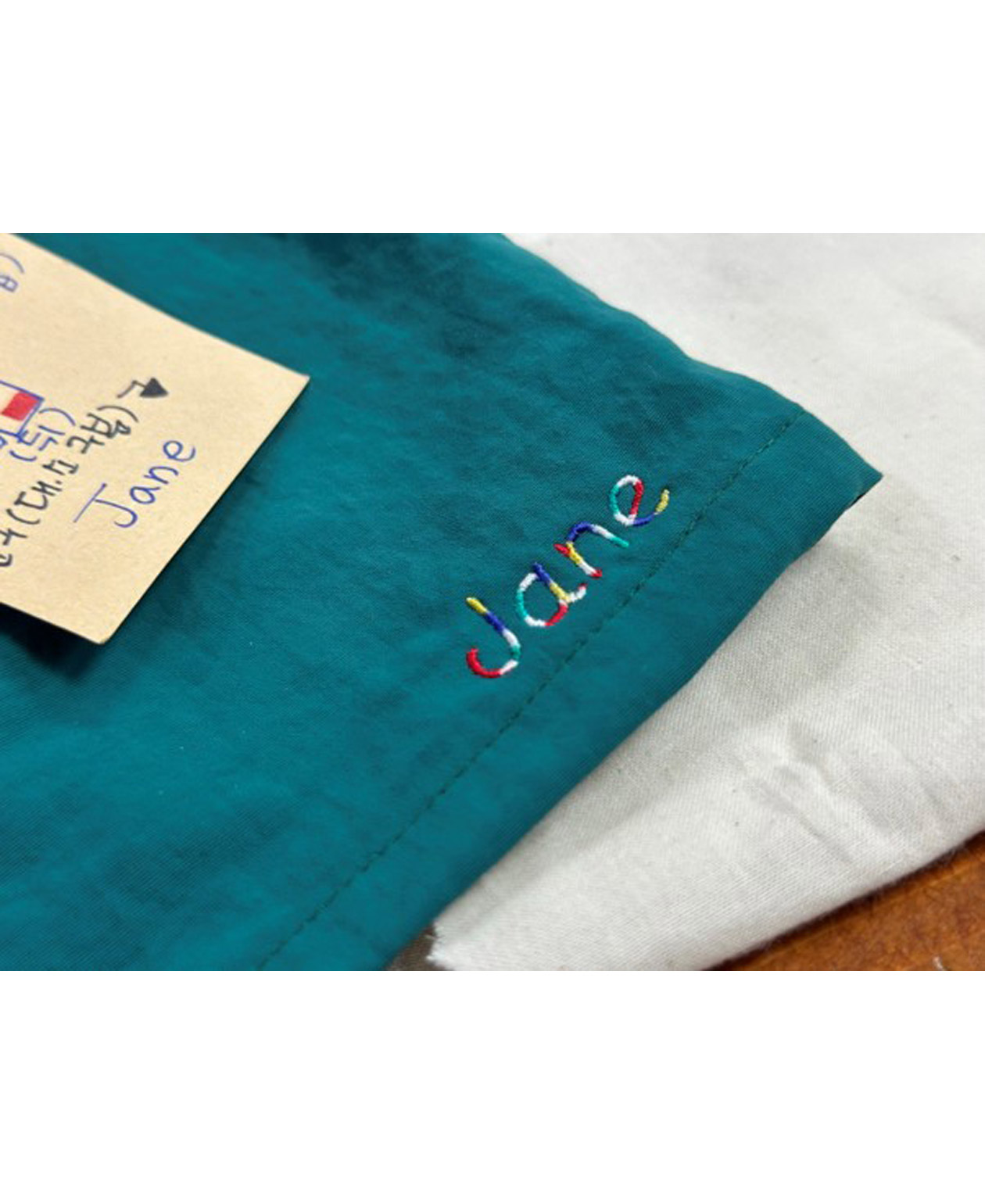
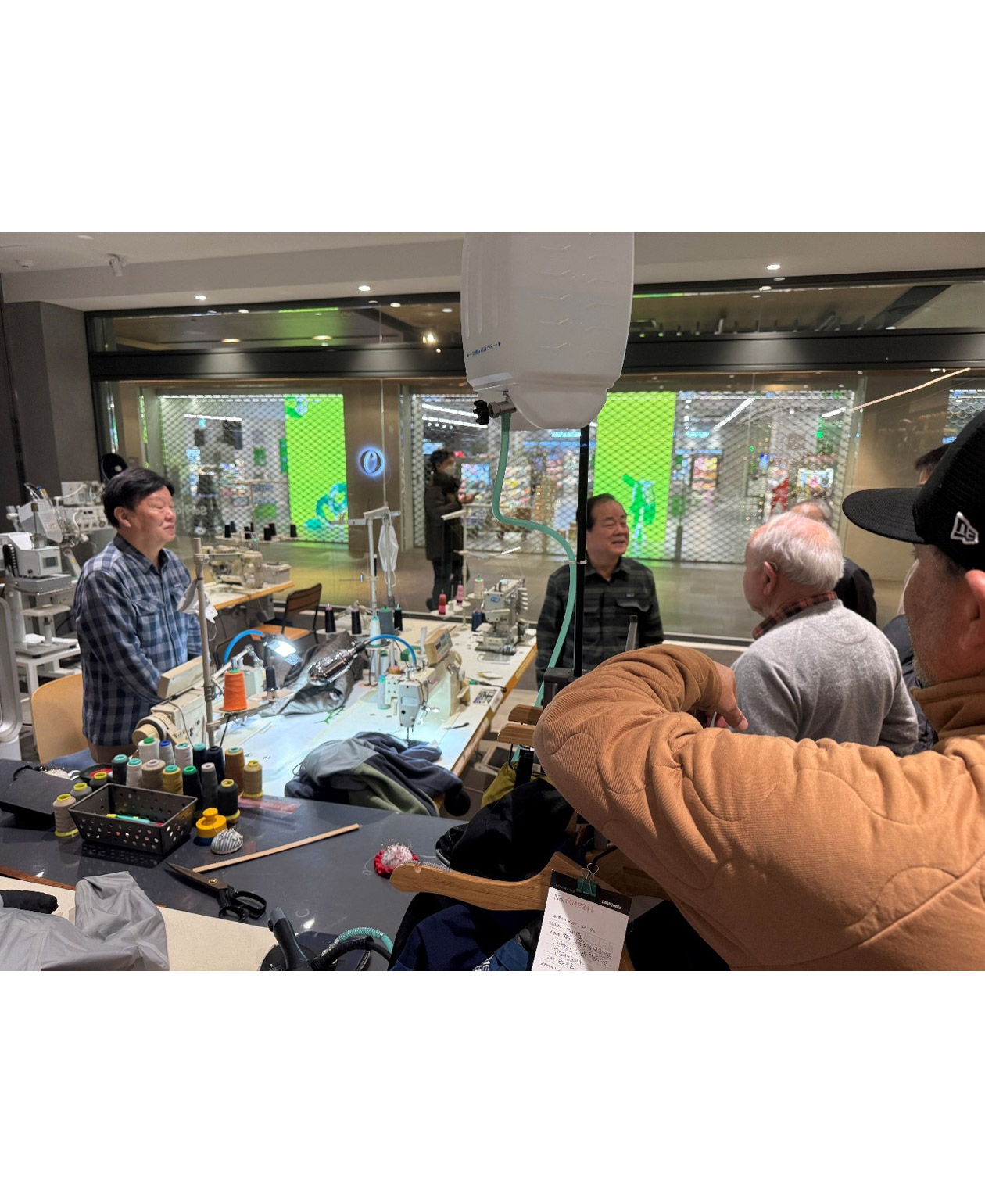
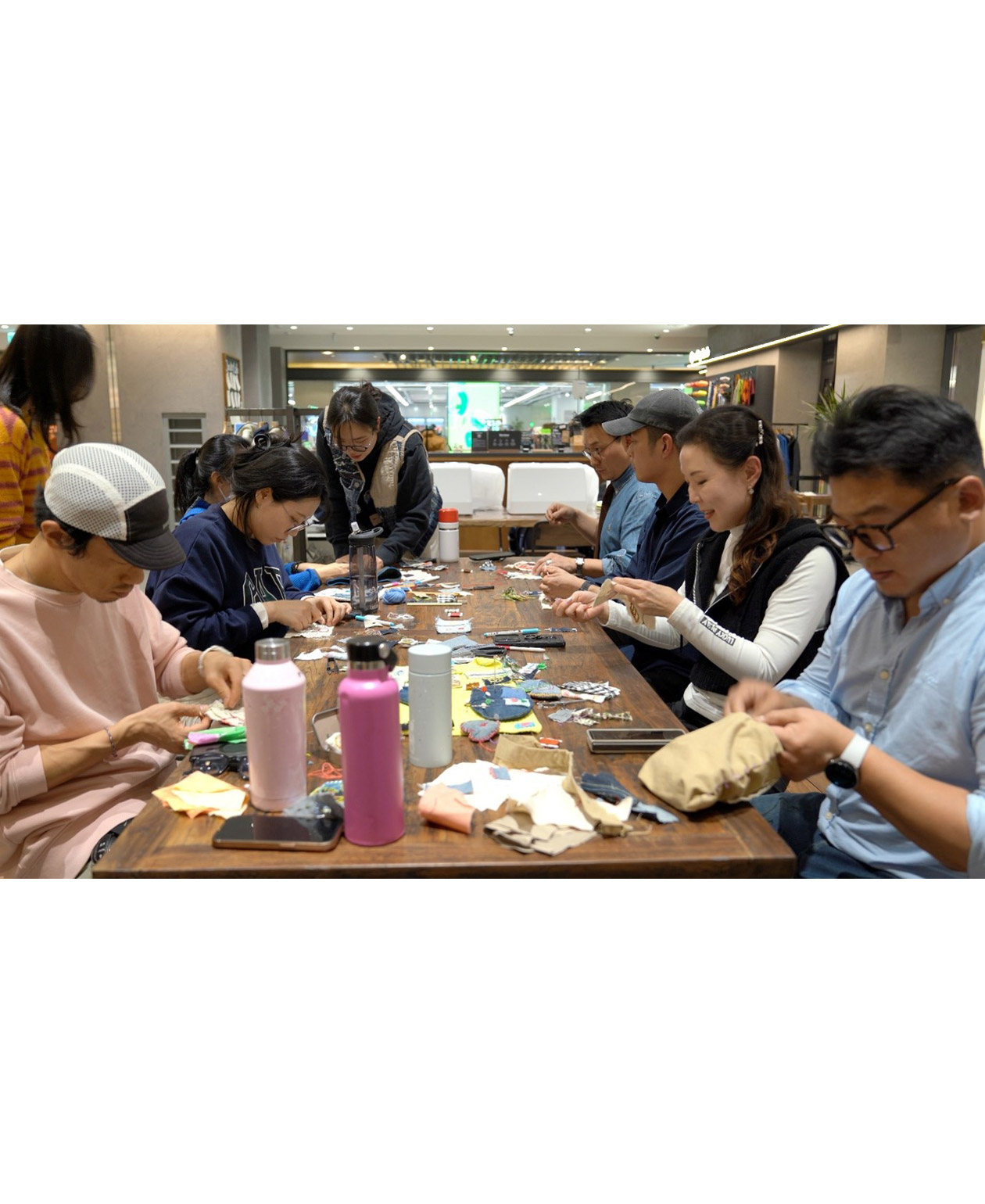
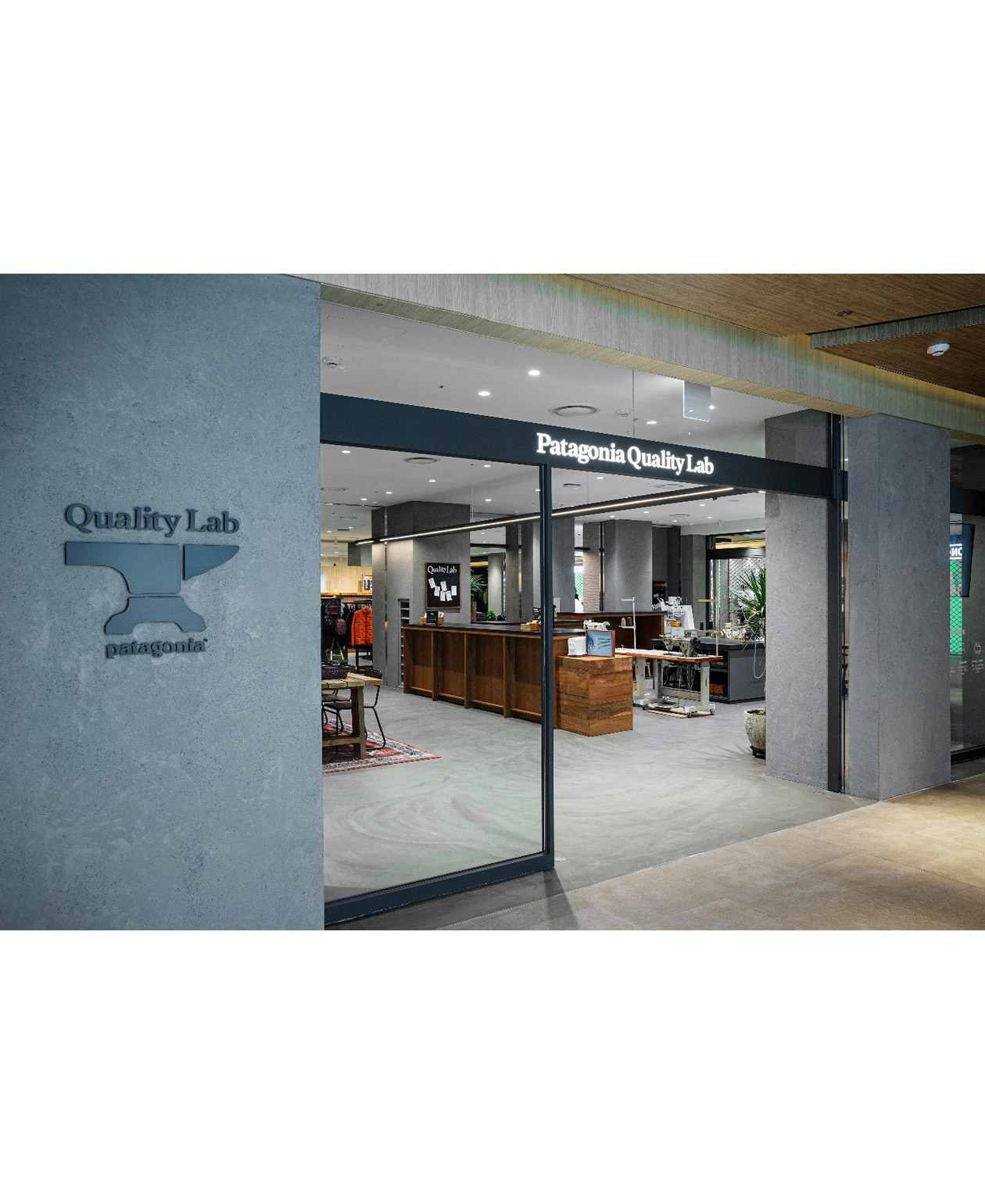
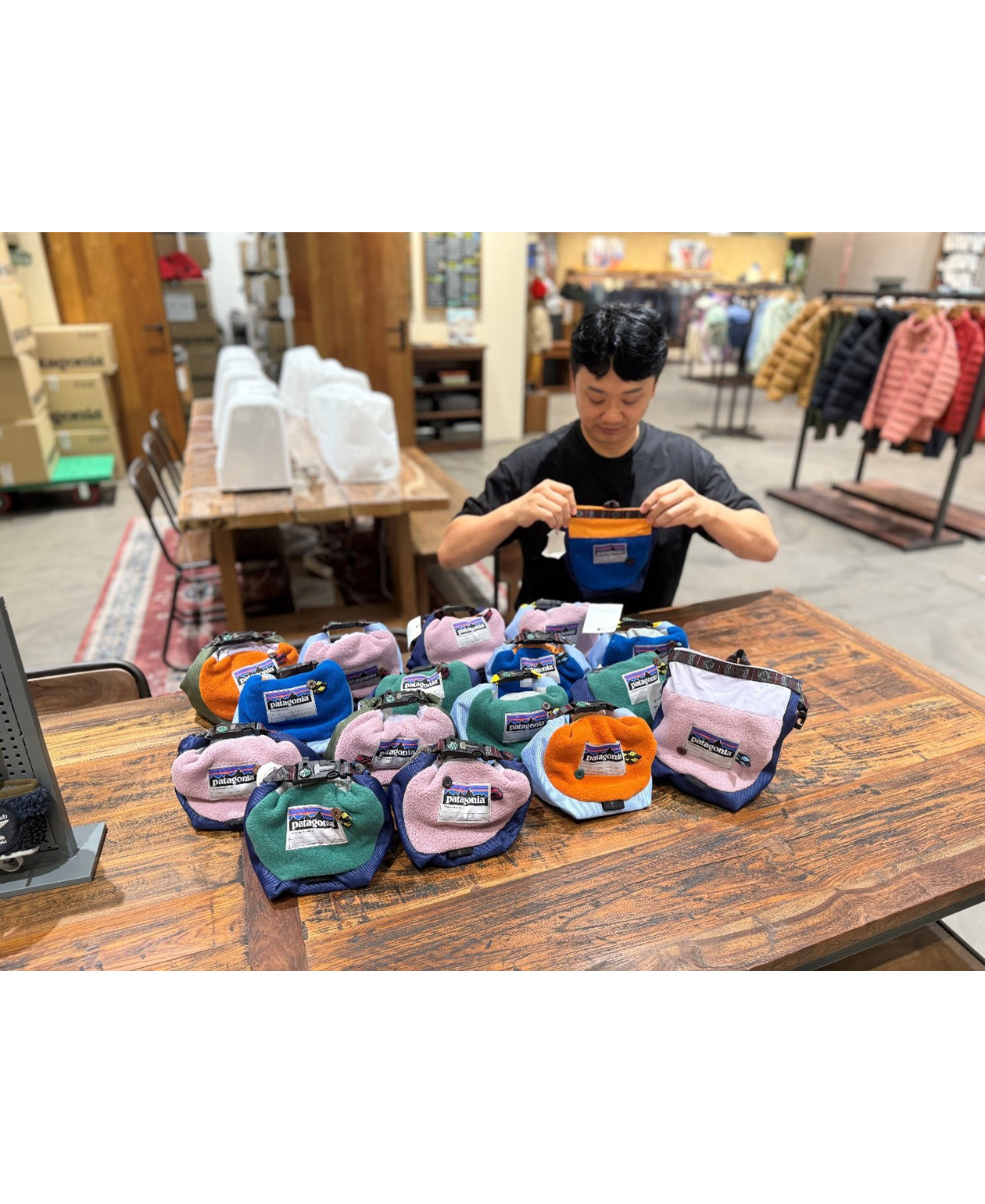
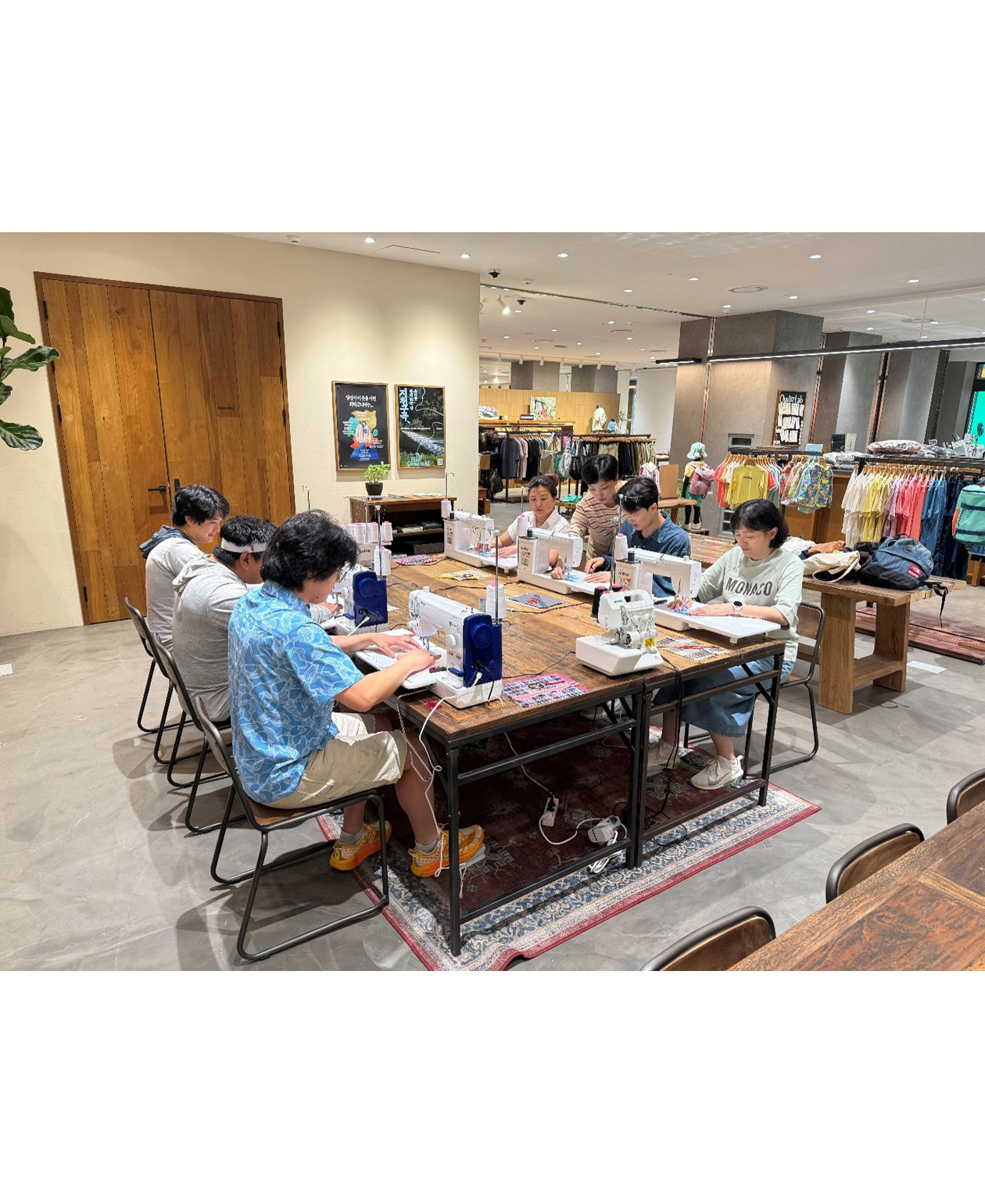
The clearest expression of this philosophy is the Patagonia Quality Lab Store, which opened at Parnas Mall in Seoul in November 2024. The Quality Lab operates a professional repair workshop inside the store and provides free repair services for most garments brought in by customers, regardless of brand. From tears and holes to damaged seams, the repair team helps return garments that might otherwise be discarded back into use. The store also runs at least two hands-on repair classes and workshops each week, enabling customers to learn practical skills to repair and care for their own clothing. In addition, the Quality Lab provides professional cleaning and DWR reproofing services for technical waterproof garments, helping restore performance and extend product life. More than a repair shop, the Quality Lab serves as a hub where people can experience and learn a different way of consuming—caring for, repairing, and keeping the clothes they already own in use for as long as possible.
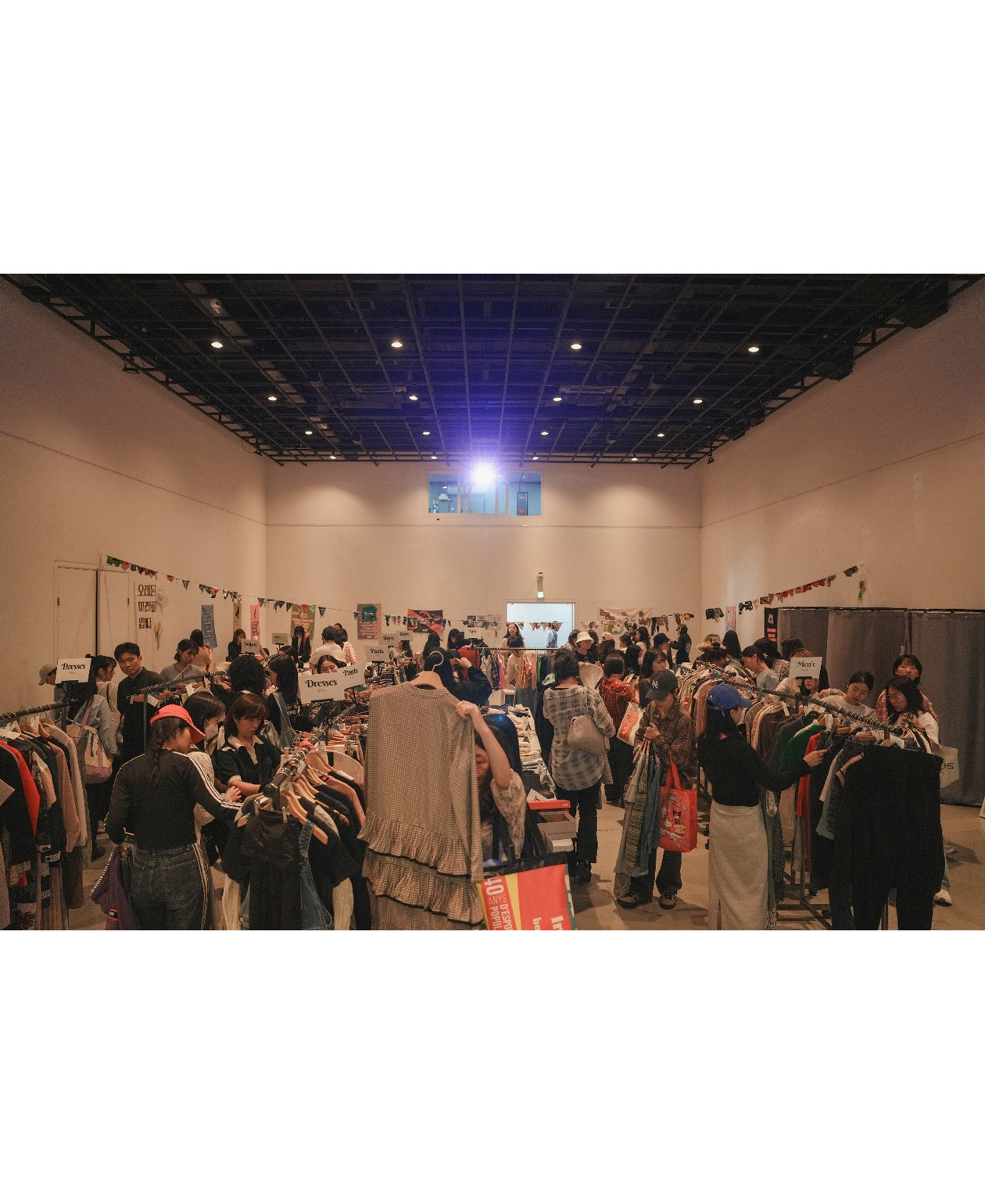
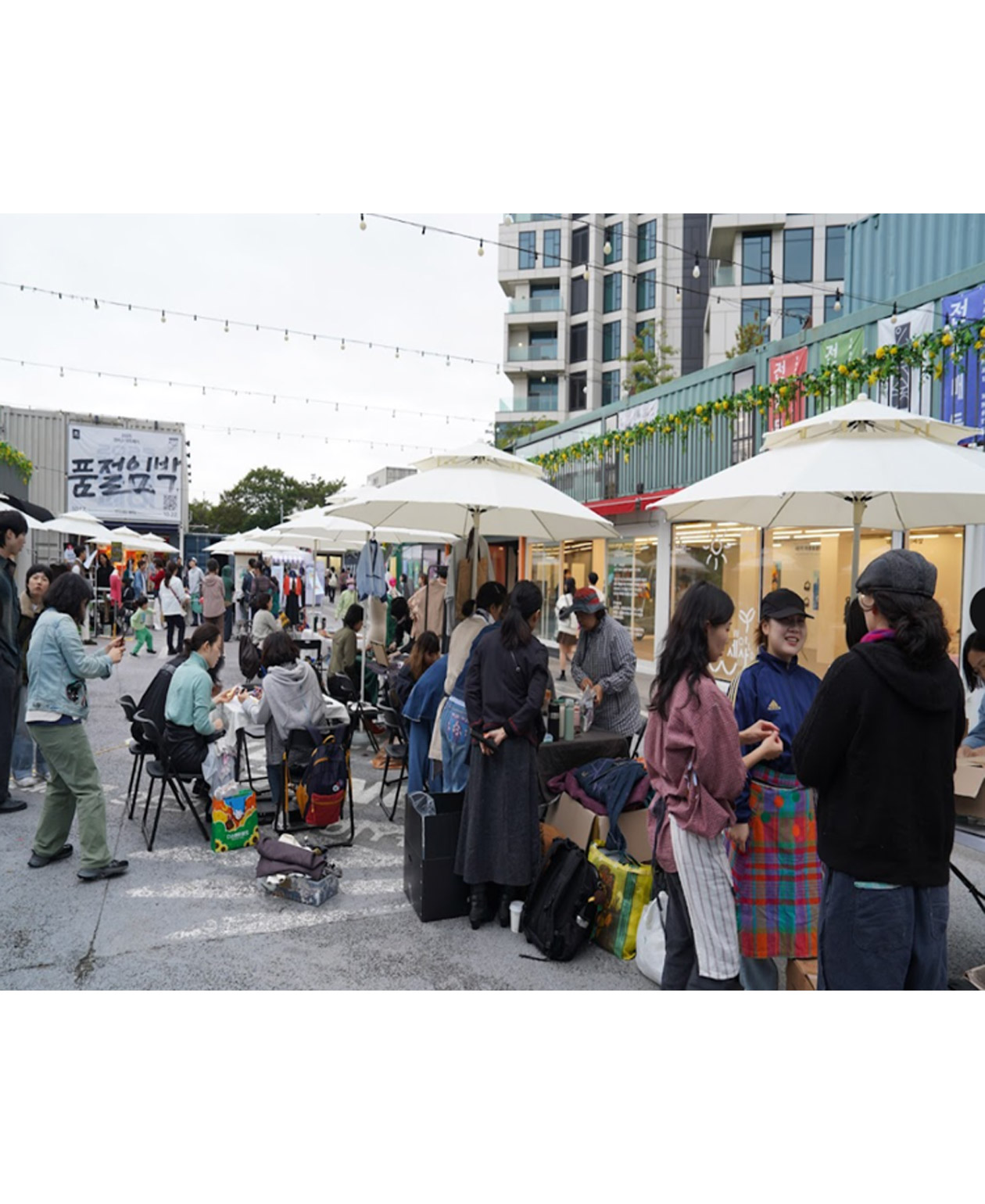
One of its flagship initiatives is Worn Together, held twice a year around Earth Day and International Repair Day. In partnership with the nonprofit organization Wear Again Lab, the program has connected environmental organizations and repair communities across 18 cities and towns in Korea. Nearly 1,000 participants have taken part in clothing swaps, repaired damaged garments, and learned practical repair skills they can use in everyday life, transforming repair from an individual practice into a community-based resource circulation activity.
Patagonia Korea continues to expand repair and garment-care services through the Quality Lab and its retail stores nationwide. In 2025, more than 19,000 customers engaged with repair services, while over 500 technical garment-care services and more than 90 repair workshops were delivered. Patagonia Korea also operates the Worn Wear Truck, a mobile repair facility that brings repair and circularity experiences directly to communities. In 2025, the truck was activated six times in major cities including Seoul, Busan, and Jeju, reaching more than 2,000 people through mobile repair, upcycling, and hands-on circularity programs.
Ultimately, Patagonia Korea’s repair initiative is not about selling more clothing, but about keeping the clothing that already exists in use for as long as possible. By doing so, the initiative seeks to reduce dependence on the production and consumption of new garments and redefine repair from a conventional after-sales service into a form of environmental action and a new model of consumption. By building an ecosystem that brings together businesses, environmental organizations, repair communities, and citizens, Patagonia Korea aims to accelerate a cultural shift from “buying new” to “using what we already have for longer.”