


Reef Tiles by ReefCircular A custom artificial reef project that restores marine ecosystems using region-specific computational design and eco-friendly materials for easy diver installation.


- Nationality
- Denmark
- Group
- ReefCircular Aps
About Project
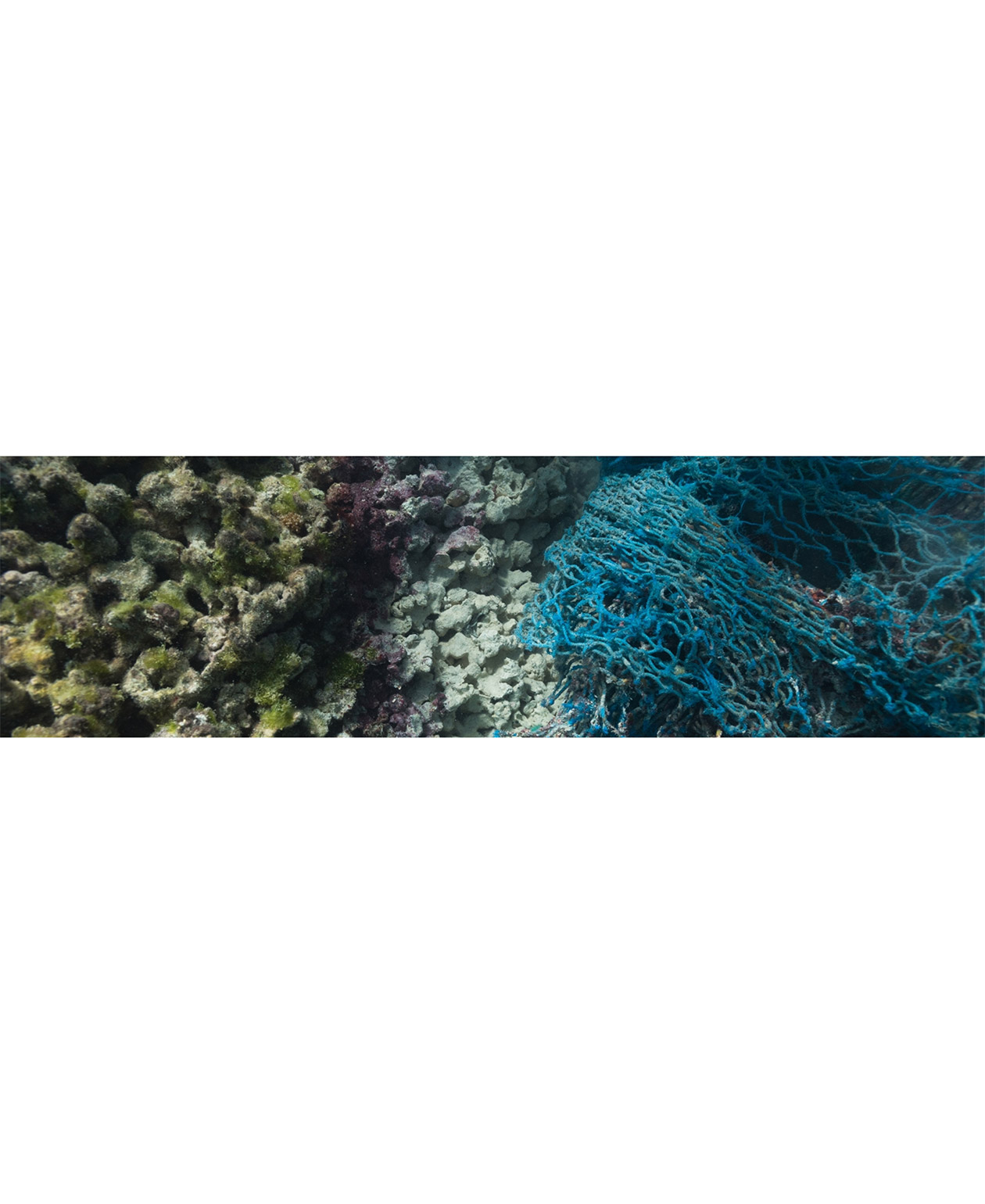
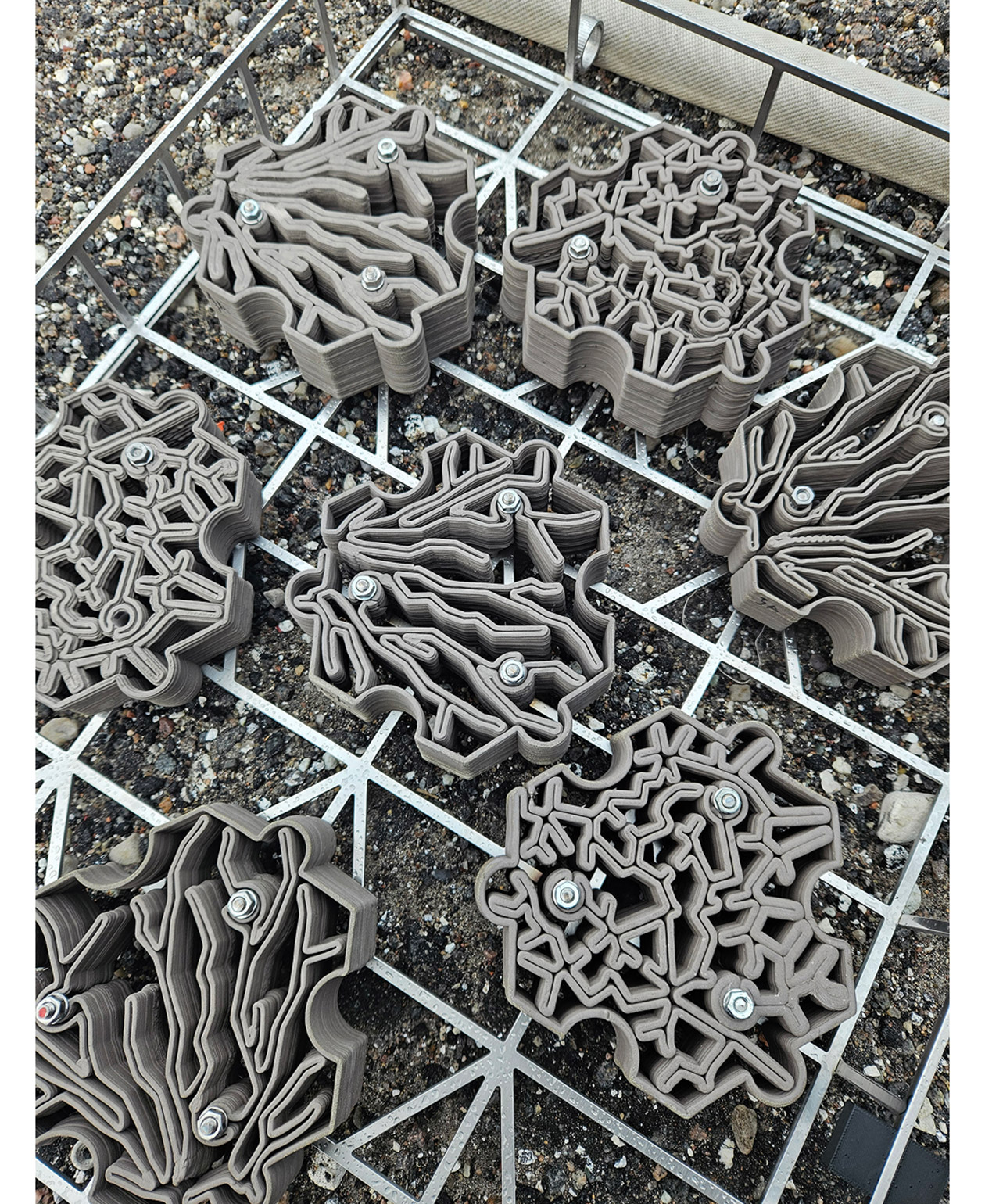
ReefCircular creates artificial reefs to reduce the human impact on marine ecosystems, due to urbanizing, excessive fishing or other unsustainable practices. Our designs are created specifically for the ecosystem in which they will be located. Each of these takes inspiration and mimics existing structures or elements in those environments, achieving better acceptance by local species. Furthermore, they are designed for easy installation, which can be carried out by a diver without the need for heavy machinery or specialized equipment, reducing installation costs and minimizing disturbance to the environment.
We mix the novelty of computational design with the needs of marine life. Our reefs are designed with a high level of complexity to give marine ecosystems the lost habitats they are missing, by implementing our reefs, sites can see an increase in species richness, and a better quality of marine life and water. We leave behind the “one size fits all” approach and customize our reefs according to the needs and characteristics of each location. By using natural materials that do not harm existing species nor benefit invasive ones, instead we give marine life a chance to thrive again.
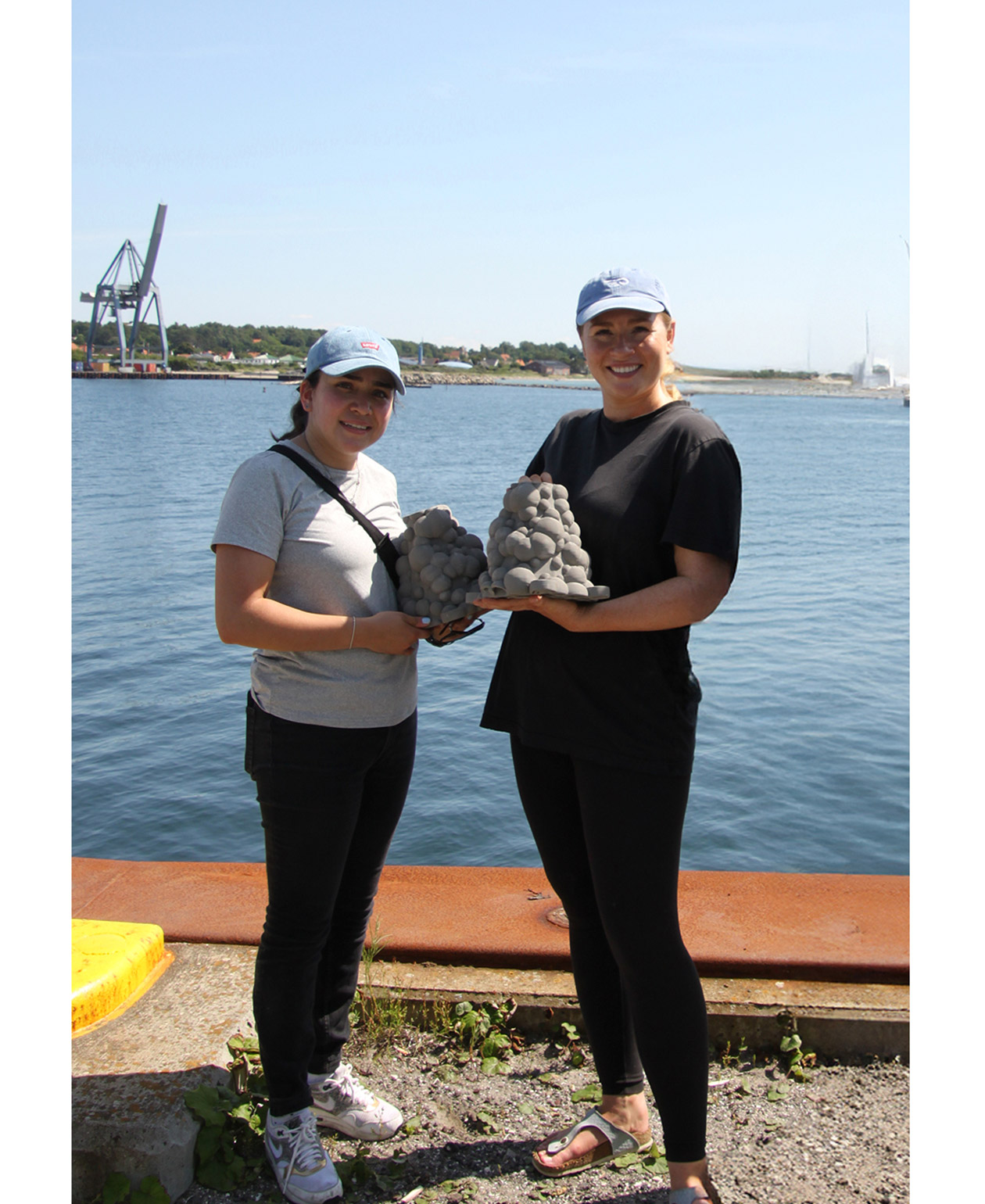
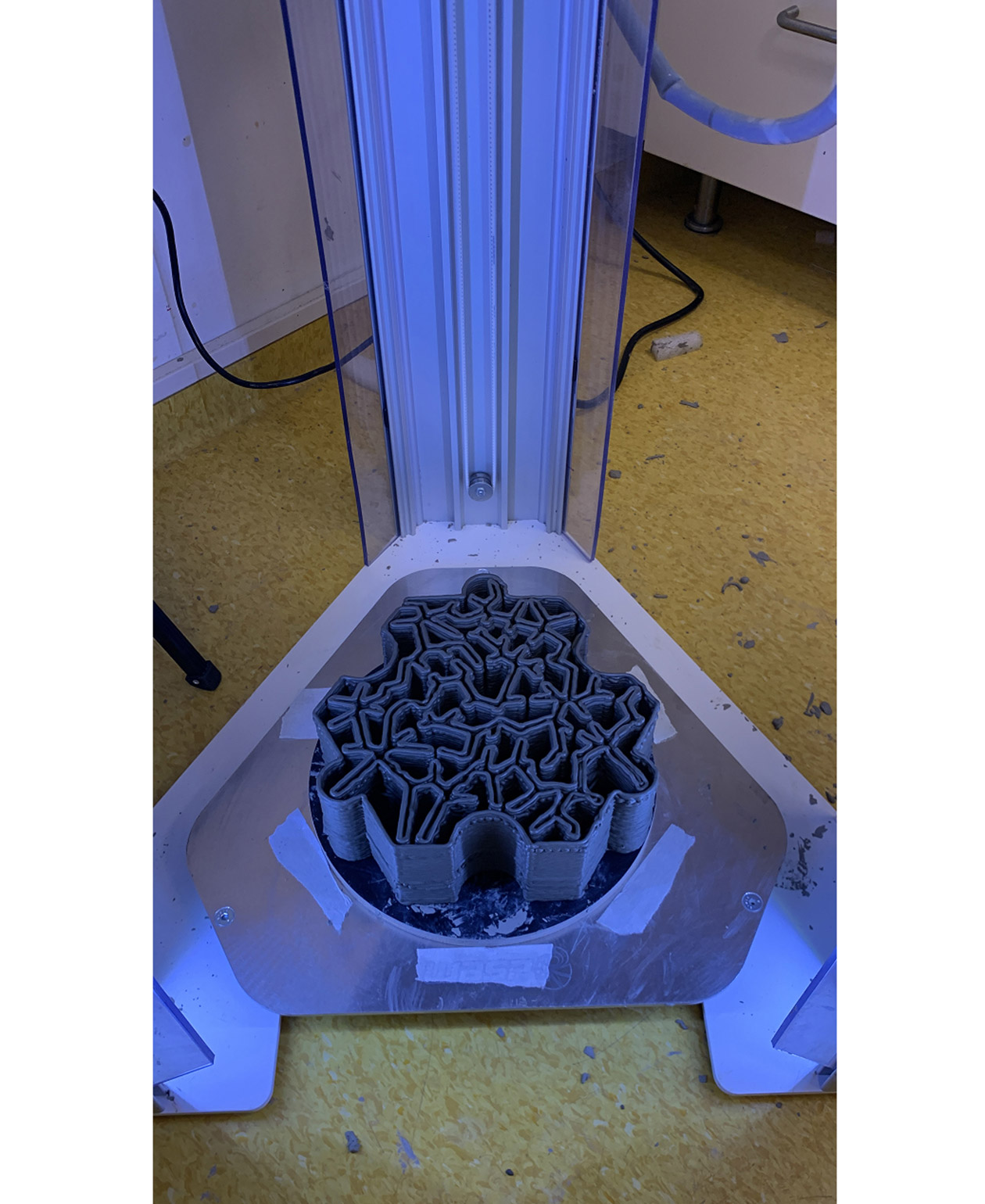
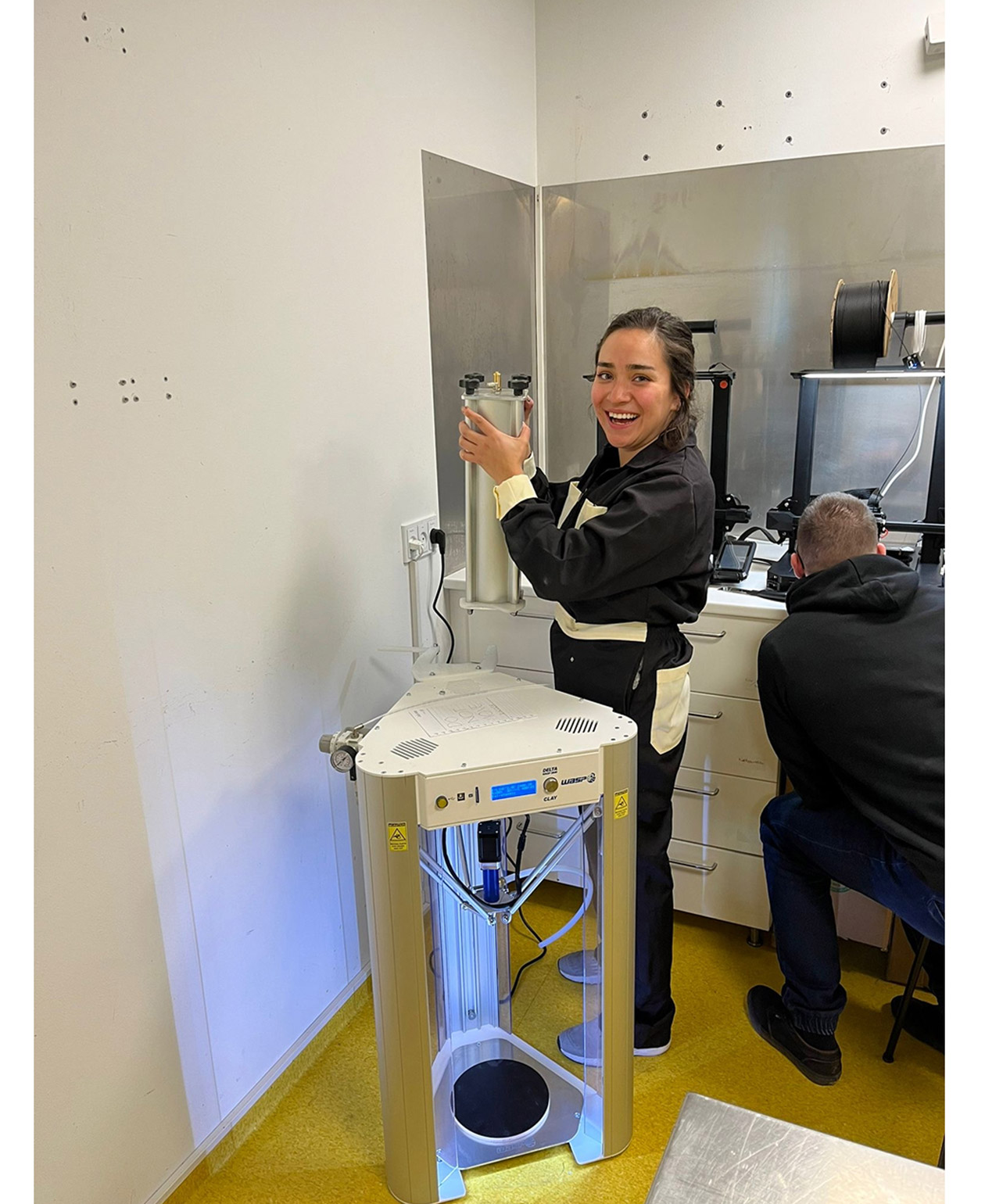
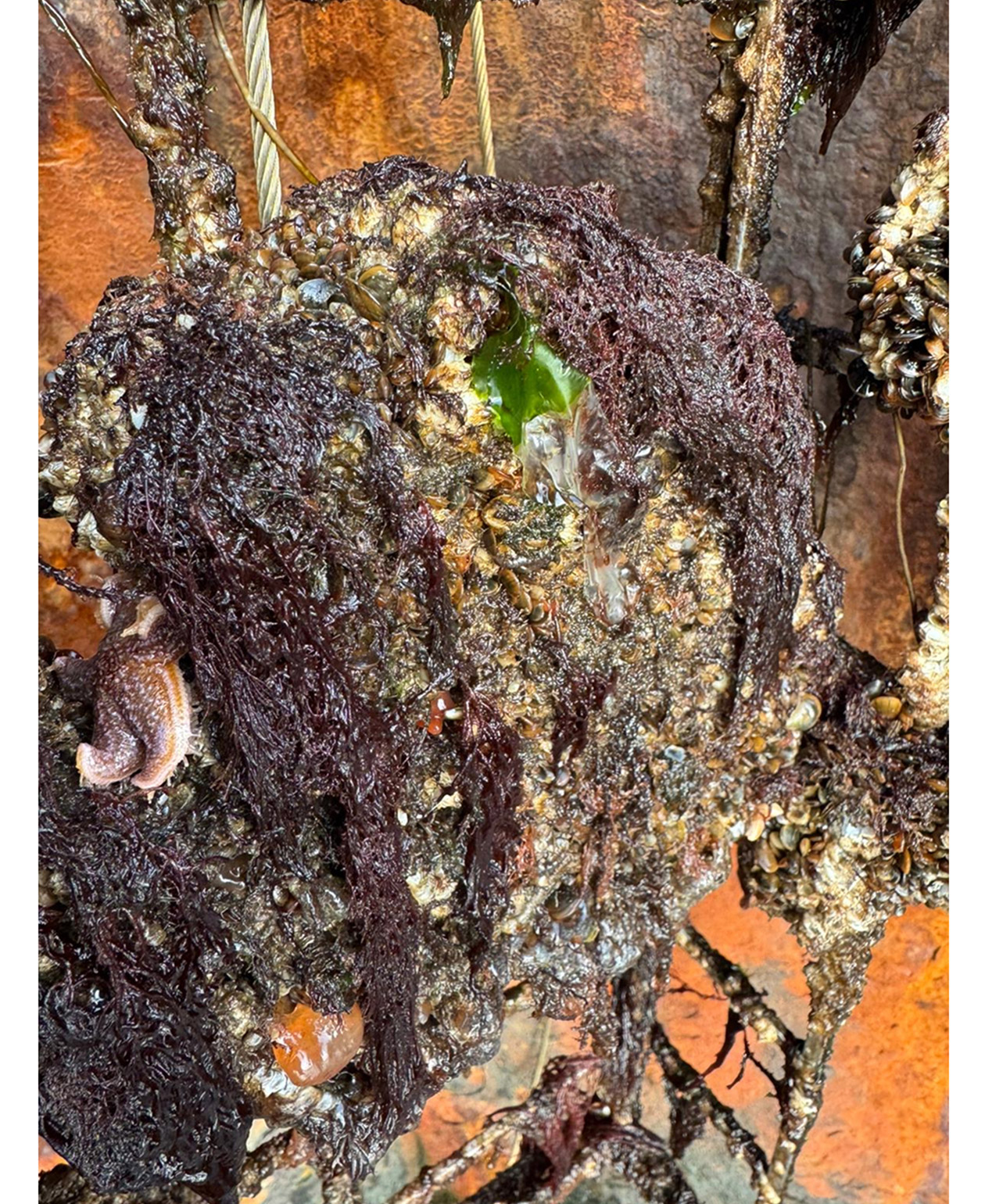
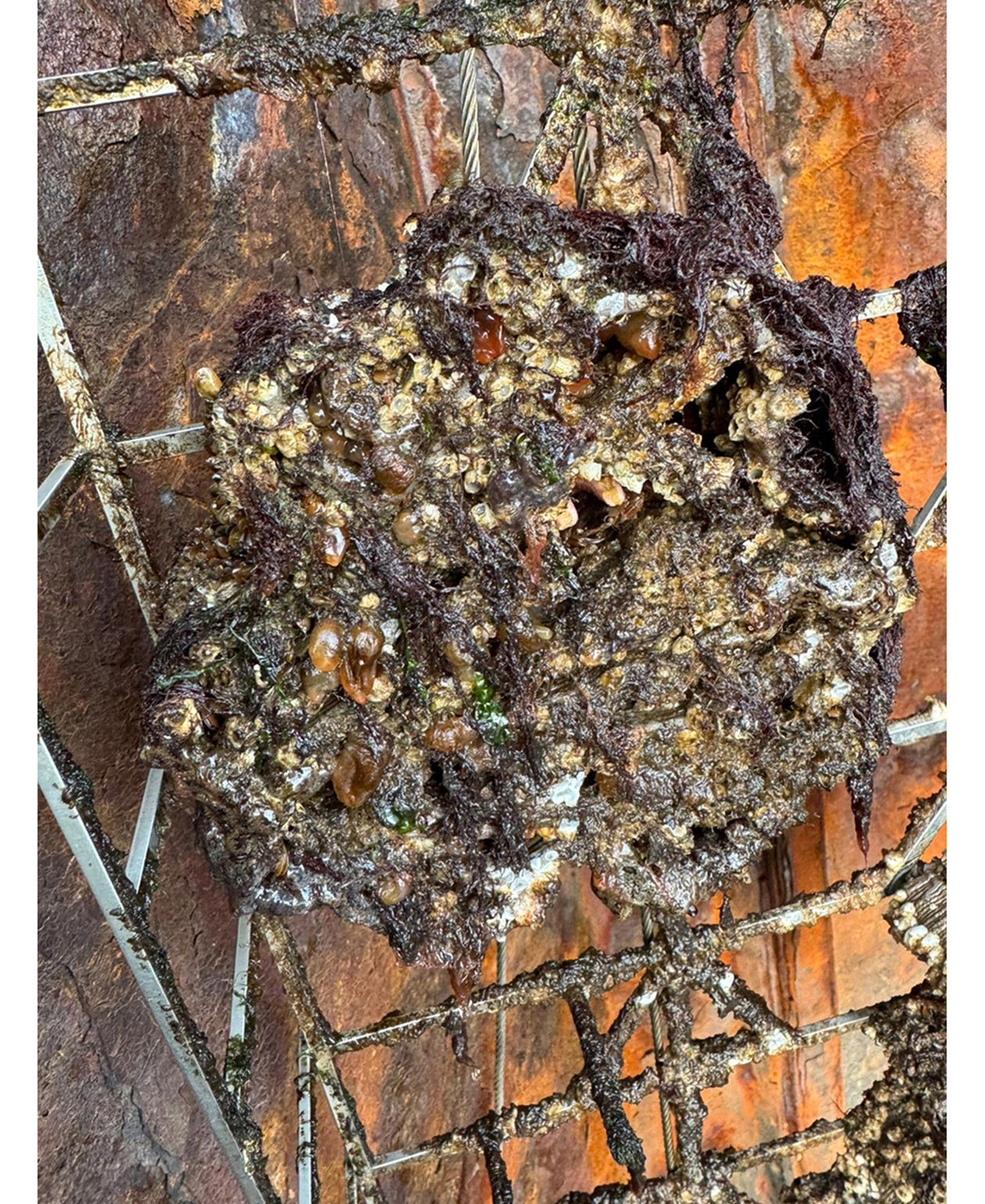
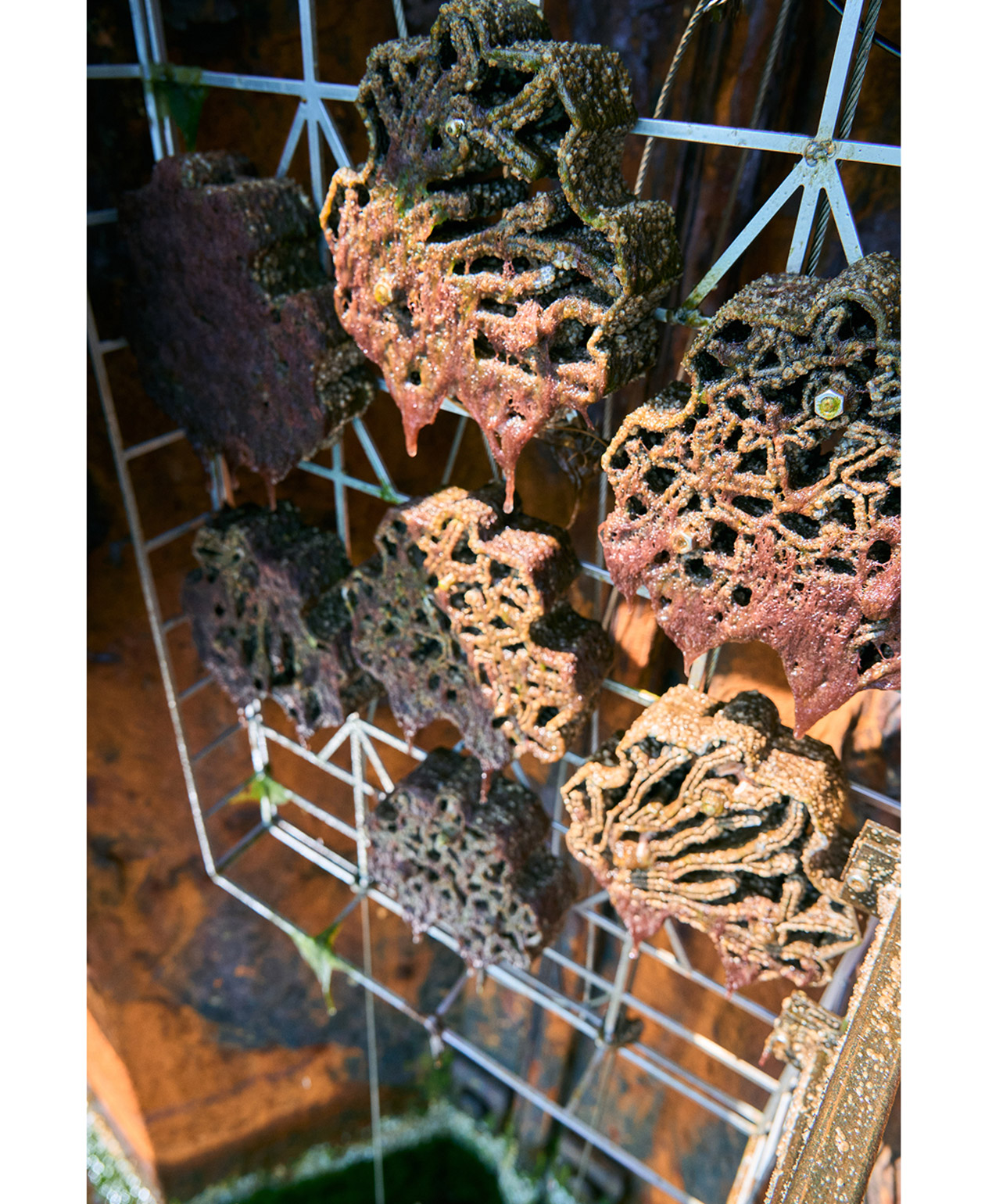
At ReefCircular, we produce 3D printed Reefs in marine-safe clay, this fabrication method allows us to achieve complex geometries that enhance complex marine ecosystems since they work as feeding grounds thanks to the algae growing on them, nurseries with many small crevices for juvenile fish, and protection from predators for smaller species. We use clay, since it has an optimum surface pH, lower CO2 emissions than other conventional materials like concrete and it is capable of lasting decades to centuries.
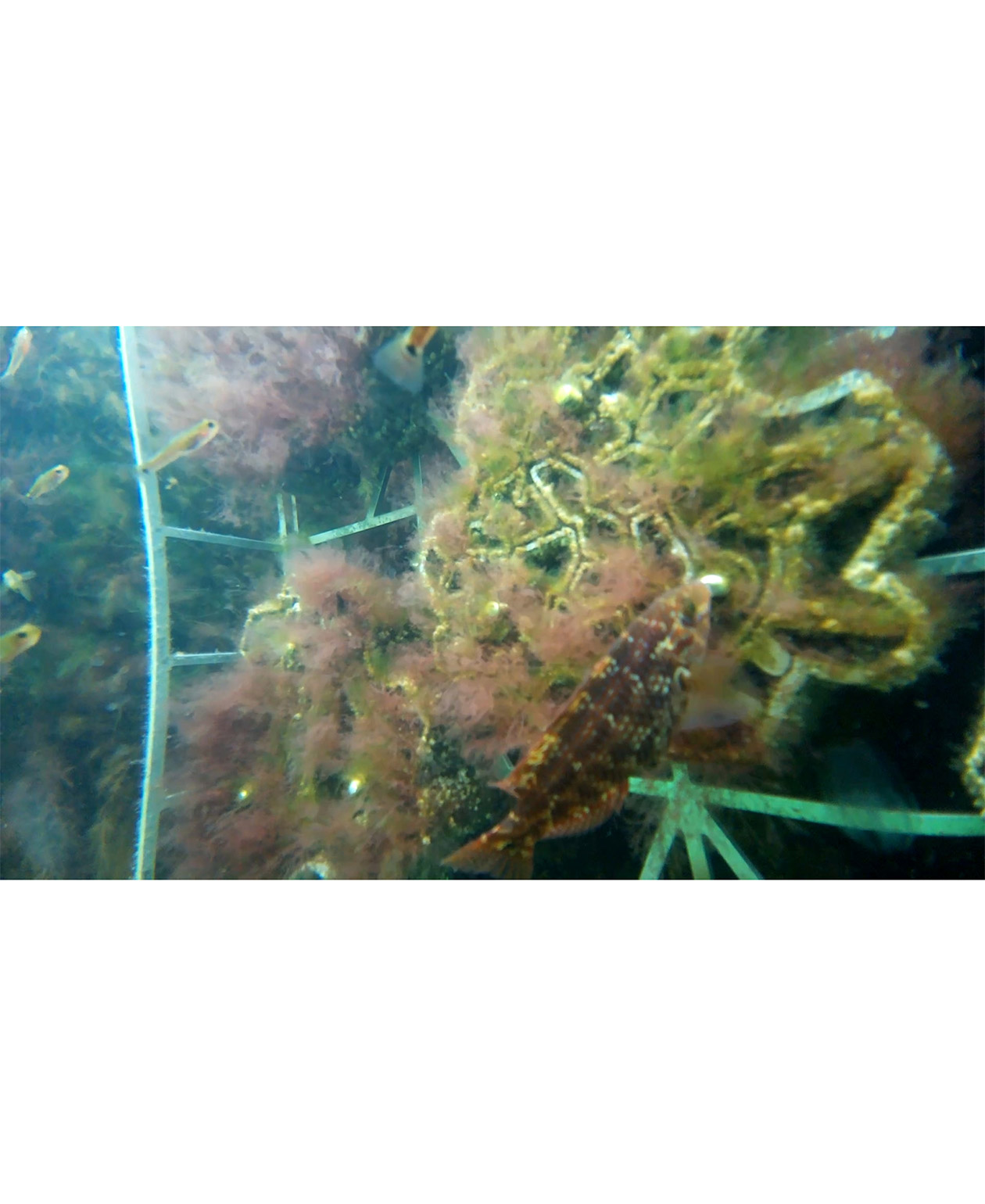
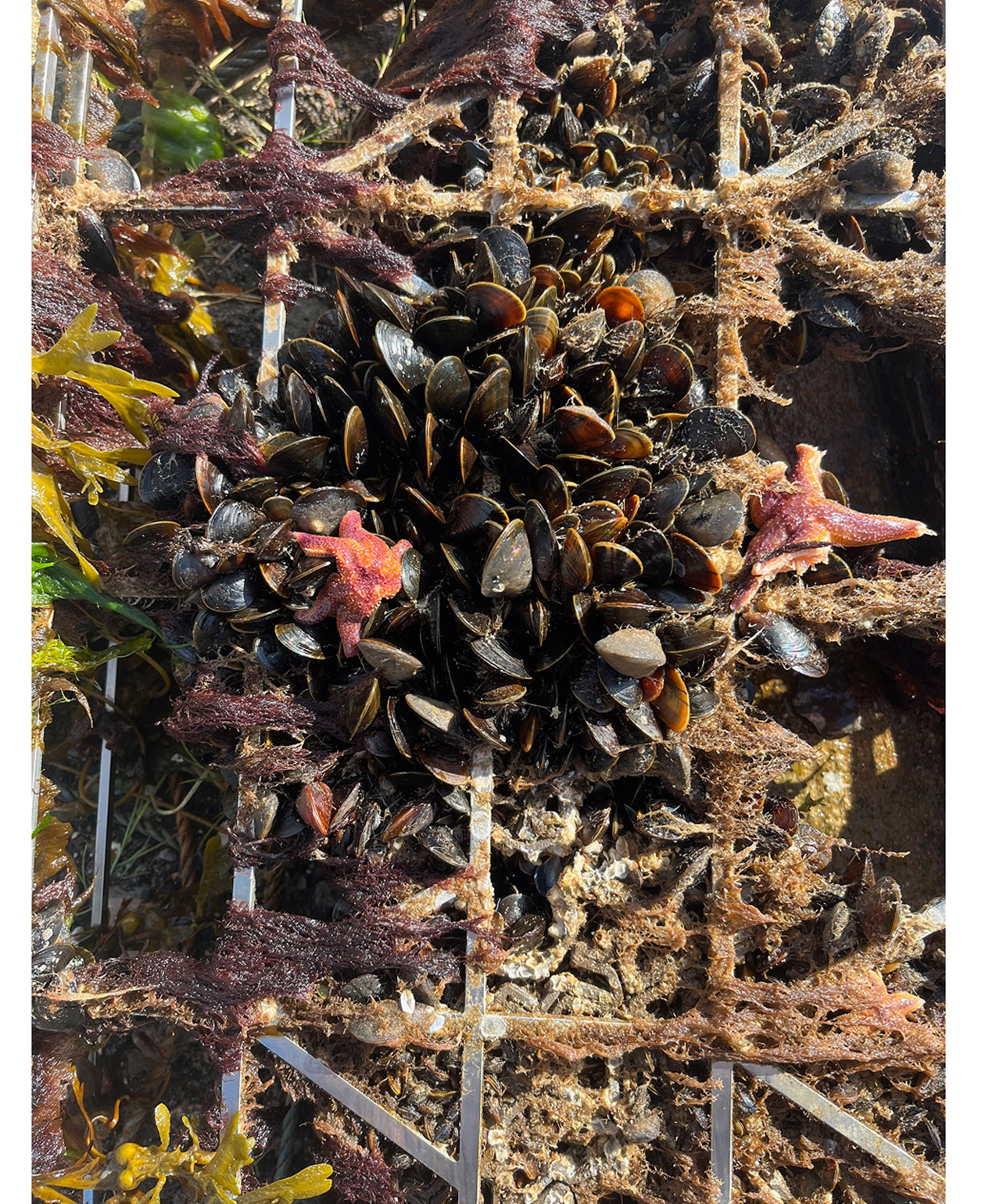
In our project with just 24 reefs installed, we saw a 200% increase in the number of species, and a 400% increase in the number of fish present at the site. This benefits local communities by giving them better access to healthy and diverse fish, cleaner water and other activities that boost the economy like eco-tourism. The presence of seals and cod in the site with the reefs shows the huge possible impact this restoration can have in bigger scales.
ReefCircular looks forward to having a global presence with different projects around the world. We are currently looking into developing projects in more tropical climates to test our reefs, and with that open the possibilities to expand our footprint. In order to achieve that, we would partner up with local production partners, to reduce the CO2 emissions in every possible way, avoiding the travelling of the pieces and contributing to local economies. By adapting the shape and fabrication method to the ecological conditions of each region, we aim to expand into a sustainable model that responds to the challenges of diverse marine environments.