


Process-Controlled Waste Sorting Rear Module | ET35 A modular rear body system project improving recycling workflows from public drop-off to frontline operations


- Nationality
- Taiwan
- Group
- Inmotion Design Co., Ltd. × China Motor Corporation (CMC)
About Project
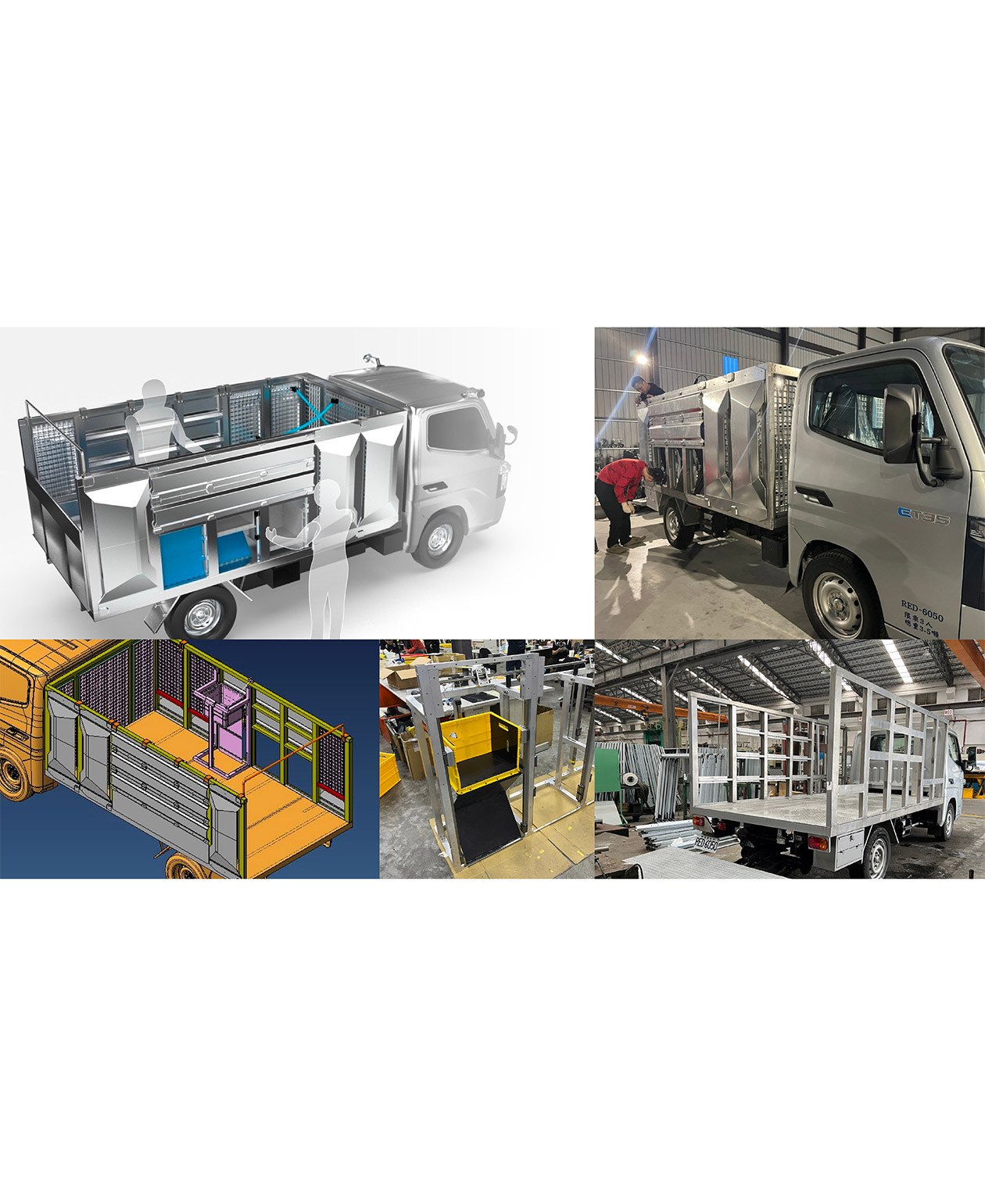
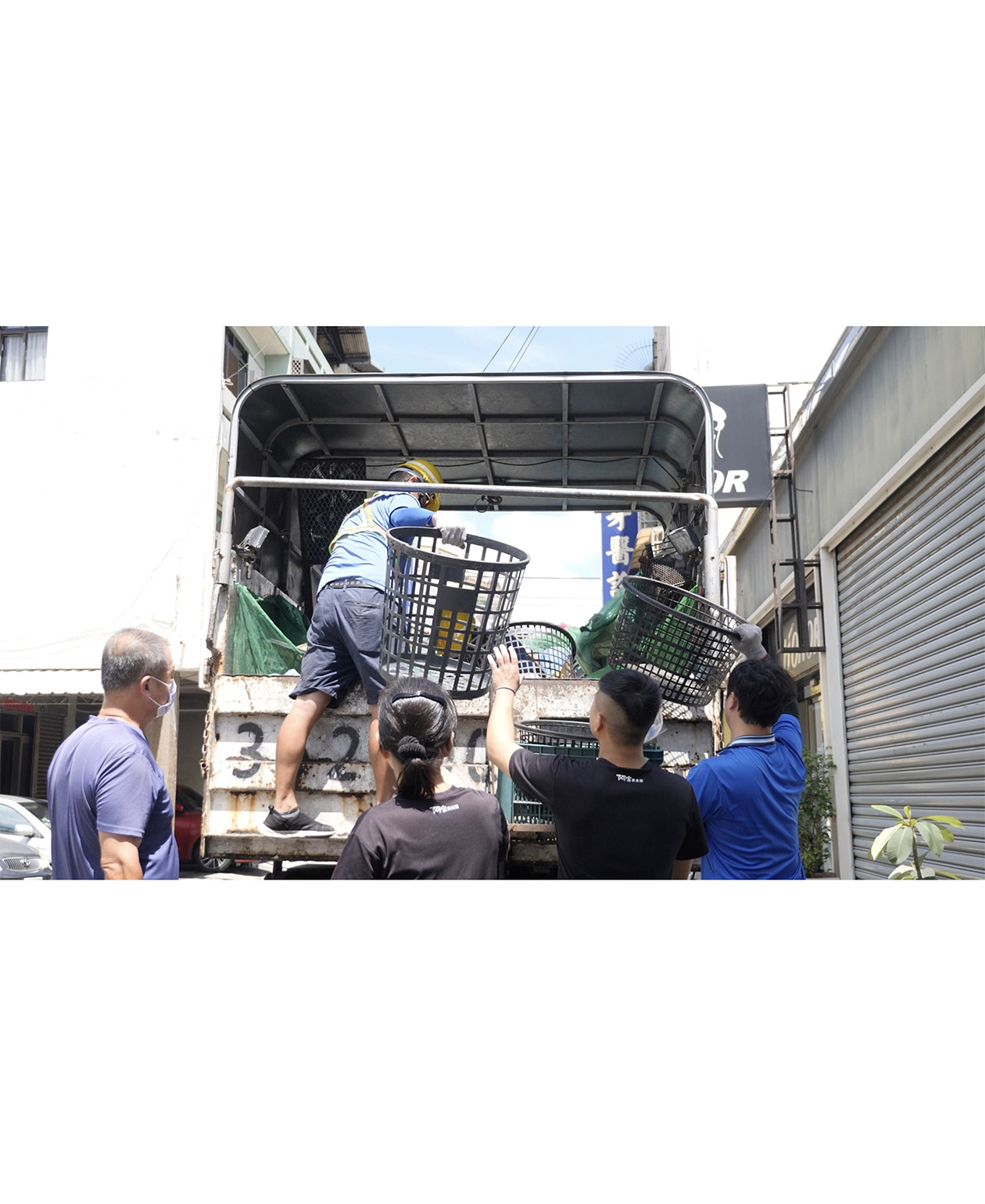
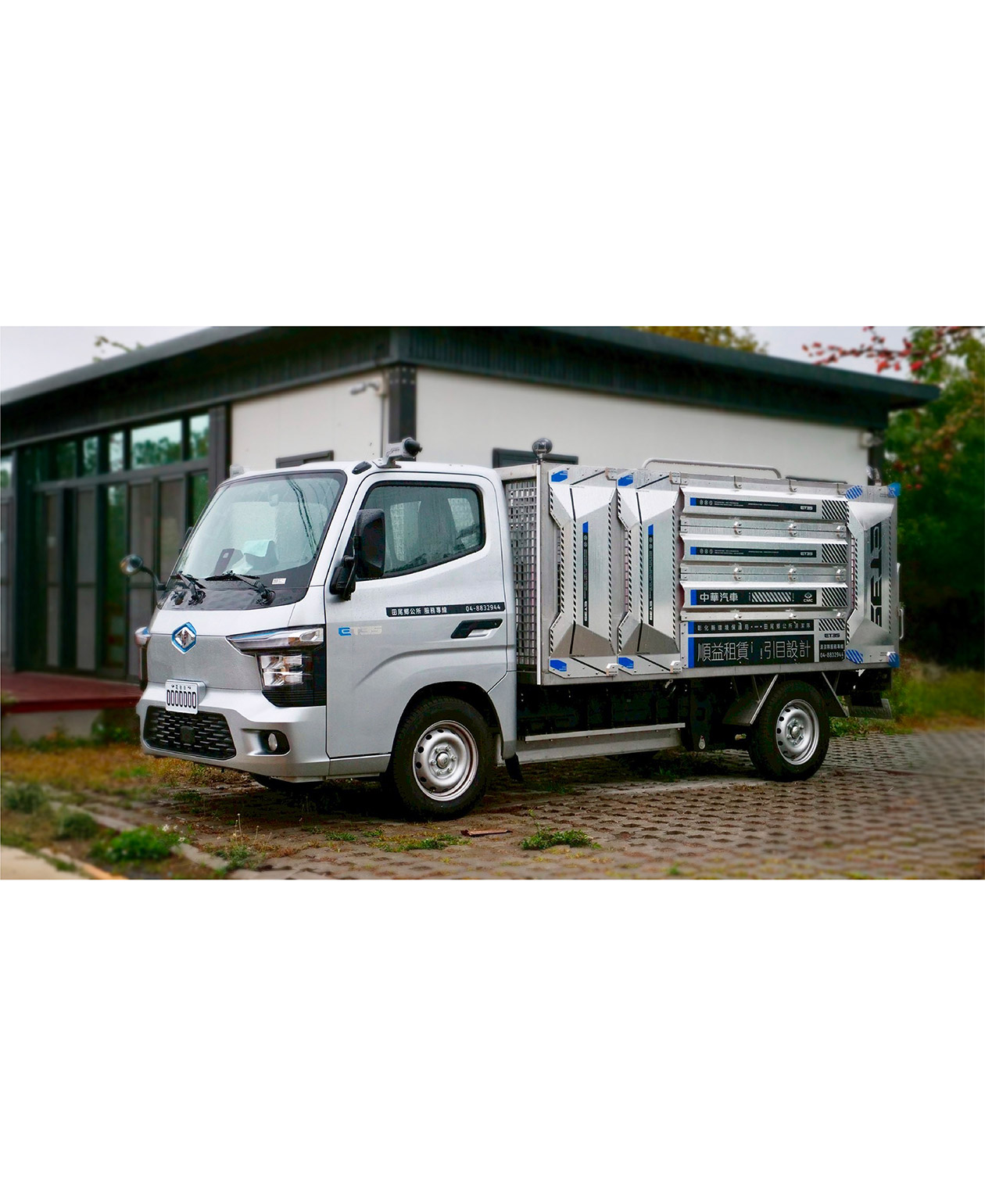
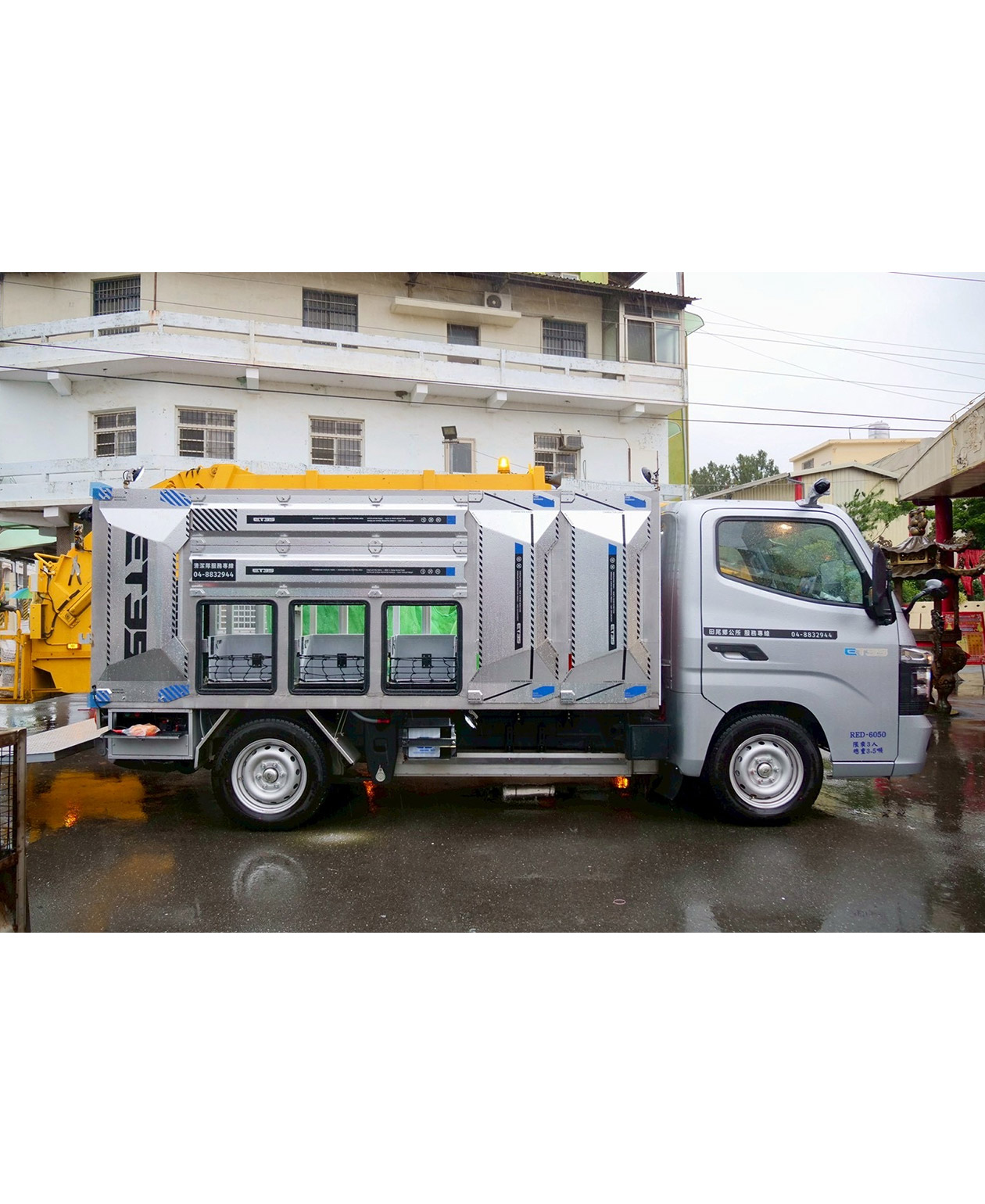
Built on the ET35 electric commercial vehicle platform, this project redesigns the rear body module of a recycling collection vehicle as a public service interface used together by citizens and workers. It responds to daily issues in recycling services: unclear drop-off, mixed materials, worker sorting and inspection, temporary storage, ventilation, and maintenance. Instead of treating the vehicle as a single-purpose retrofit, the design develops a modular rear body system that can adapt to changing recycling policies, local service models, and different sorting needs. The core of the design is reflecting the flow of the recycling process in the vehicle's form and spatial configuration, so that citizens' waste separation and workers' tasks are naturally connected.
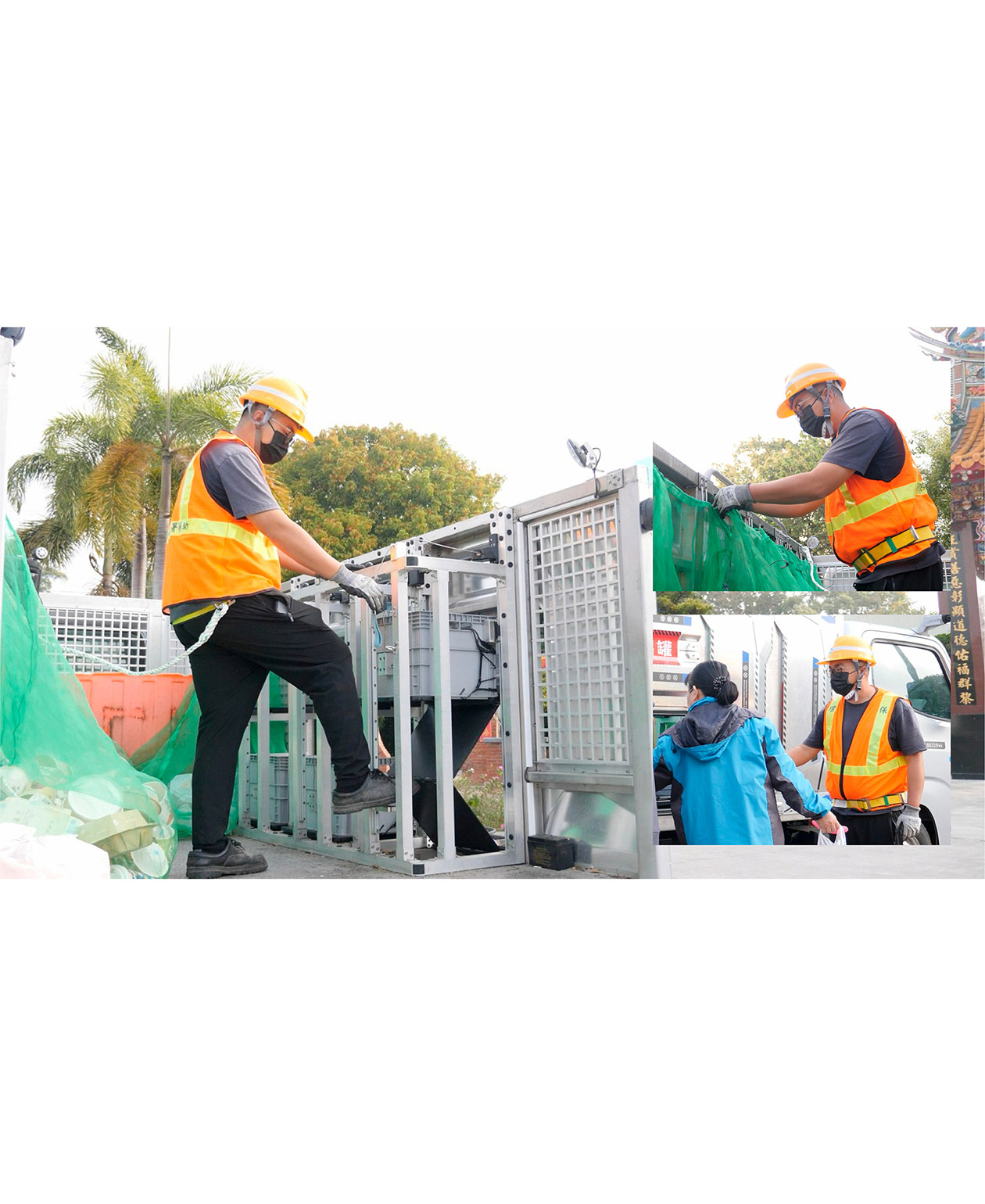
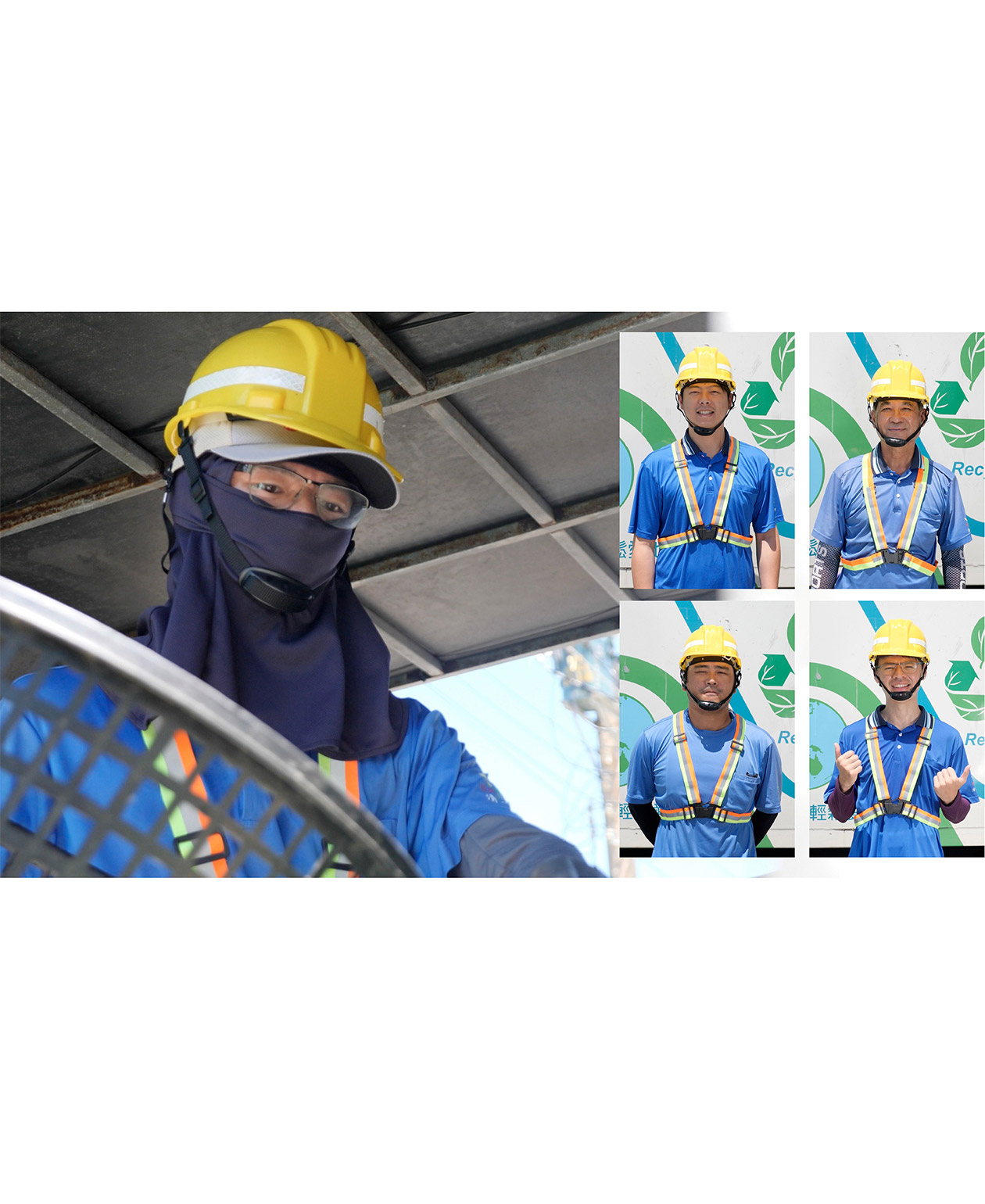
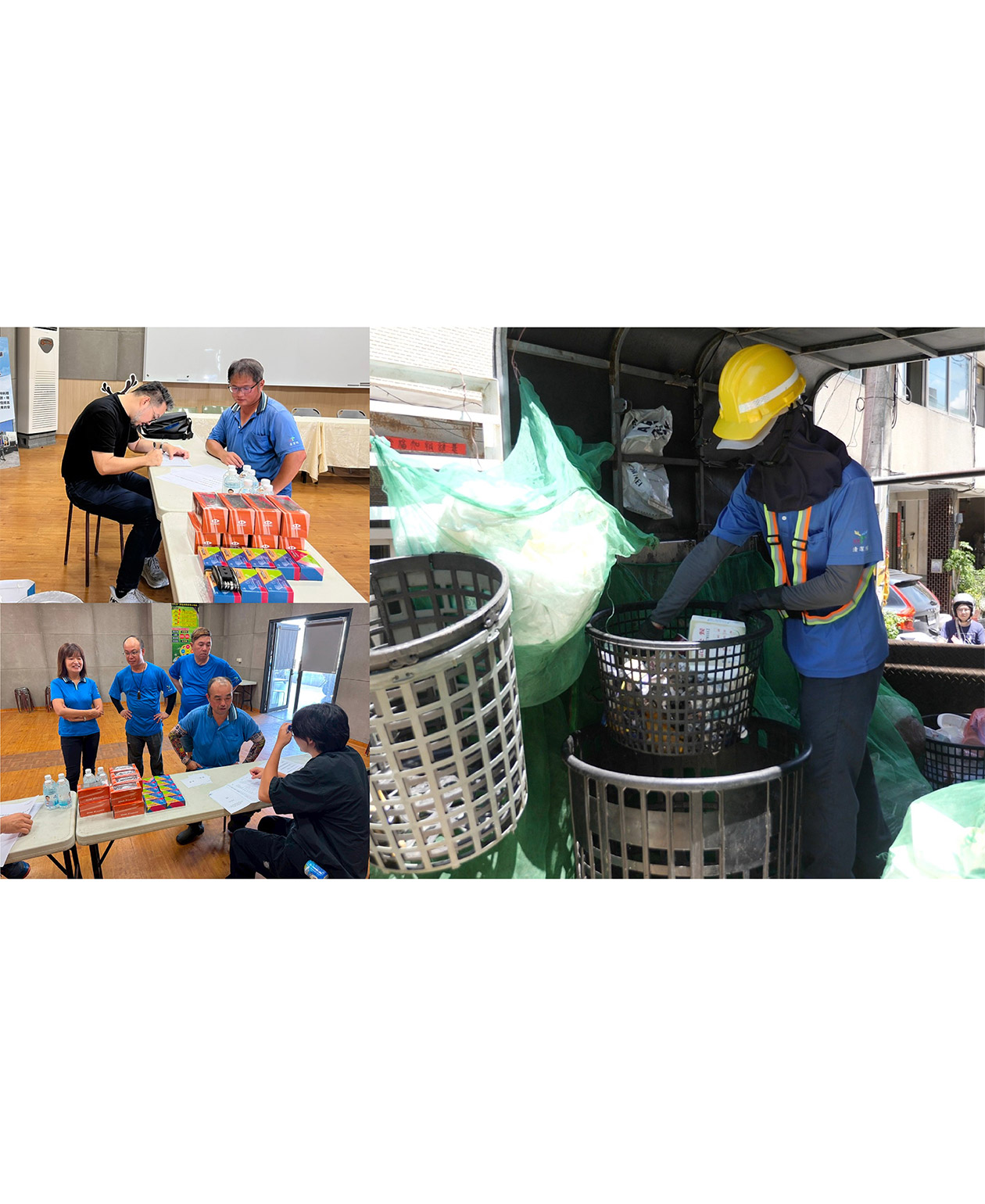
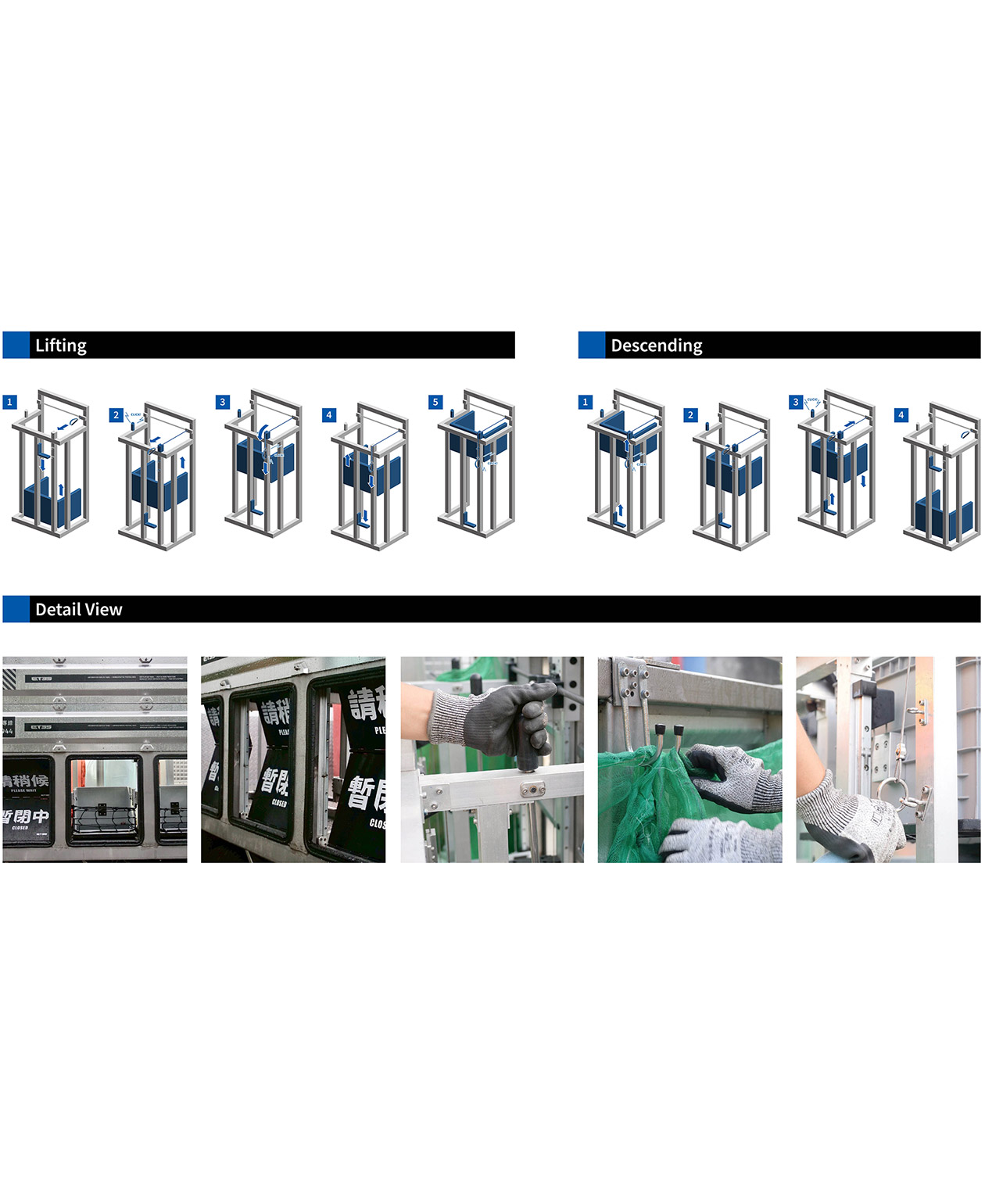
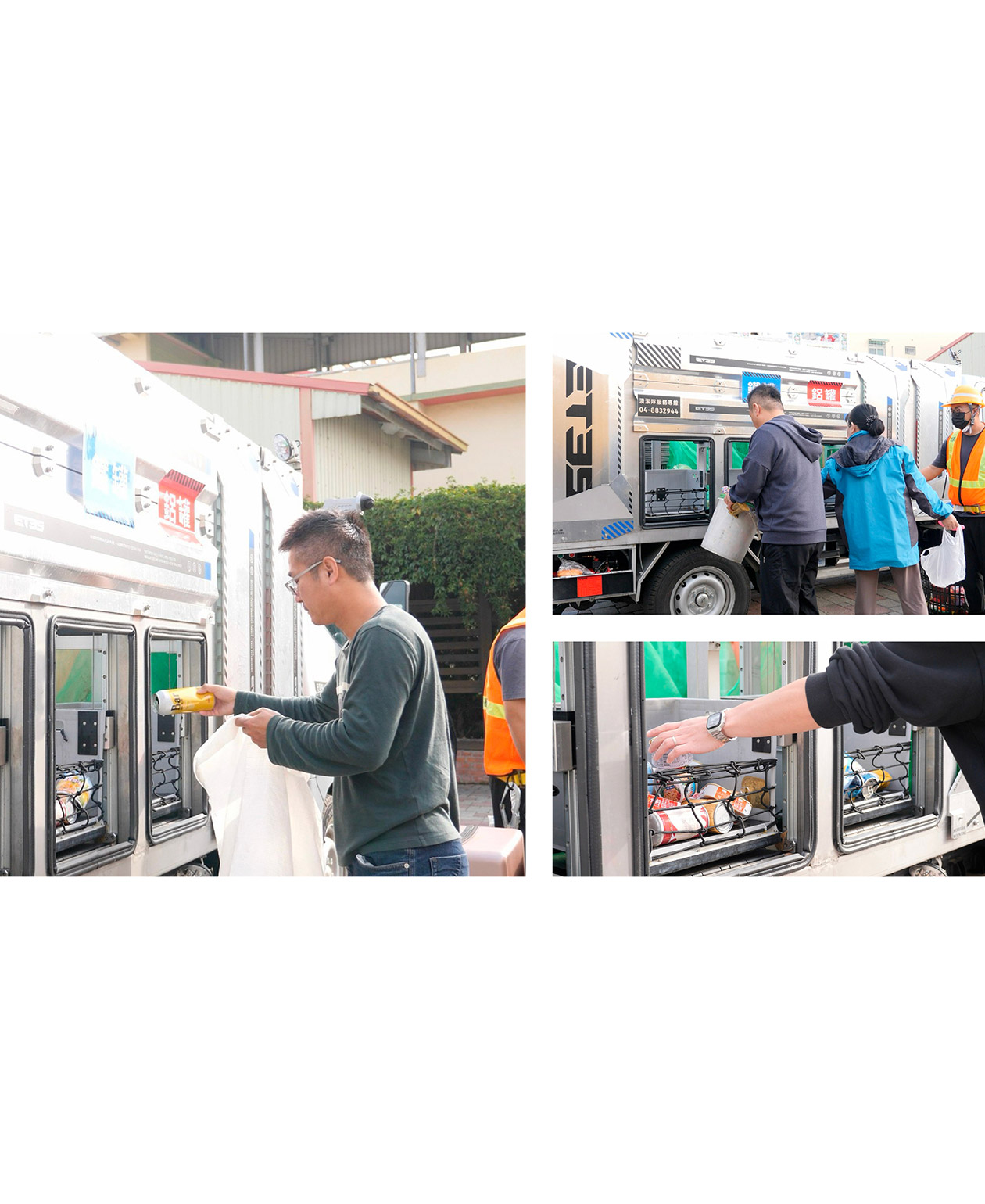
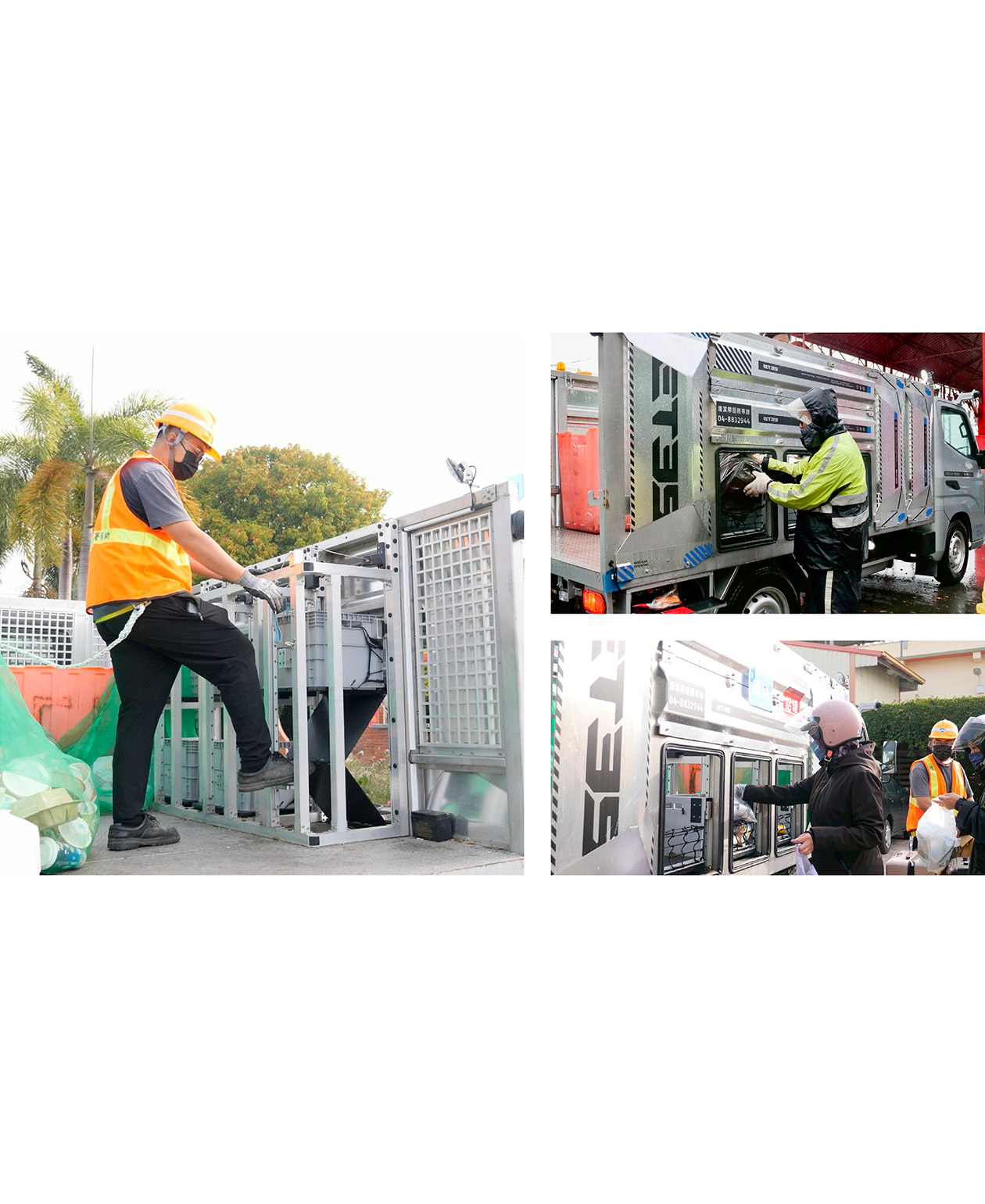
Through a multi-opening drop-off interface, lift-assisted temporary storage, ventilation panels, and screw-mounted modular panels, the vehicle links public participation with frontline work in a clearer sequence. The position and configuration of each element were designed to match the actual work process, so that the vehicle's exterior and function directly reveal the flow of the recycling service. The project was tested and verified through three months of operation in real-road and collection-site conditions, observing worker use and public interaction. It supports resource circulation while improving working conditions and public service quality, creating a more balanced relationship between people, society, and the environment.
The innovation lies in turning the rear body module into a control interface for recycling workflows. Following a form-follows-function approach, its exterior is shaped by drop-off, storage, ventilation, and maintenance needs. The multi-opening drop-off interface guides sorted disposal; lift-assisted temporary storage improves ergonomic working height; ventilation panels reduce heat and odor; and screw-mounted modular panels simplify maintenance and replacement. These elements work as one service system, not isolated vehicle parts, connecting everything from public participation to workers' collection and management.