


Svaika Svaika converts music into touch-based feedback to make it perceptible for Deaf users



- Nationality
- Indonesia
- Individual
- Azra Firmansyah
About Project
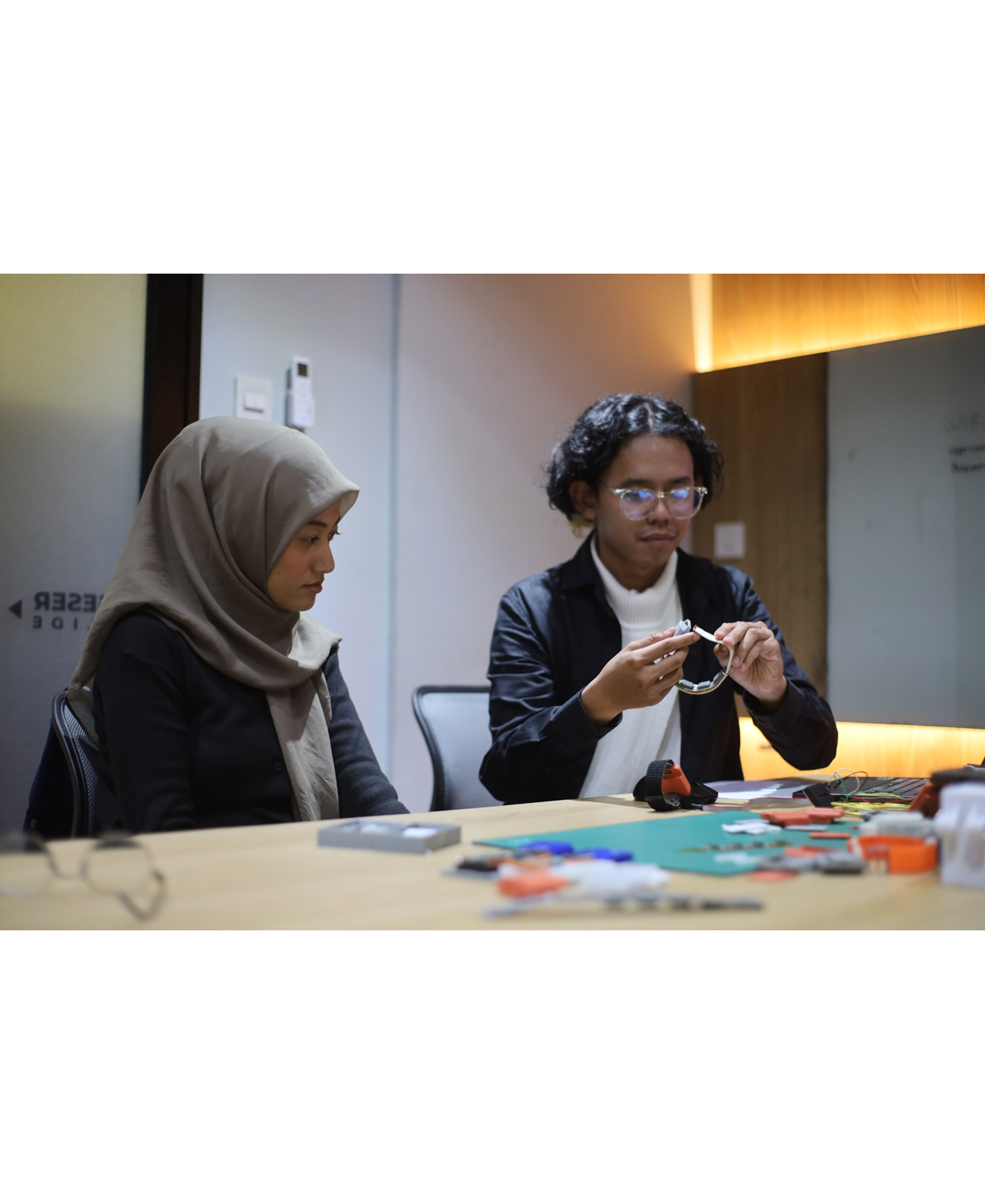
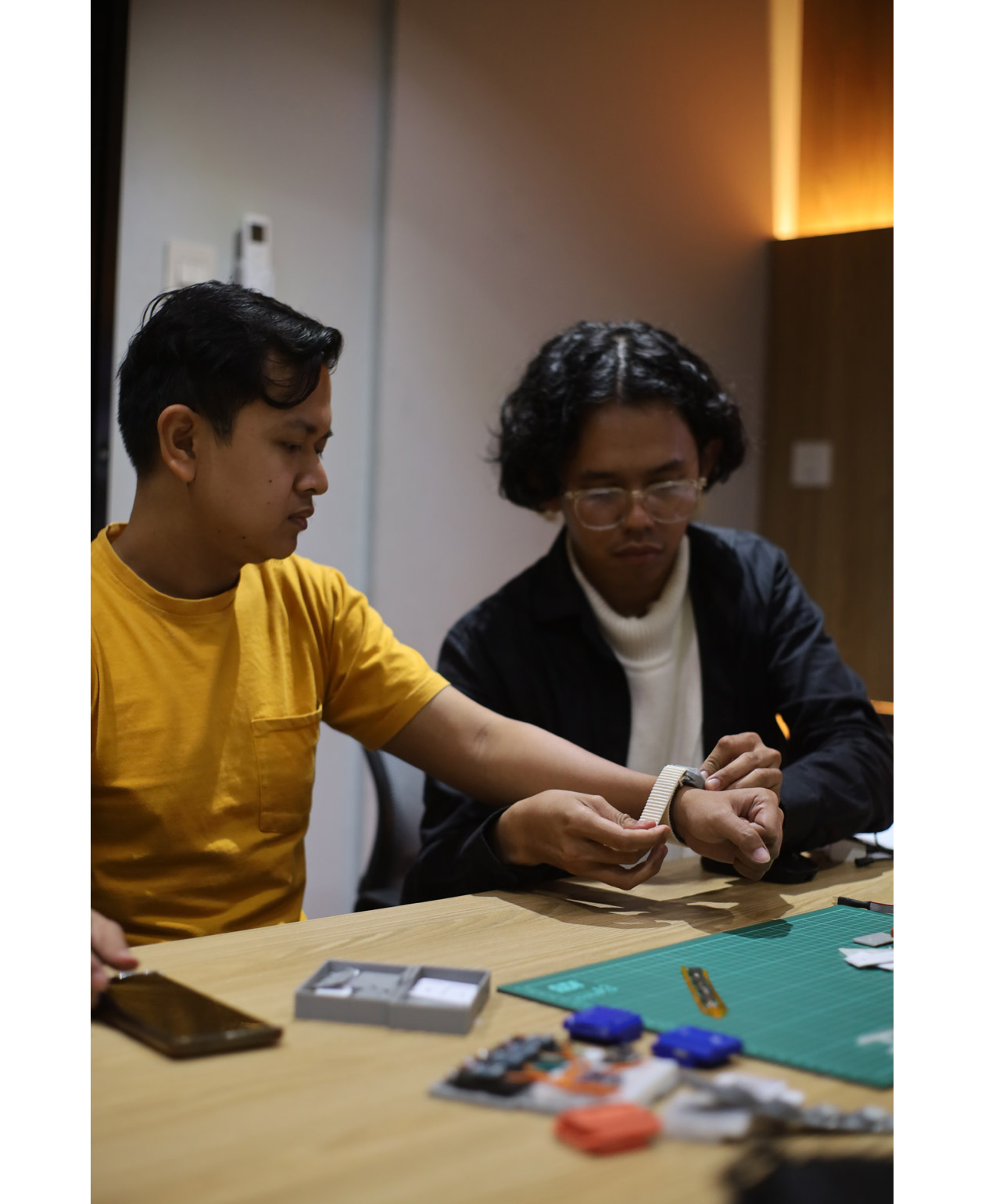
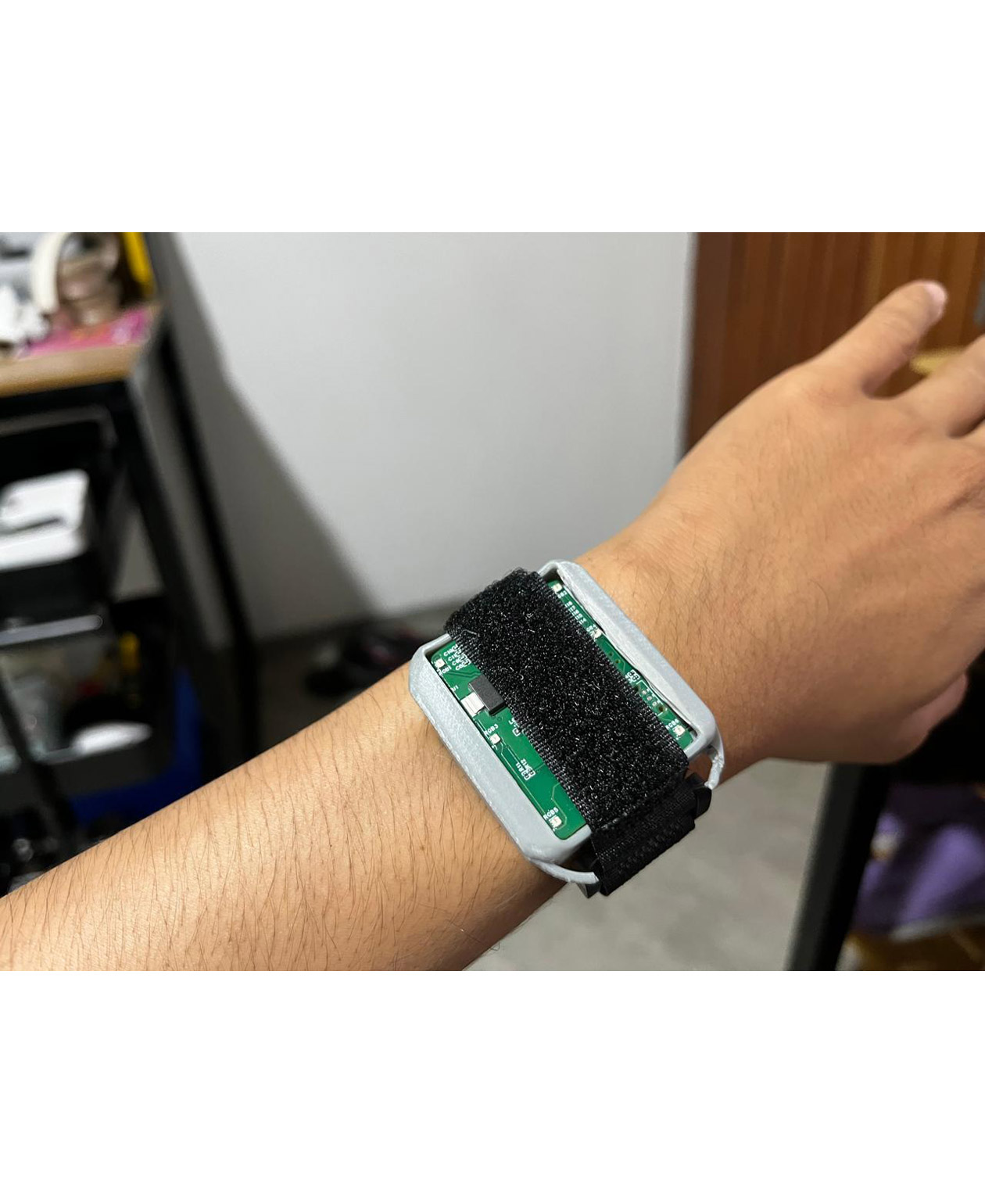
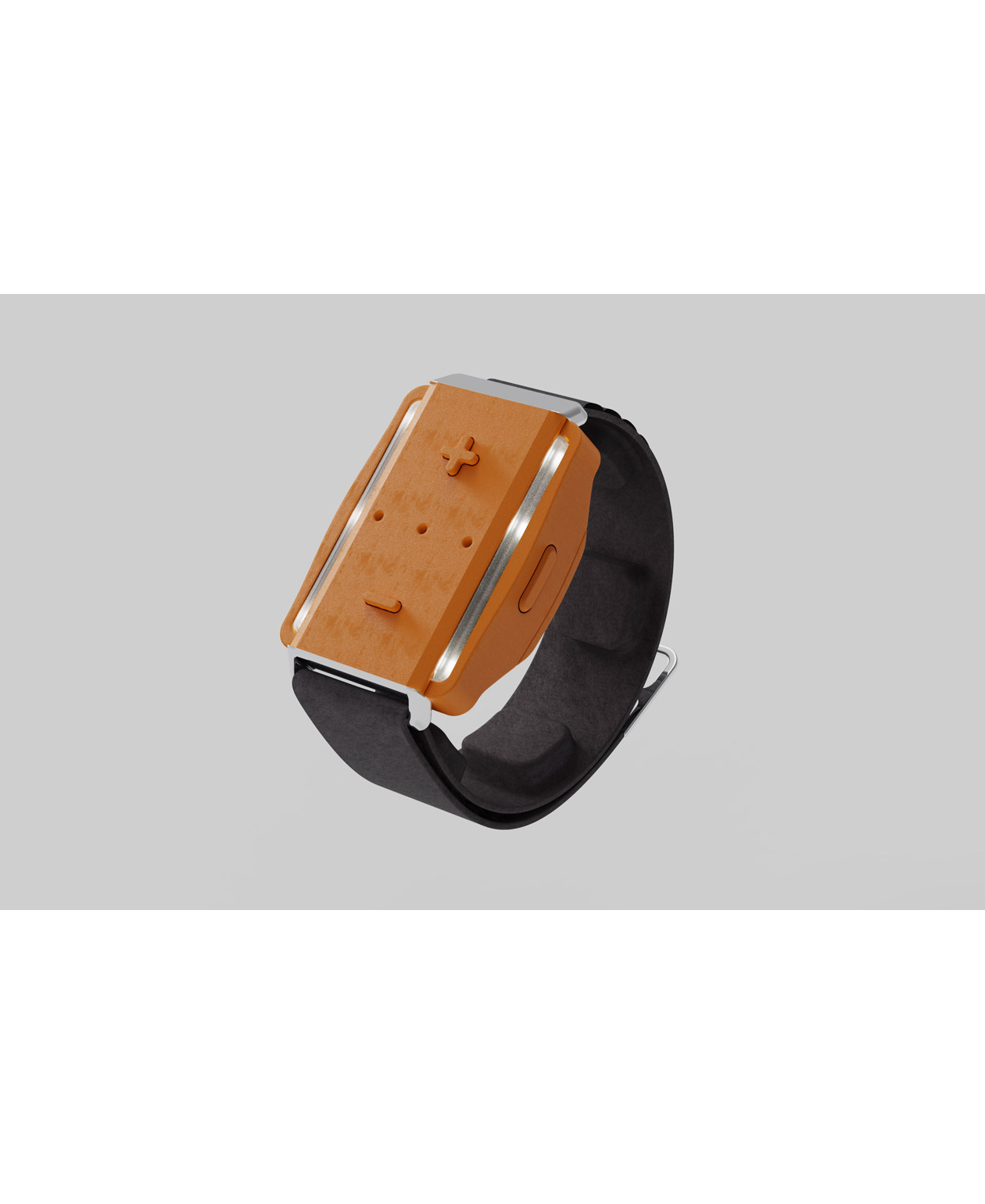
Svaika is a wearable haptic device that translates music into tactile sensation, enabling Deaf individuals to experience music through their own sensory modality. Developed through participatory research with Deaf users in Yogyakarta, Indonesia, it places lived experience and needs at the centre of every design decision. Music goes beyond personal appreciation to serve as an important medium for sharing experiences with people in gatherings, festivals, and cultural events. However, for Deaf individuals, participating in such experiences itself can become a barrier. Instead of simulating or replacing hearing, Svaika starts from the question “what does music feel like?” and transforms sound into a new sensory experience received through the skin.
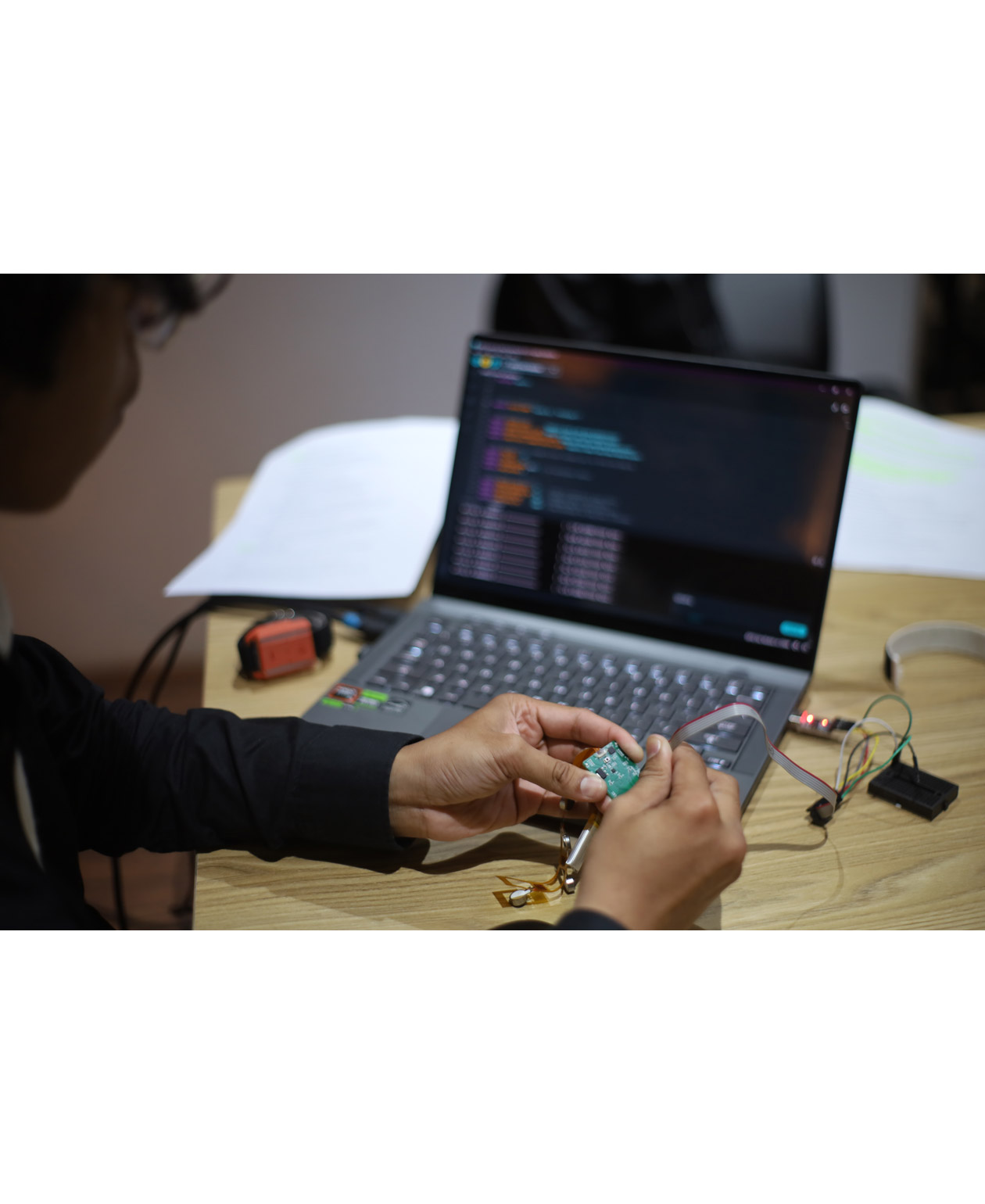
The core mechanism maps musical elements such as kicks, rhythm, and intensity onto different haptic patterns delivered to the skin. To achieve this, a custom music-to-haptics translation algorithm was developed, and through several iterations of prototyping and user feedback, the vibration expression methods and wearable form were refined. A key feature of the design is reversing the dynamic: instead of users adapting themselves to conventional music experiences, the music is delivered to fit the users' own sensory terms. This approach does not view Deaf individuals simply as recipients of accommodation or assistance. By allowing Deaf individuals to participate in their own way during everyday moments such as commutes, gatherings, performances, festivals, and enjoying music at home, it broadens the scope of shared musical experiences. It demonstrates the potential of inclusive design by considering the experiences of people with different senses from the start, rather than adding accessibility as an afterthought.
Svaika's social value naturally expands through this sensory accessibility. By expanding opportunities to participate in the universal cultural experience of music, it reduces social isolation and strengthens the connection between people and communities. In particular, through the direct participation of the Deaf community in the development process, it moved away from designers unilaterally proposing solutions to realize a participatory approach where lived experiences are co-designed. Recognizing these values, the project received support from the Swarovski Foundation and was presented at the UN Headquarters in New York.
Svaika's underlying principle of translating one sensory modality into another can be extended beyond music into various fields. It can be applied to convert situations where auditory information is crucial—such as speech in noisy environments, alerts, notifications, and ambient soundscapes in public spaces—into tactile information. With the advancement of haptic technology and wearable devices, the scope of application can also broaden, and the method of community participation tailored to local regions and cultures can be applied to other accessibility designs. Rather than merely compensating for disabilities, Svaika respects different sensory modalities themselves, presenting the possibility of new sensory experiences where anyone can participate in culture and daily life.