


Viewpoint Freedom: 3DGS-Based Virtual Exhibition UX for Equitable Museum Access A 3DGS free-view exhibition UX restoring viewpoint autonomy for wheelchair users through navigable spatial reconstruction


- Nationality
- Korea, Republic of
- Group
- Juhee Yeon, Eugene Ko (Hongik University)
About Project
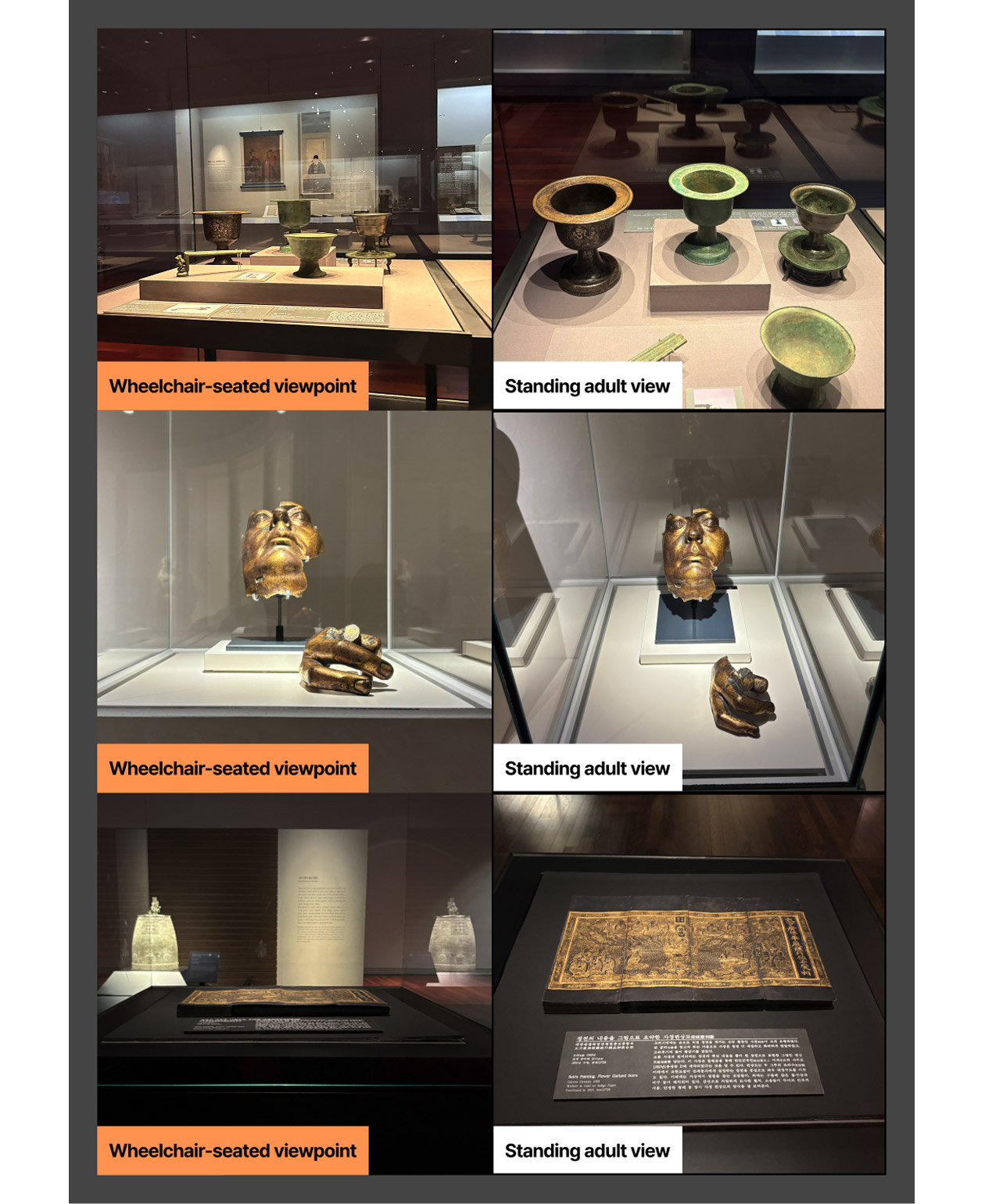
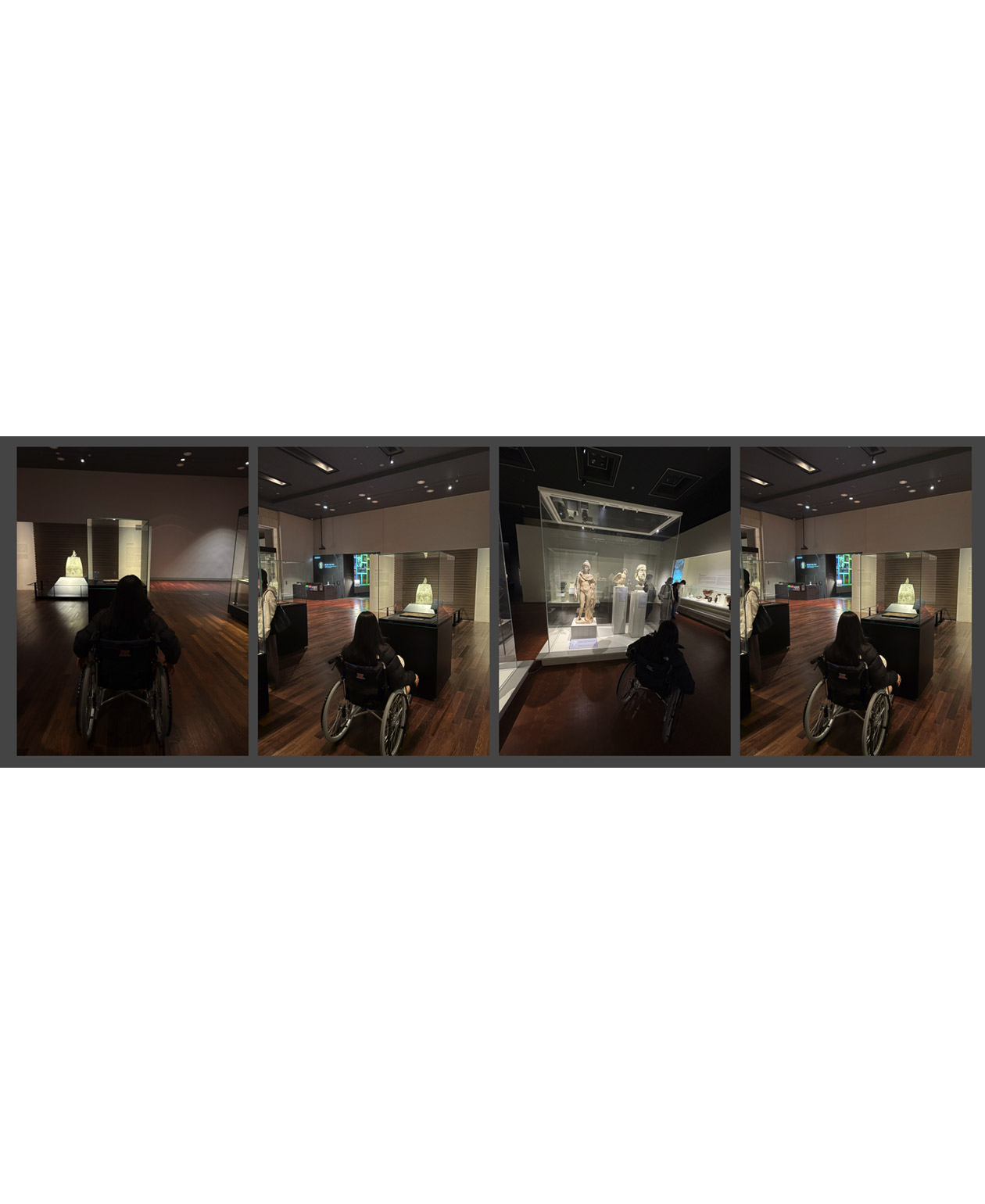
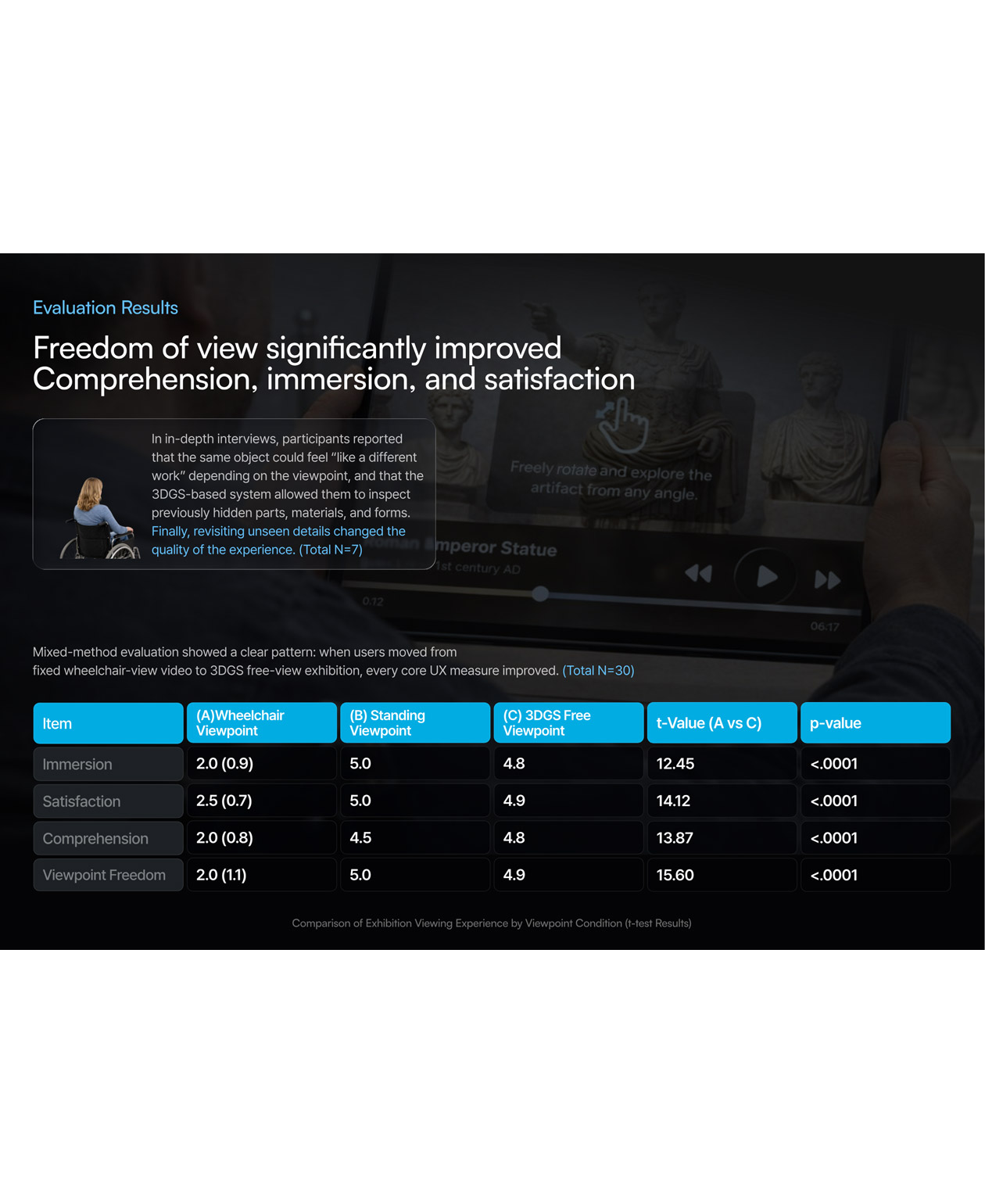
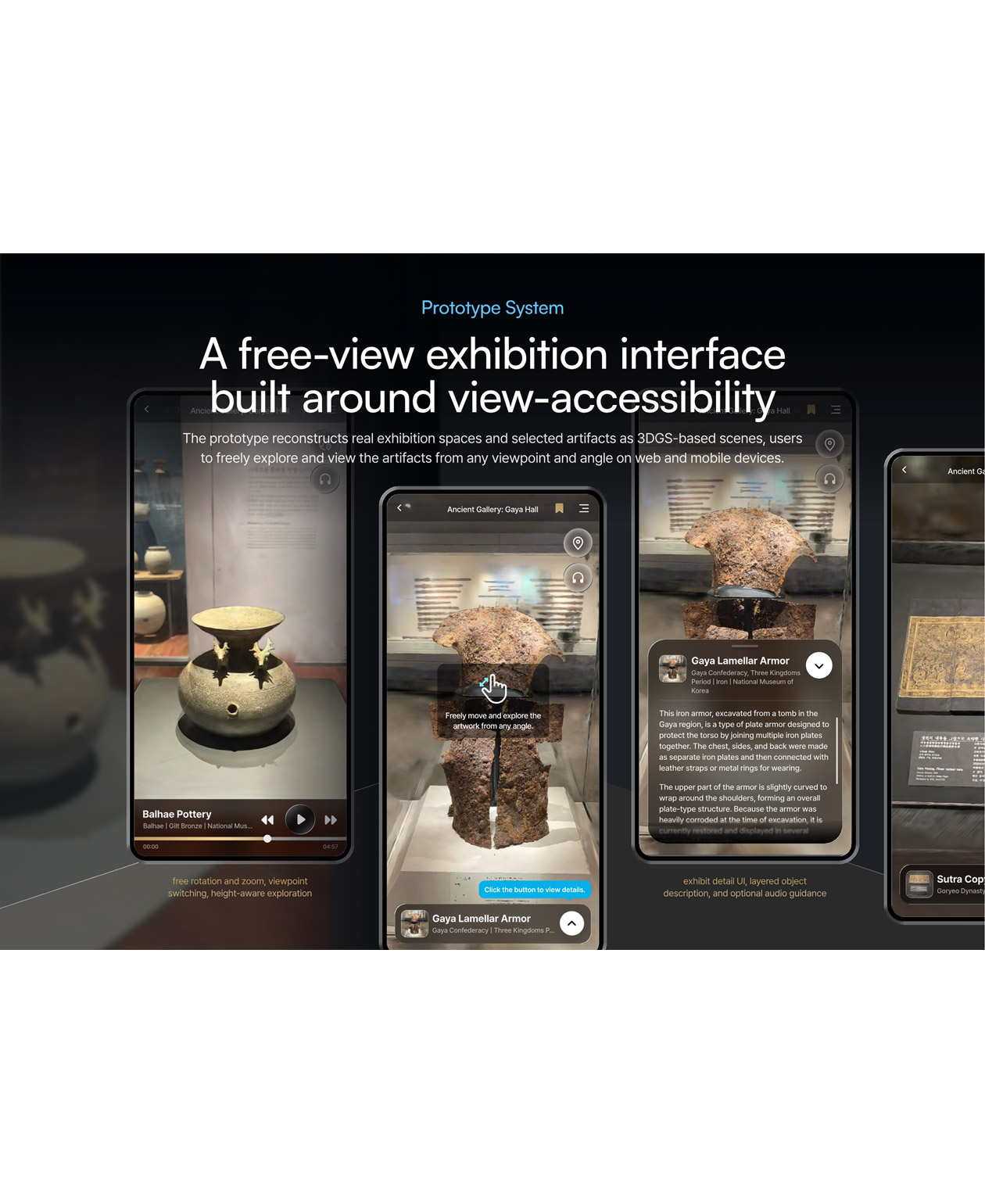
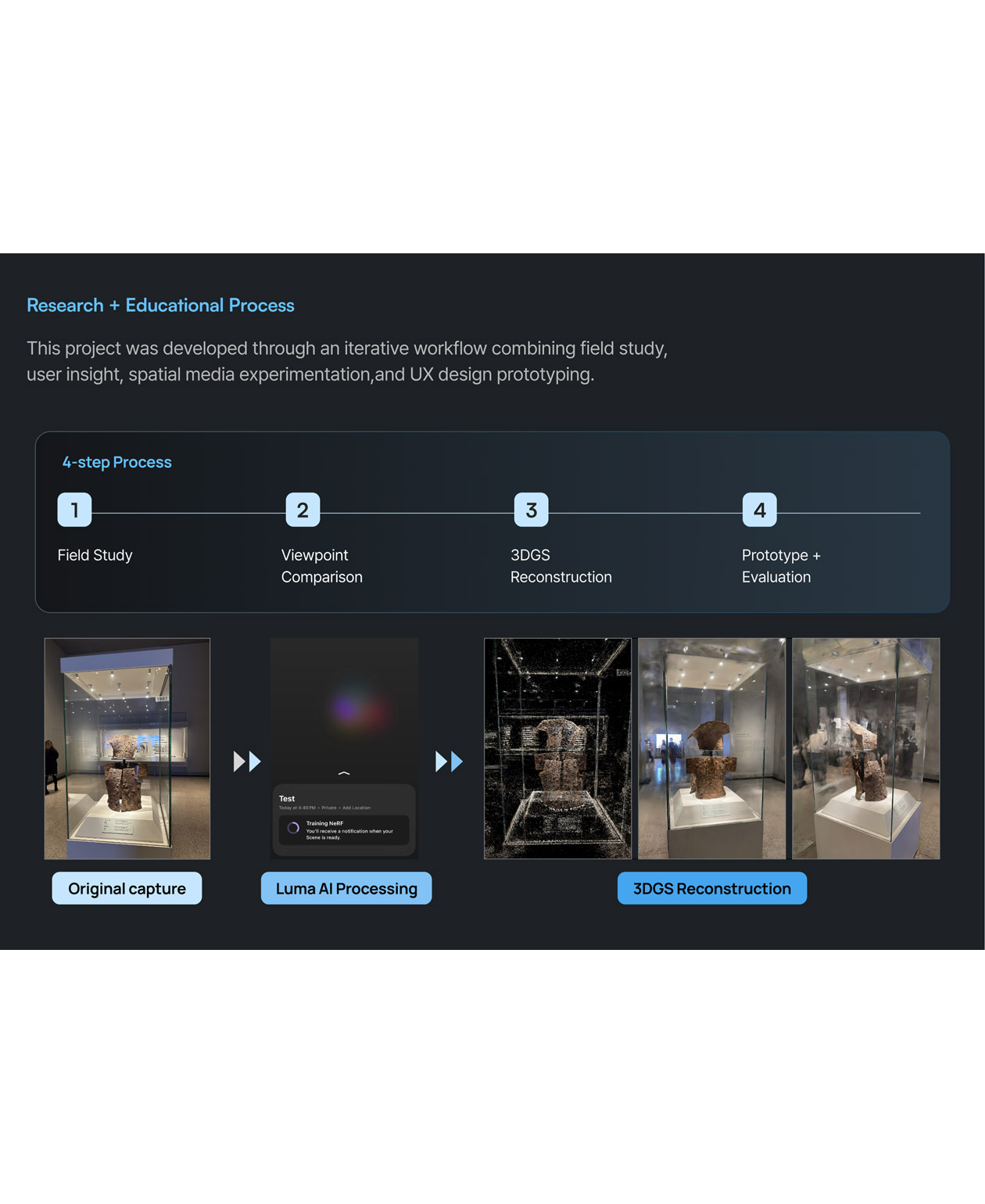
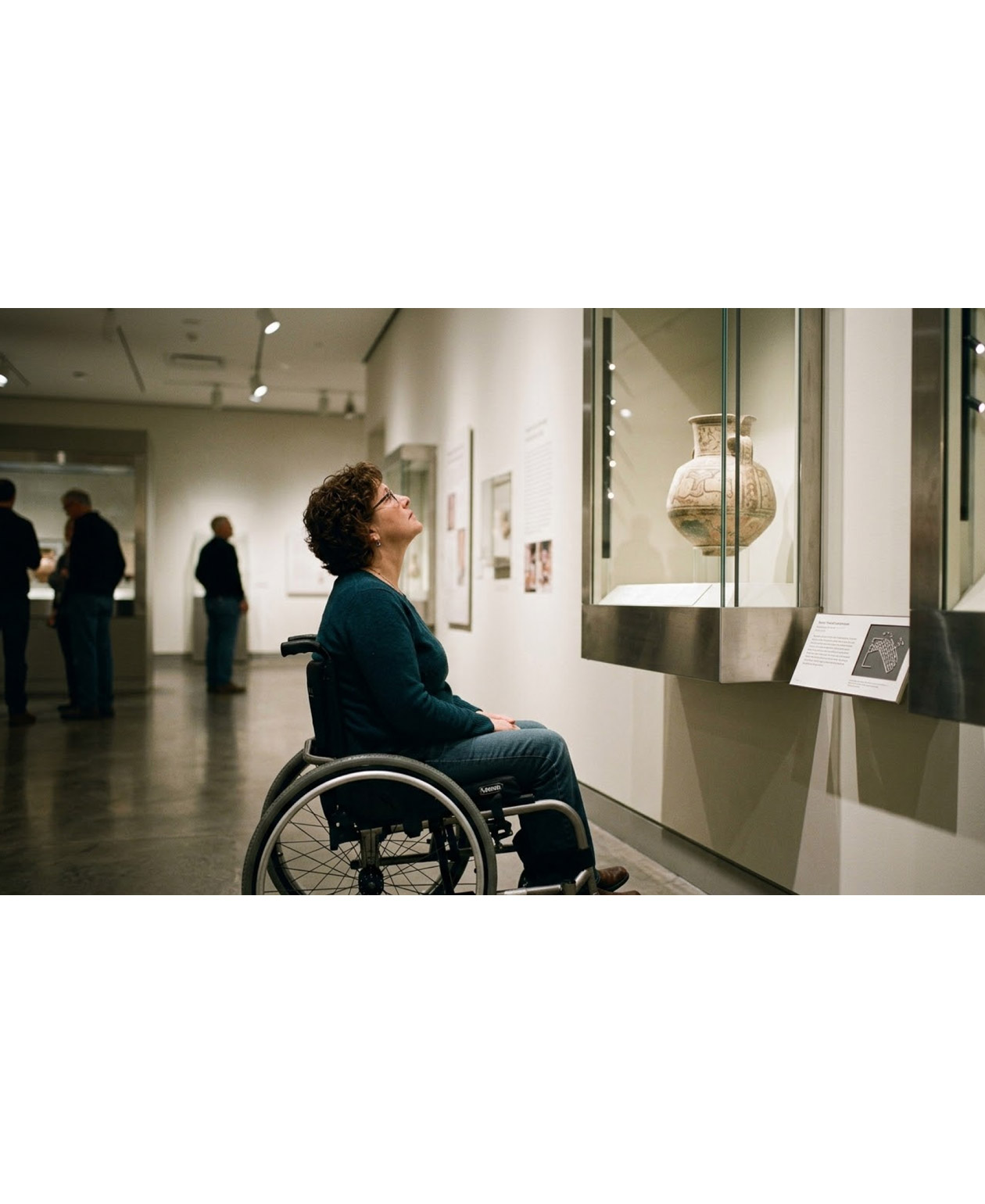
This project proposes a 3DGS-based virtual exhibition UX to improve museum access for wheelchair users and people with physical disabilities. Many exhibitions are still designed around the standing adult body, which creates viewpoint inequality through elevated displays, narrow circulation, limited approach distance, and fixed viewing angles. The project reframes accessibility not only as physical entry, but as the ability to choose how one views and understands art. By reconstructing real exhibition spaces and artifacts as navigable 3DGS scenes, the interface allows users to control viewing height, distance, angle, rotation, and zoom on web and mobile devices, escaping physical conditions or spatial constraints. Layered exhibit information and optional AI-supported audio guidance help users understand artifacts through both visual exploration and spoken interpretation.
The creative approach is to shift from passive accommodation to active viewpoint choice. Instead of offering a fixed 360° tour, kiosk, or device-bound VR tour, the project uses 3DGS reconstruction to create free-view exhibition scenes. Users can inspect artifacts from top, bottom, side, and zoomed viewpoints, while height-aware navigation helps them understand details often hidden, turning viewpoint freedom itself into an accessibility feature. The project expands cultural access by addressing a barrier often overlooked in museums: not only whether people can enter, but whether they can see, inspect, and understand exhibits on their own terms. It supports people with limited mobility, older adults, children, remote audiences who cannot easily visit the exhibition hall in person, and international visitors needing linguistic support. By making exhibition viewing less dependent on physical position, crowd conditions, or body height, the model contributes to social sustainability and reduces inequality in public cultural participation.
The project also has significance in expanding the real exhibition space into a digital environment. By converting real exhibition spaces into navigable 3DGS scenes, institutions can provide more inclusive cultural access without requiring major spatial renovation. It proposes a universal exhibition experience that complements the limitations of physical space while offering visitors new choices to explore artworks. The model can scale to museums, galleries, heritage institutions, and public cultural services worldwide. In the future, the system could support multilingual AI audio guidance, personalized accessibility settings, and remote exhibition participation, creating a universal exhibition UX for diverse bodies, ages, languages, and viewing needs. The project reframes accessibility not only as physical entry, but as the ability to choose how one views and understands art, extending the scope of cultural accessibility so visitors can view and understand works in their own way.