


A Community Hydroponic System for Food Security in a Communitys Kitchens A hydroponic innovation project to improve nutrition and food resilience in community kitchens through Nutrient Film Technique technology


- Nationality
- Peru
- Group
- Universidad Autónoma del Perú (University Autonomous of Peru)
About Project
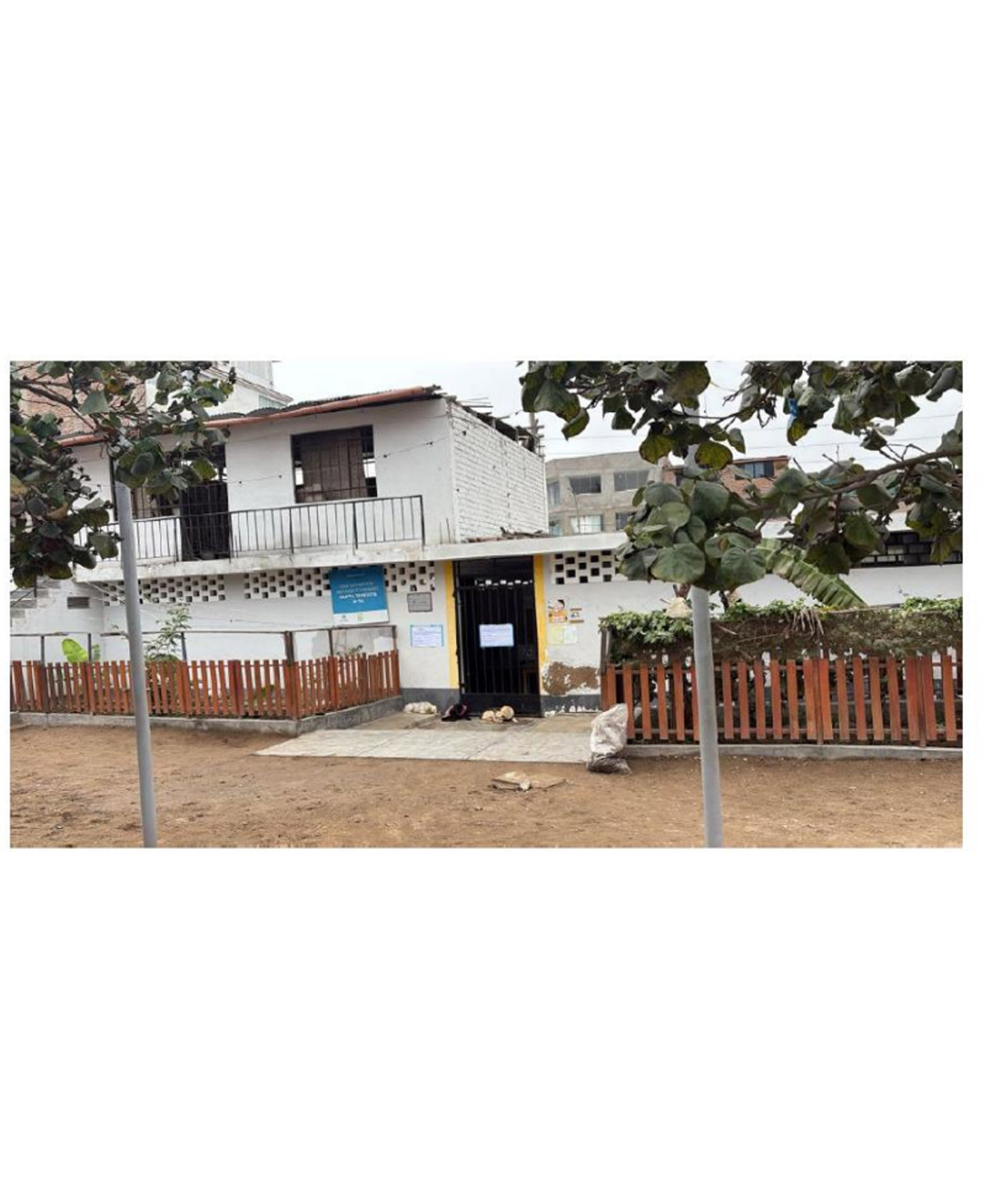
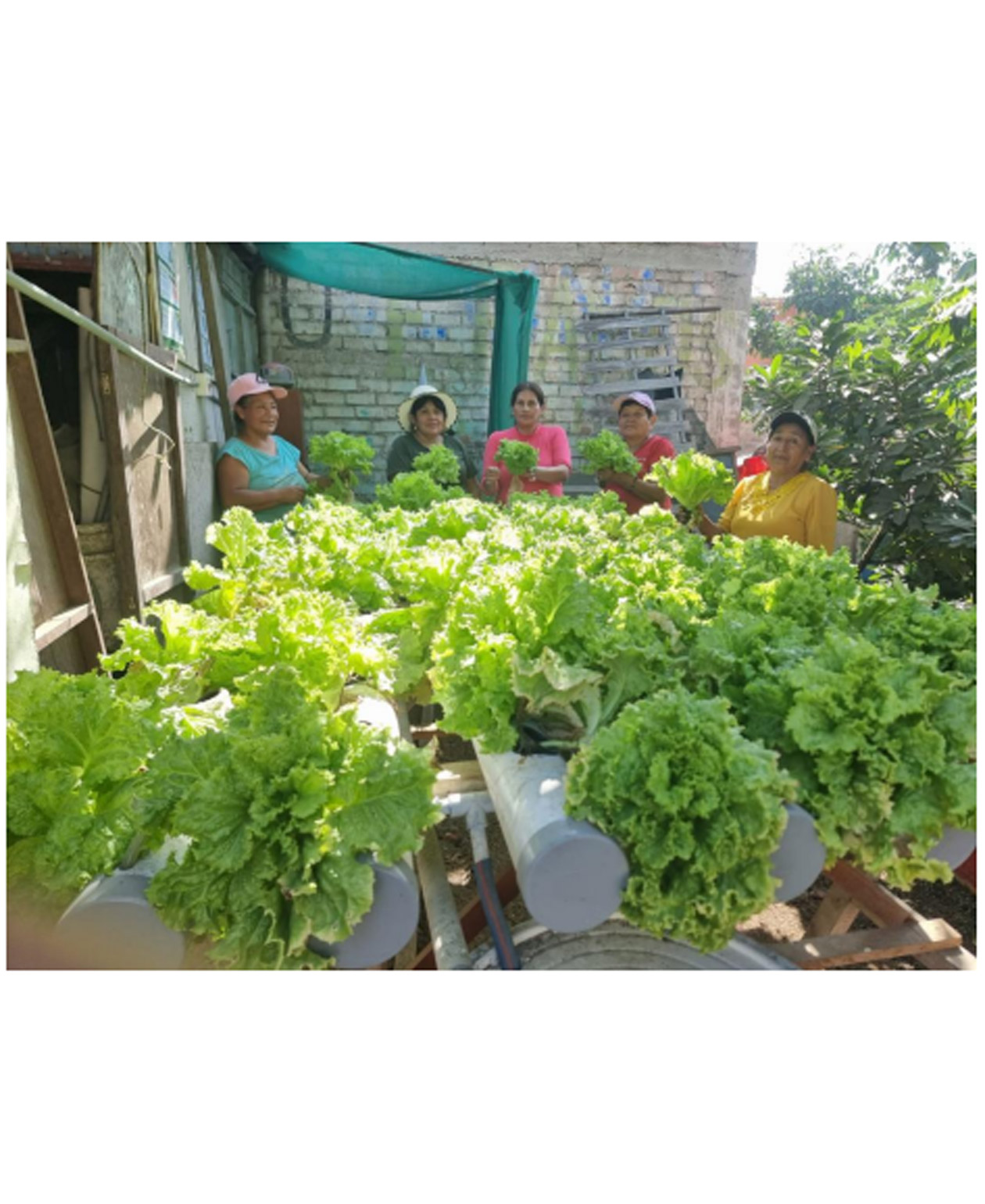
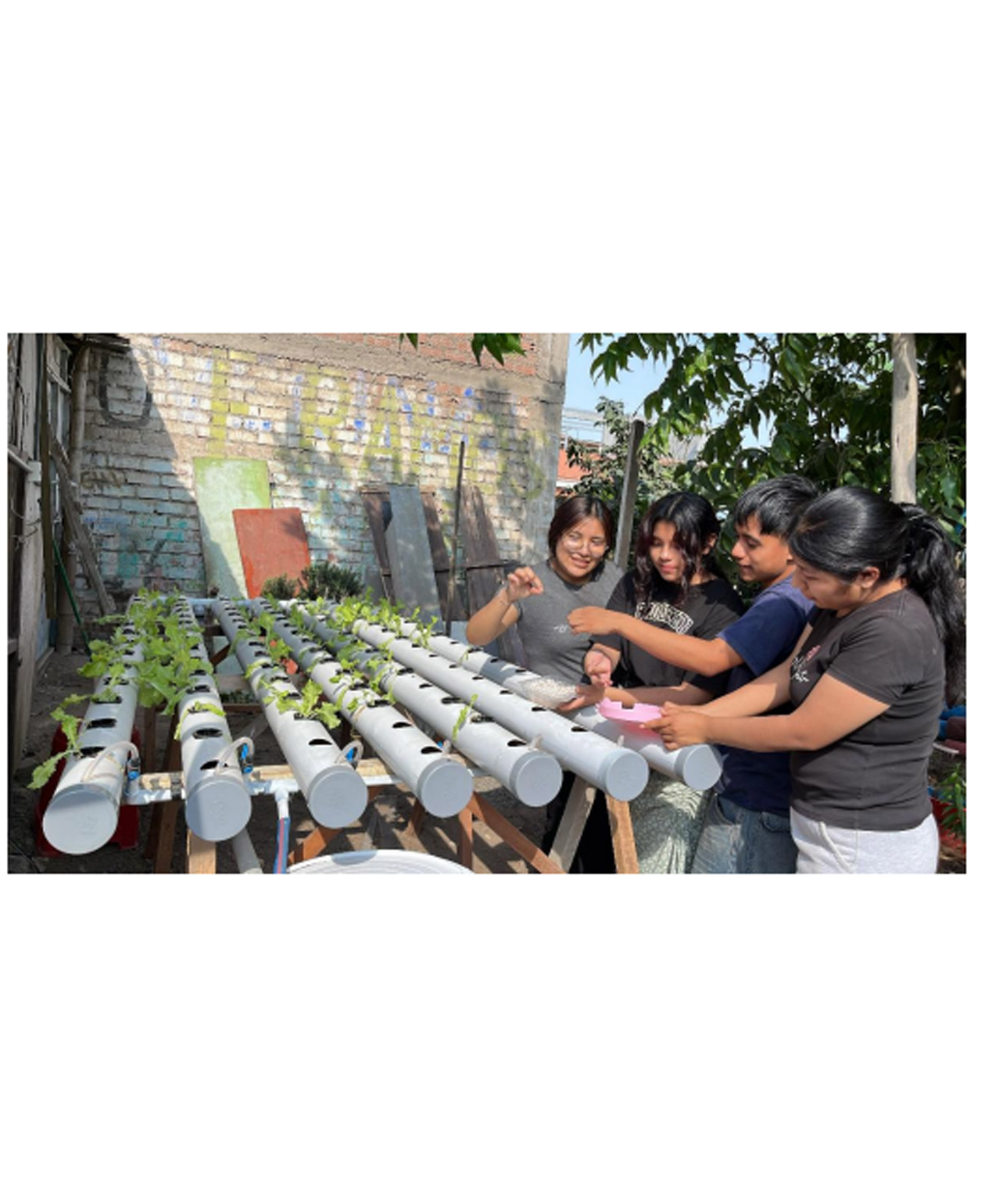
A Community Hydroponic System for Food Security in a Community’s Kitchens is a project that transforms small, underutilized spaces in community kitchens into urban agriculture spaces that produce fresh vegetables. Community kitchens providing meals to low-income and vulnerable groups often have limited space and resources, making it difficult to continuously secure fresh vegetables. This project installed a hydroponic system in the idle space of the kitchen so that pesticide-free lettuce can be directly grown and utilized as an ingredient. It is a method of efficiently utilizing limited space and resources by adding a production function to the space where ingredients are consumed.
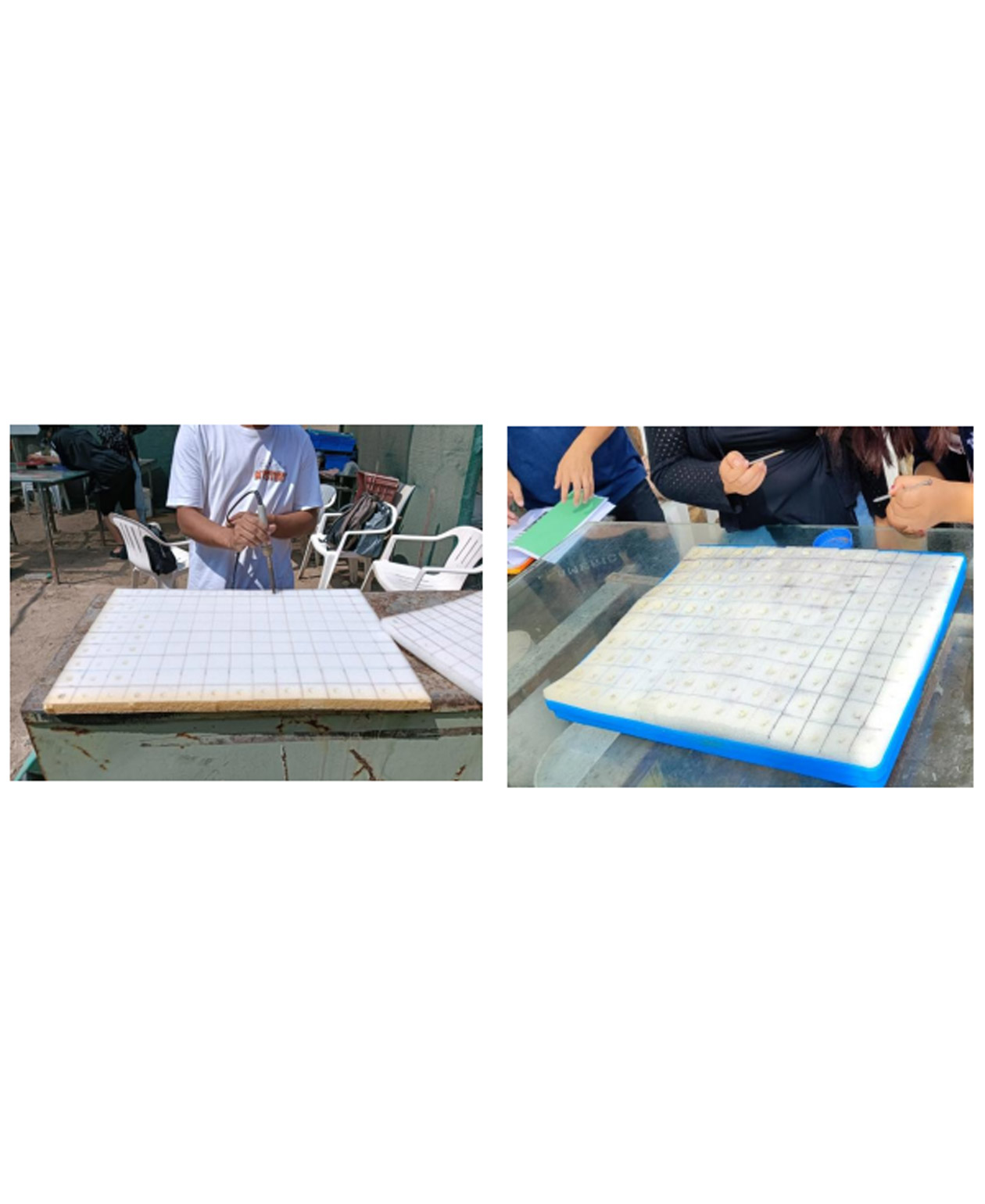
The Nutrient Film Technique (NFT) method was applied for cultivation. It is a hydroponic cultivation method that supplies water, nutrients, and oxygen to plant roots by thinly and continuously circulating nutrient-containing water through cultivation channels. Because it circulates water without using soil, it can efficiently cultivate crops even in narrow spaces while reducing water usage by up to 90% compared to conventional agriculture.
Another feature is that it was designed with a modular structure tailored to the limited environment of community kitchens. It can be installed in small unused spaces, operated and maintained at a relatively low cost, and the system can be expanded according to the required scale. By allowing the configuration to be adjusted according to space size and ingredient demand, it was designed as a system applicable to various kitchen environments rather than a single fixed facility. Through this, part of the necessary vegetables is directly produced at the place where meals are served, continuously securing fresh ingredients and lowering dependence on external supplies.
Practical training on hydroponic cultivation, facility maintenance, and sustainable resource utilization methods is also conducted so that residents can directly operate the system. Participants learn skills necessary for urban agriculture through the process of growing lettuce and managing the system, establishing a foundation for the local community to operate directly without continuously relying on external experts. An important feature of this project is that it connects facilities and education into a single operating system so that users can directly manage and sustain it.
Since it is directly produced at the place where ingredients are consumed, the distance required for agricultural product transportation and the resulting environmental burden can be reduced. In addition, by having residents directly experience the process of producing food with little water and space, it allows them to understand the relationship between water, food, and resource utilization. Through this, it enhances accessibility to fresh vegetables while simultaneously raising regional food security and environmental awareness.
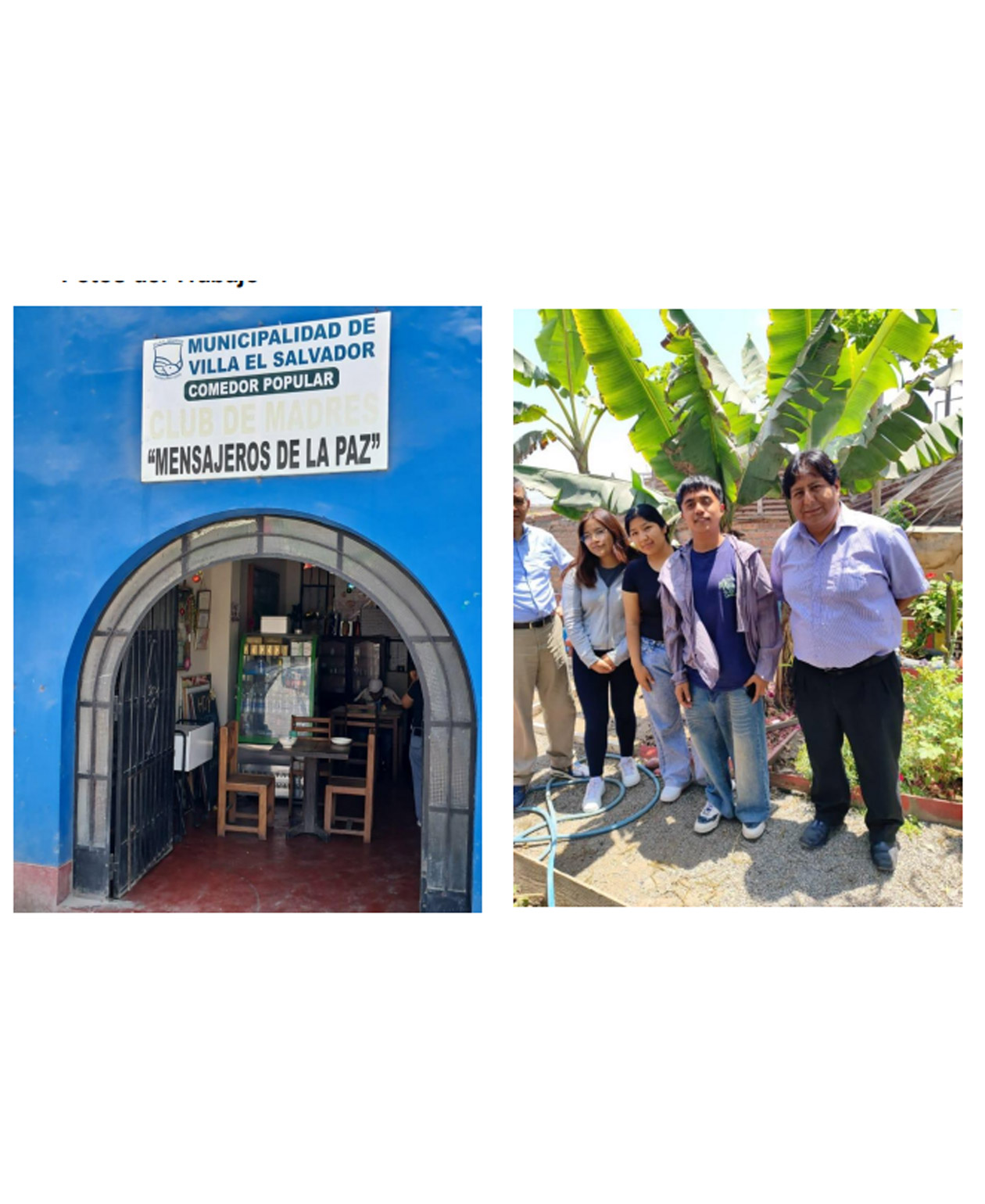
Currently, actual systems are installed and operated in two community kitchens. It demonstrated that fresh lettuce can be grown with up to 90% less water than conventional agriculture even in limited urban spaces, and it is being utilized to provide fresh vegetables for the meals of vulnerable groups using community kitchens. Residents also directly participated in the training and learned the skills to operate and manage the system.
Because this method does not require large agricultural land and can be configured modularly, it can be applied to various regions where space and water are scarce or securing stable ingredients is difficult. Based on locally available materials and resident participation, the scale and configuration can be adjusted to fit the local space and needs. By connecting spatial design, hydroponic technology, and resident participation, it presents a resource-efficient local community agriculture model where small idle spaces in community kitchens are utilized as food production spaces and operated directly by residents.