


WheeLog! A participatory accessibility mapping platform project reducing mobility barriers by crowdsourcing wheelchair users' lived experiences


- Nationality
- Japan
- Group
- WheeLog
About Project
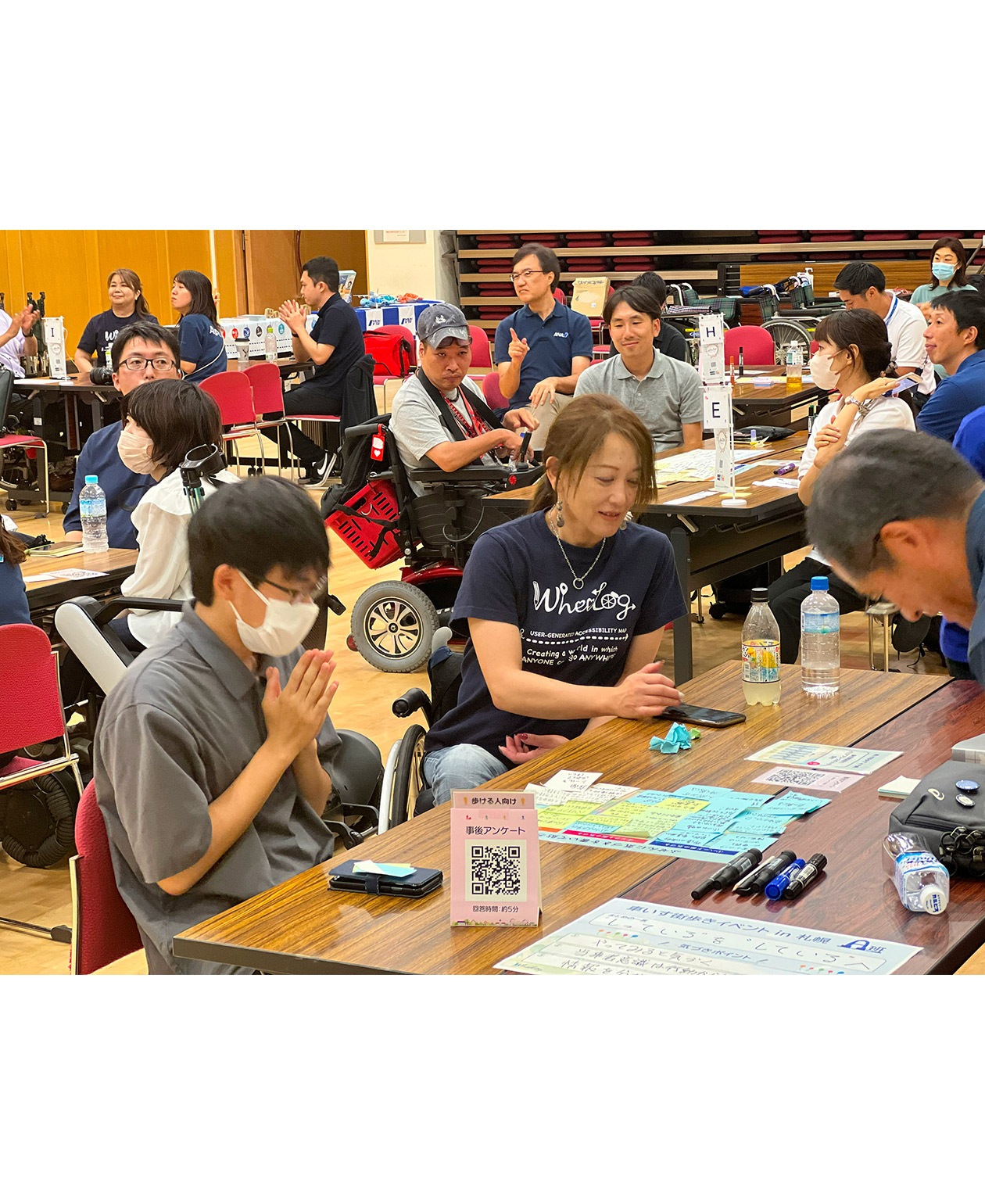
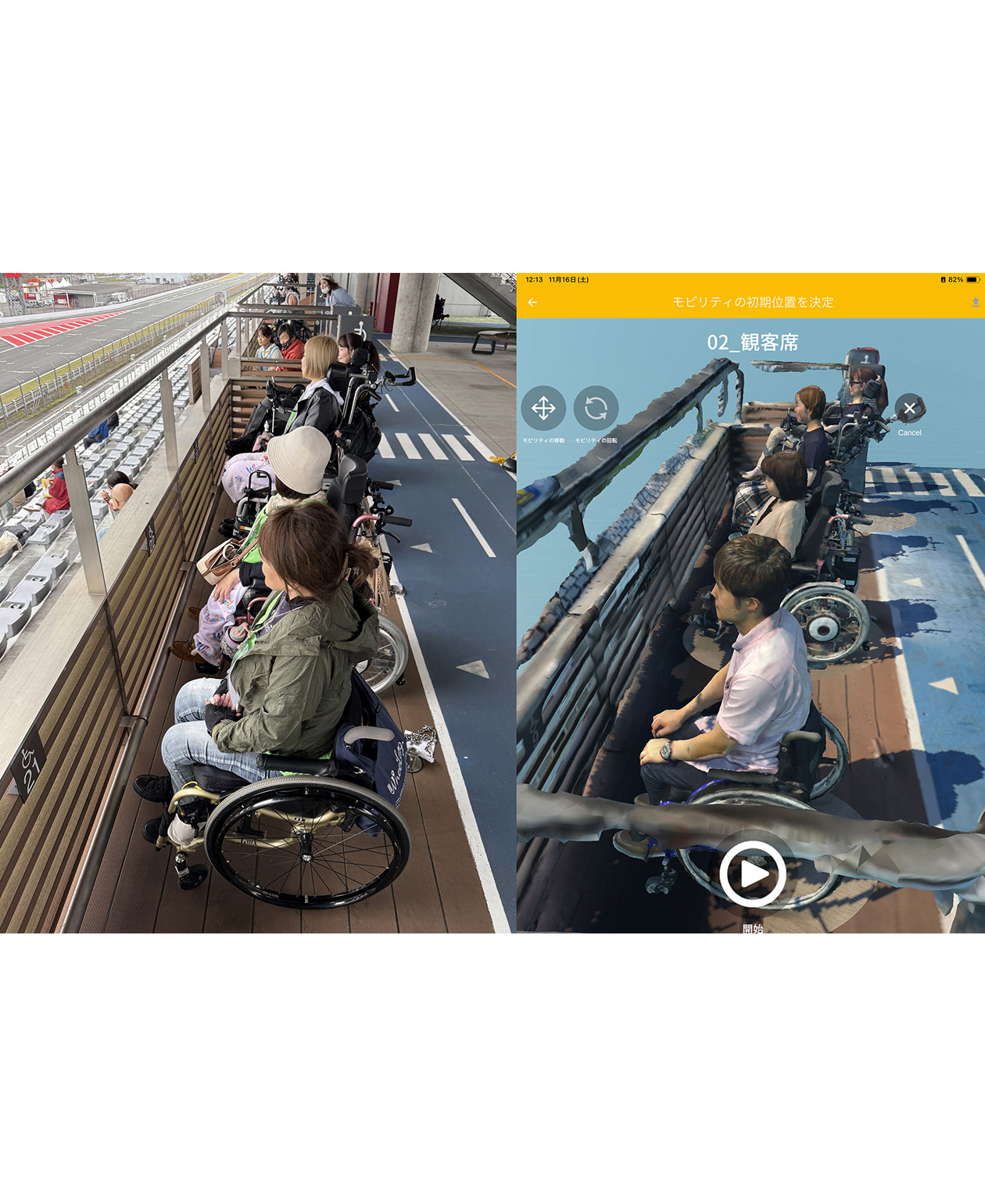
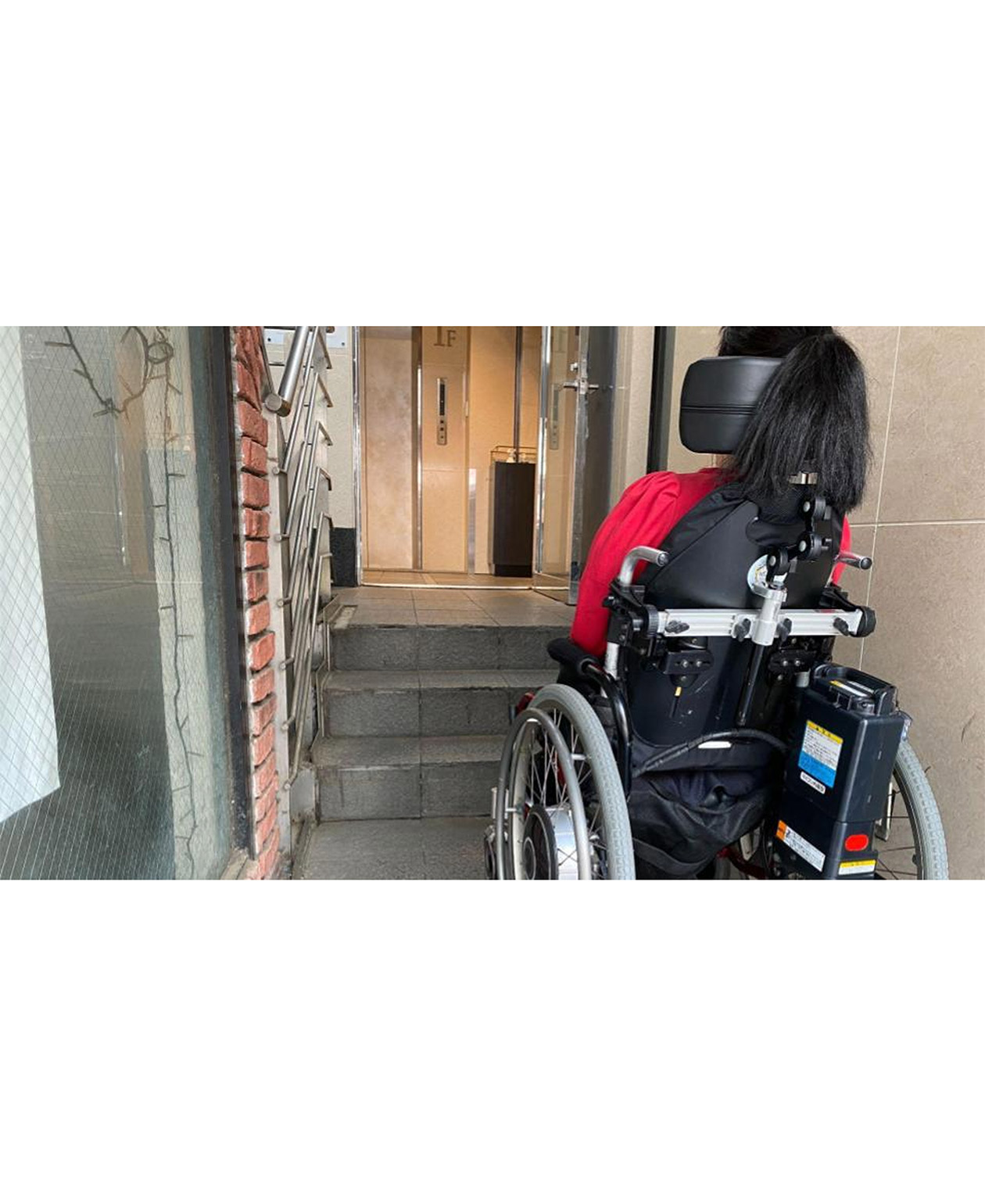
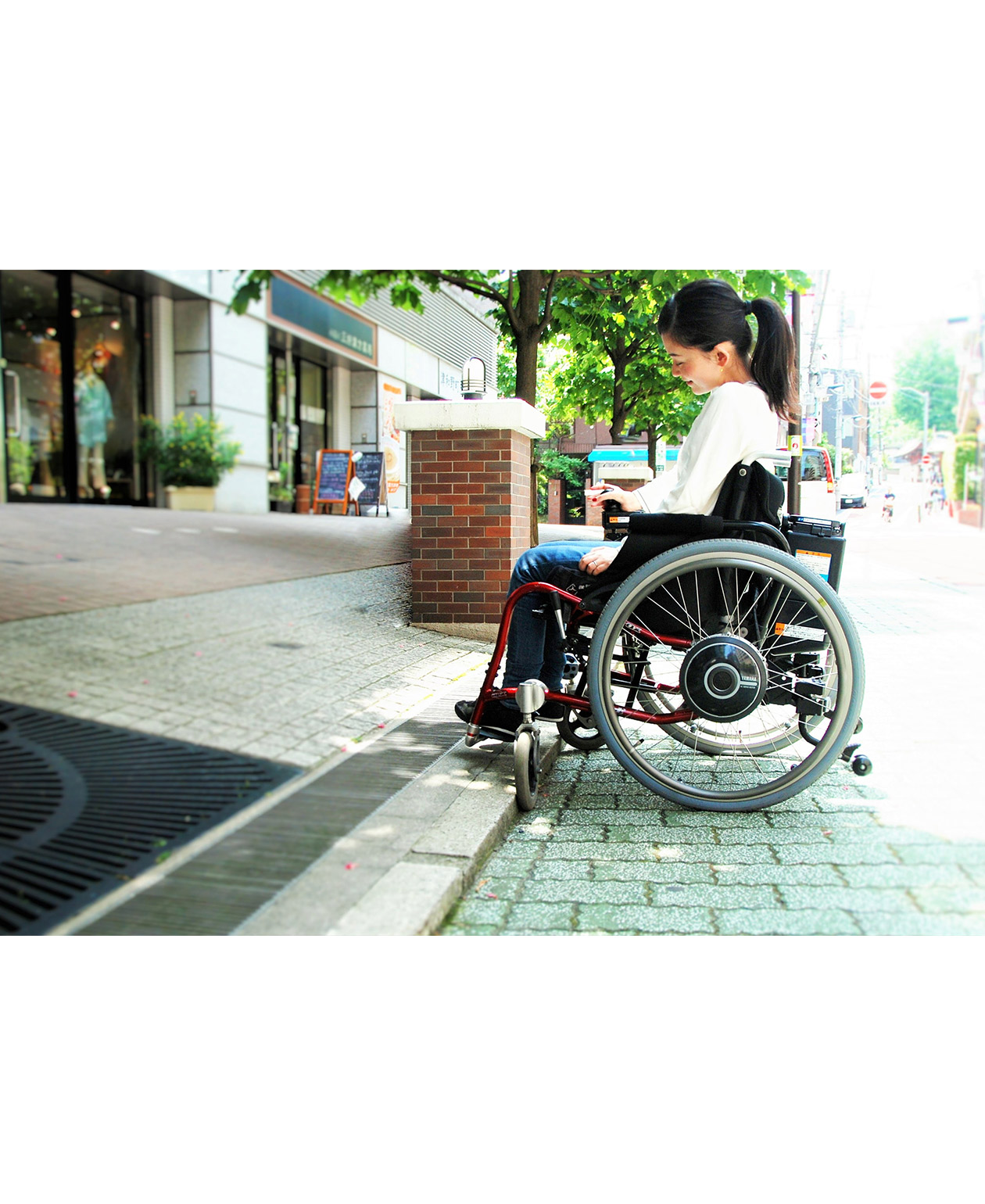
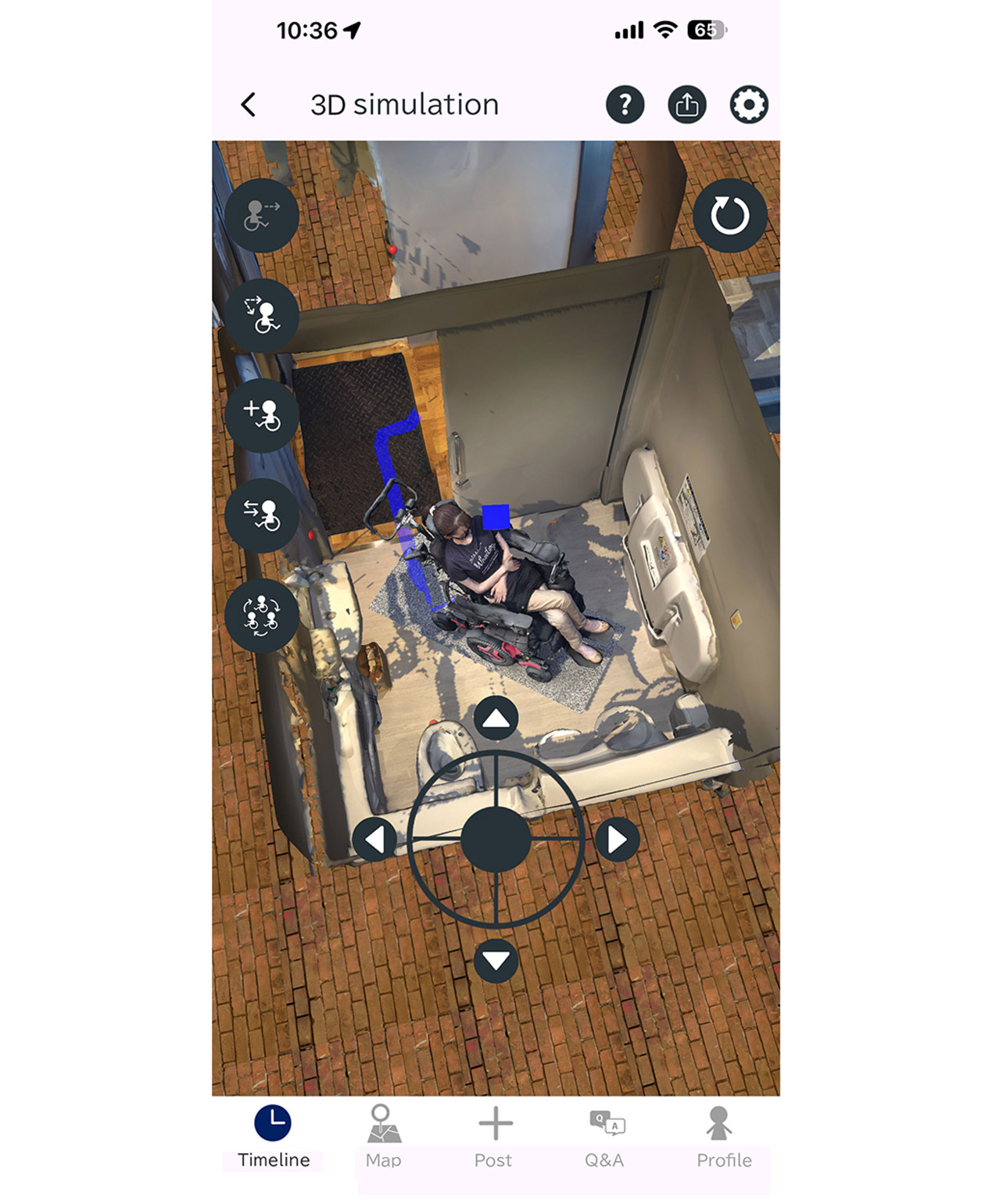
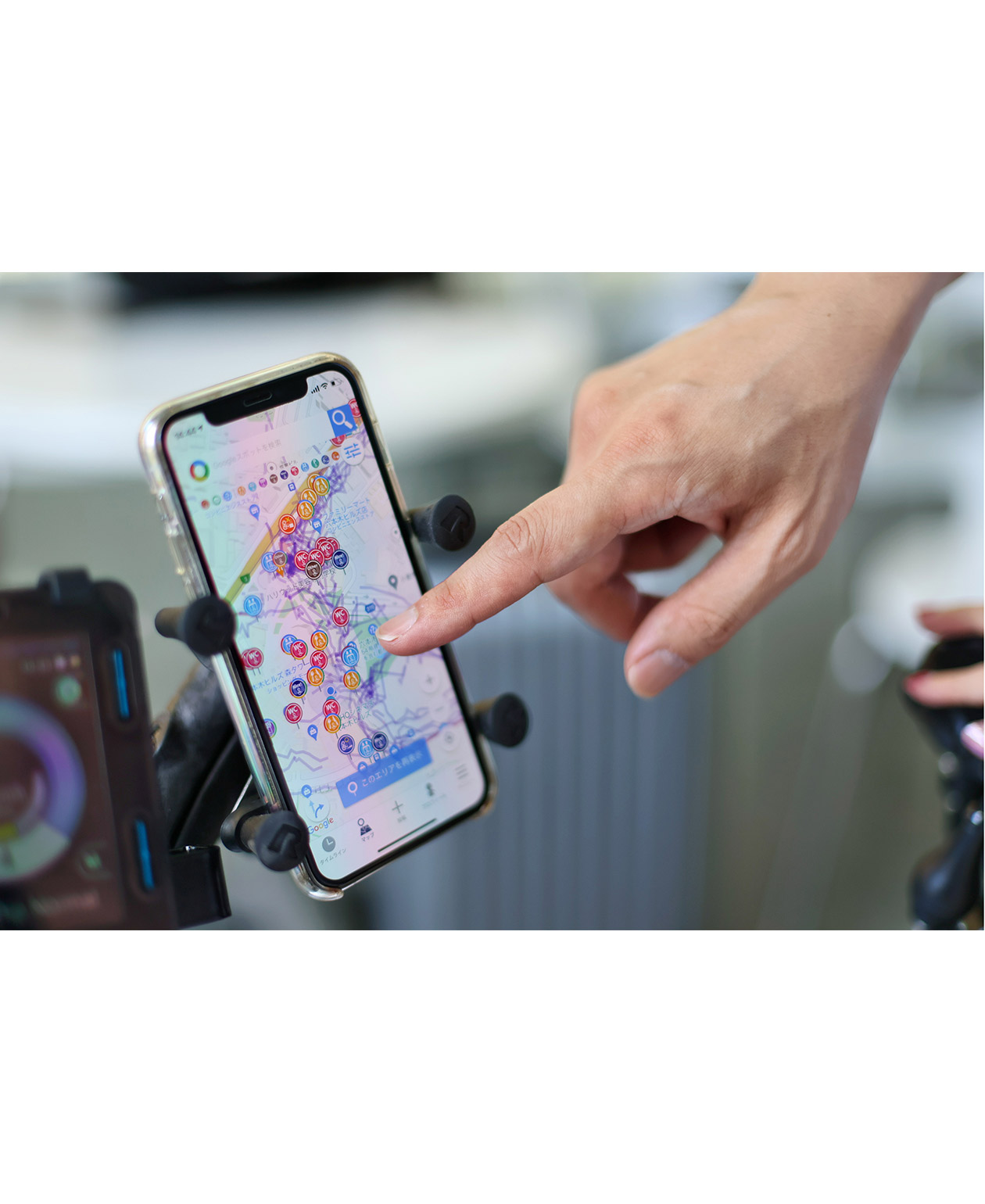
WheeLog! is a community-driven accessibility platform where wheelchair users and people with mobility challenges directly record and share barrier-free facilities and movement path information on a map. By having people with mobility challenges directly document information such as daily stairs, slopes, and accessible facilities, it helps others move while utilizing the accumulated data to improve urban accessibility. Rather than relying on experts or administrative agencies to unilaterally provide information, its distinct characteristic is that citizens who actually experience mobility build urban information together.
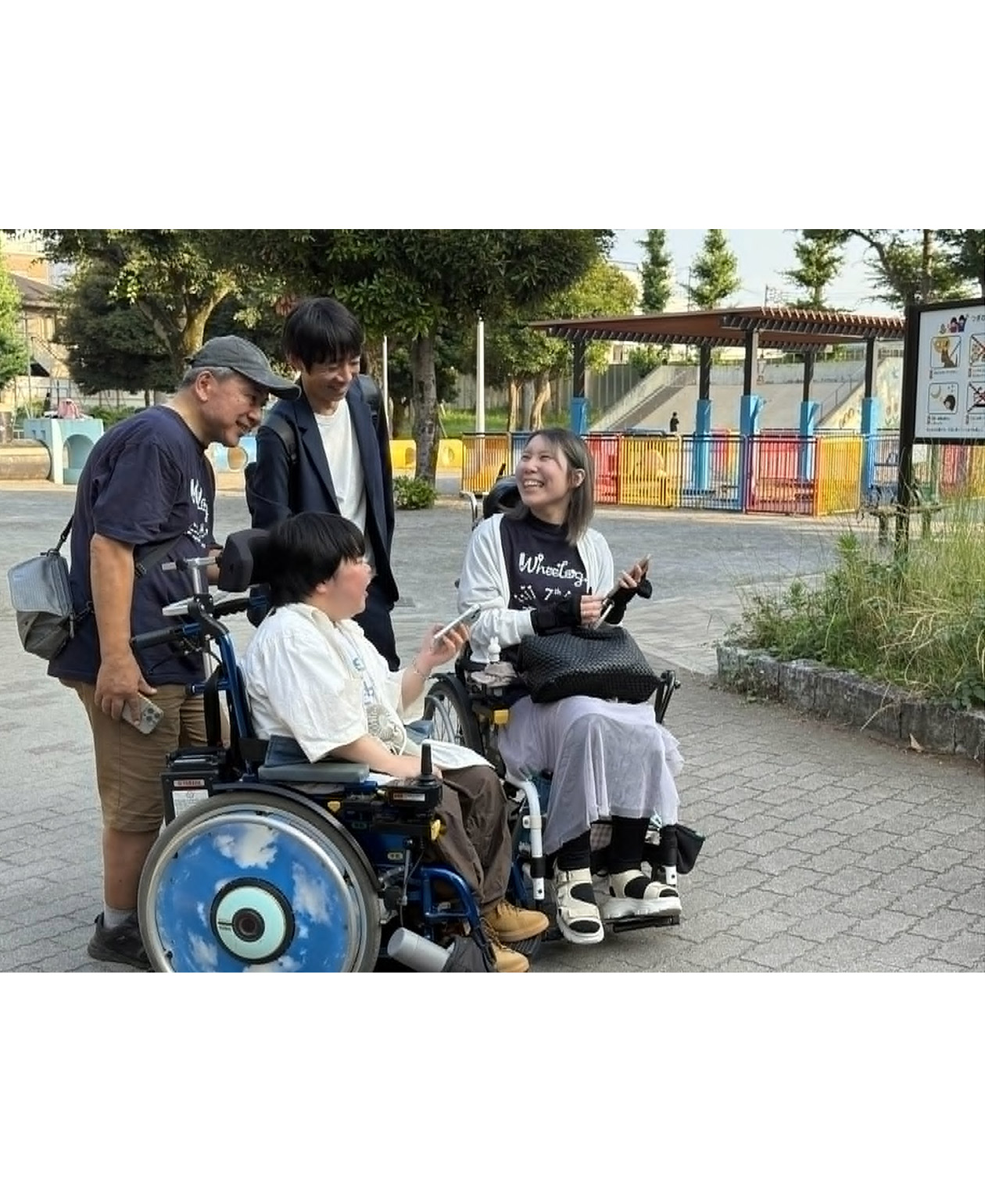
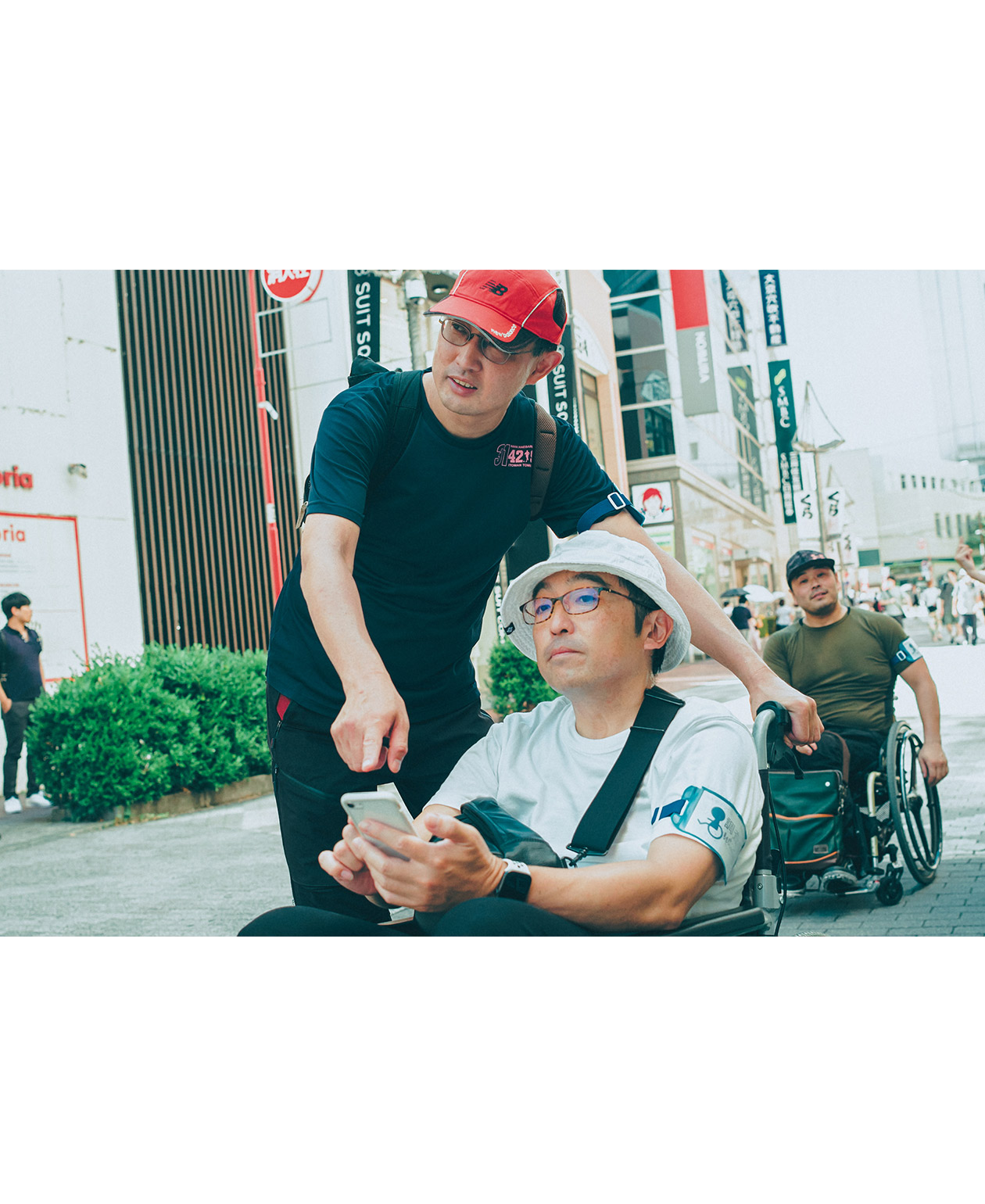
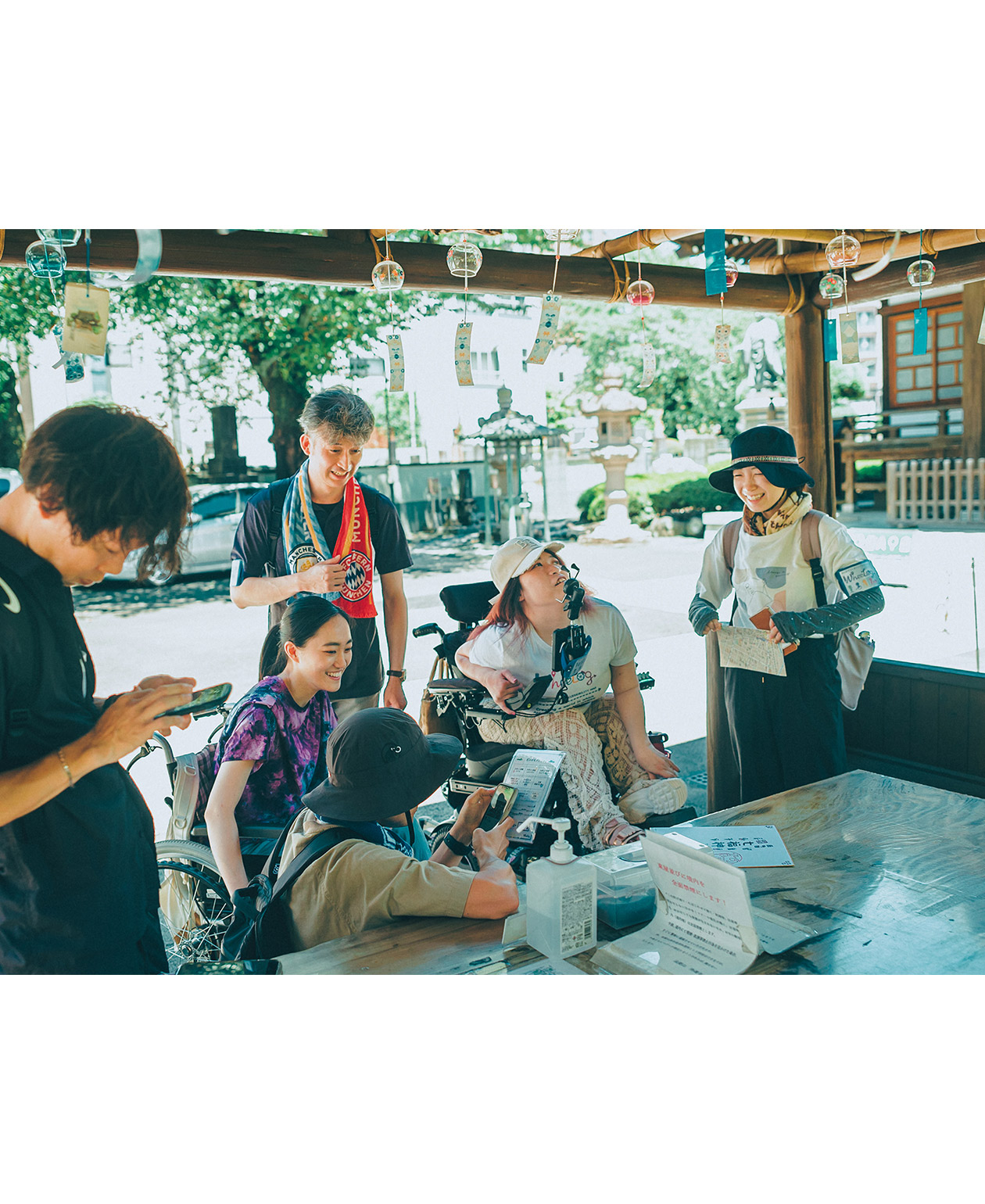
To encourage citizen participation, crowdsourcing and gamification methods are combined for accessibility information collection. By turning the activity of recording physical barriers and accessible places discovered while navigating the city into an engaging collective mission, it transforms simple awareness of accessibility issues into active participation. Citizens collect and share information during their daily travels, newly recognizing the physical barriers of the city they usually pass by. By designing the information-collection process itself as an engaging experience, it drives continuous citizen action.
Another core element is transforming personal mobility experiences into searchable and actionable data. By accumulating individual real-world mobility experiences as structured information, personal insights become a public resource that helps other users navigate. The accumulated data serves as a foundation that can be linked with future smart-city systems, providing real user-perspective information necessary for understanding and improving urban accessibility.
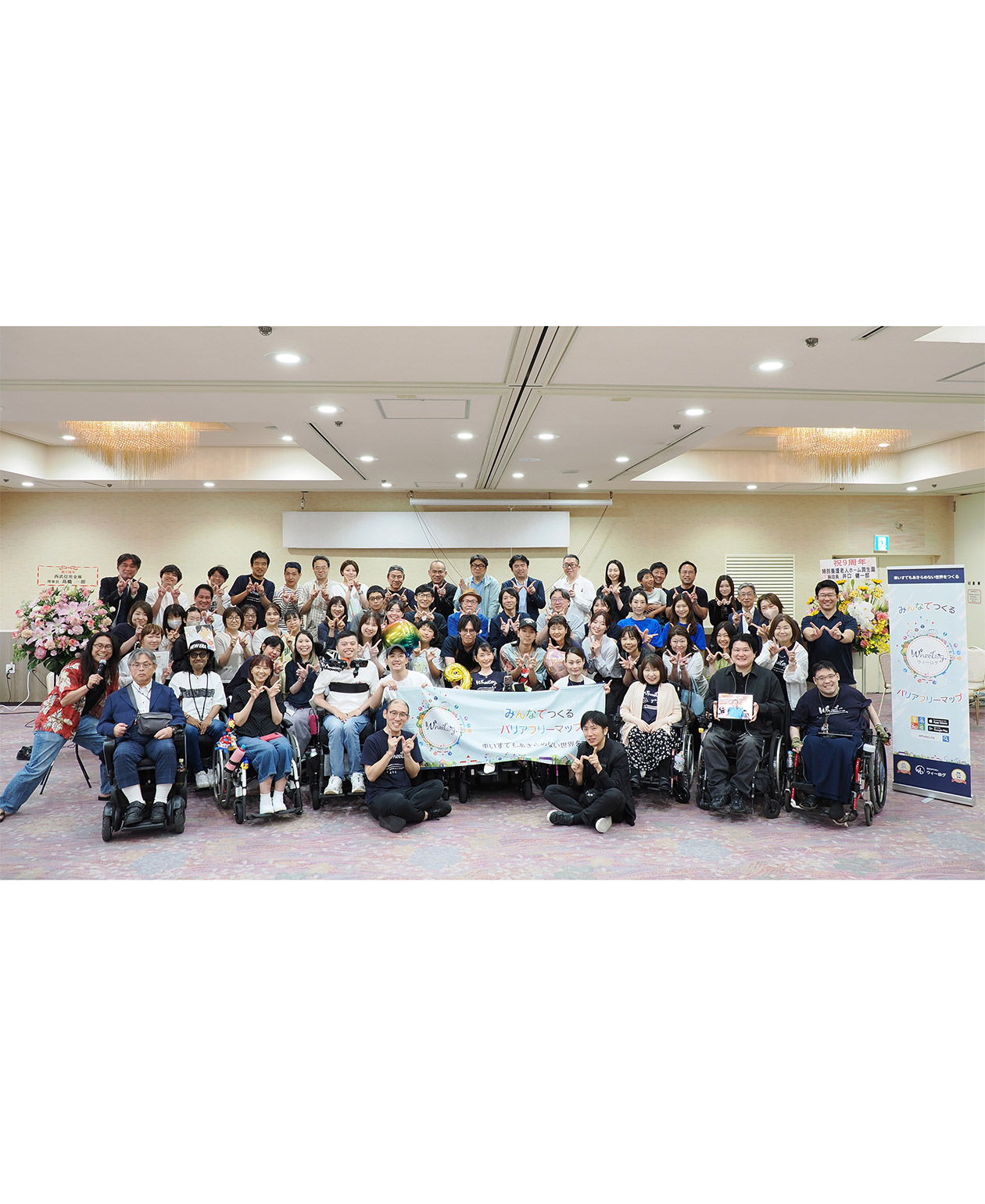
WheeLog! demonstrates a bottom-up social design approach where communities and citizens directly create urban accessibility information, moving away from top-down policy imposition. It transforms people with mobility challenges from passive service beneficiaries into active co-creators of the urban environment, connecting personal lived experiences with data to jointly build a more inclusive urban environment.
Through a crowdsourced gamification approach where citizens participate like a game, WheeLog! has accumulated over 260,000 downloads and 68,000 spot information entries. This participation and data spread the recognition that accessibility is not an issue limited to a specific group, but a civic task to be solved together, serving as a foundation for changes in urban planning and public policy. It demonstrates the potential of universal UX design that transforms individual mobility experiences into citizen participation and data, reconnecting them as resources for future urban transformation.