


A sustainable design project turning endangered species stories and recycled materials into functional daily tools for circular living. A sustainable design project turning endangered species stories and recycled materials into functional daily tools for circular living


- Nationality
- Korea, Republic of
- Group
- PIGLAB
About Project
PIGLAB’s “Small Things, Big Stories” is a sustainable daily design project started to reduce this disconnect. Instead of delivering messages through a separate environmental campaign, it embeds stories of nature, living creatures, and resource circulation into everyday tools used daily. It is structured so that the product's shape, function, and material itself convey stories about the environment, connecting the act of use into an experience of sustainability.
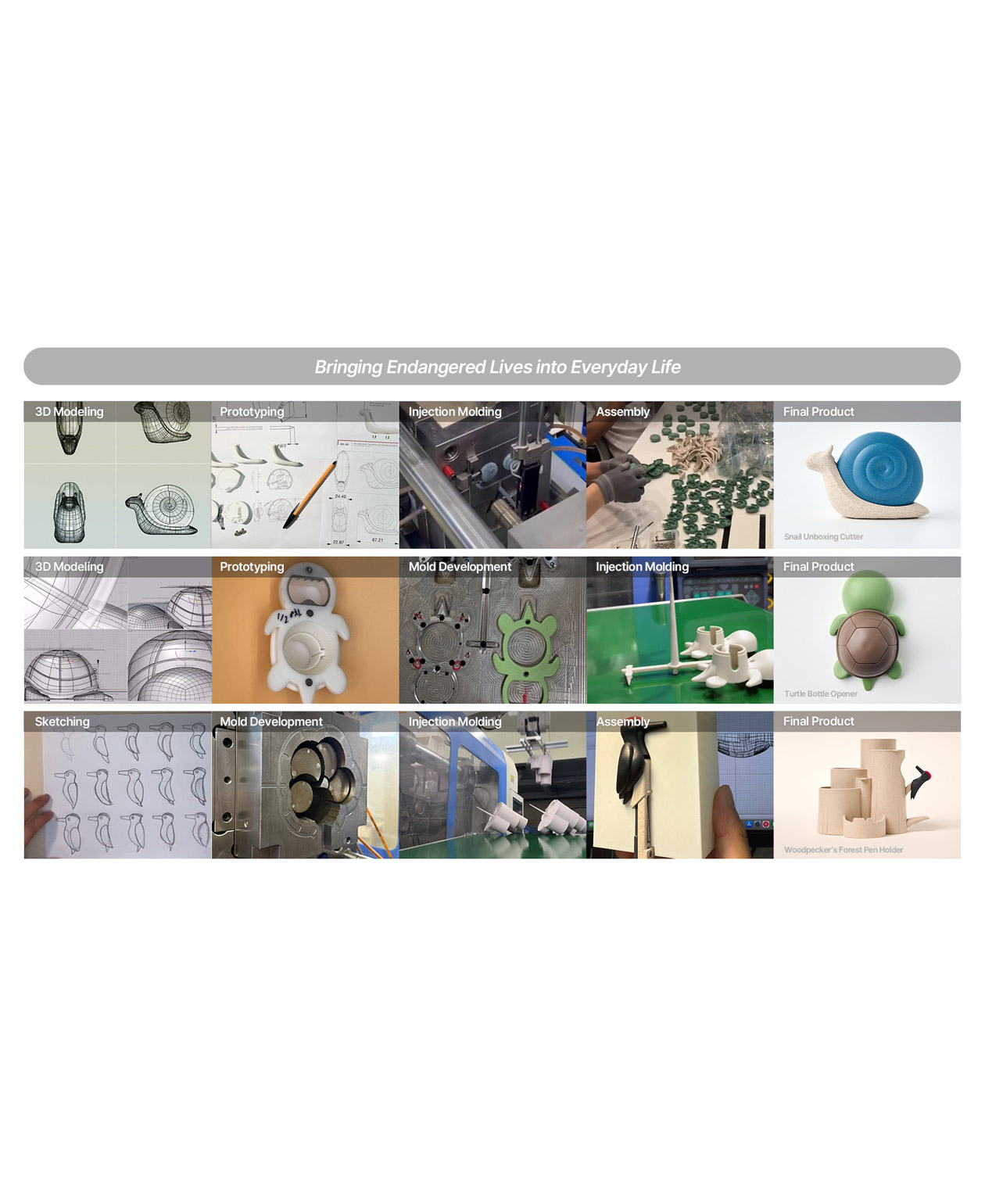
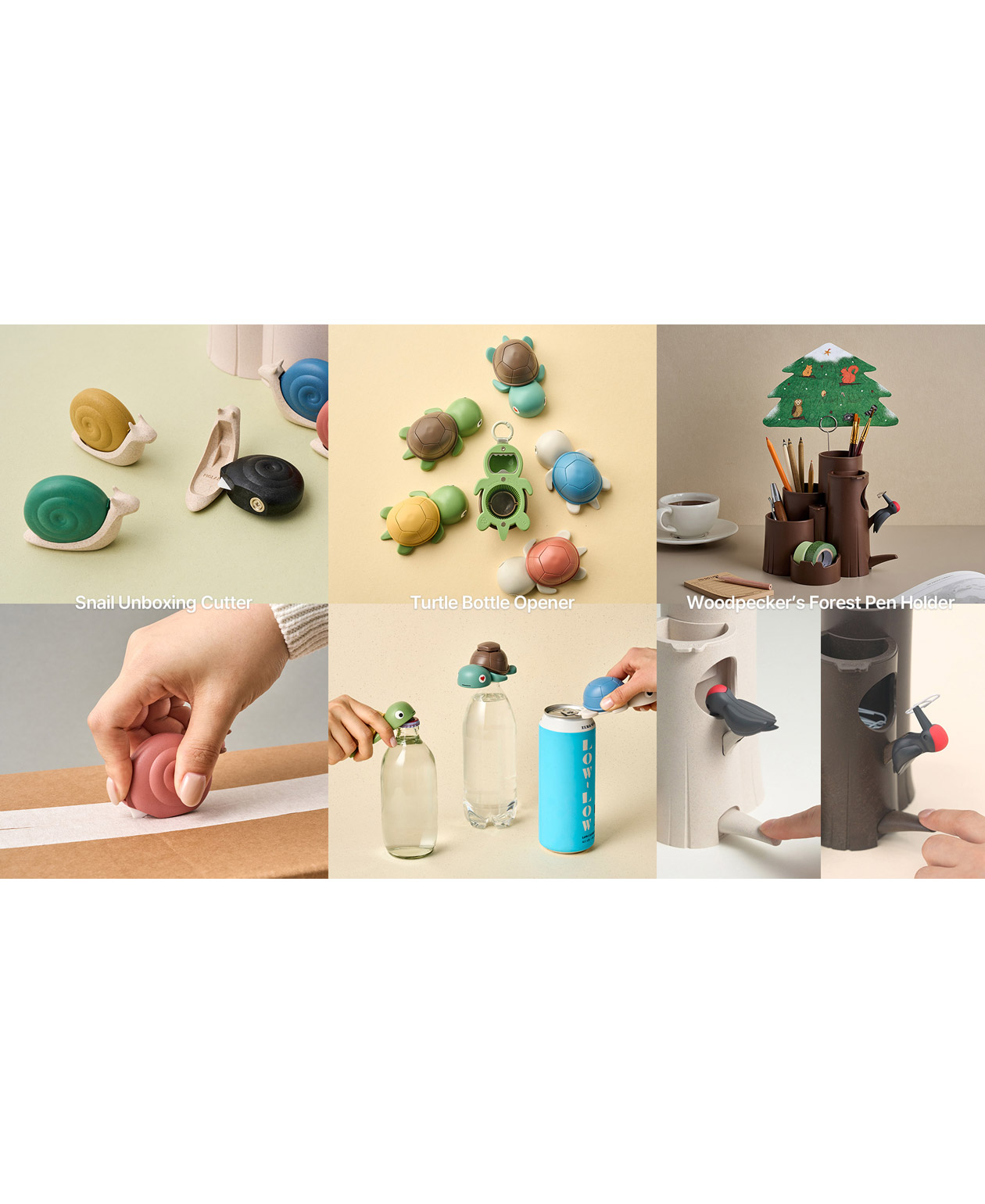
The Snail Unboxing Cutter, Turtle Bottle Opener, and Woodpecker’s Forest Pencil Holder connect to repeated daily routines of opening delivery boxes, opening bottles or cans, and organizing desks. While unraveling the characteristics of endangered animals into friendly product shapes and functions, it connected environmental issues related to each animal with recycled materials. Users naturally encounter the issues of disappearing creatures and discarded resources in the process of conveniently using familiar objects.
This project provides useful functions and friendly user experiences to people, enabling anyone to easily practice sustainable choices in their daily lives. At the same time, it reuses discarded resources and raises interest in biodiversity. Rather than demanding grand actions, it connects sustainable choices into daily habits through small, useful objects that people want to keep by their side and use for a long time. Its characteristic is combining environmental messages with product usability so that users naturally encounter them within repeating daily routines without consciously performing special actions.
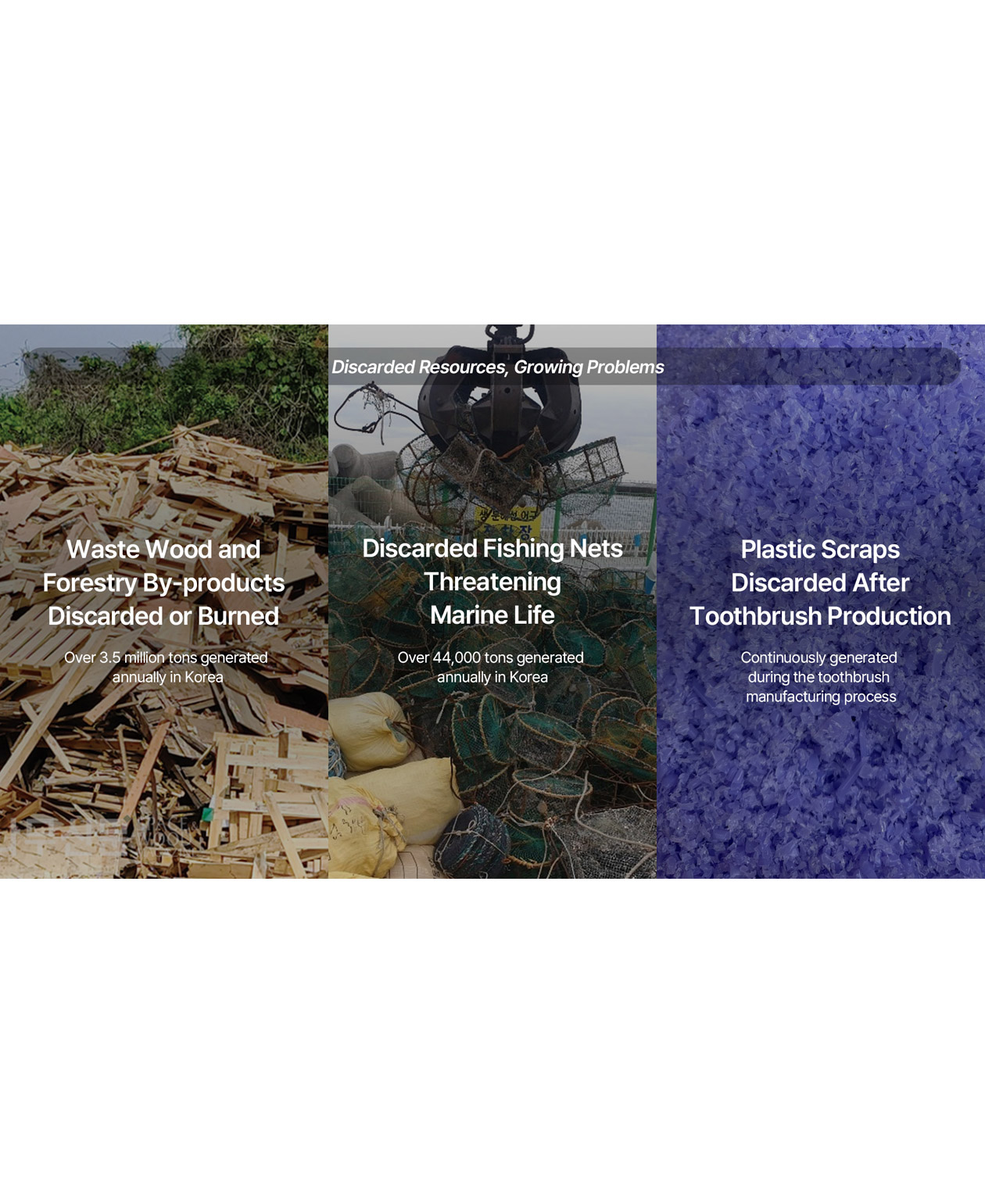
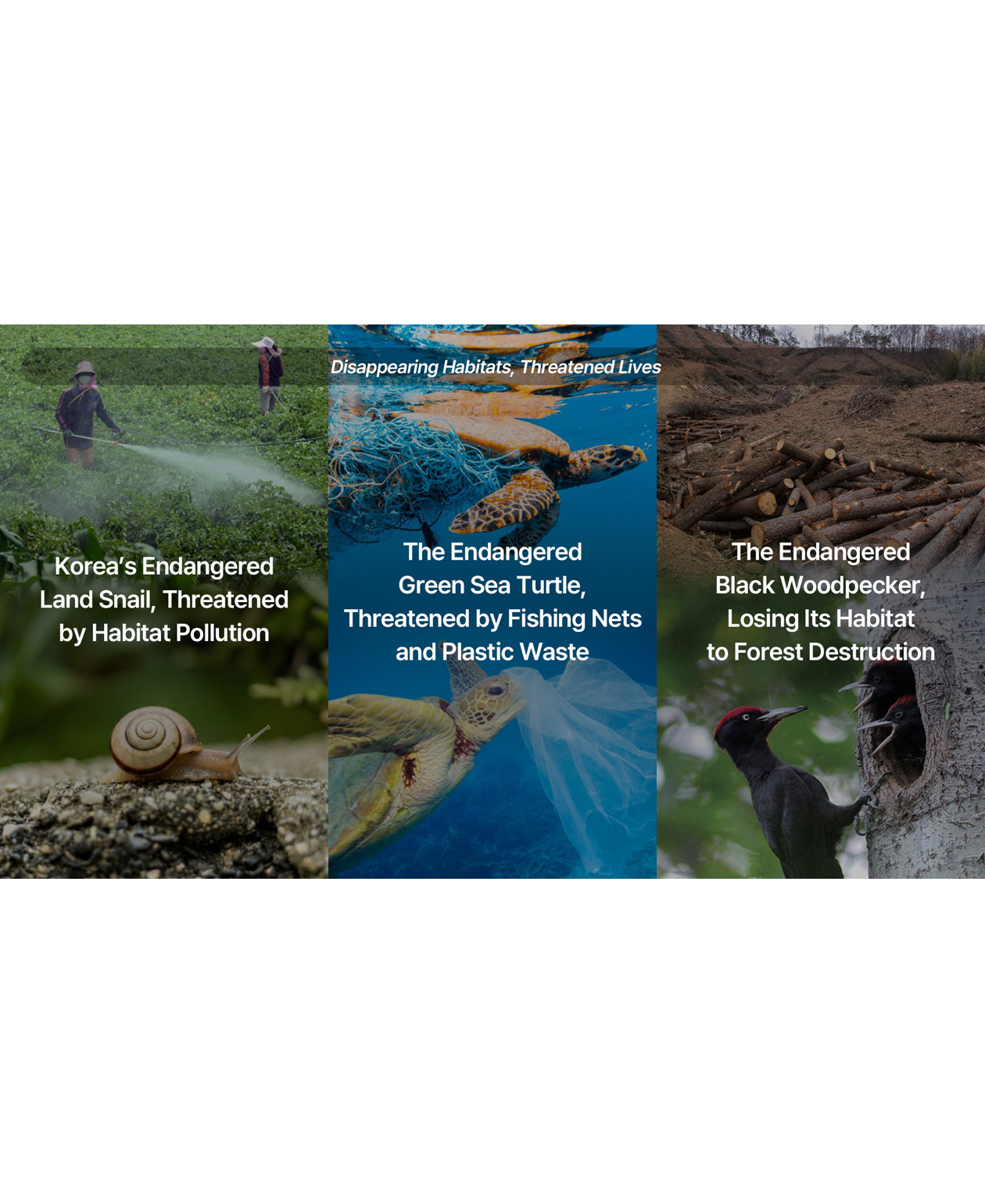
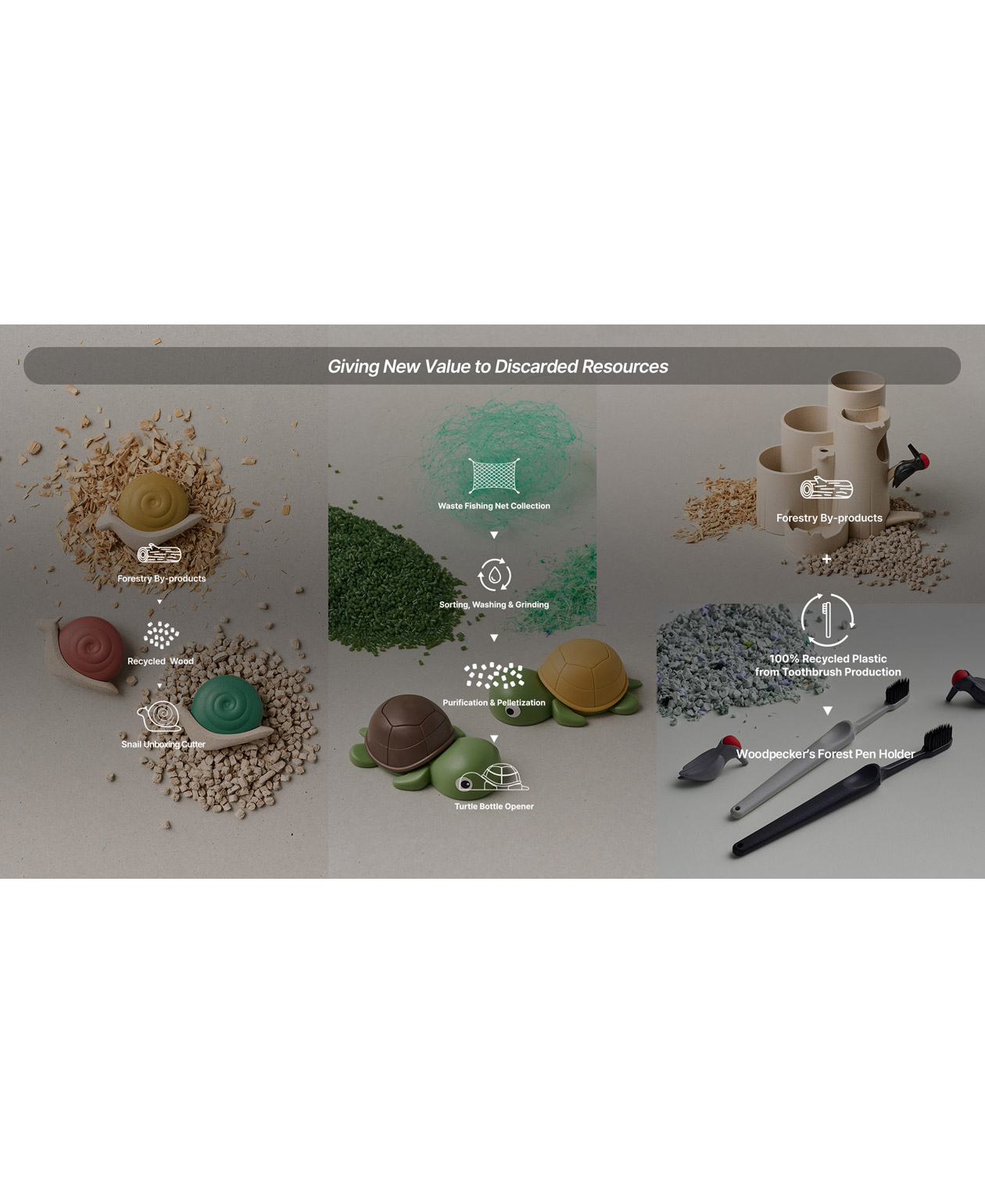
PIGLAB focused together on the points that endangered animals are easily forgotten in people's memories and that reusable resources are discarded or incinerated. To solve this, we captured the characteristics and stories of endangered animals into everyday tools and used recycled materials whose meanings connect to each product. Korea's endangered land snail was made into a safe unboxing cutter utilizing waste-wood-based biomaterial, and the endangered green sea turtle was made into a bottle opener using nylon material recycled from discarded fishing nets. The endangered black woodpecker was produced as a desk organizer utilizing plastic waste generated during toothbrush production. By going beyond expressing biological stories in appearance and connecting them to the product's purpose and materials, the shape, function, and material form a single story. Users remember disappearing creatures while using these objects daily and experience the process where discarded resources circulate into new products.
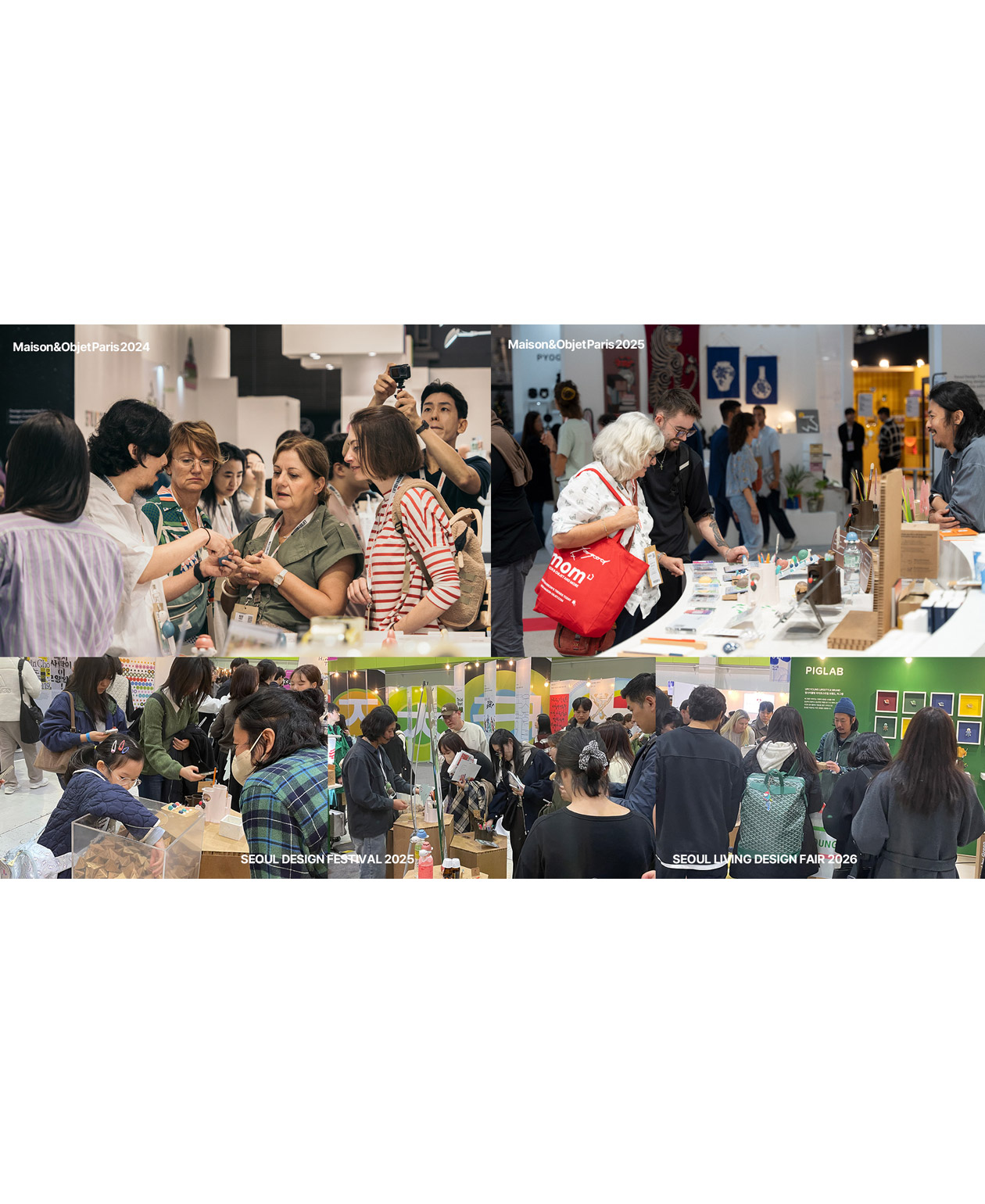
It also shows that sustainable products can become familiar daily tools used repeatedly every day, rather than difficult or expensive special items. The Snail Unboxing Cutter has sold over 100,000 units, and PIGLAB products have raised over KRW 120 million through Tumblbug crowdfunding. In addition, we are meeting diverse users through exhibitions and more than 22 domestic and international distribution channels, including the MoMA Design Store and the National Museum of Modern and Contemporary Art (MMCA) Shop. It is a case showing that products equipped with both environmental significance and practicality can lead to actual consumer choices. Considering that product production itself can burden the environment, we continue our environmental responsibility by donating to nine environmental organizations, including '1% for the Planet'.
Moving forward, the goal is to expand beyond a single product series into a sustainable daily design platform. Through the 'Forest Project' and 'Ocean Project', we plan to connect stories of diverse living things and circular materials to new household goods, and develop stories of more endangered species into practical, long-lasting products. We also plan to expand contact points with users in various regions around the world through overseas distribution and exhibitions. It is expanding the method of connecting biological stories, environmental issues, and circular materials into the shape and function of everyday products across diverse items. The goal of this project is to allow sustainable choices to naturally follow within daily life using small, useful objects rather than delivering environmental issues as burdensome messages.