


Adaptive Brush Set for People with Cerebral Palsy A modular brush set project enhancing the painting experience for individuals with cerebral palsy through user-centred design


- Nationality
- Spain
- Individual
- Luz Moya Ibáñez
About Project
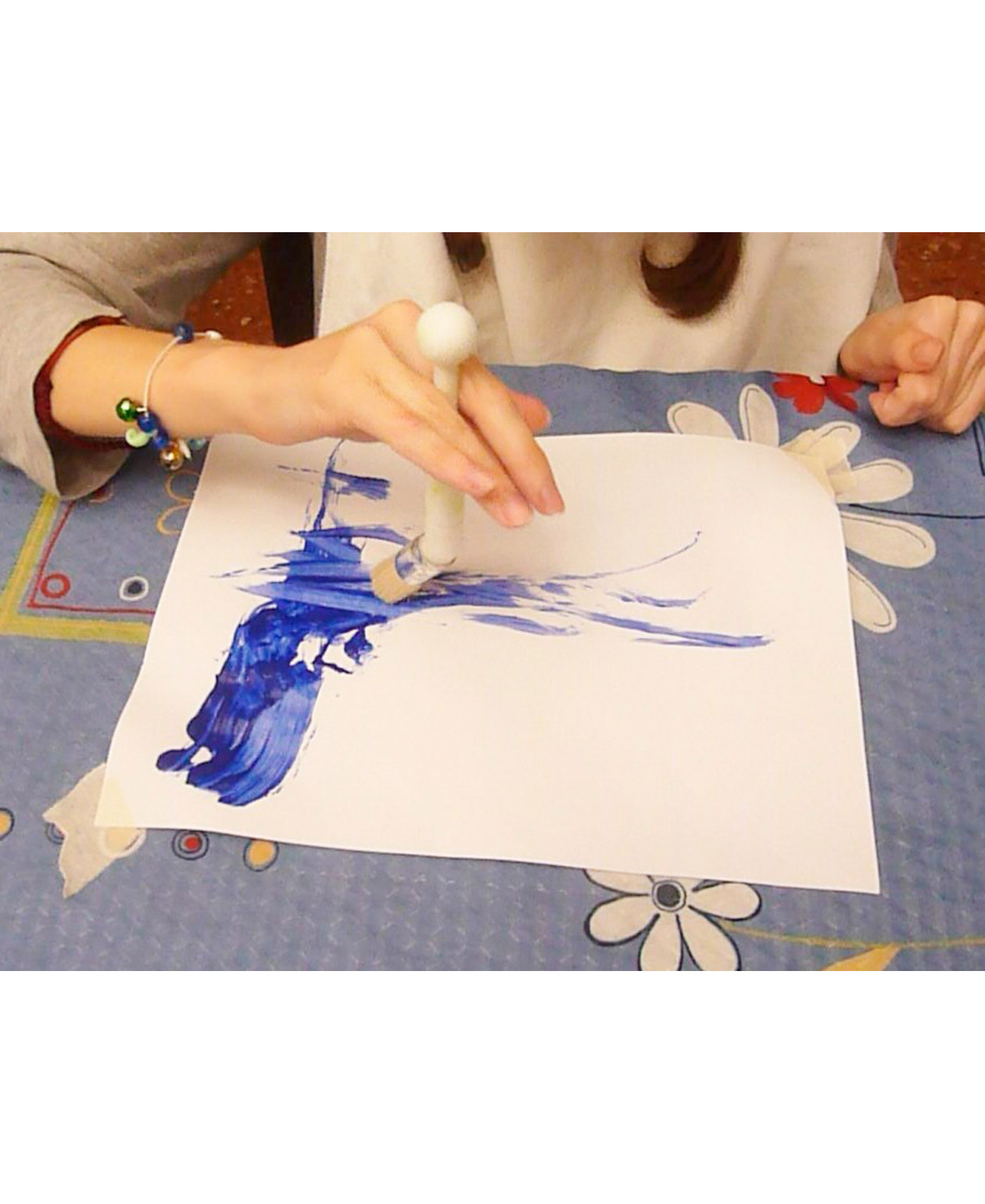
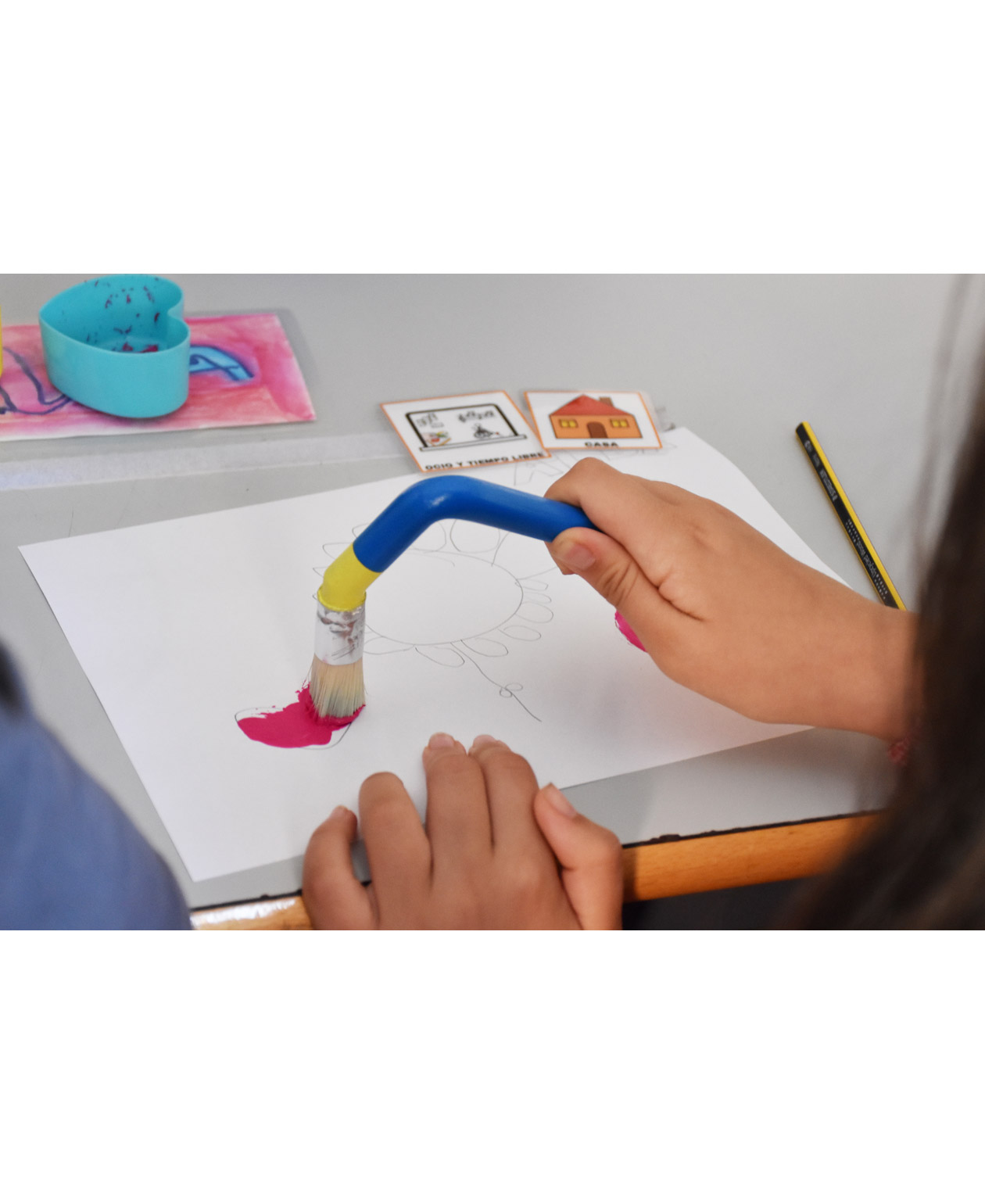
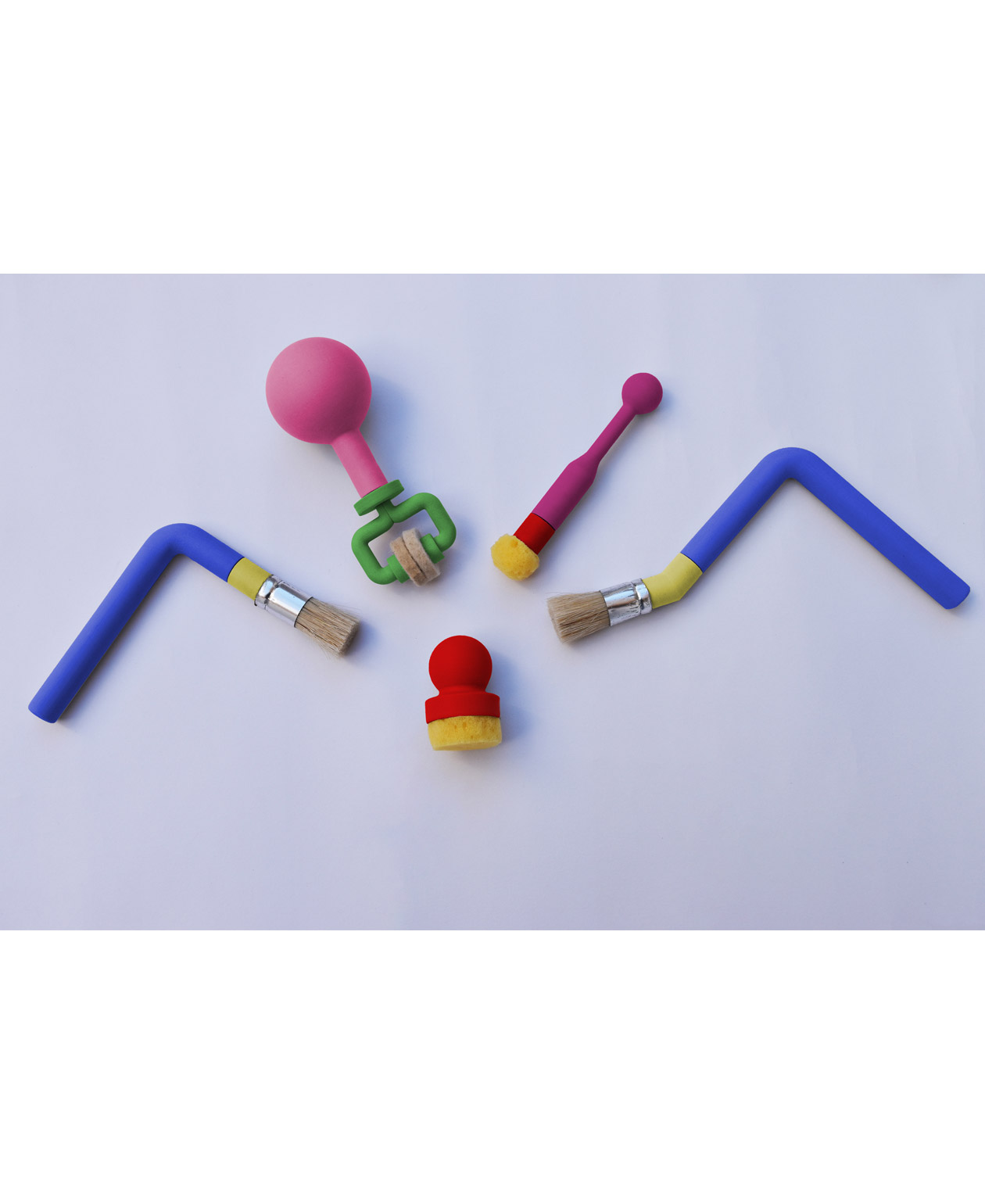
This social design project introduces an accessible and adaptable painting tool system specifically designed for individuals with motor impairments, such as cerebral palsy. Traditional tools often exclude those with limited mobility, creating barriers in artistic expression and cognitive development. By prioritising inclusive ergonomics, this system bridges the gap between creativity and physical limitations, enhancing social inclusion and personal autonomy. The design ensures that creative and educational environments become fully accessible, encouraging equal opportunities without stigma. Additionally, the system's modular nature extends the product's lifecycle and minimises environmental impact, applying circular economy principles and sustainable material choices. The goal is to guarantee that a standard activity can be practised by everyone, proving that industrial design can eliminate physical barriers and improve overall well-being.
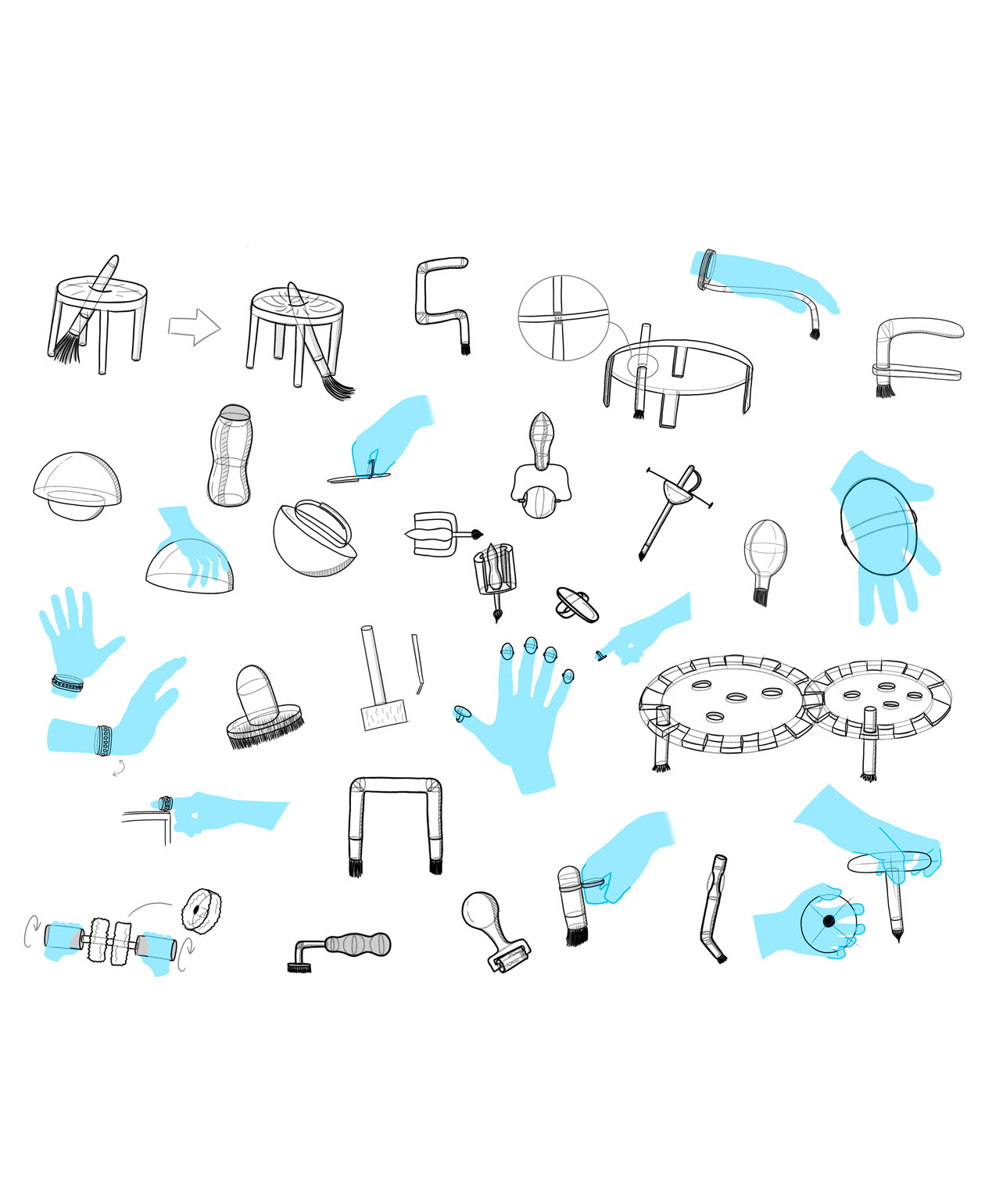
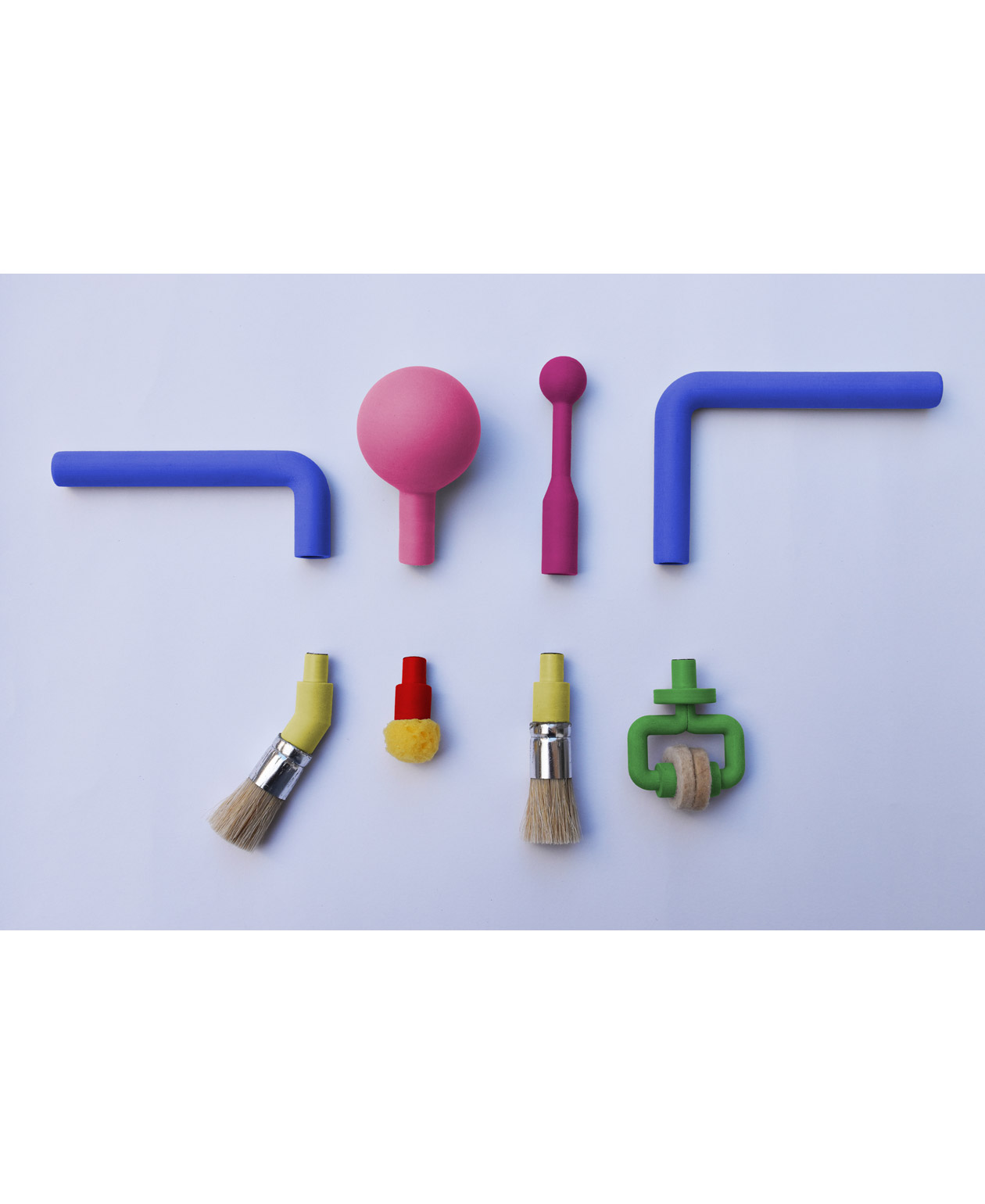
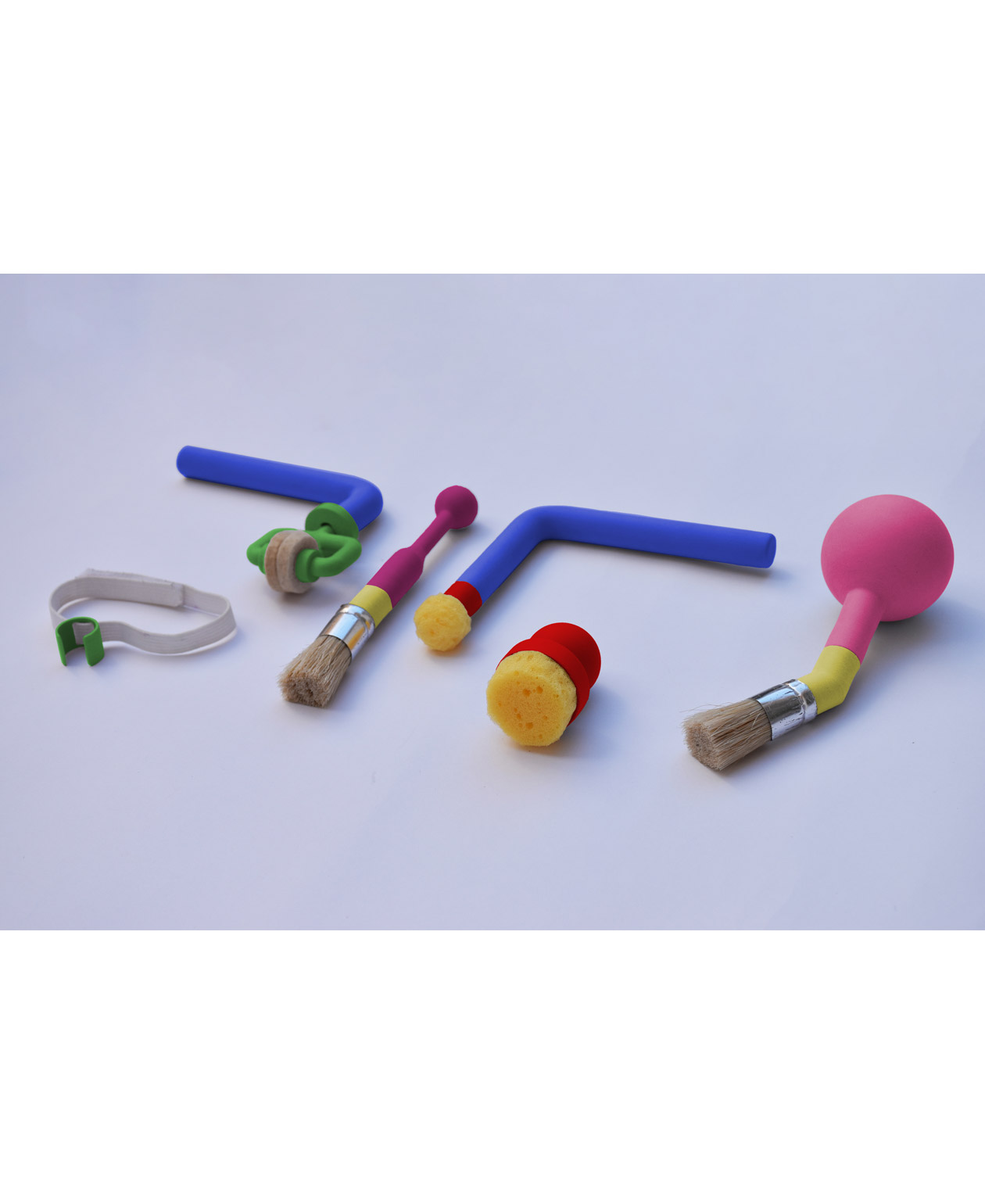
To solve the limitations of standard painting tools, the project introduces a modular system of customisable and interchangeable components. This configuration allows the tools to be precisely tailored to each user's grip requirements, range of motion, and physical strength. The ergonomic development strictly focused on facilitating comfortable grasping and reducing muscle fatigue. Through these adaptations, the design transforms a conventional creative tool into a highly specialised assistive device that adapts to the user, rather than forcing the user to adapt to it.
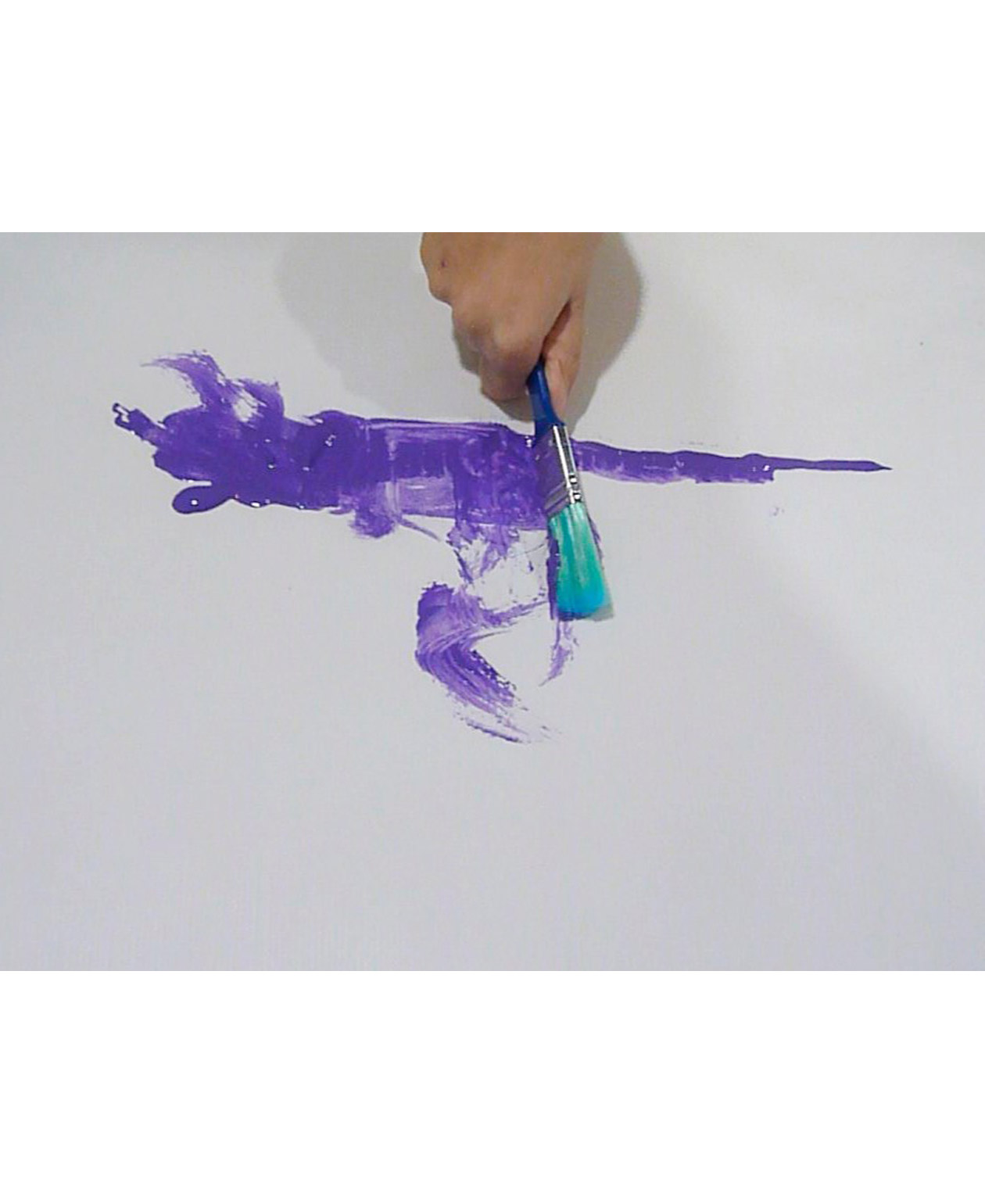
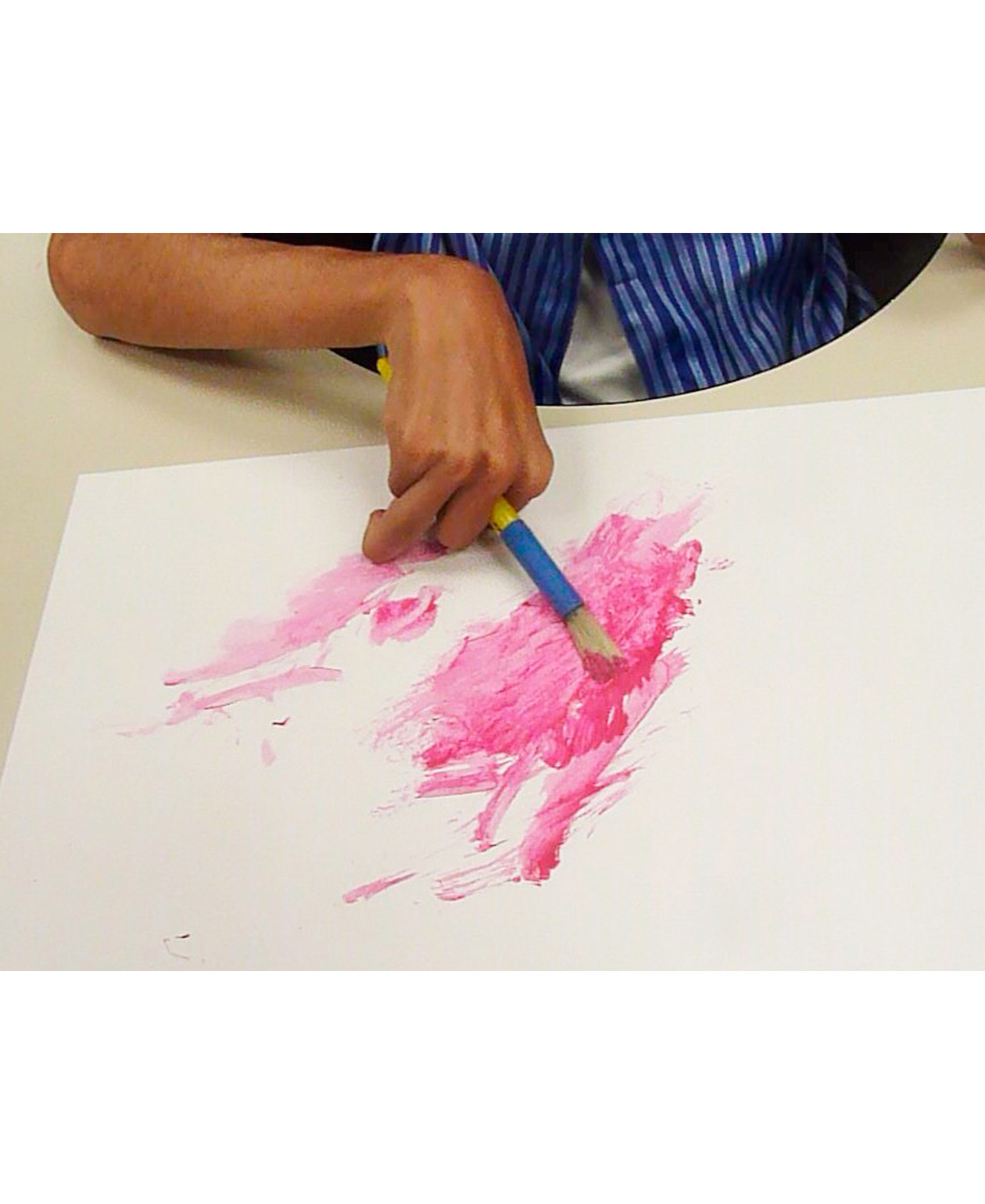
By providing accessible tools, this project helps individuals with motor impairments to paint independently, improving their self-esteem and daily quality of life. Art becomes a natural form of expression rather than a source of frustration.
This system promotes universal design and raises awareness of the need for accessible everyday objects. It encourages educational and cultural spaces to be more inclusive, demonstrating that accessible design is essential for building a fair and integrated society where everyone has equal opportunities to learn, create and participate without barriers.
This concept presents a highly scalable vision on multiple fronts. Industrially, its modular nature enables standardised manufacturing, such as injection moulding, without sacrificing individual customisation. Moreover, thanks to extensive research and user testing, this modularity can be universally applied to support individuals with diverse motor challenges worldwide. Finally, there is significant potential for product expansion: by adding new attachments to the current set or applying this methodology to other daily living aids, it creates a comprehensive ecosystem of accessible products to improve independent living.