


Sweet Cheeks Nappies A SAP-free, plant-based diaper insert project turning into nutrient-rich fertilizer to eliminate 500-year plastic waste


- Nationality
- United Kingdom
- Individual
- Arabella Calla
About Project
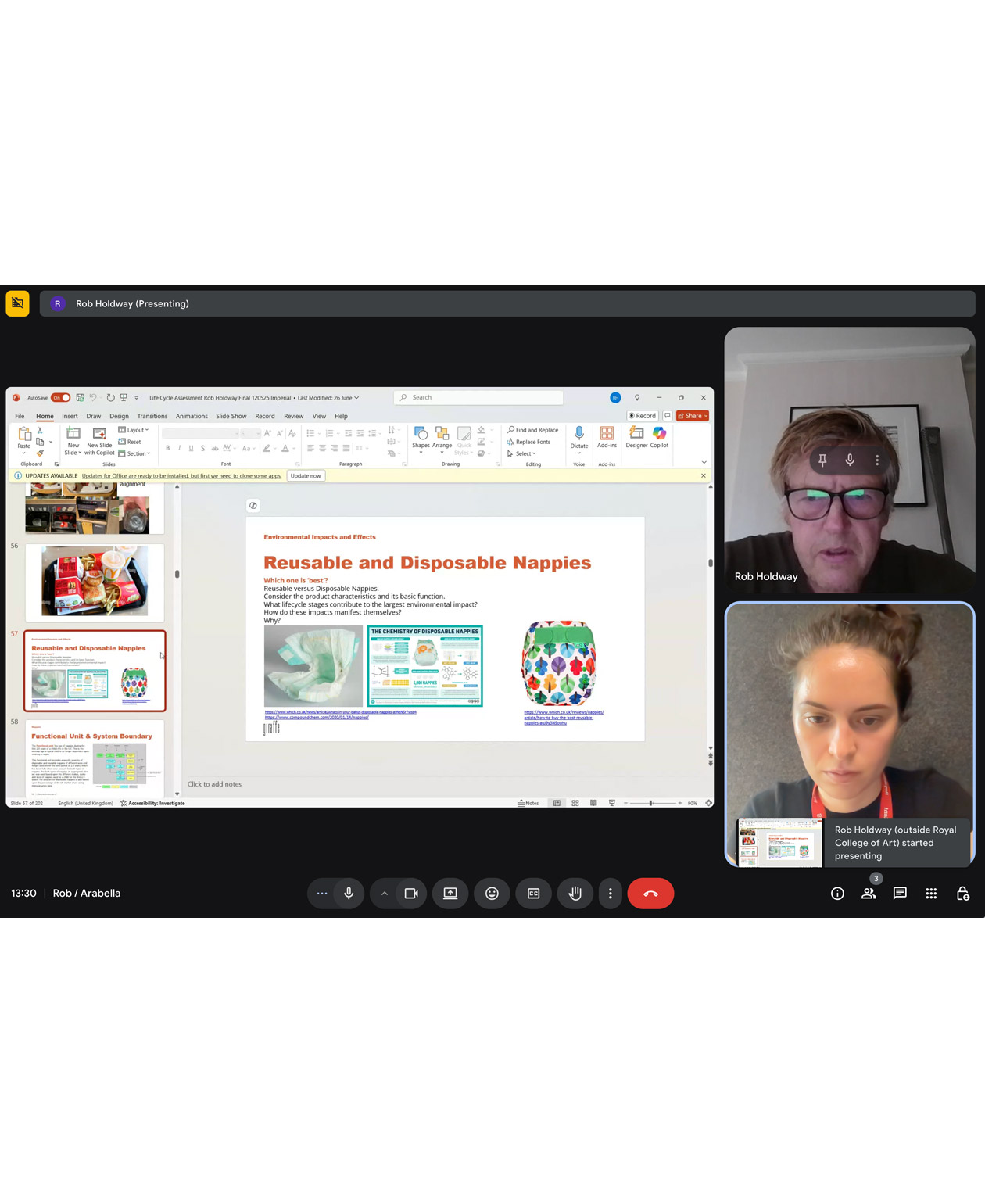
Disposable diapers are one of the largest and most overlooked waste streams.. 1.37 billion are used daily, each built on petroleum-based superabsorbent polymers (SAPs) that don't decompose in landfill for up to 500 years, with production consuming an estimated 248 million barrels of crude oil a year.
Every diaper on the market, including organic ones, depends on this same synthetic SAP core. Cloth diapers cut waste but lose caregivers on convenience and laundering.
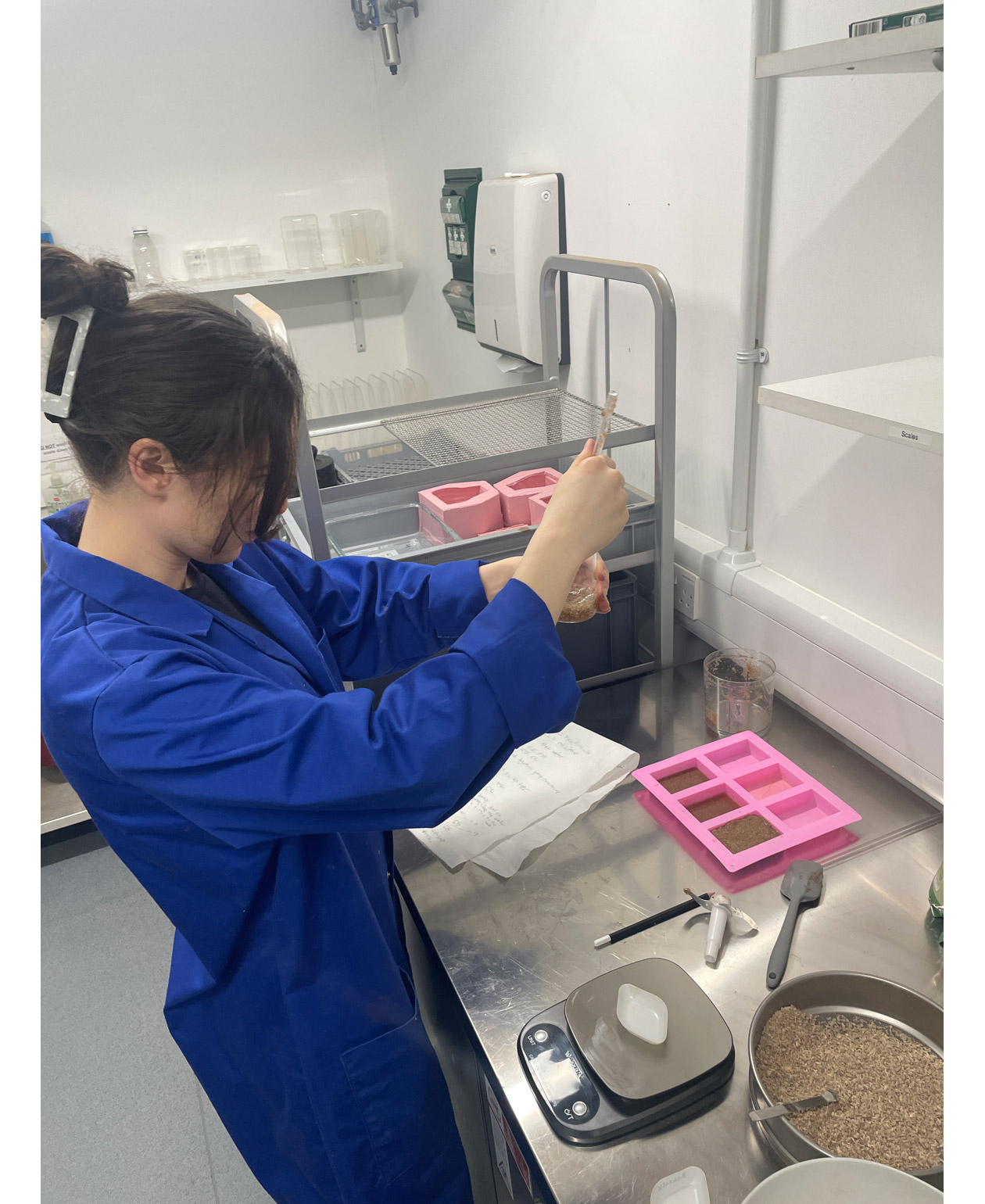
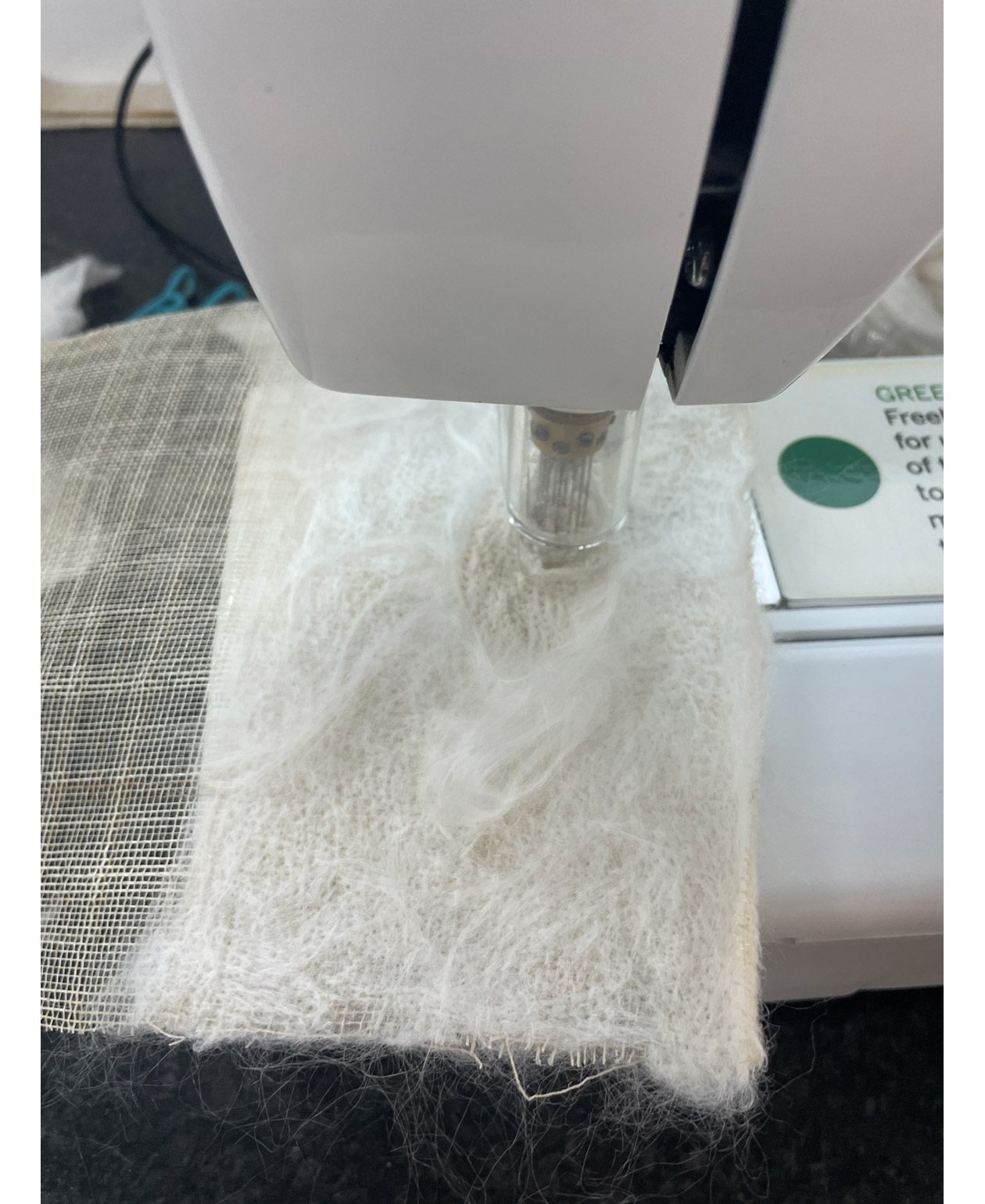
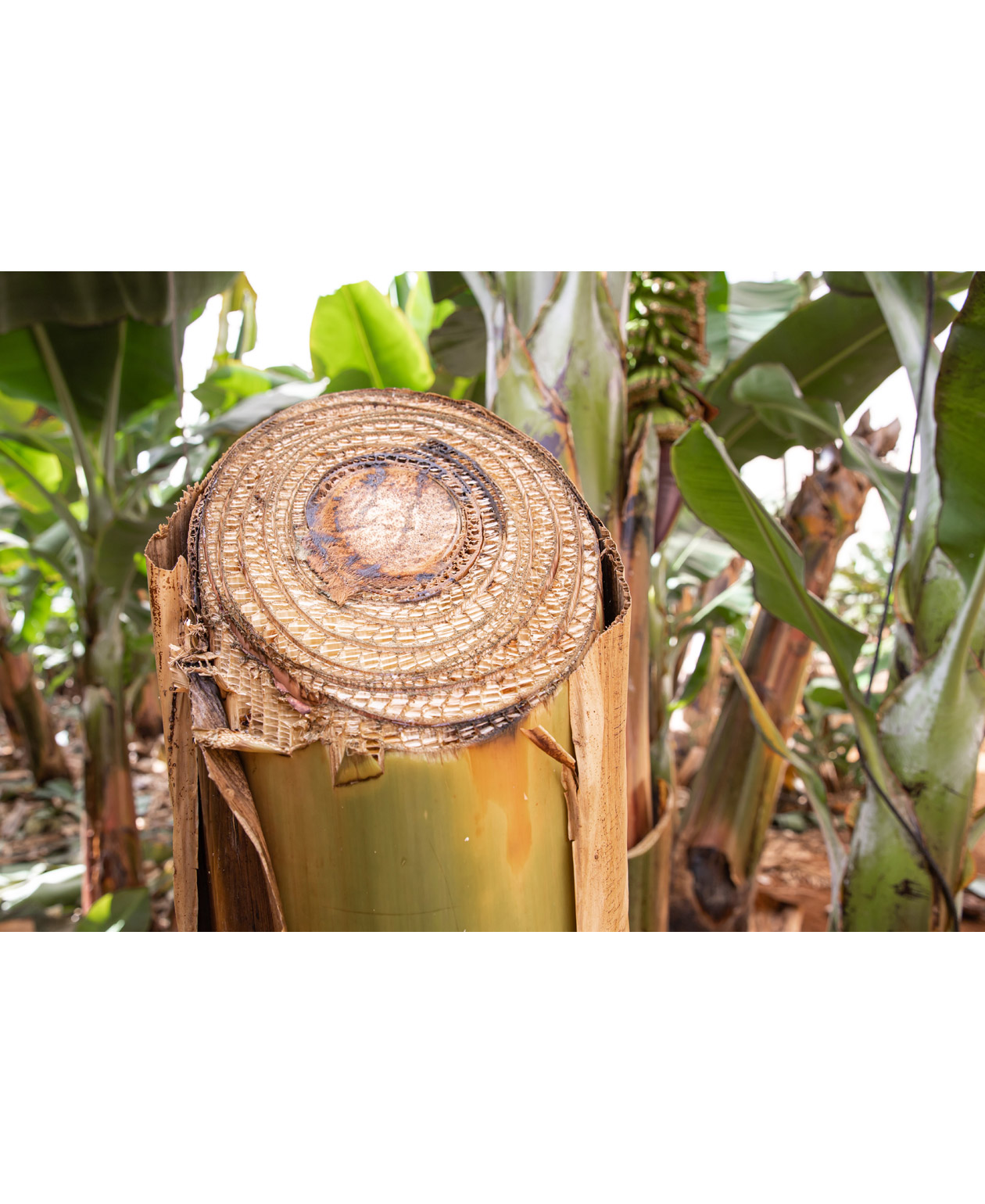
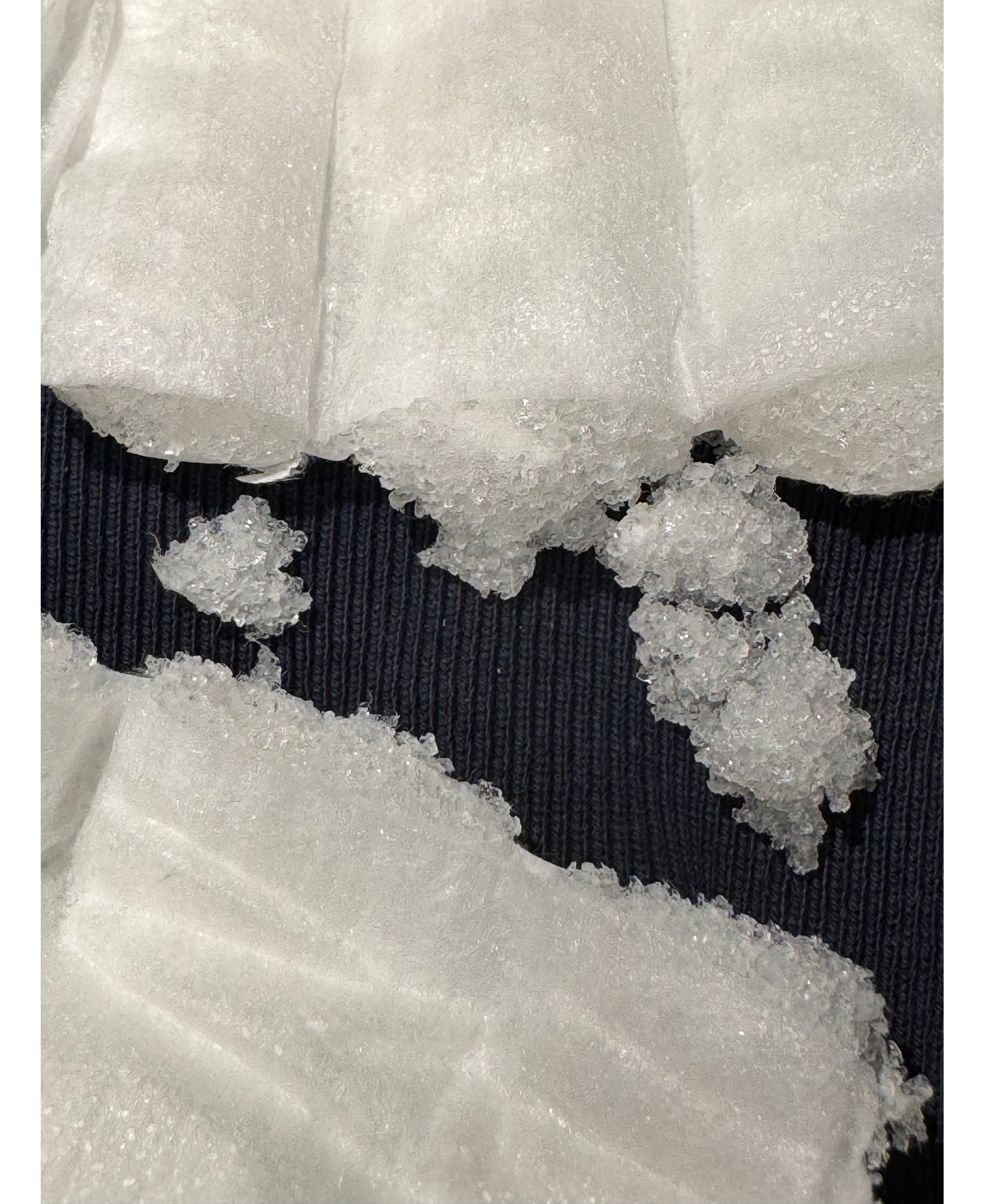
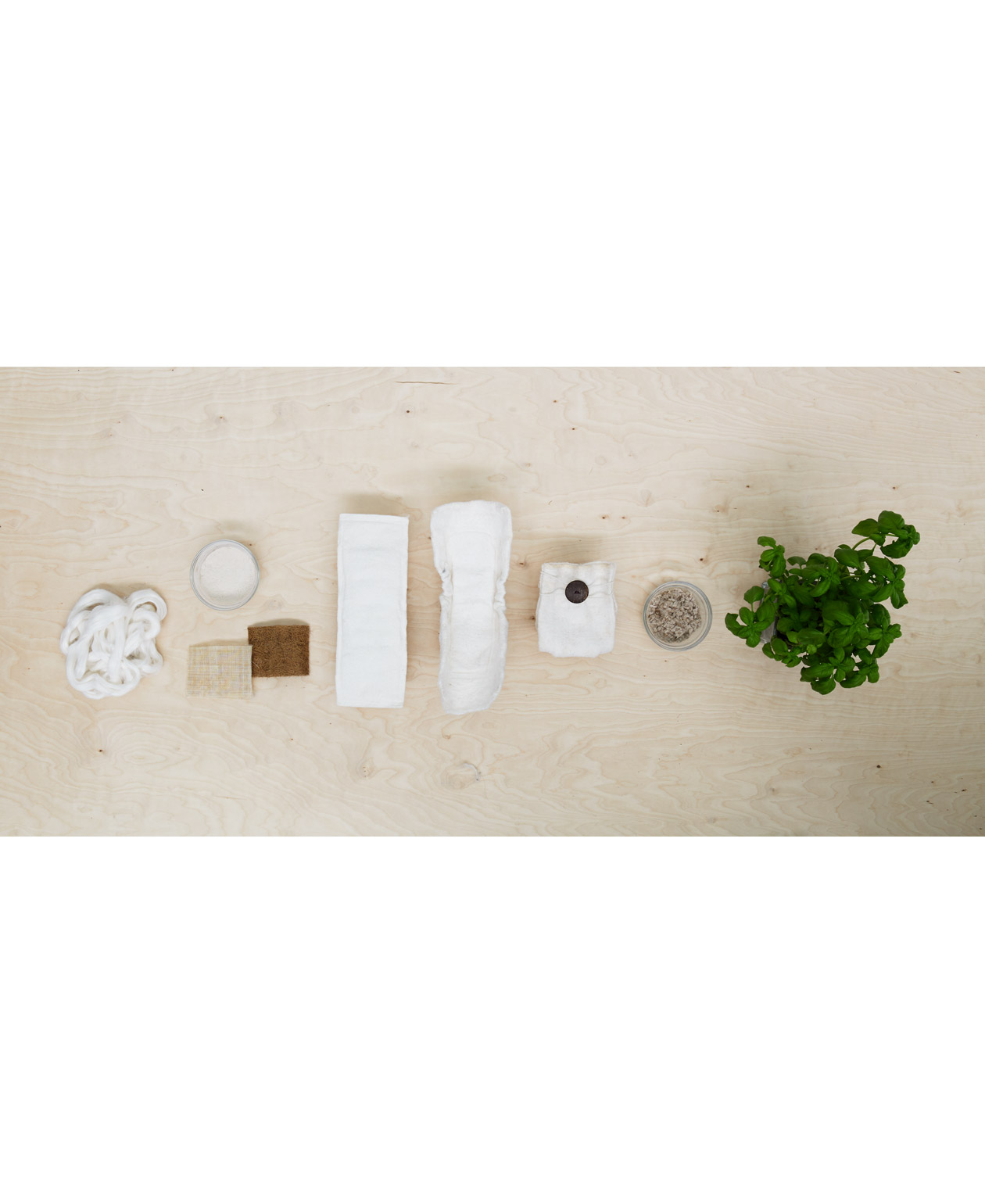
Sweet Cheeks Nappies closes this gap: a reusable outer shell paired with a single-use, SAP-free insert made entirely from plant materials. The insert pairs banana pseudostem fibre, an agricultural by-product otherwise burned or dumped, with a confidential blend of five plant-based sources that replaces synthetic SAP, one of them also a recovered agricultural wasteproduct.
The design aims for harmony across people, society, and environment. For people, it puts plant materials, not petrochemicals, against an infant's skin. For society, it turns agricultural waste into value and answers growing demand for sustainable hygiene, including aging-population incontinence. For the environment, it removes SAP and plastic at the source and is designed so that after use, the insert can be processed into nutrient-rich fertilizer, turning a soiled product back into soil.
The conventional diaper is built for absorbency alone, ignoring the environmental consequences of its afterlife. Sweet Cheeks reverses that logic, designing backwards from end of life so every material works twice, in performance and in the soil. Rather than bio-source synthetic SAP, it removes SAP entirely, replacing it with an engineered blend of plant fibres I cannot disclose due to my IP. A hybrid format pairs a reusable shell with a compostable insert, keeping disposable convenience without the laundering. The insert begins as agricultural by-product and, after use, can be processed into nutrient-rich fertilizer, closing the loop: soiled to soil.
Sweet Cheeks turns one of the most routine acts of daily life, changing a diaper, into a circular one. Caregivers get the convenience of a disposable while keeping plastic and SAP out of landfill, making the sustainable choice the easy one. The ripple runs both upstream and down. It valorizes agricultural waste into a useful product, creating value for the farmers who grow it, and returns nutrients to the soil instead of burying them. The same insert answers a fast-growing aging-population incontinence need. Scaled, it offers a model for circular sanitation, shifting an entire industry away from petroleum-based waste.
Sweet Cheeks is designed to scale wherever two things exist: a need for hygiene products and a stream of agricultural waste. Diapering is universal, and banana cultivation spans the tropics, so production can be sited close to its raw material rather than shipped across the world. The same SAP-free insert extends beyond infants to the fast-growing adult incontinence market, multiplying its reach. Paired with composting and anaerobic-digestion networks, it offers a blueprint for circular sanitation: waste returned to soil at household and municipal scale. The long-term vision is to move an entire petroleum-dependent industry toward regeneration, soiled to soil, worldwide.