


Bankee Program A financial-literacy and integrity-education platform project giving children experiences with earning, saving, and spending within a safe classroom economy


- Nationality
- Kuwait
- Group
- Creative Confidence
About Project
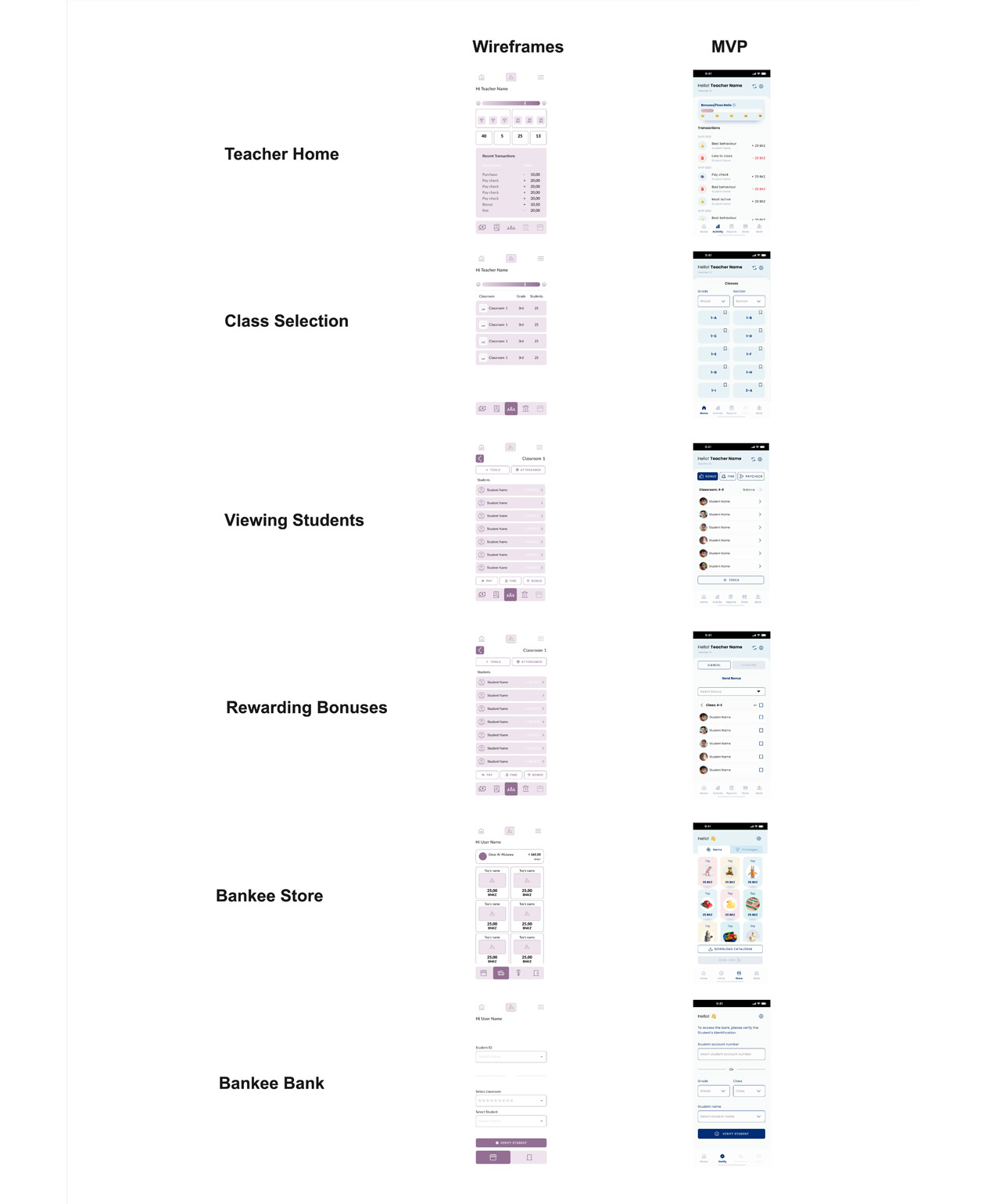
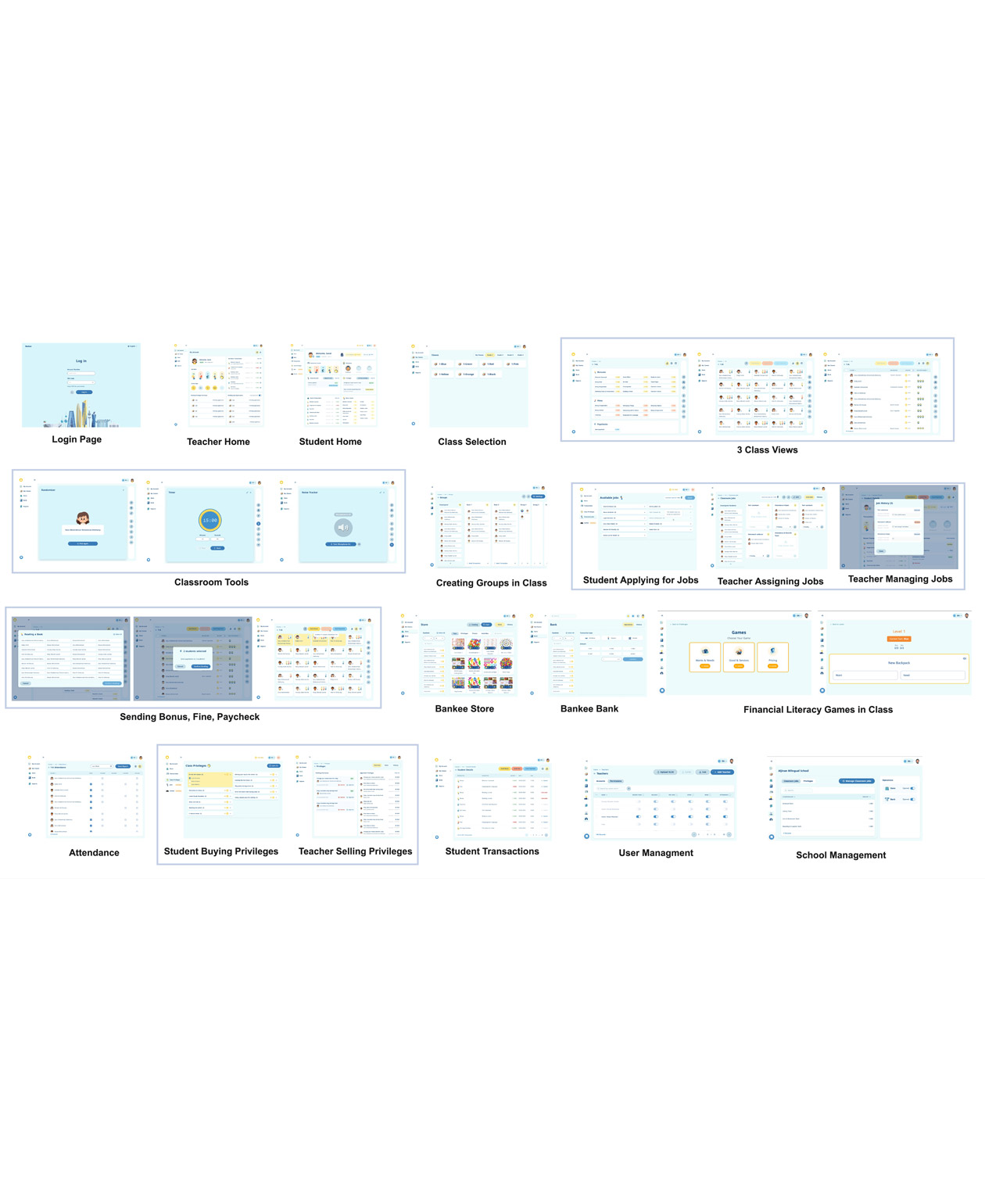
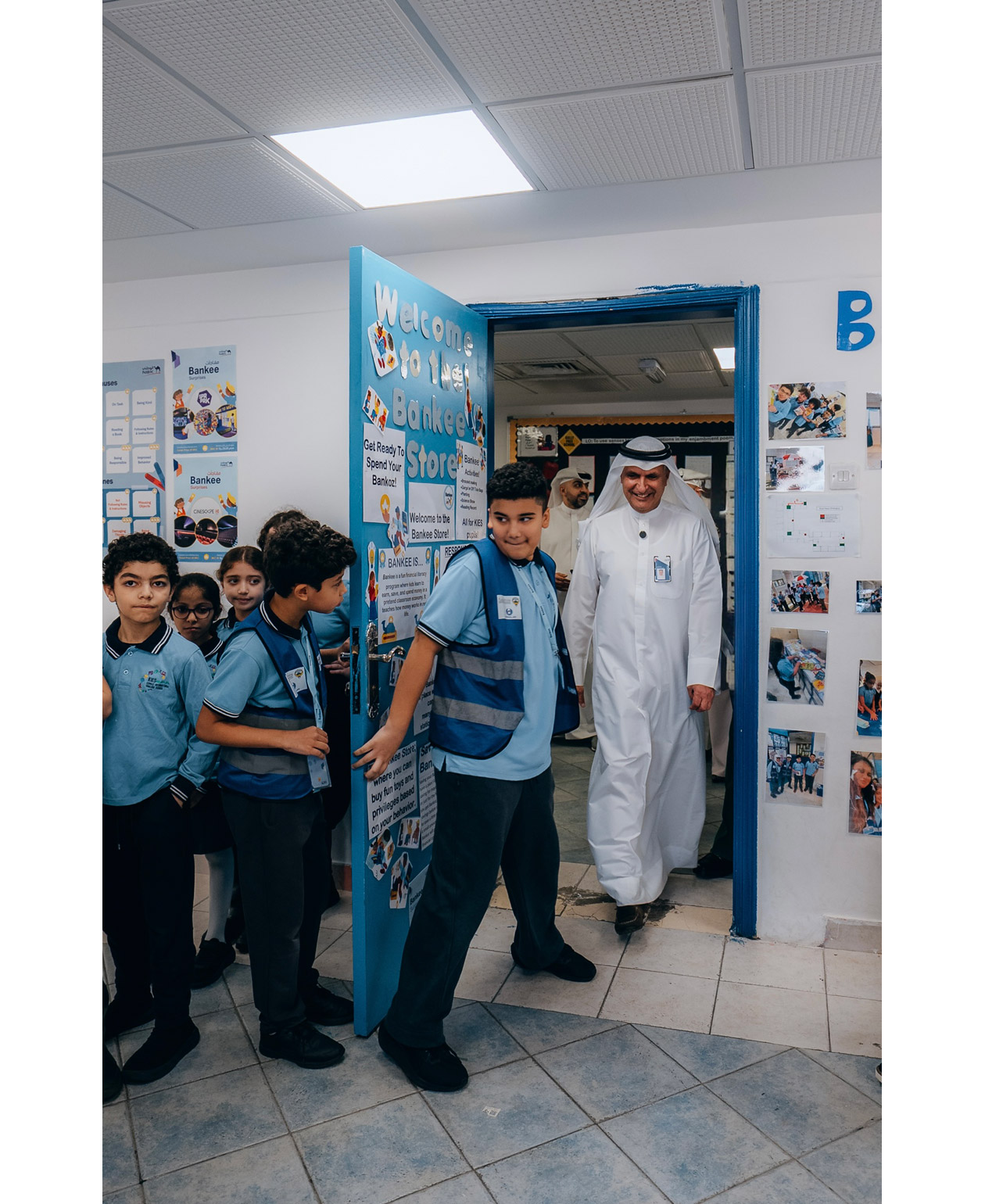
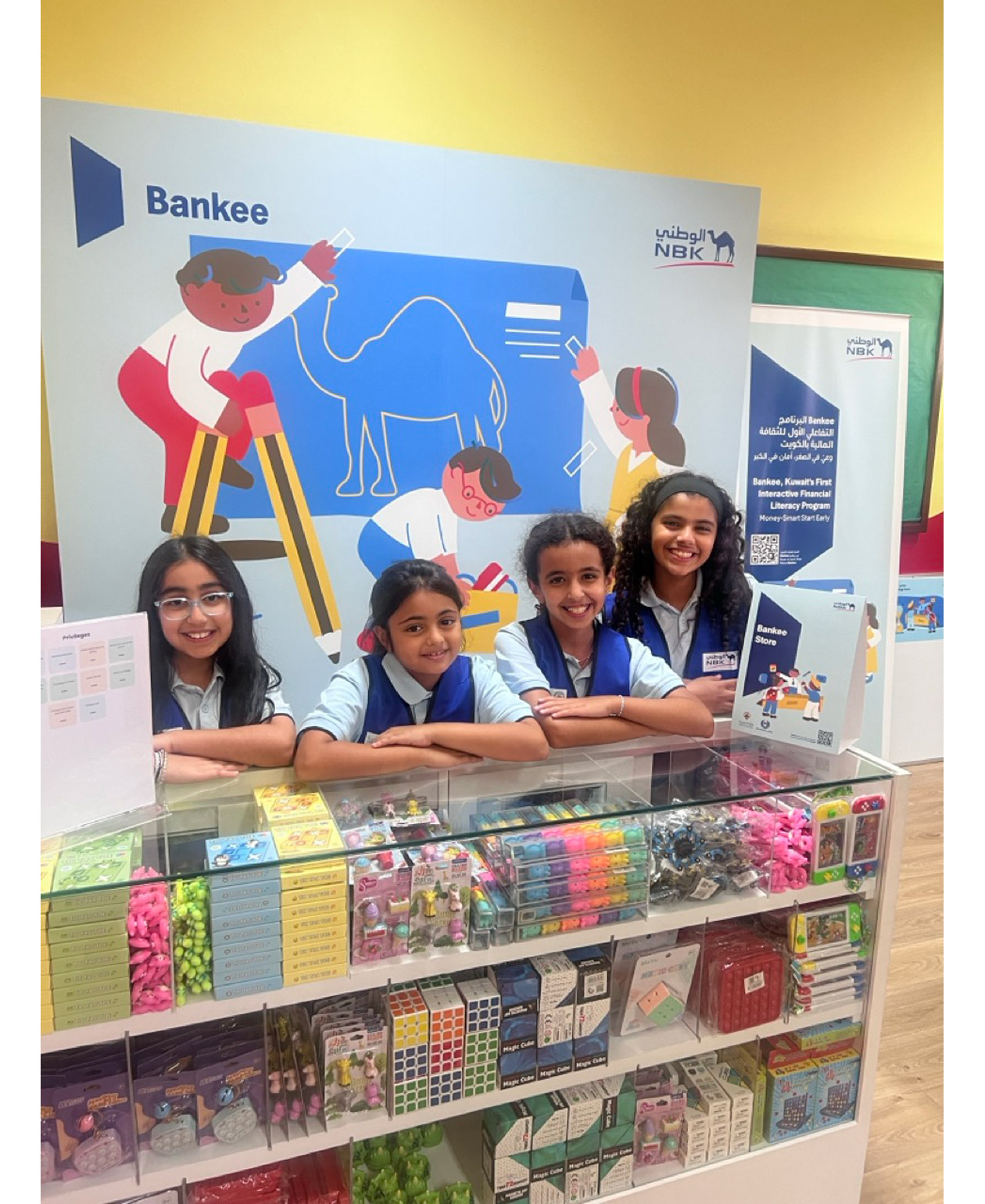
The Bankee Program is an educational platform where elementary school students in Kuwait directly experience the process of earning, saving, and using money inside the classroom to learn financial knowledge and responsible behavior. It configures the classroom as a small economic system, allowing students to use virtual currency to take on roles and perform responsibilities, purchase items, and experience the consequences of their choices. Its characteristic is that it expanded financial education beyond mere knowledge delivery into the perspective of social design that addresses students' behaviors, relationships, and responsibilities together.
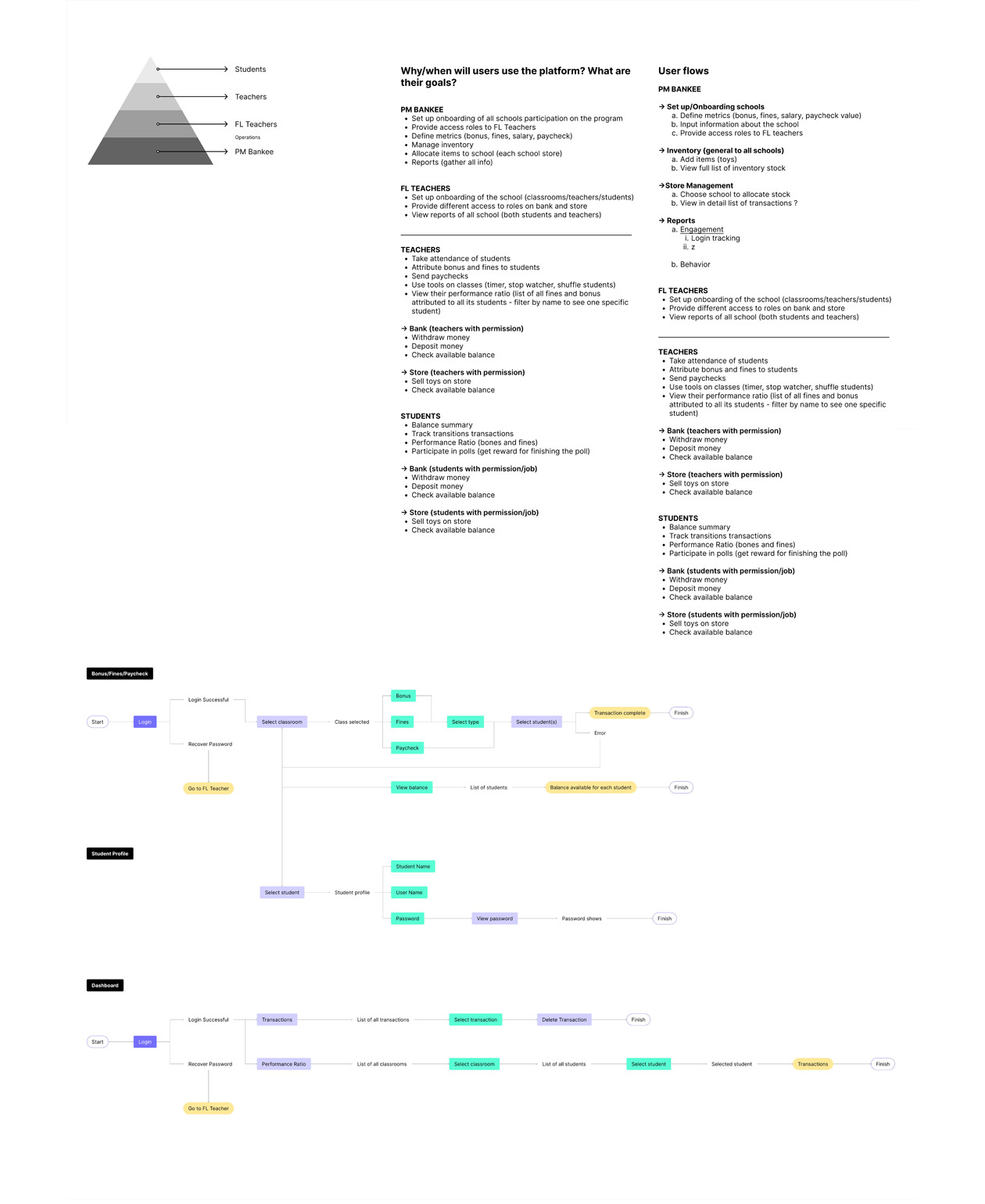
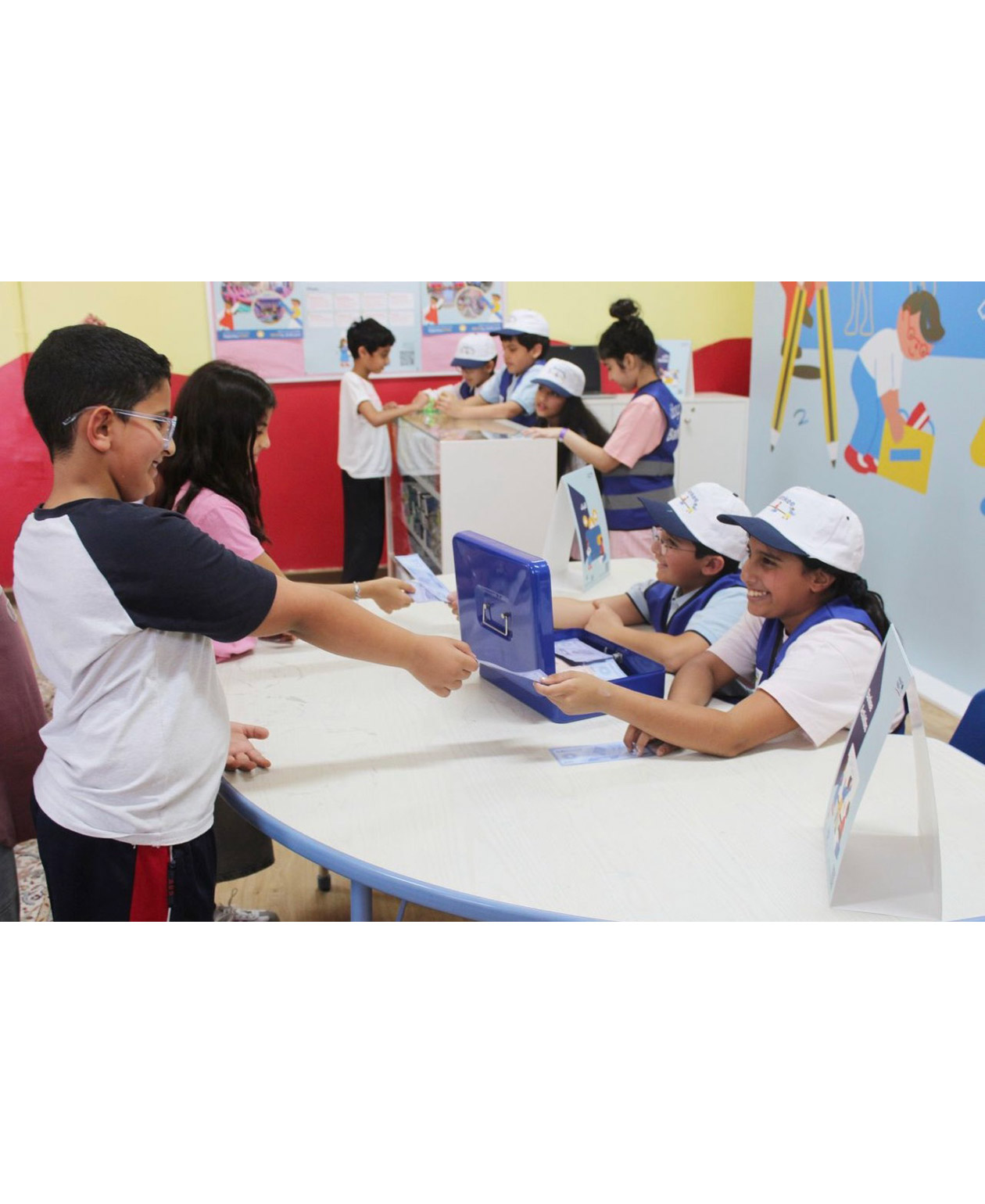
Instead of explaining money management methods through theory, it allows students to practice them directly within daily school life. Students use the virtual currency 'Bankoz' while performing their assigned roles and responsibilities, and learn how to manage budgets and set goals by saving or spending it. Consequences according to choices actually operate within the system, such as losing Bankoz upon making a poor choice or reaching a desired goal through steady saving. By creating a repeating structure of 'role performance-income-saving and consumption-consequences' inside the classroom, it allows understanding of finance to be formed through continuous experience rather than explanation.
Another important feature is that it connects ethical values, such as honesty, responsibility, and an attitude of respecting shared assets, together with economic activities. Instead of teaching ethics as a separate class, it was designed so that these values operate as standards of actual behavior in the process of earning and using virtual currency. Students experience financial judgment and responsibility as community members together through daily transactions and role performances. In that it allows students to experience what meaning individual economic choices hold within the community, it possesses the characteristics of social design connecting financial education and civic education.
This program is operated by Creative Confidence in cooperation with Kuwait's Ministry of Education, the National Bank of Kuwait, and the national anti-corruption agency Nazaha. Aligned with 'Kuwait Vision 2035', which aims for sustainable human and social development, it supports students in making rational economic judgments and practicing honesty and responsibility in their daily lives.
The sustainability pursued by this project lies in enhancing the financial capability and social responsibility of the next generation. Through repeated experiences of saving, budget management, and responsible consumption from an early age, and by connecting values like honesty and responsibility to economic choices, it helps form long-term behavioral habits. Beyond individual students, this experience provides an opportunity for families to talk together about money and economic choices at home.
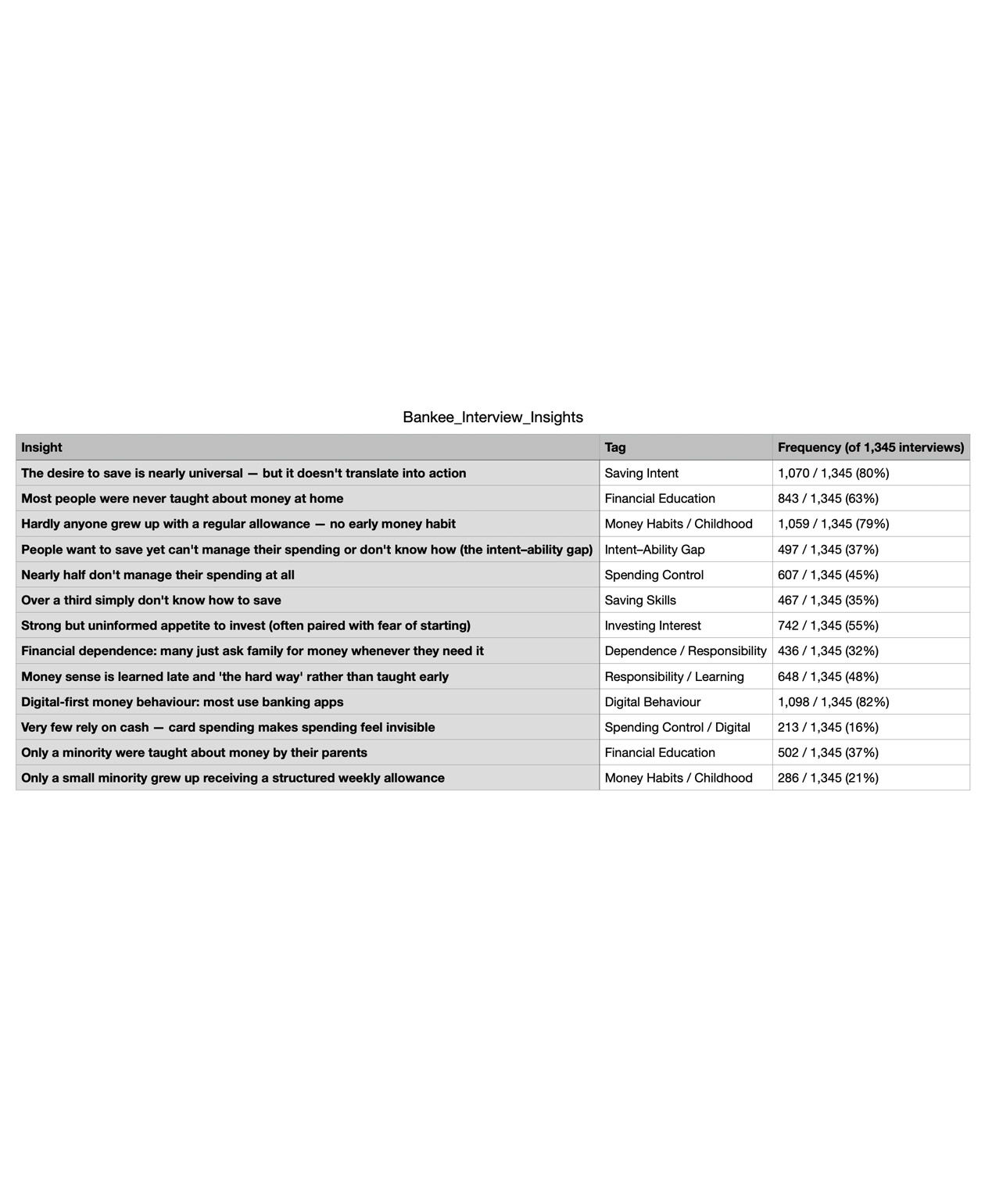
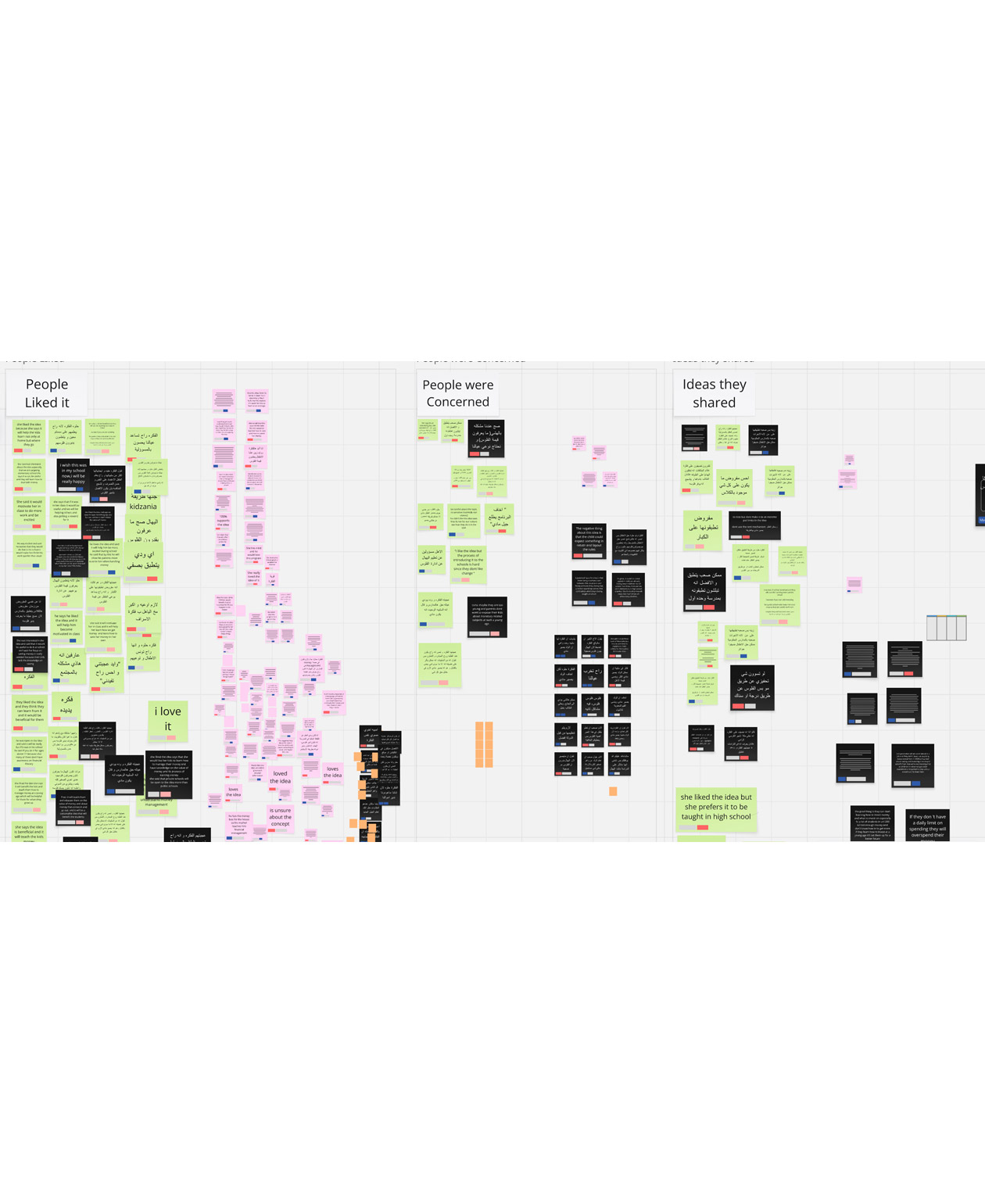
In a survey by the independent evaluation agency NatCen, measurable improvements were confirmed in both students' financial literacy and in-class behavior. Principles of finance and behavior learned in the classroom extend to the home, allowing students and families to talk about money together and practice responsible behavior outside of school.
As of 2025, 104 schools and 54,952 students across Kuwait are participating. Starting from a small-scale pilot project and expanding nationwide, it has developed into an educational model that goes beyond individual student financial habits to enhance family financial capacity and social responsibility. In particular, by connecting everyday economic choices with honesty and responsibility to shape awareness of corruption from an early age, it expands financial education into the realm of civic education.
Provided free of charge to schools through a public-private partnership model to lower the cost burden on educational institutions, it is configured as an economic system operable autonomously within the classroom so that it can be introduced without separate complex facilities. Because its structure is not dependent on any specific country's curriculum or language, it can be adjusted to fit local educational environments. Another feature is that it is configured not just as an educational content piece, but as a service system that connects the participation of students, teachers, schools, and homes to induce repetitive behavioral changes.
Nazaha also introduced this program to the United Nations Office on Drugs and Crime (UNODC) as a leading case. By converting the everyday space of the classroom into a small economic system to experience financial knowledge and ethical judgment together, it shows the potential of a social design model that transforms individual behavior and community responsibility simultaneously through education.