


Cosmobotanical Mirror A living landscape project transforming arid urban spaces into a biodiversity and environmental learning environment


- Nationality
- Chile
- Group
- Common Land Studio and GUN Architects
About Project
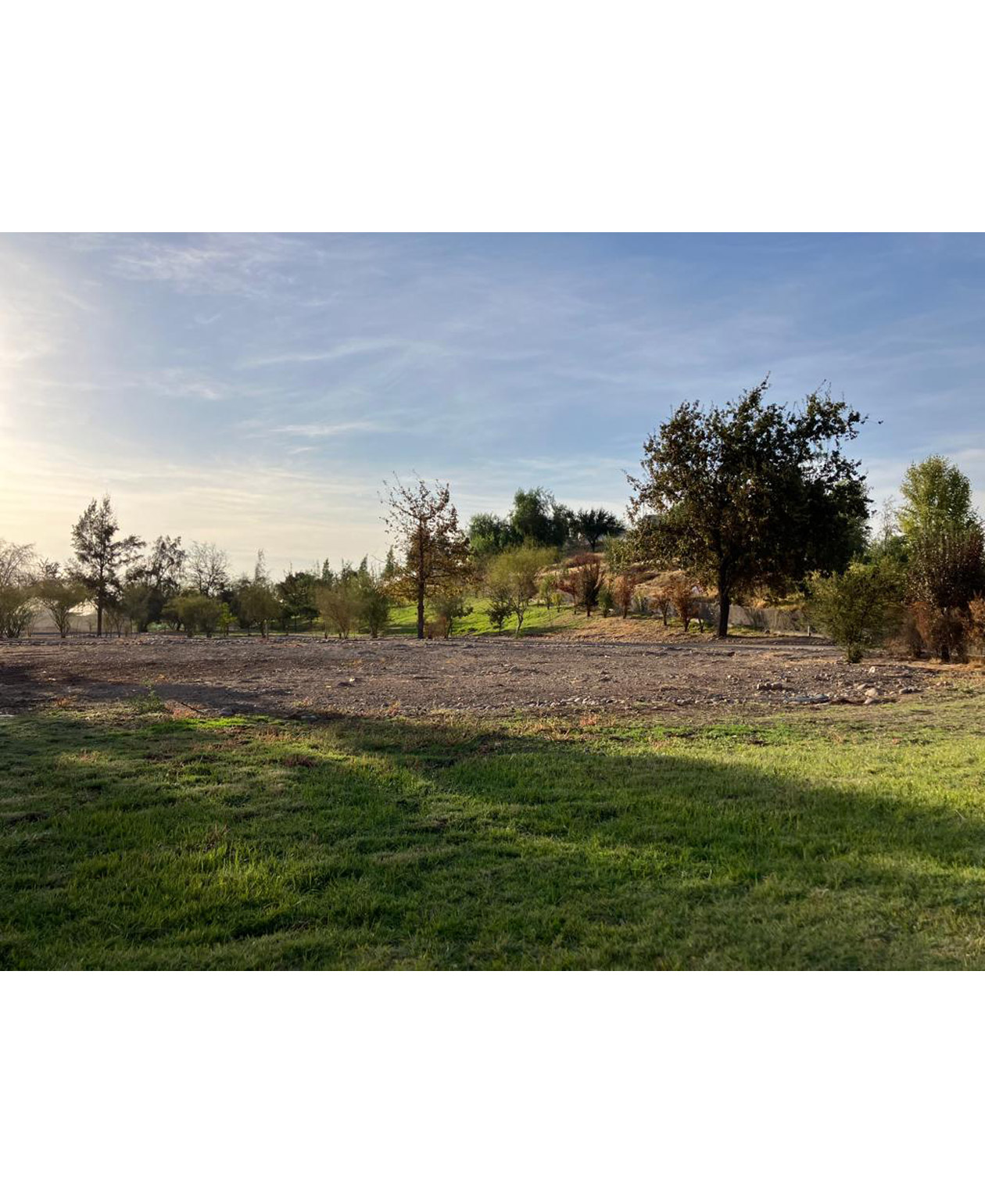
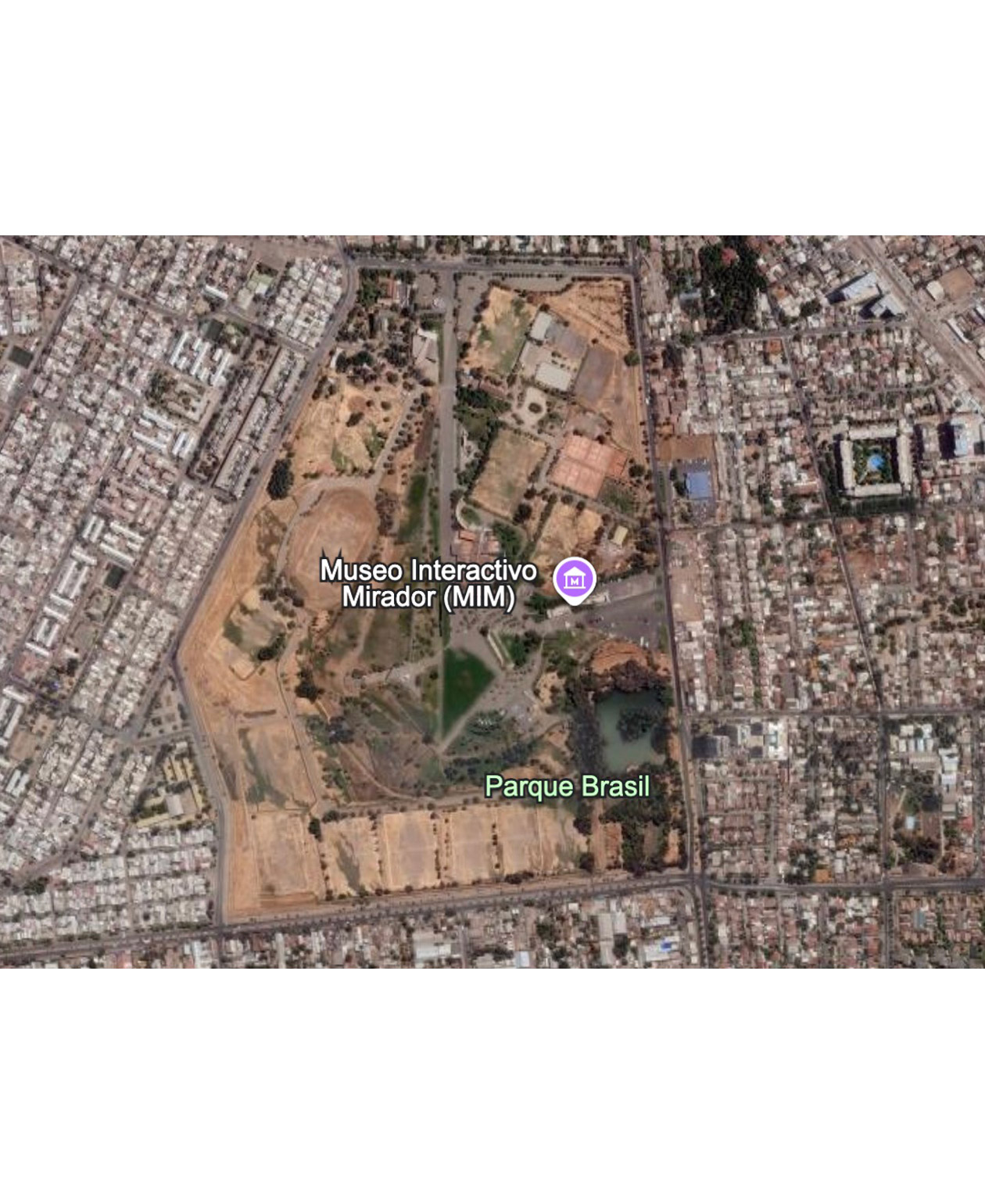
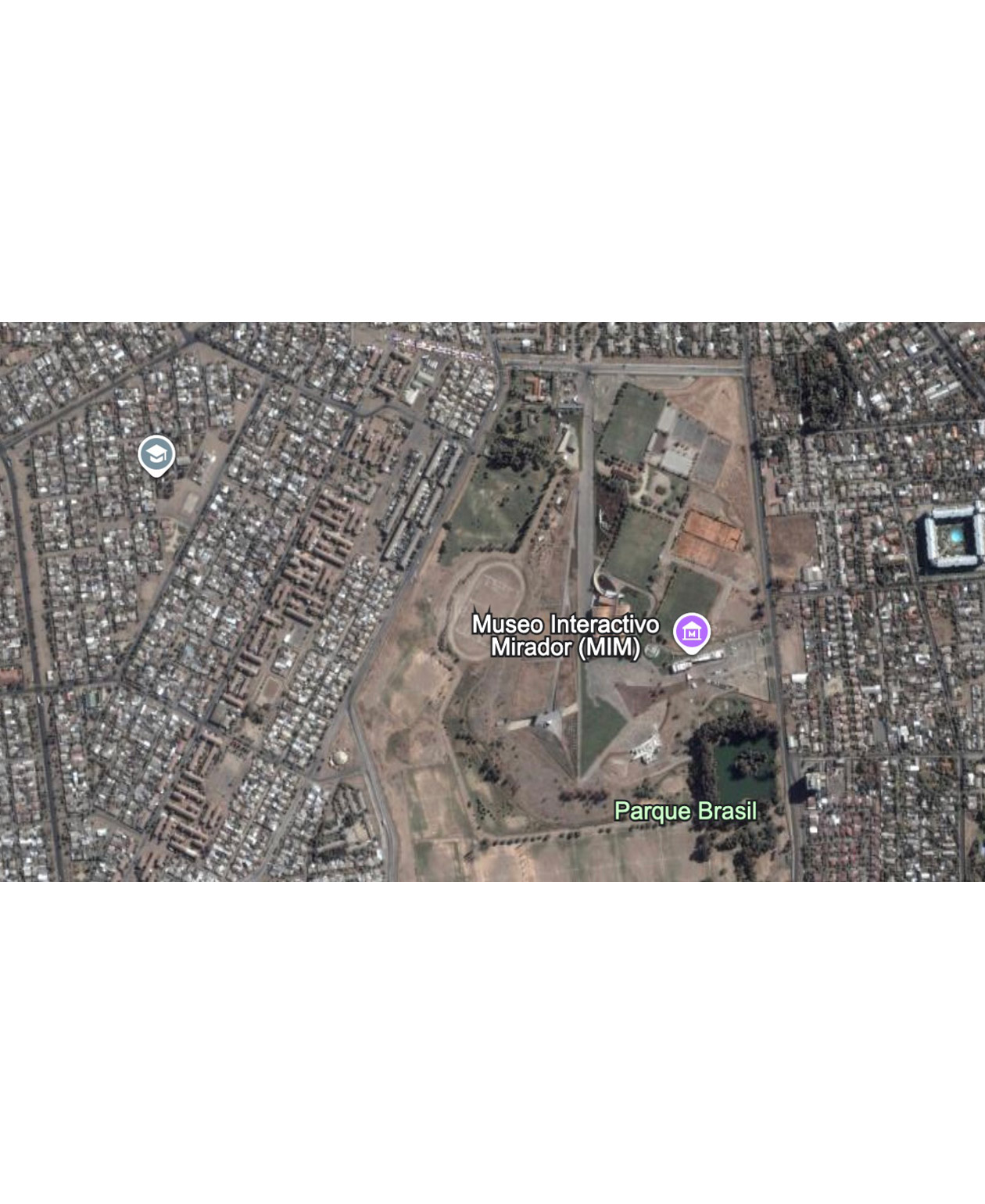
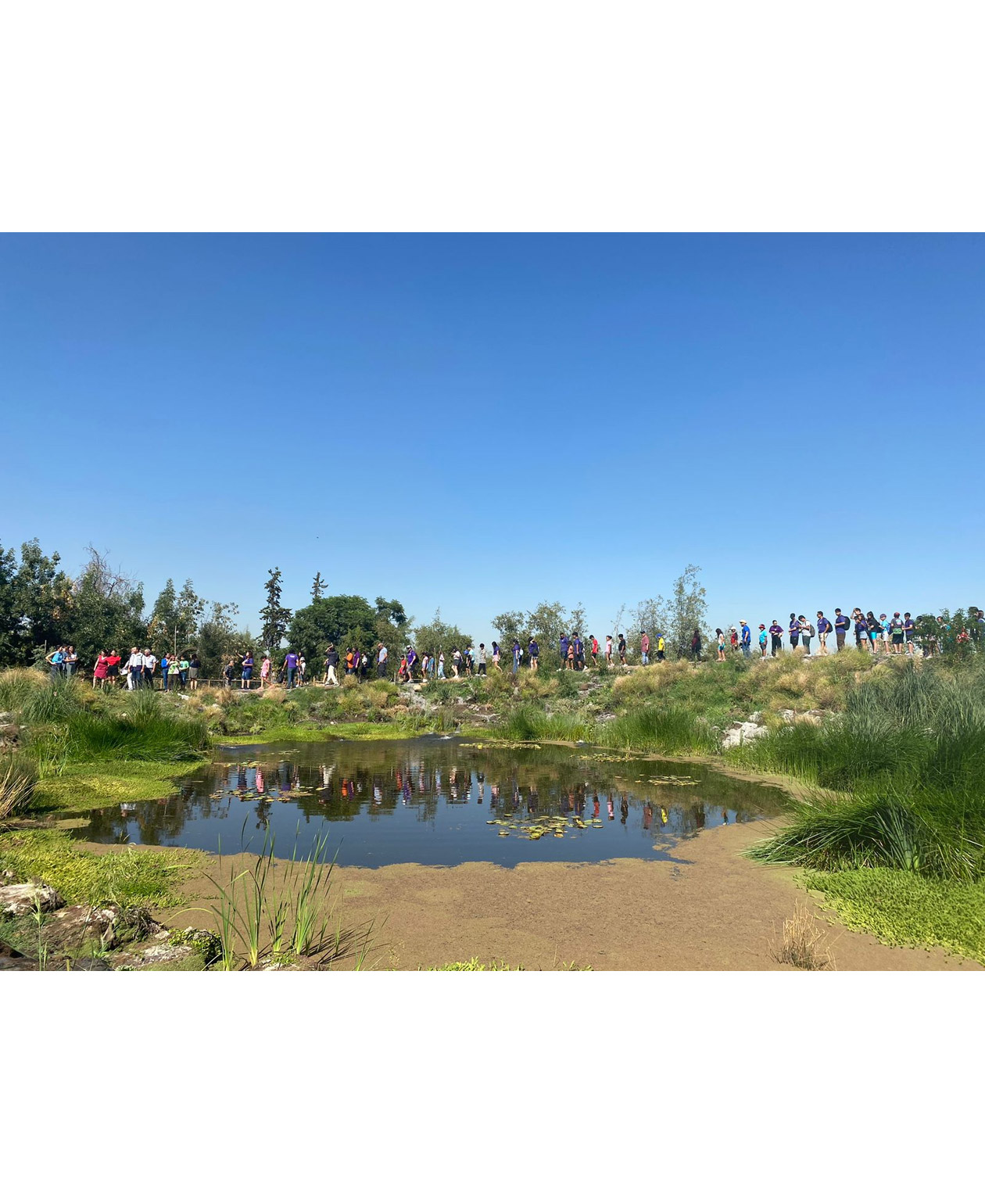
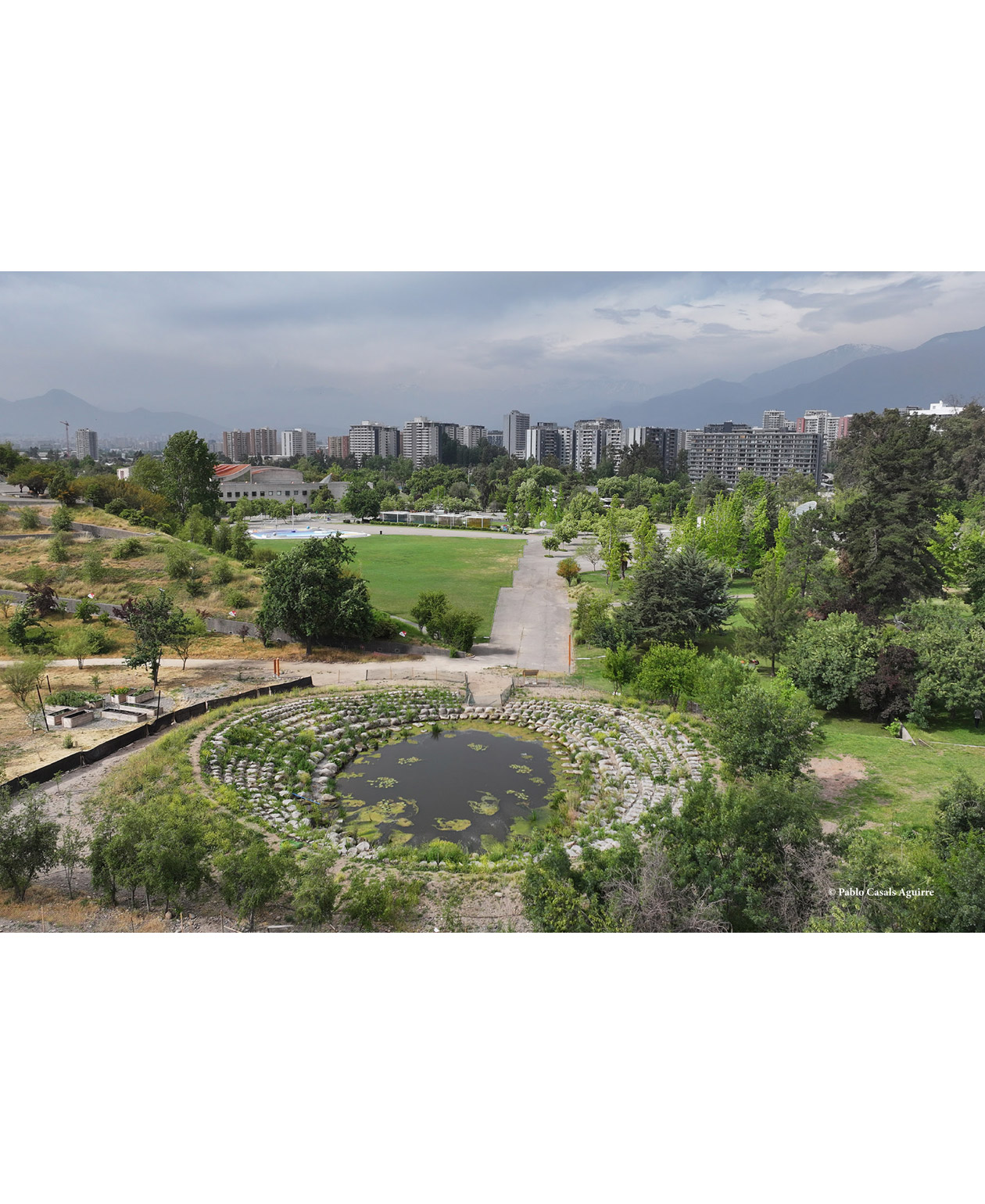
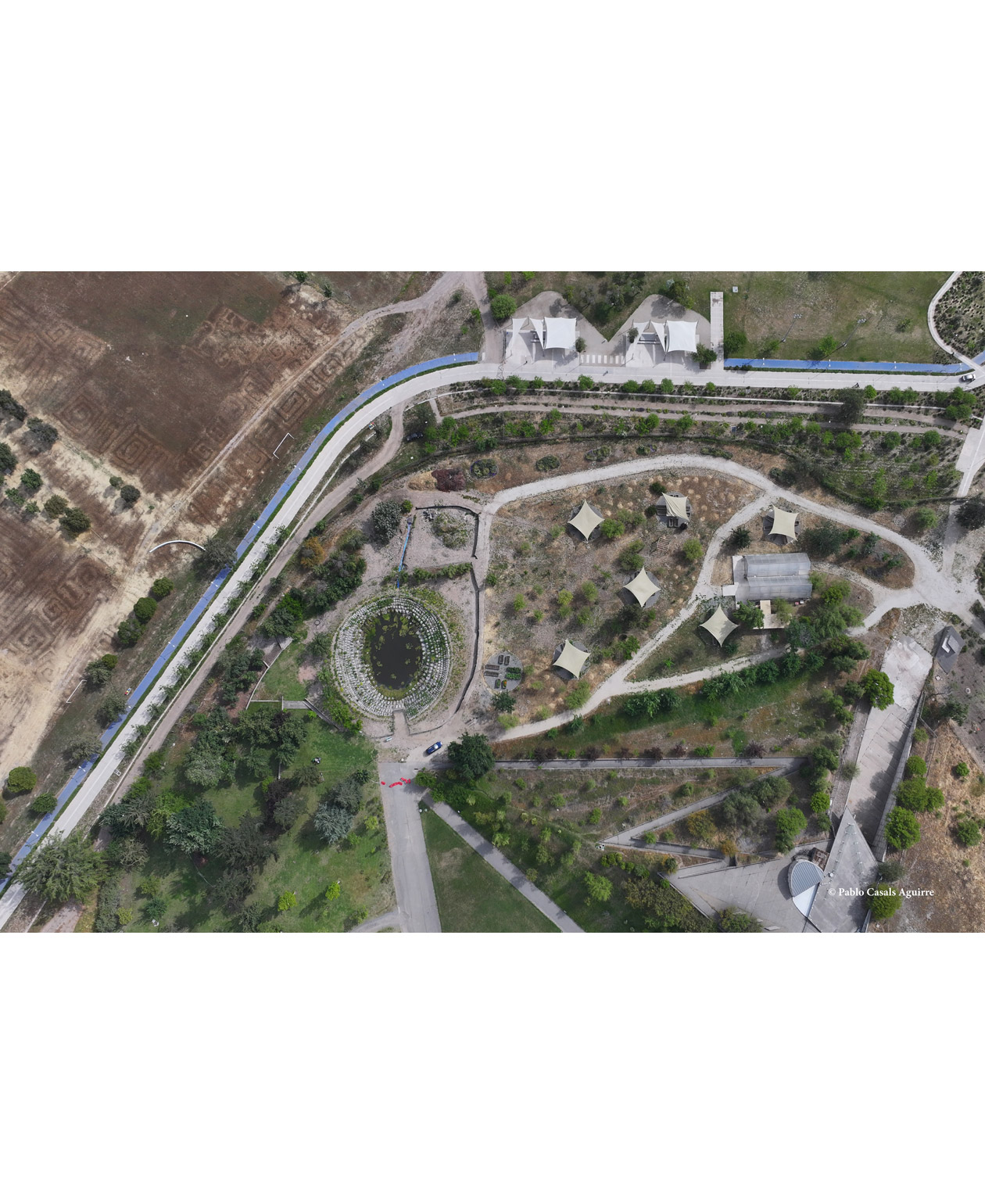
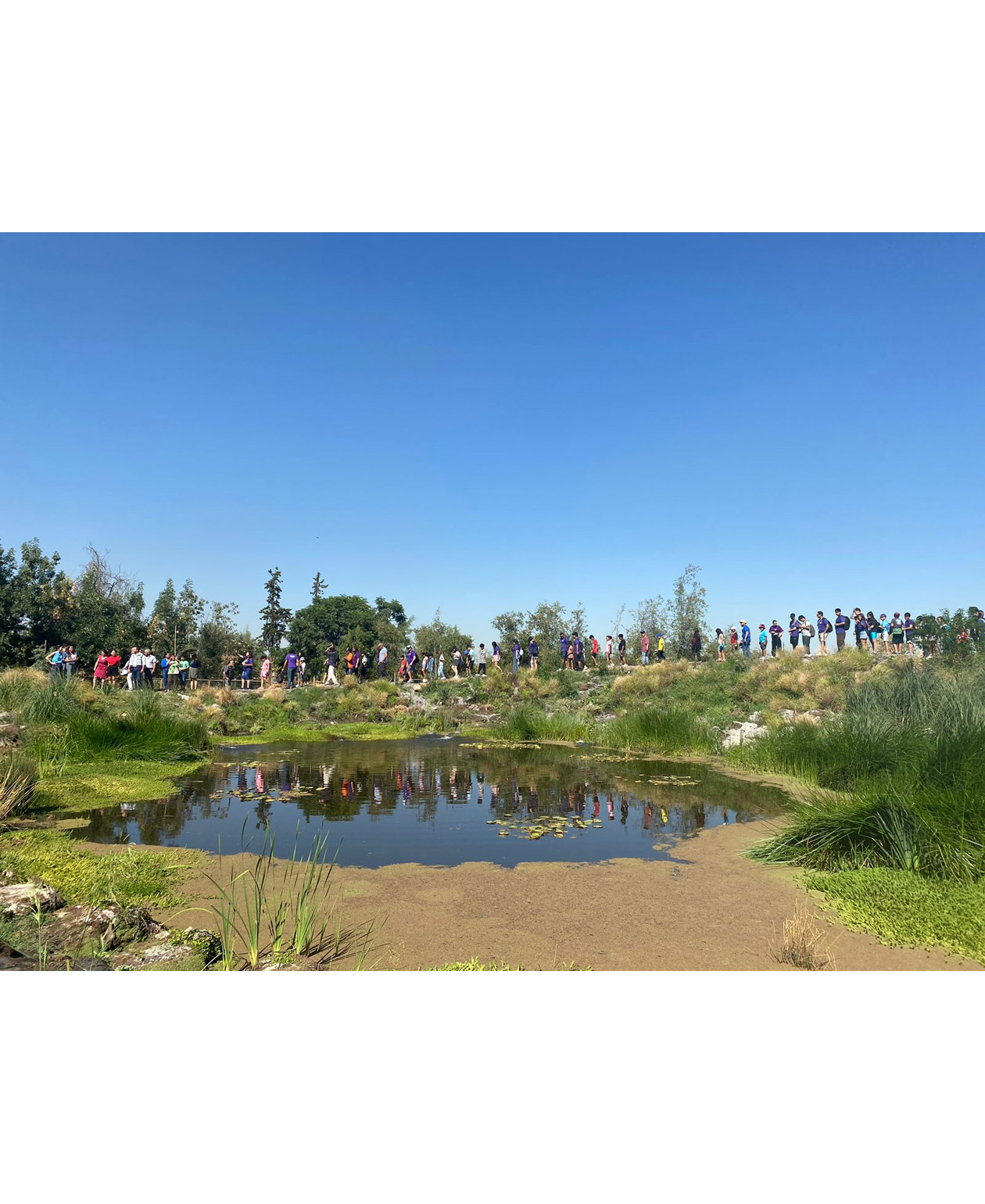
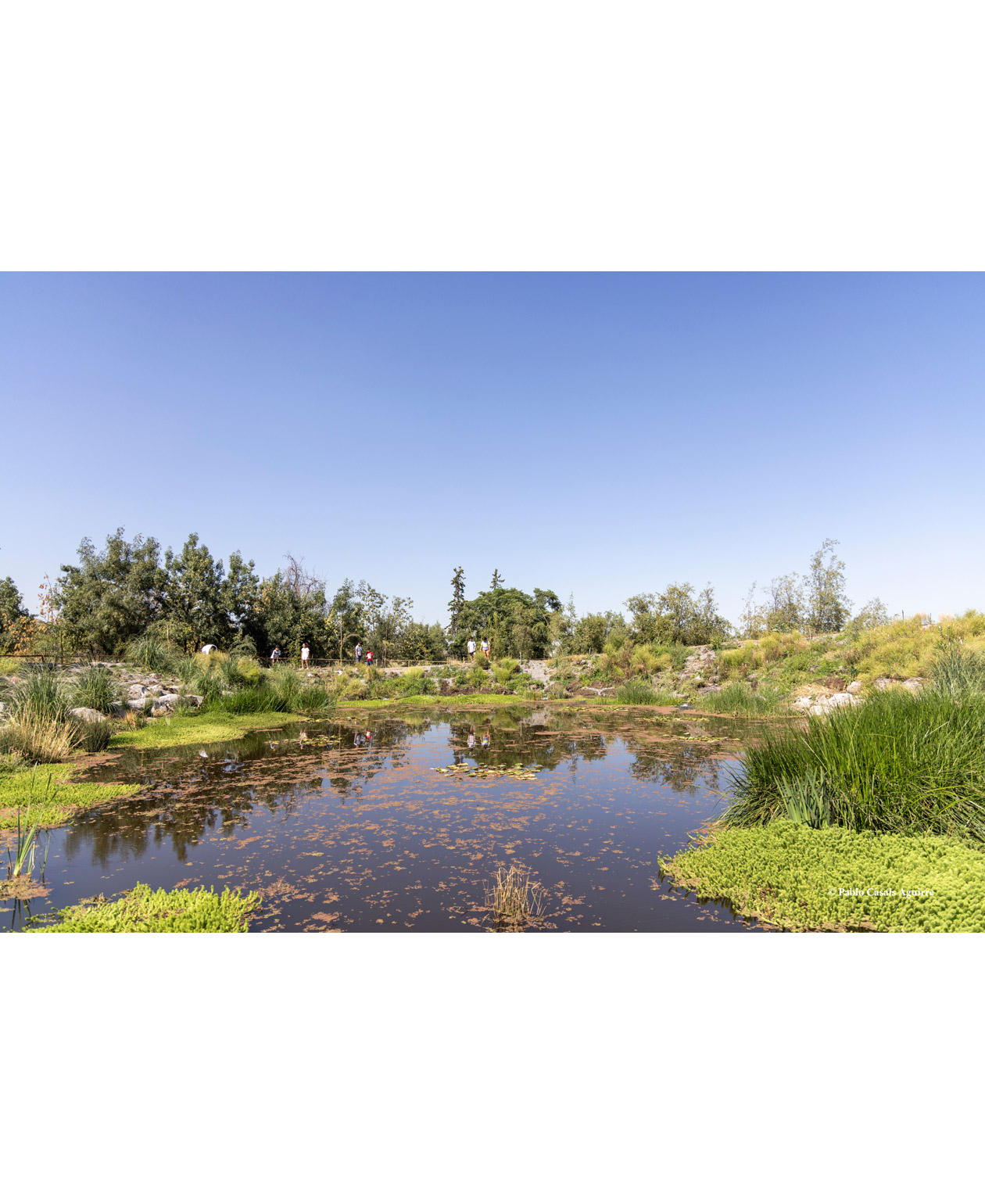
Cosmobotanical Mirror is a living ecological installation located at the Museo Interactivo Mirador (MIM), one of Chile’s most visited museums and a leading institution dedicated to children’s learning for more than 25 years. Situated in Santiago, a city facing increasing drought and water scarcity, the project responds to the urgent need for climate adaptation, biodiversity restoration and environmental education.
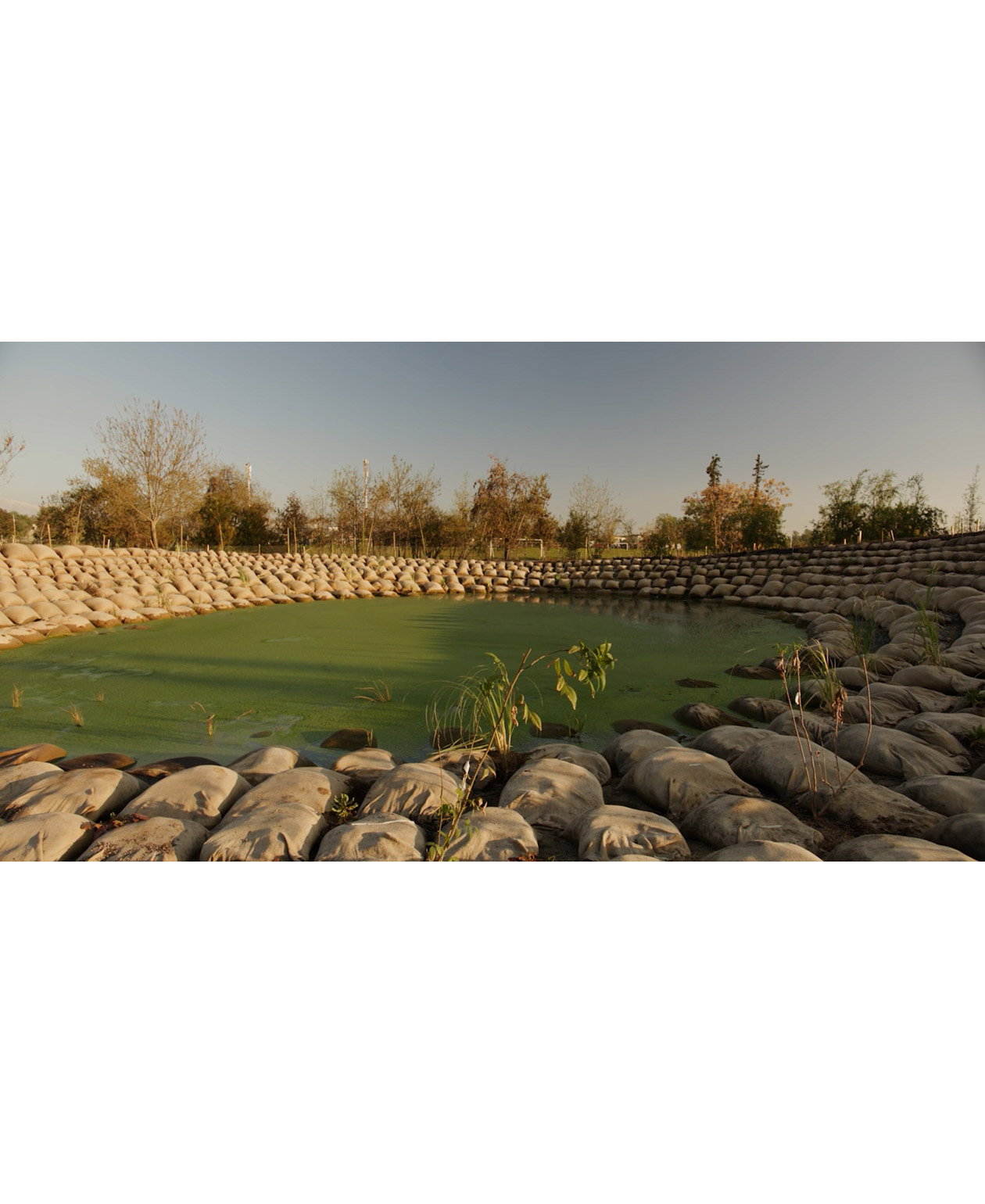
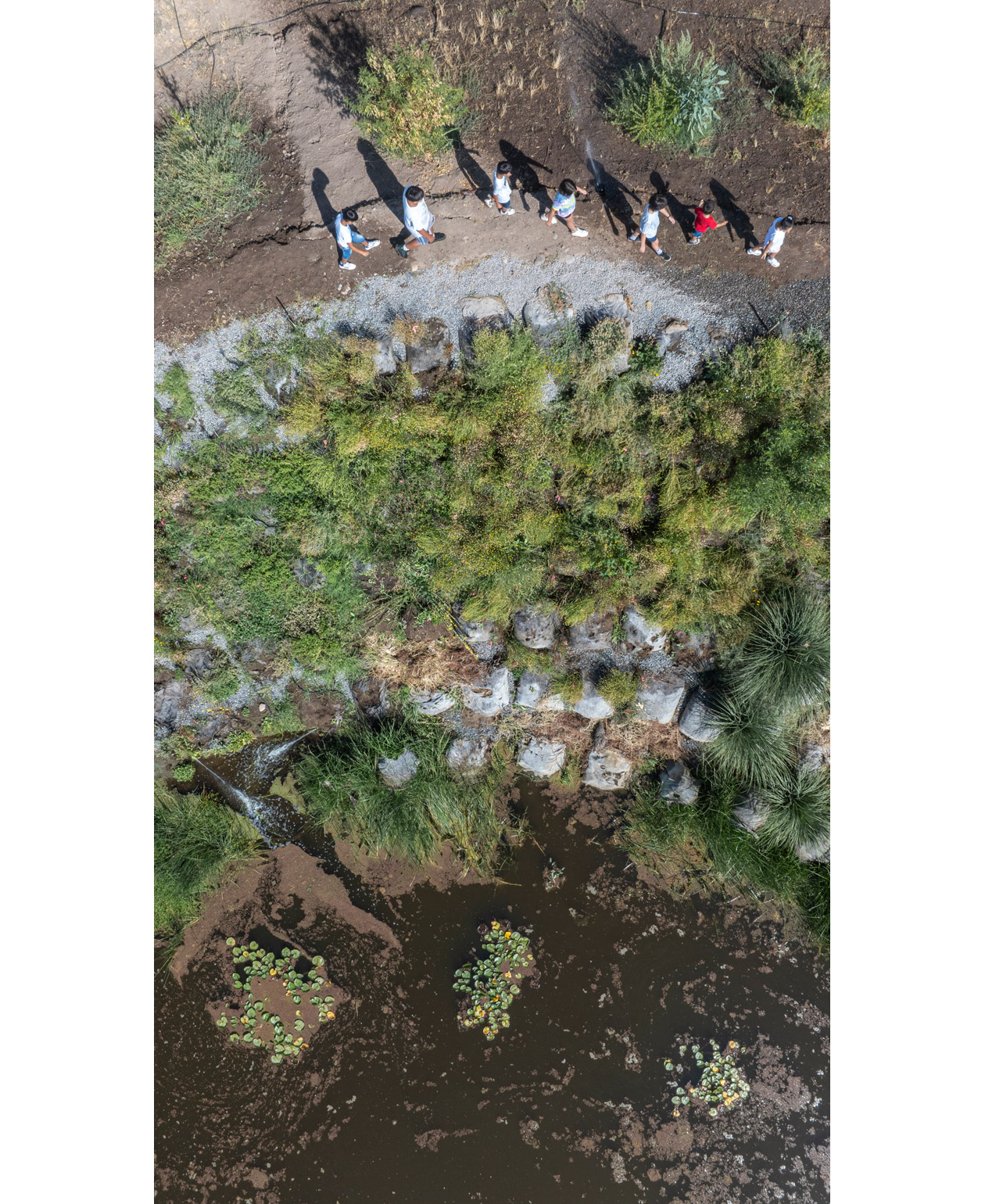
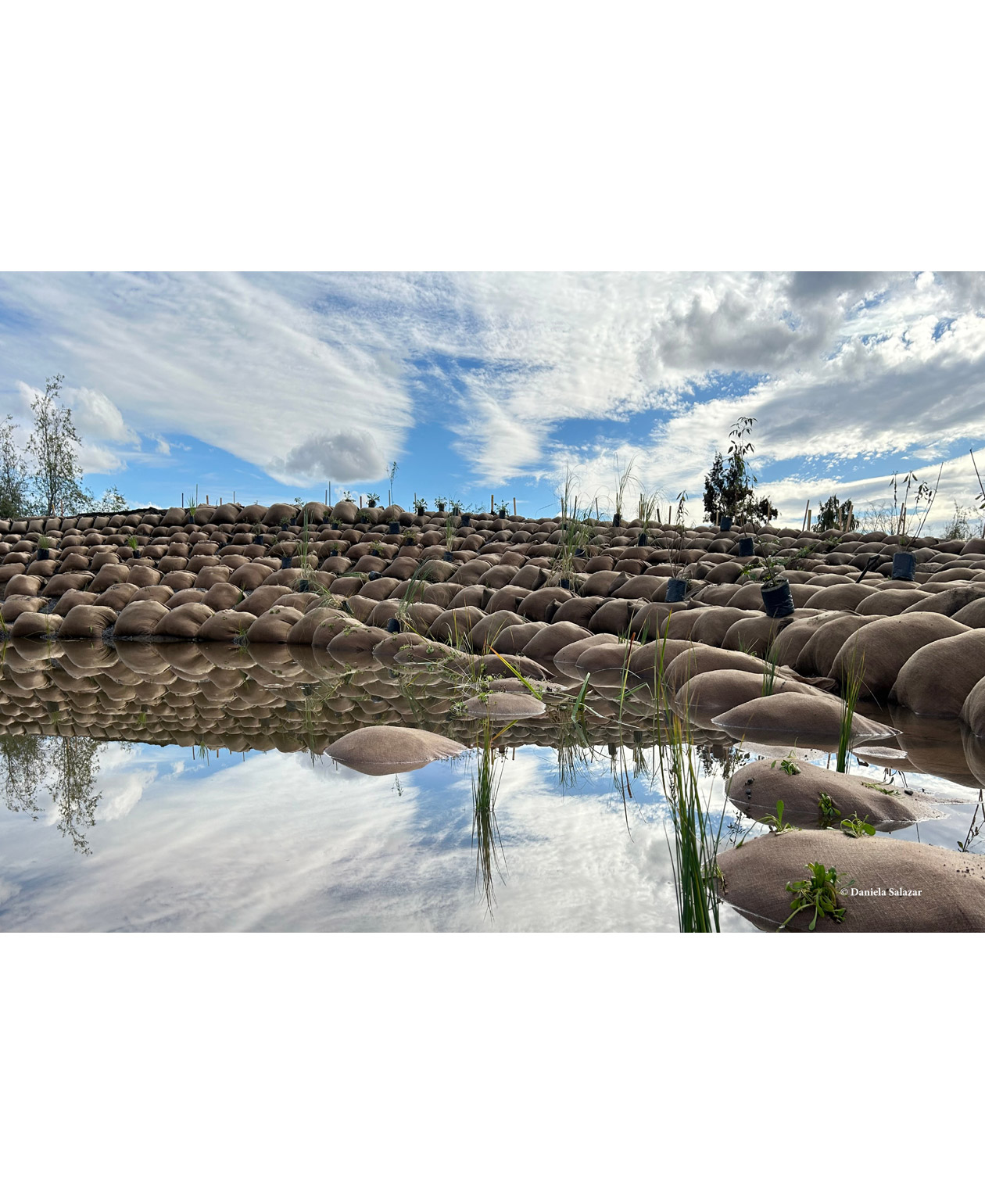
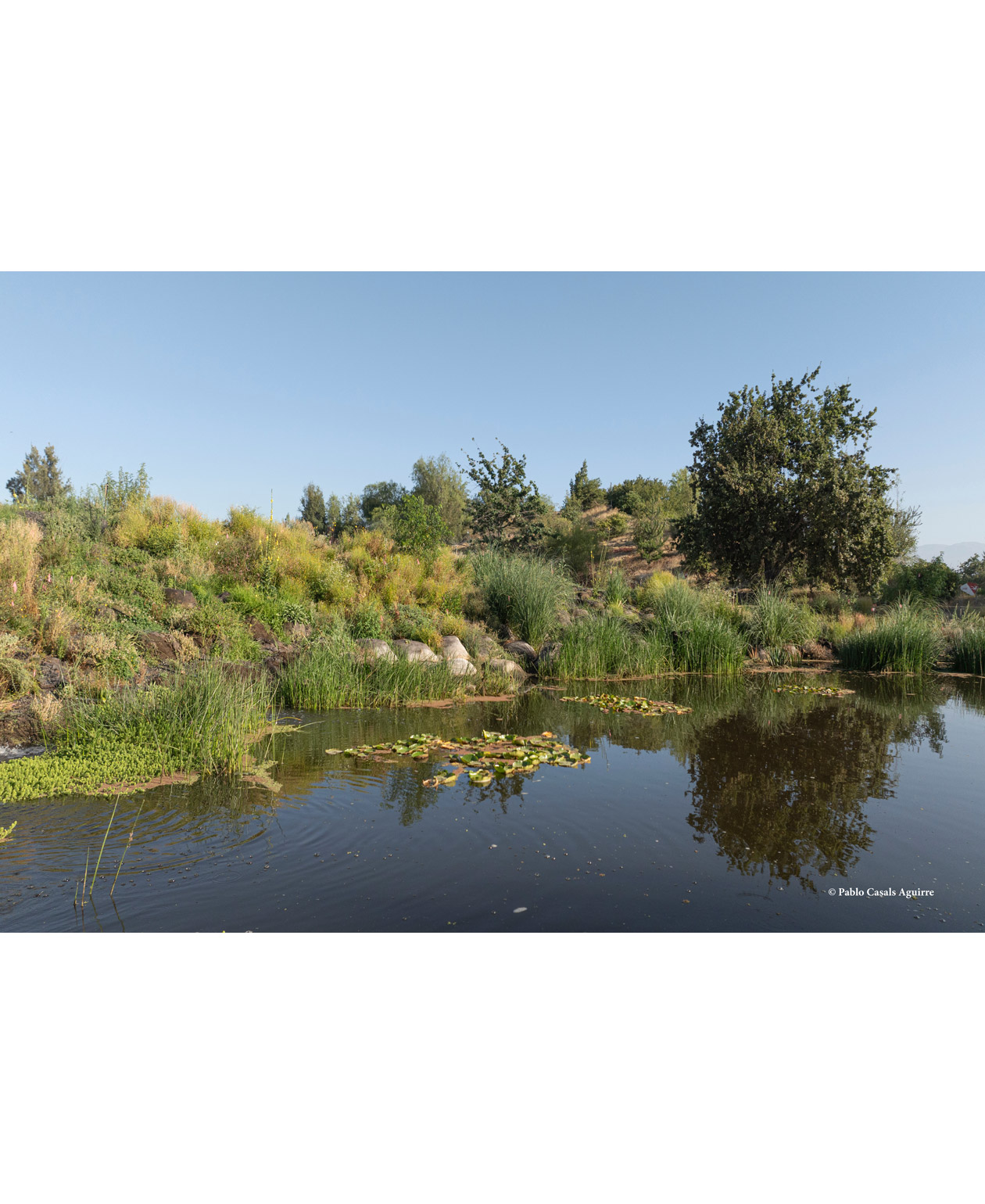
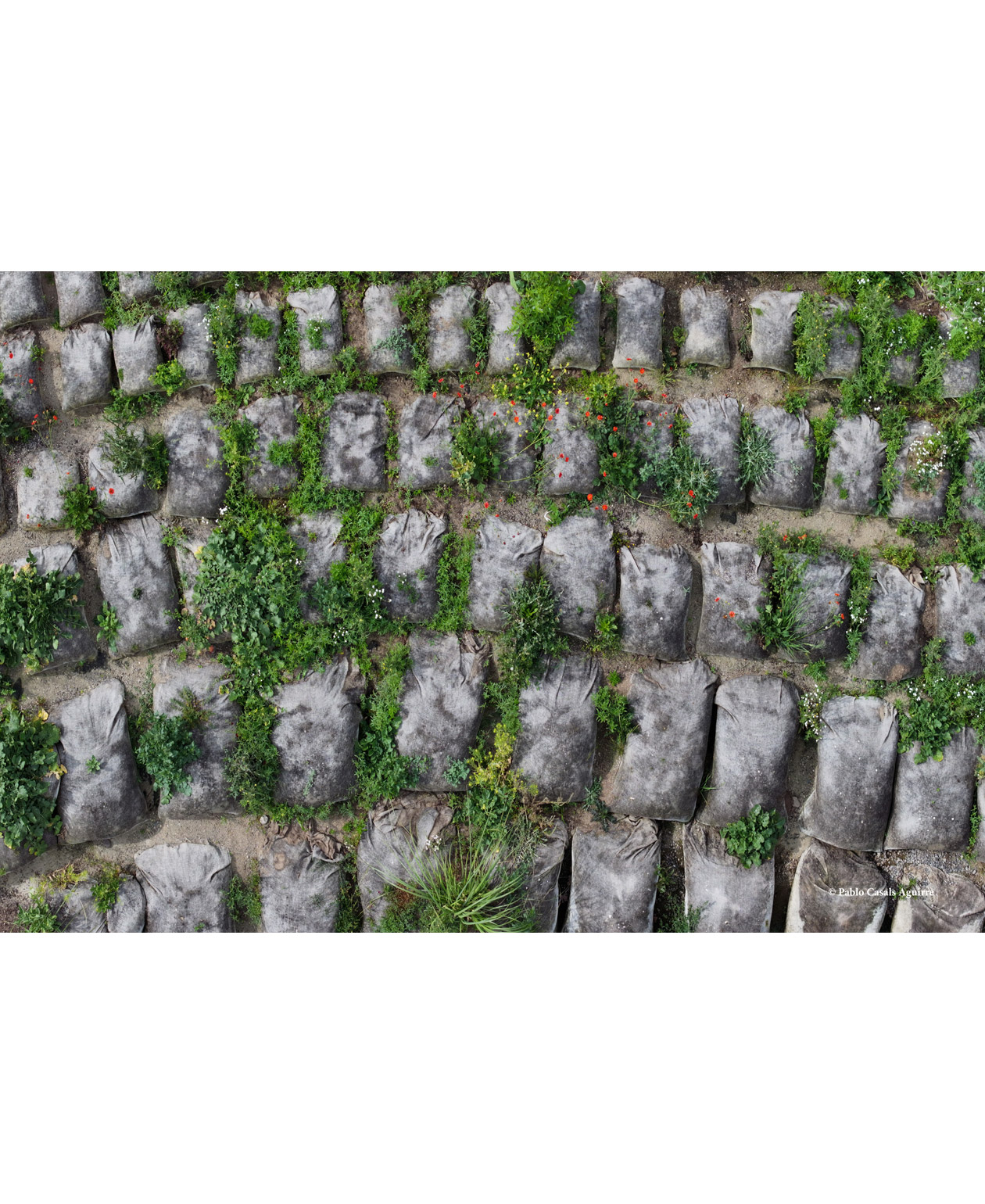
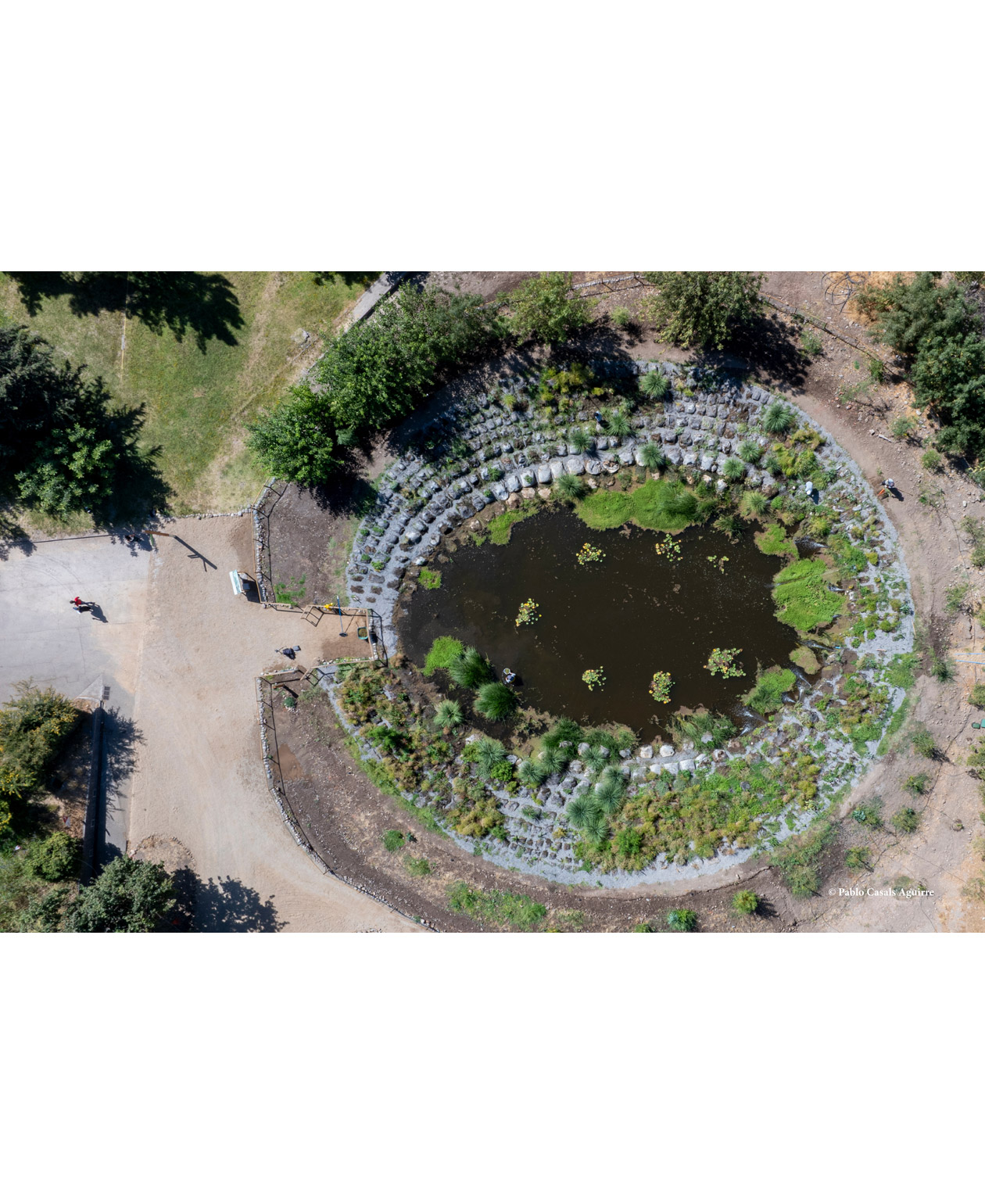
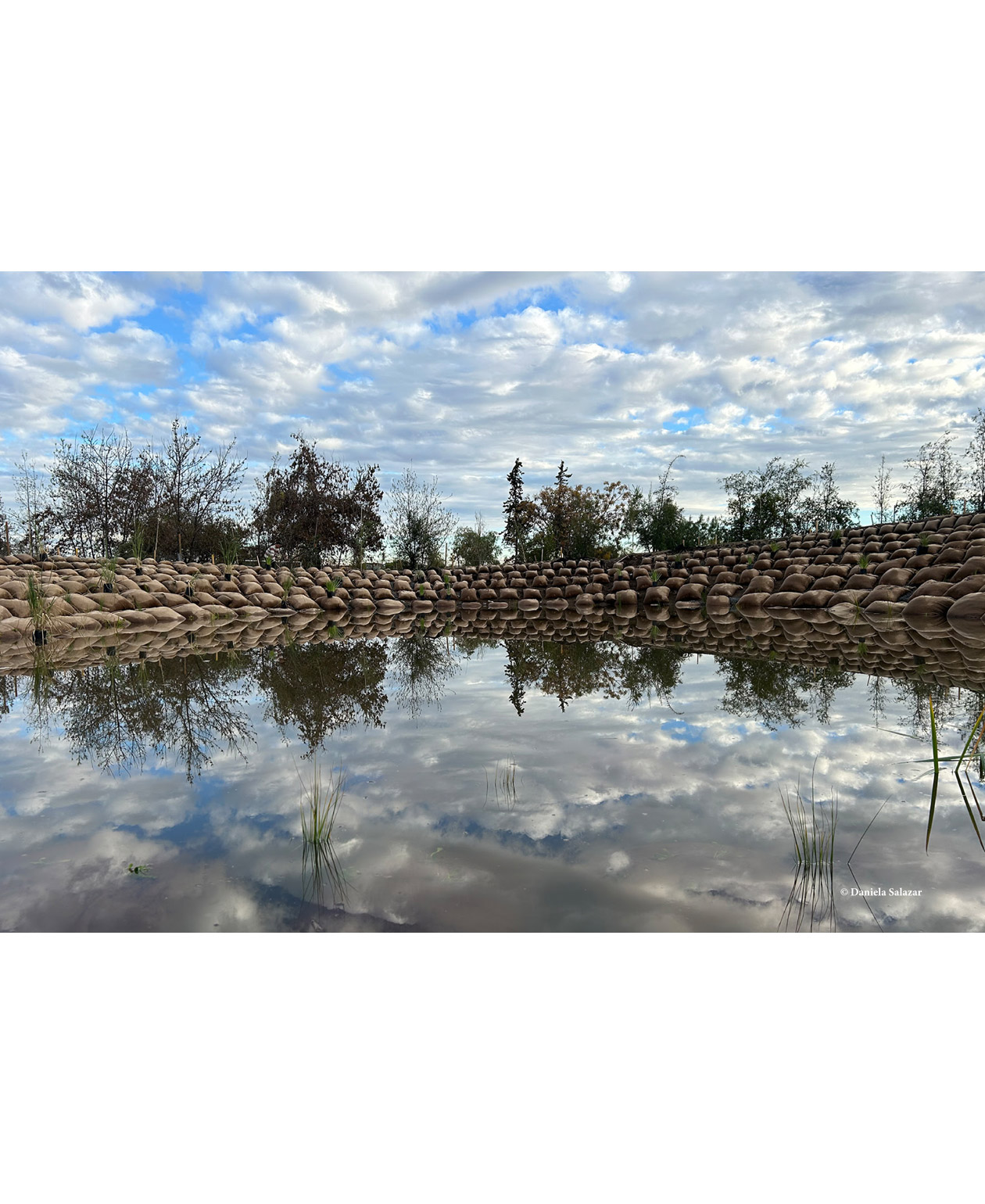
Built from modular jute sacks filled with organic substrate and native vegetation, the installation creates a living landscape that captures moisture, improves soil conditions and supports local biodiversity. The project functions simultaneously as ecological infrastructure, public space and an outdoor learning environment where children and families can directly experience plant life, ecological cycles and climate resilience.
By integrating design, environmental restoration and science communication, Cosmobotanical Mirror demonstrates how public institutions can transform underused urban areas into regenerative spaces that foster coexistence between people, society and nature. Developed by GUN Architects and Common Land Studio.
The project reimagines ecological restoration through a modular system of biodegradable jute sacks that can be assembled, adapted and expanded according to local environmental conditions. Unlike conventional landscaping, the design combines low-cost materials, native vegetation and passive water-retention strategies to create a living ecosystem that evolves over time. Its mirror-like spatial configuration invites observation and discovery, transforming ecological processes into an interactive educational experience. The modular approach enables easy maintenance, flexibility and replication in other drought-prone urban environments.
Located within a museum that welcomes over 400,000 visitors annually, the project brings climate adaptation and biodiversity awareness into everyday public experience. Children, families and educators engage directly with living ecosystems, strengthening environmental literacy and fostering long-term stewardship. The installation demonstrates practical responses to water scarcity while promoting native species and regenerative land management. By making ecological processes visible and accessible, it encourages behavioral change and contributes to a broader culture of sustainability.
Cosmobotanical Mirror proposes a scalable model for climate-resilient public spaces in water-stressed cities worldwide. Its modular design, low-cost materials and adaptability allow implementation across schools, museums, parks and community spaces. By combining ecological restoration, environmental education and social participation, the project offers a replicable framework for transforming degraded urban landscapes into regenerative infrastructures that strengthen biodiversity, climate resilience and public engagement with nature.