


Datecrete Datecrete transforms discarded date pits into a cement-free, petrochemical-free architectural material rooted in regional industry, science and building heritage



- Nationality
- United Arab Emirates
- Group
- Datecrete Studio & Lab FZC
About Project
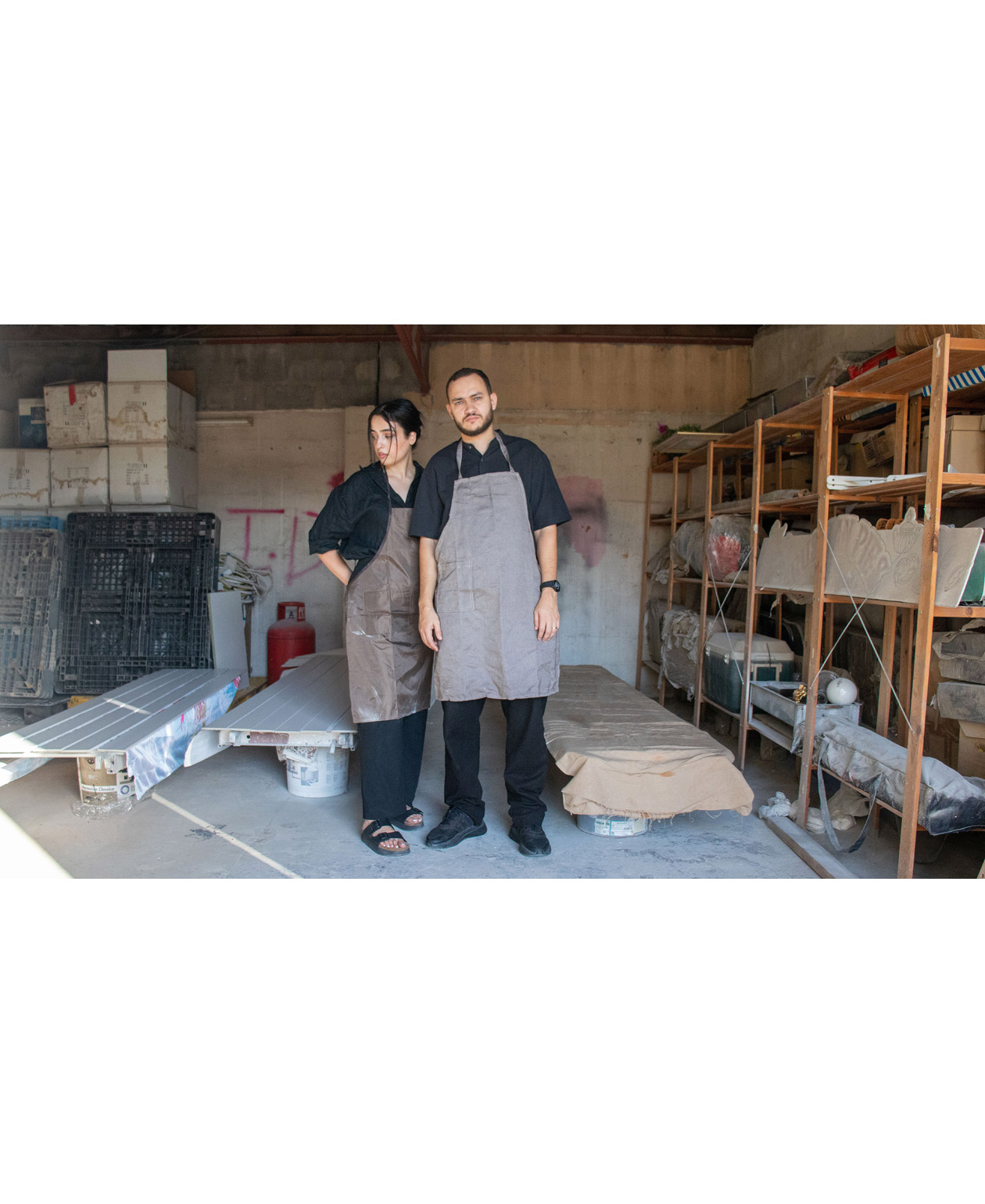
Datecrete is an architectural material developed by Datecrete Studio & Lab FZC in the United Arab Emirates utilizing date pits, free from cement, resins, and petrochemical-based materials. It transformed date pits—a byproduct generated in large quantities by the regional food industry but previously considered to have low utilization value—into a new material usable for architectural finishes, furniture, and spatial products. This is a project designed as a material applicable to architecture and spaces by newly exploring the physical properties and processability of resources discarded in the region.
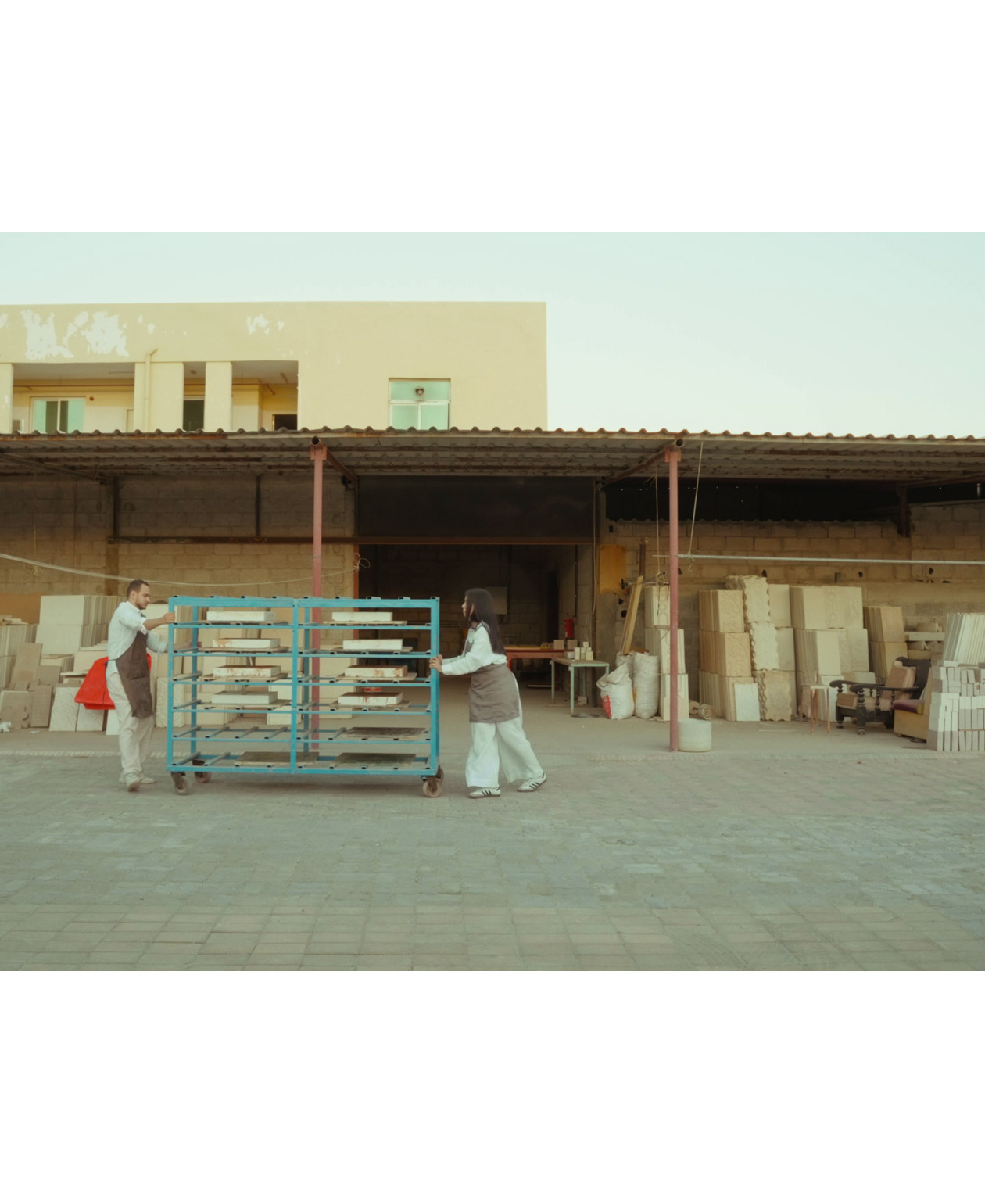
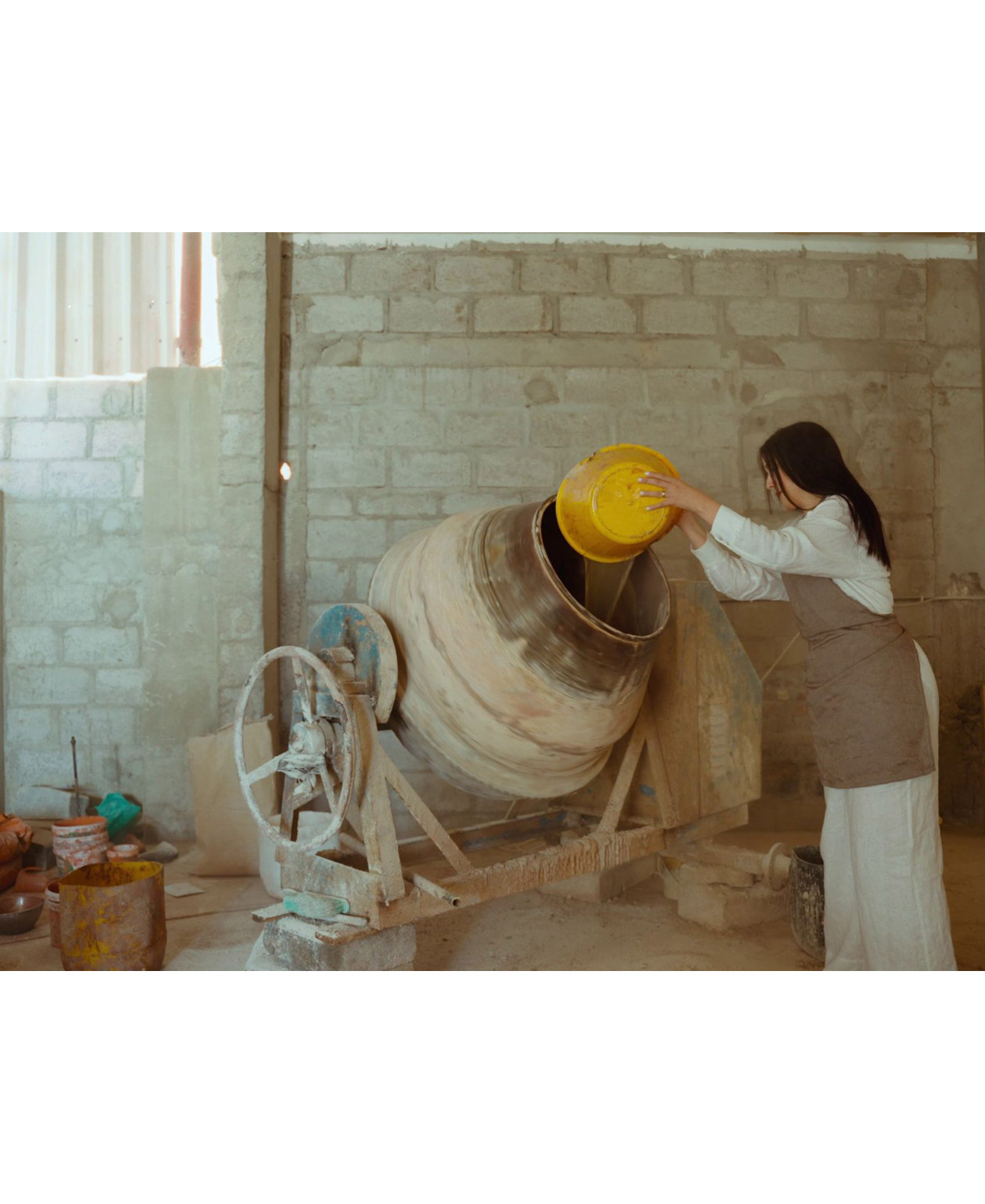
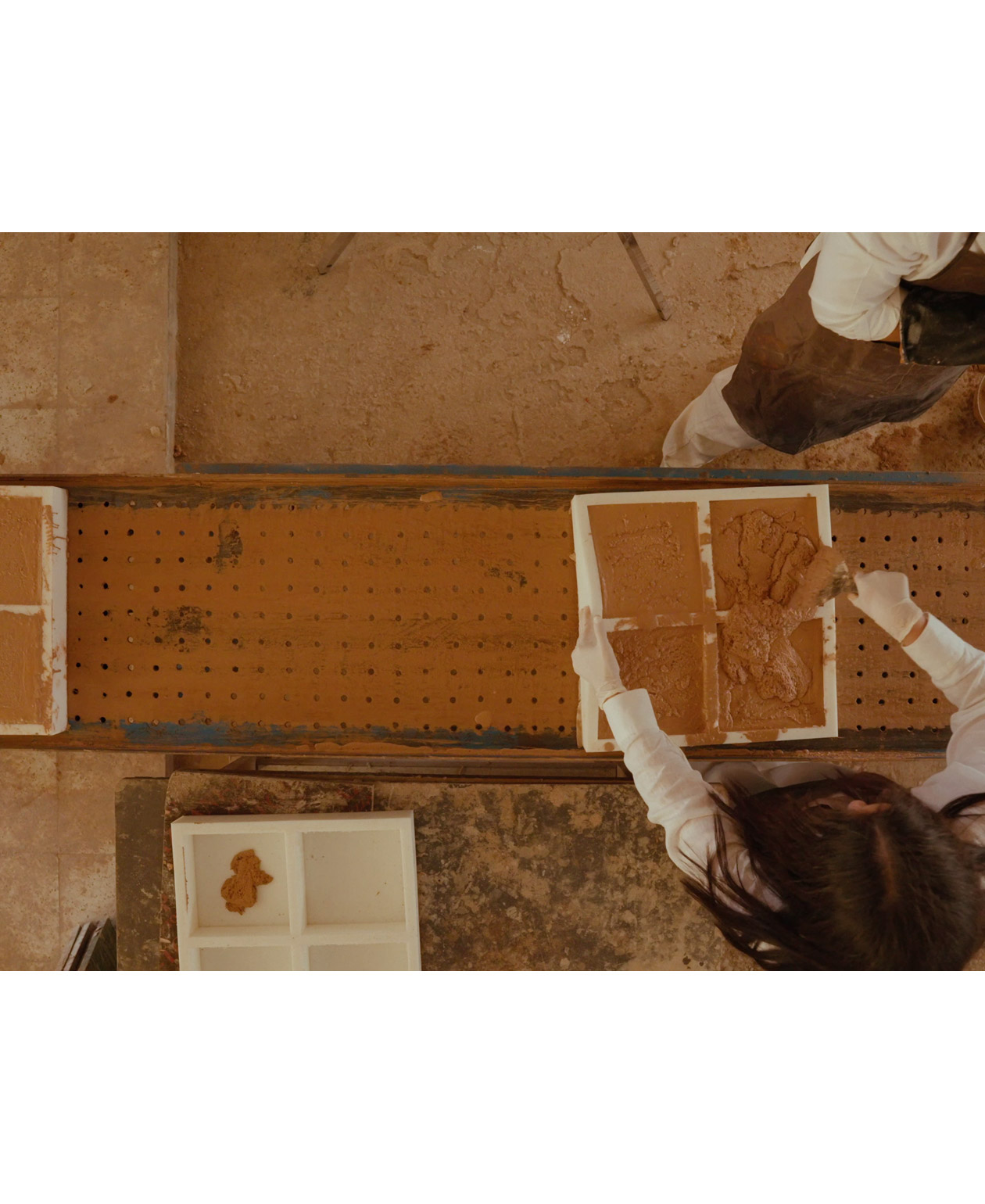
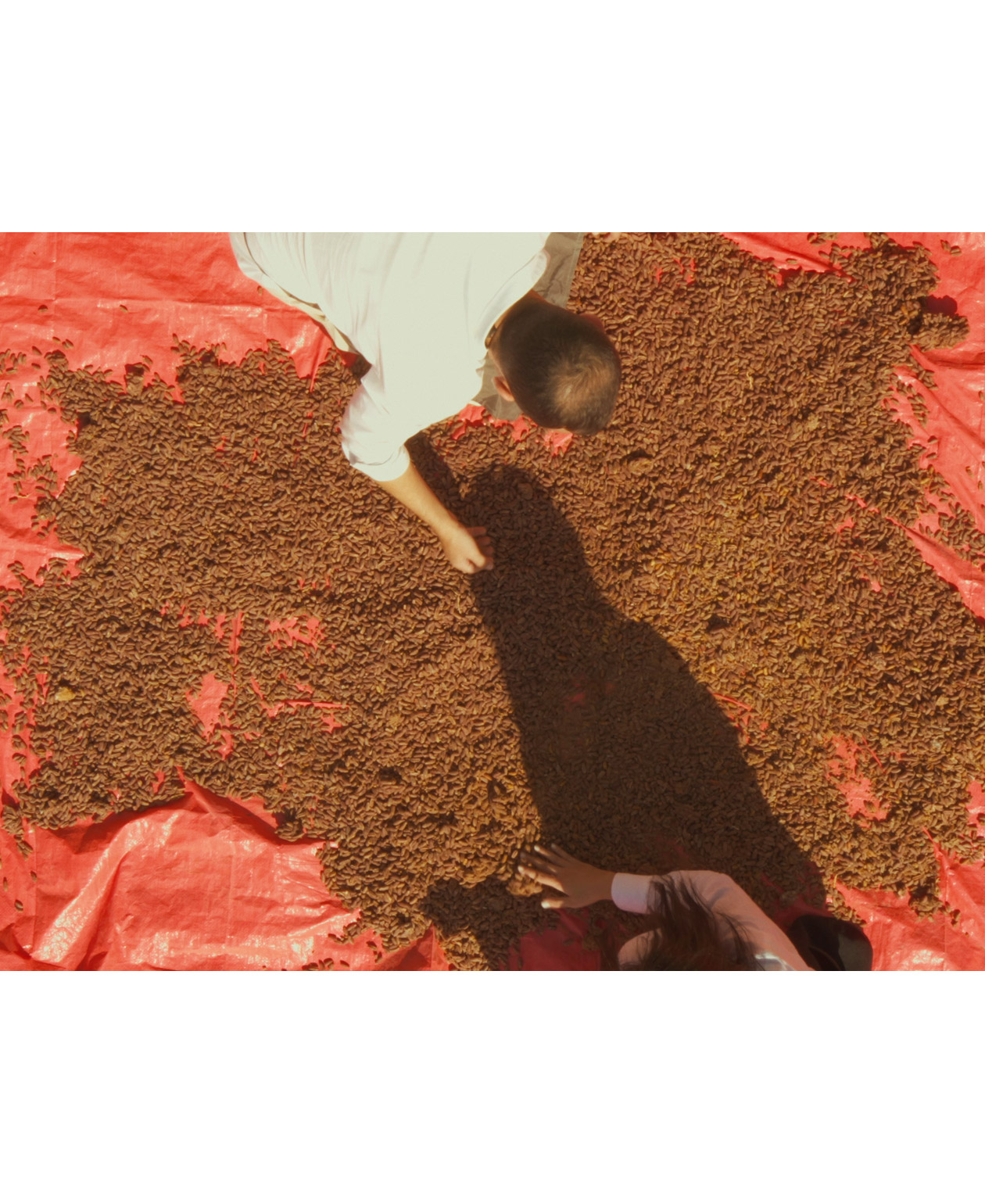
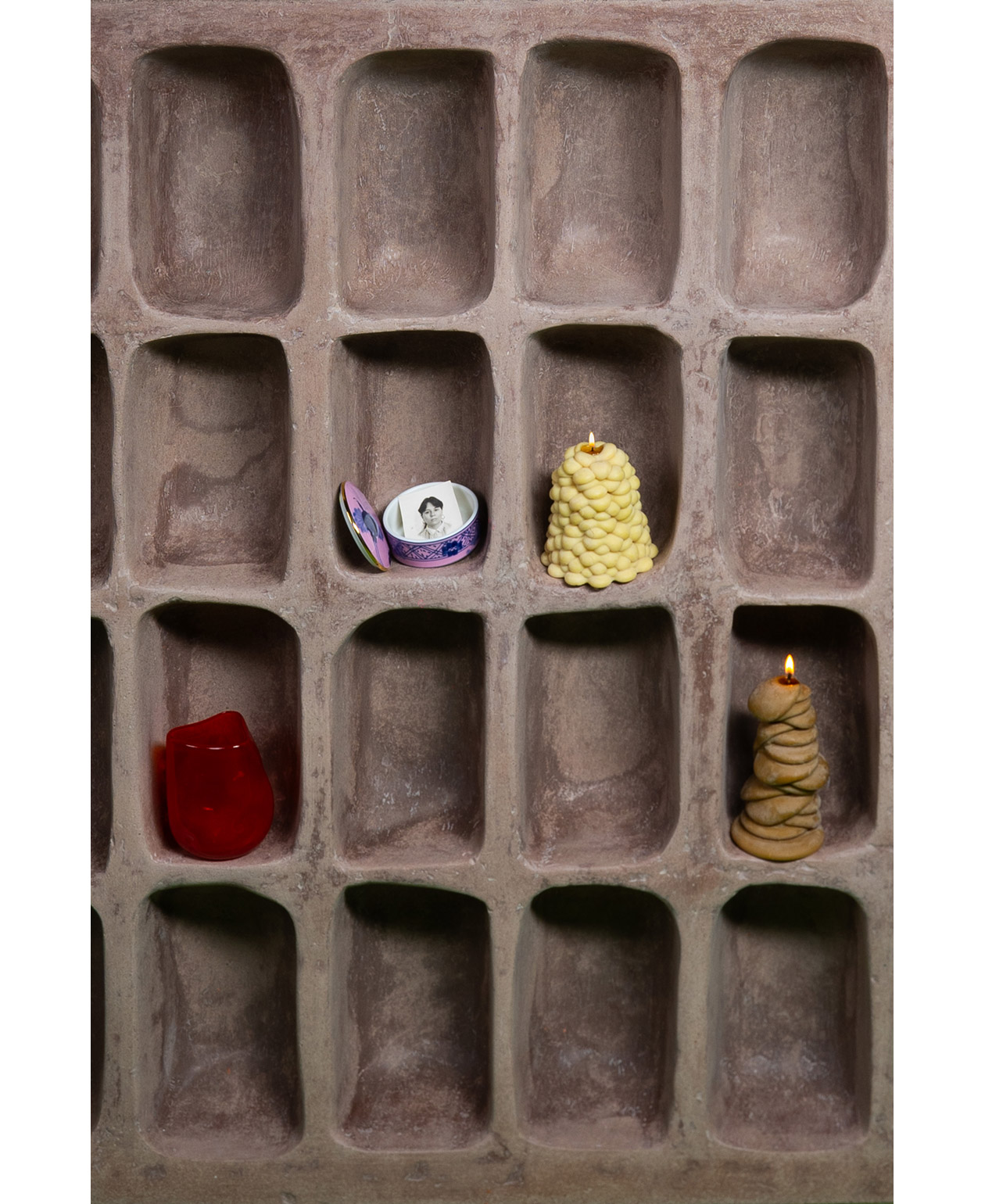
Date pits are washed and dried through an in-house process, then classified and processed according to size and characteristics, and mixed with a natural binder system developed based on regional building technologies that predate the widespread use of Portland cement. This binder system is currently patent-pending. The completed composite material can be poured into molds and formed, and can be produced in various forms such as tiles, interior and exterior cladding, furniture, lighting elements, and daily lifestyle objects. Depending on the intended use, finishes such as sanding, polishing, and coating are also applied. From the material manufacturing stage to molding and surface finishing, it is connected into a single process to respond to various shapes and functions.
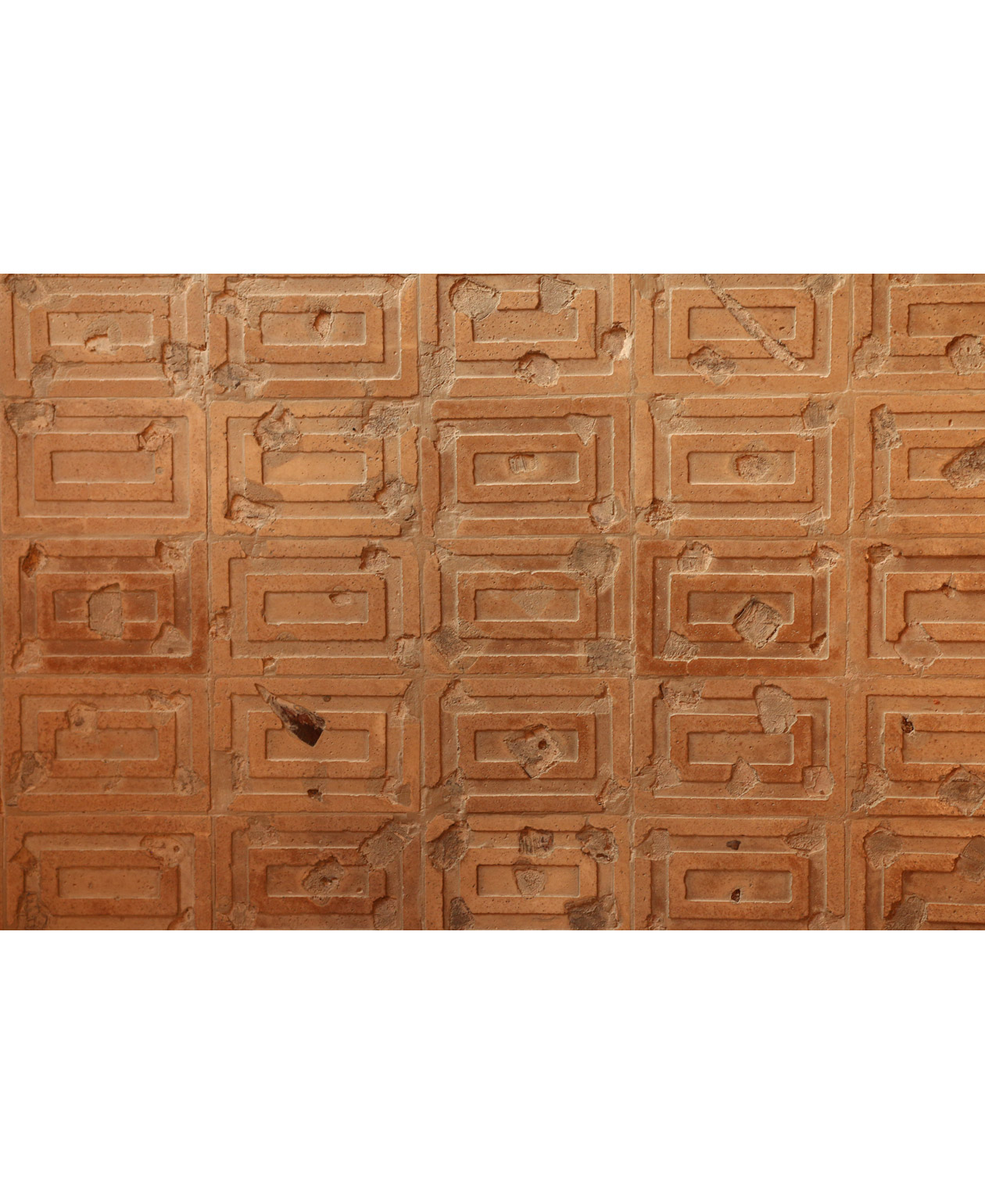
The core of this project lies not in simply utilizing date pits as surface decorative elements, but in building an architectural material system centered around them. By controlling molds, pigments, the size and arrangement of seed particles, and surface finishes, a single raw material can be expanded into products of different shapes and uses. Even with the same material, different textures and expressions can be realized depending on the particle size and arrangement, color, and finish, making the material itself a design element that determines the product's shape and surface. Rather than stopping at creating a single specific product, it was developed as a material platform that can be utilized in various areas of architecture and spatial design.
Through this, agricultural byproducts generated in the region are transformed into materials for long-lasting architectural elements such as floors, walls, furniture, and public interior spaces. It presents an alternative to cement, resins, and petrochemical-based materials used in conventional architectural finishes while simultaneously repurposing discarded local resources for new uses.
It is also important that the origin and characteristics of the material can be verified even in the finished product. By exposing the shape and texture of date pits on the surface without hiding them, users can directly see and feel the relationship between regional agriculture and resource circulation in their daily spaces. Rather than removing traces of waste, the material's inherent color and texture were utilized as visual and tactile characteristics. This is a method of conveying sustainability not just through technical performance, but through the experience of the material.
In addition, by utilizing regional agricultural byproducts and traditional building technologies together in modern material development, it demonstrates the possibility of design based on the region's environment, culture, and industry. Instead of bringing in new materials from outside, it is an approach of developing materials suited to the region by utilizing locally generated resources and accumulated architectural knowledge.
Long-term, the goal is to expand the scope of application beyond current bespoke manufacturing into architectural fields capable of repetitive production, such as tiles, interior/exterior cladding, and modular systems. Because a single composite material can be applied to various products, production methods and scales can be adjusted to utilize it in broader architectural and spatial designs. It aims for a scalable material system that leads from material development to individual products, architectural finishes, and spatial applications.
This approach is not limited to date pits alone. In other regions as well, low-value plant-based agricultural byproducts can be re-examined as regional architectural resources and developed into new material systems tailored to each region's materials and technologies. By connecting regional agricultural byproducts, building technologies, industry, and design, it presents the possibility of developing sustainable architectural materials not as universal products supplied from outside, but tailored to each region's resources and environment.