


Edge : Energy in Life, Result in Sight Mobile Solar Power Generation Robots for Citizen-Centric Urban Energy Infrastructure




- Nationality
- Korea
- Group
- Korea University, School of Art & Design
About Project
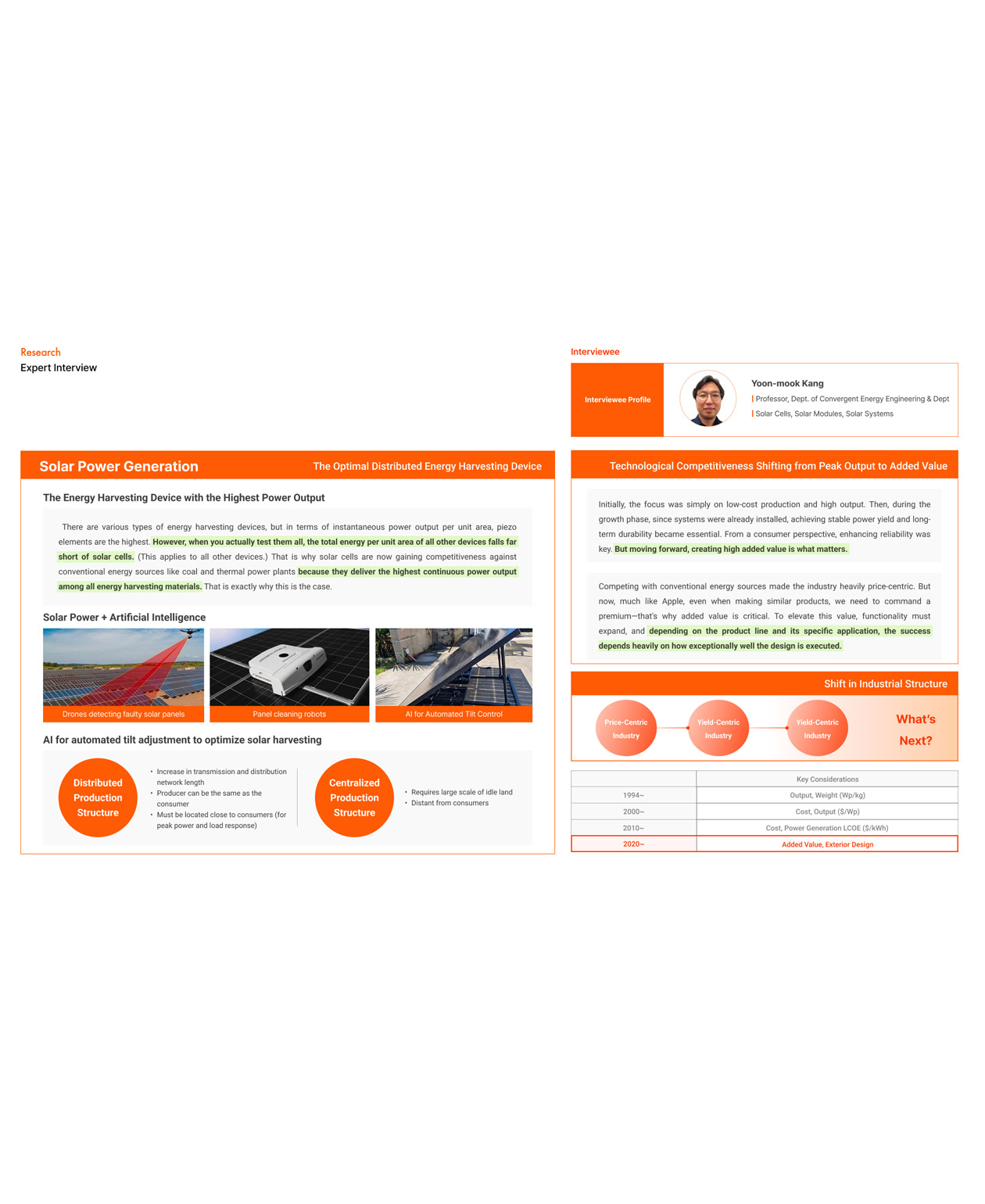
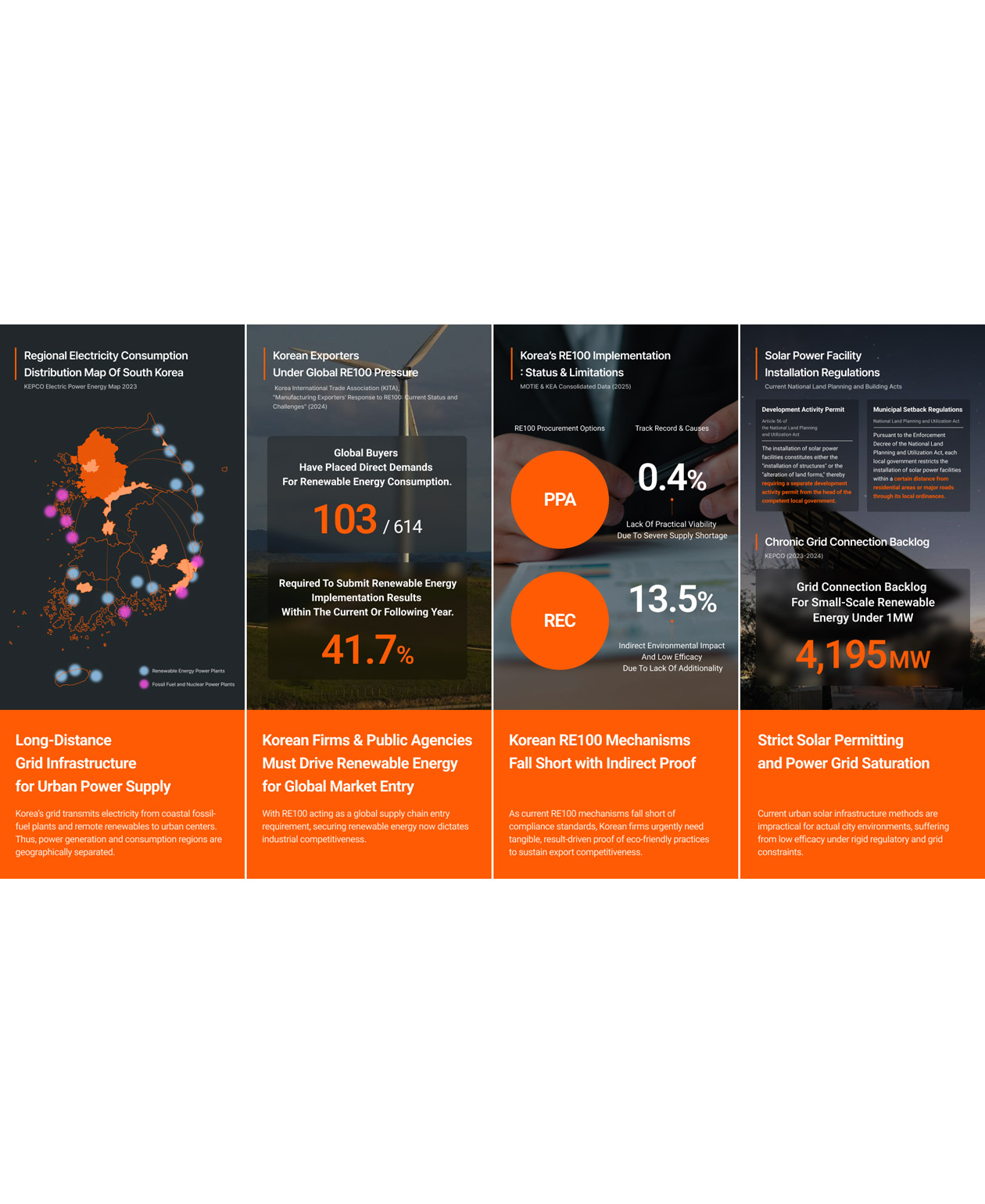
Urban electricity in Seoul, South Korea, is largely generated by massive thermal power plants located far away from this ultra-high-density metropolis. The extensive transmission infrastructure required to send power over these long distances suffers from persistent energy loss and severe grid saturation, making traditional centralized thermal plants entirely incompatible with tightening global environmental regulations.
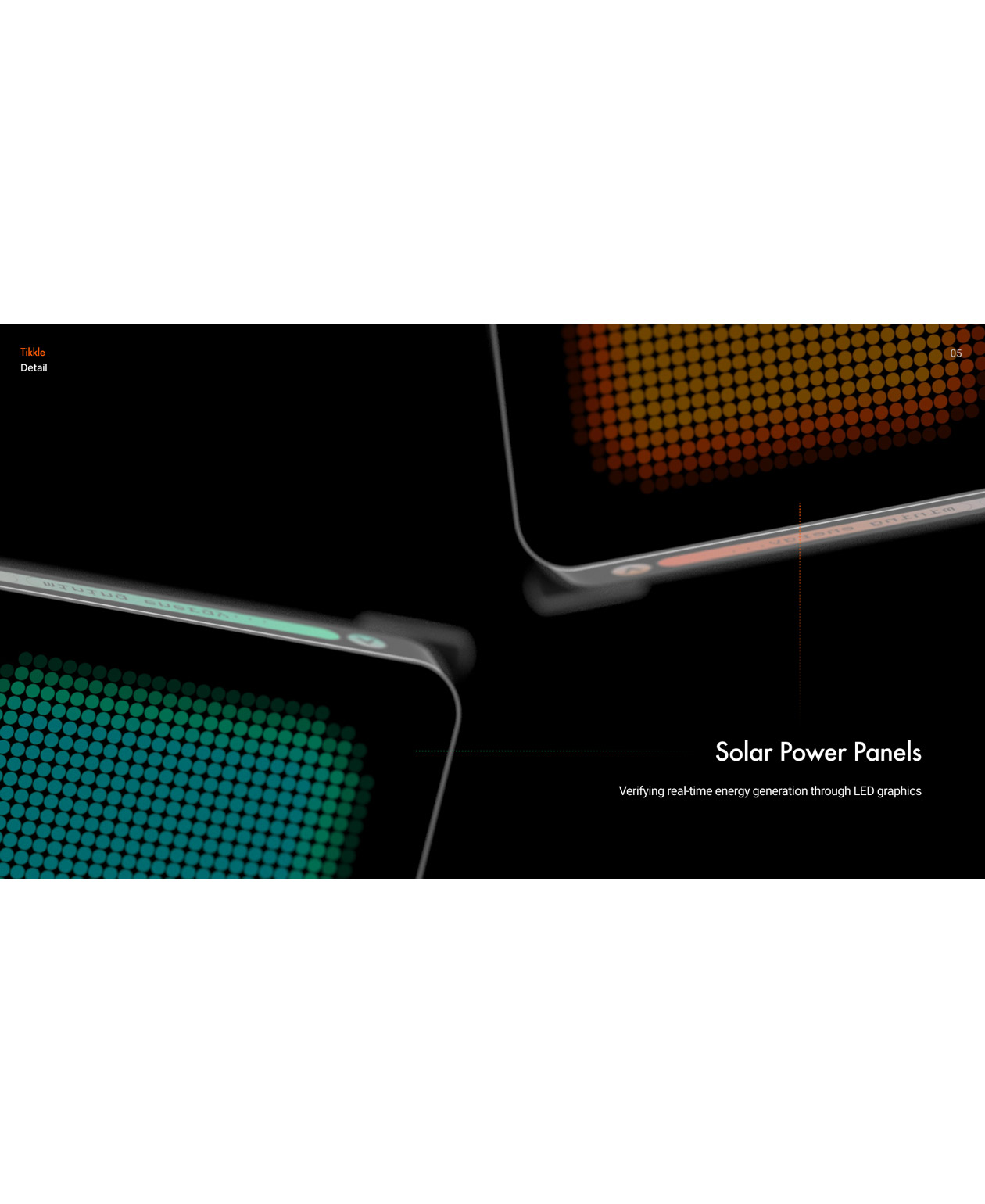
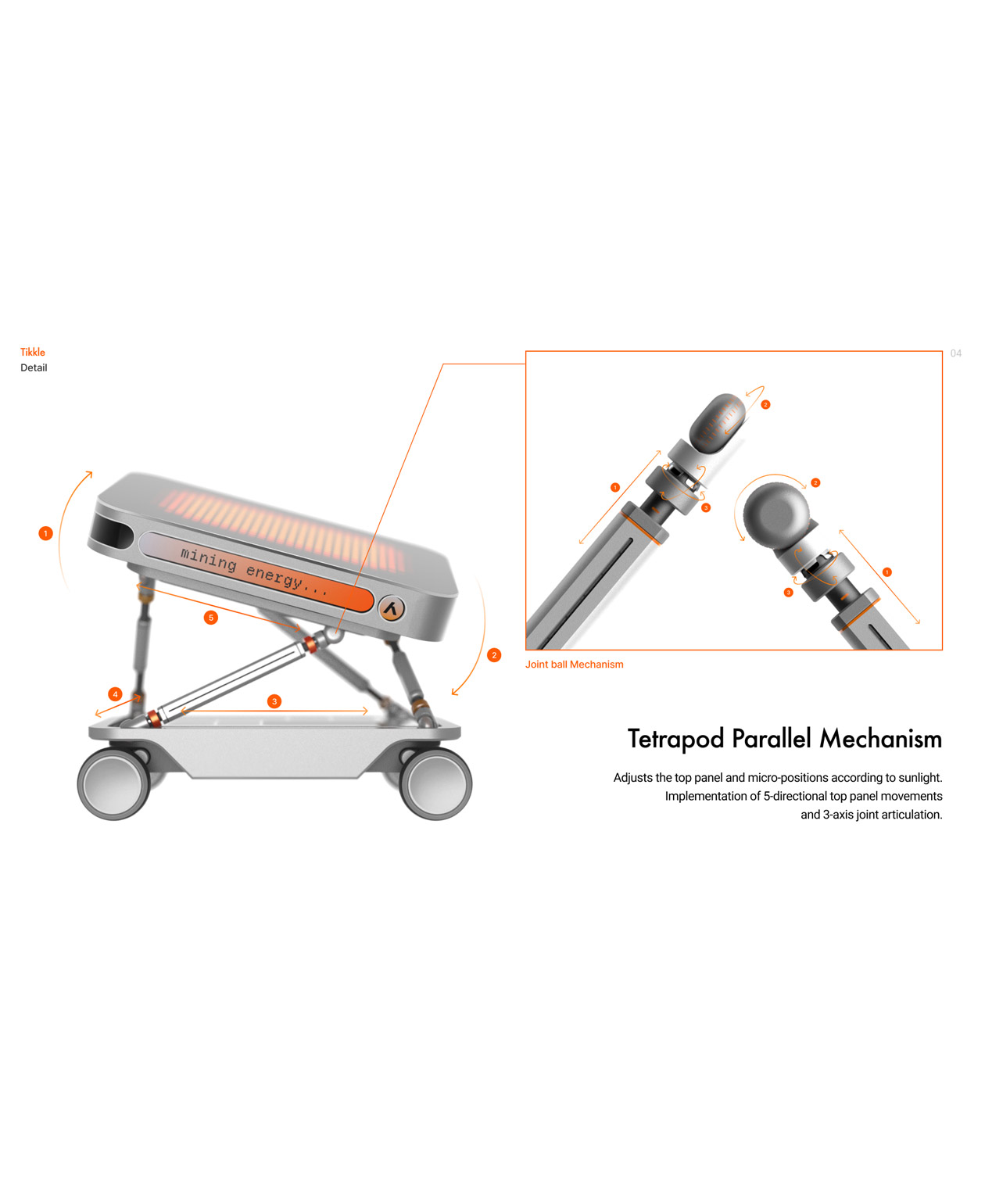
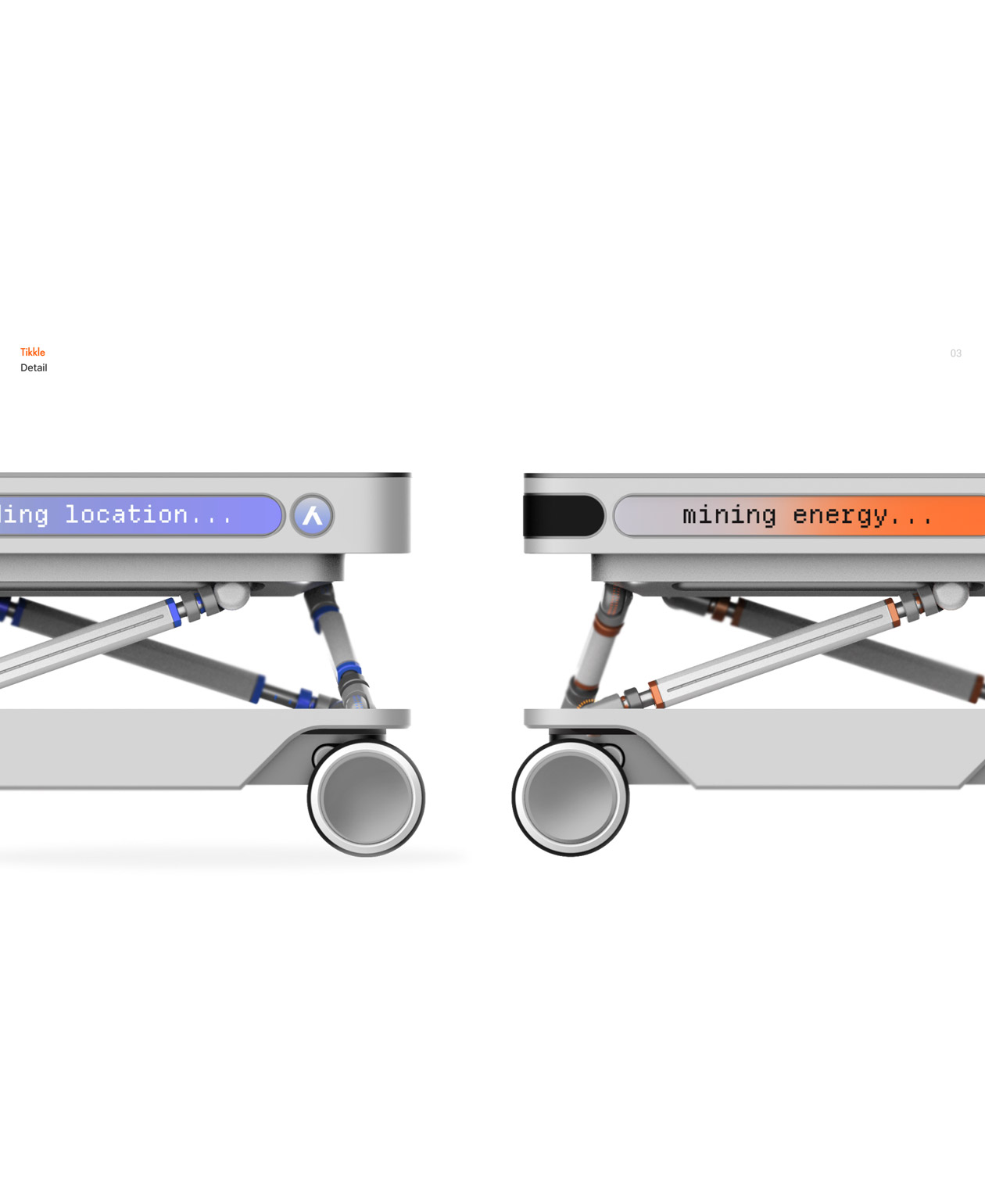
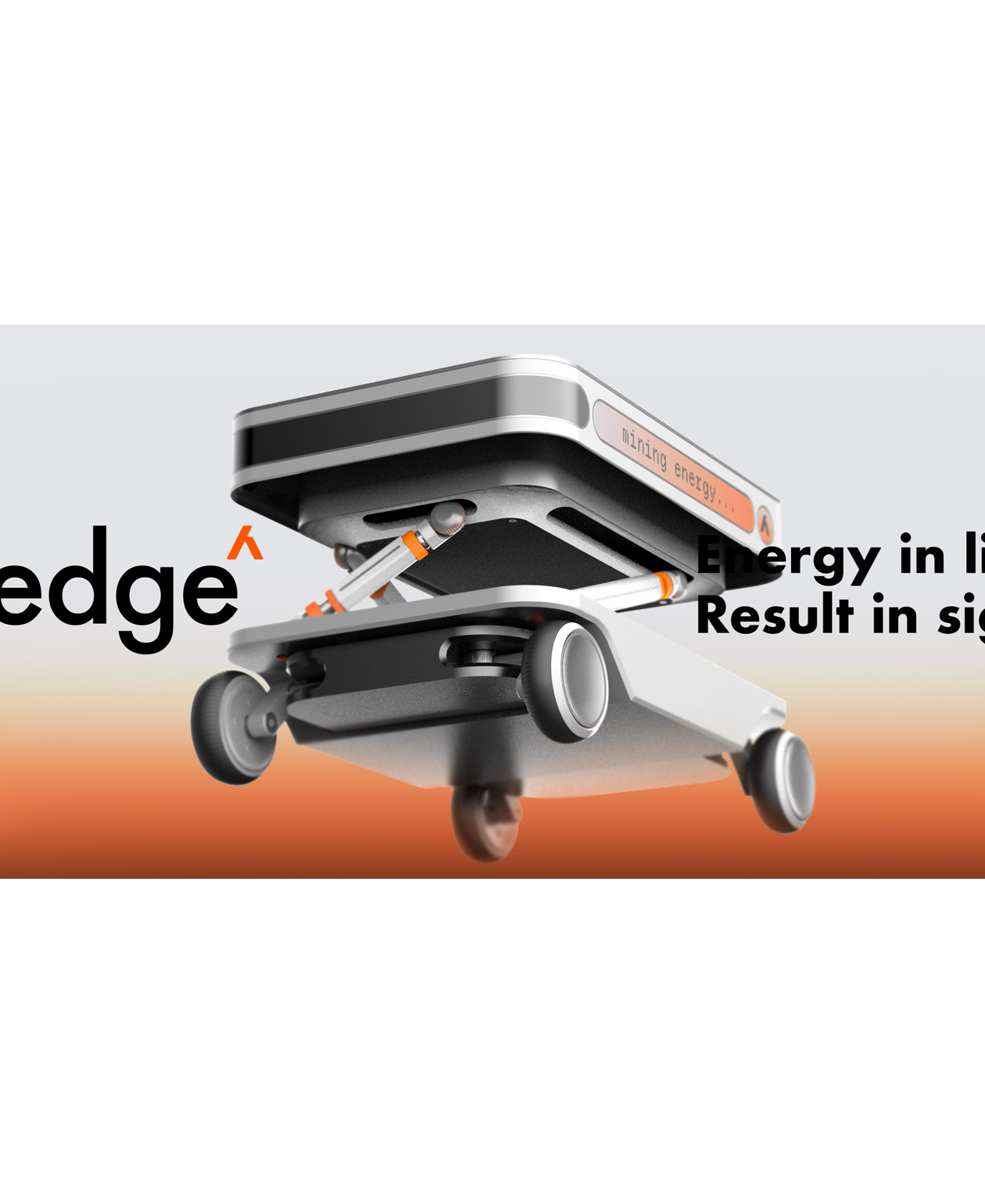
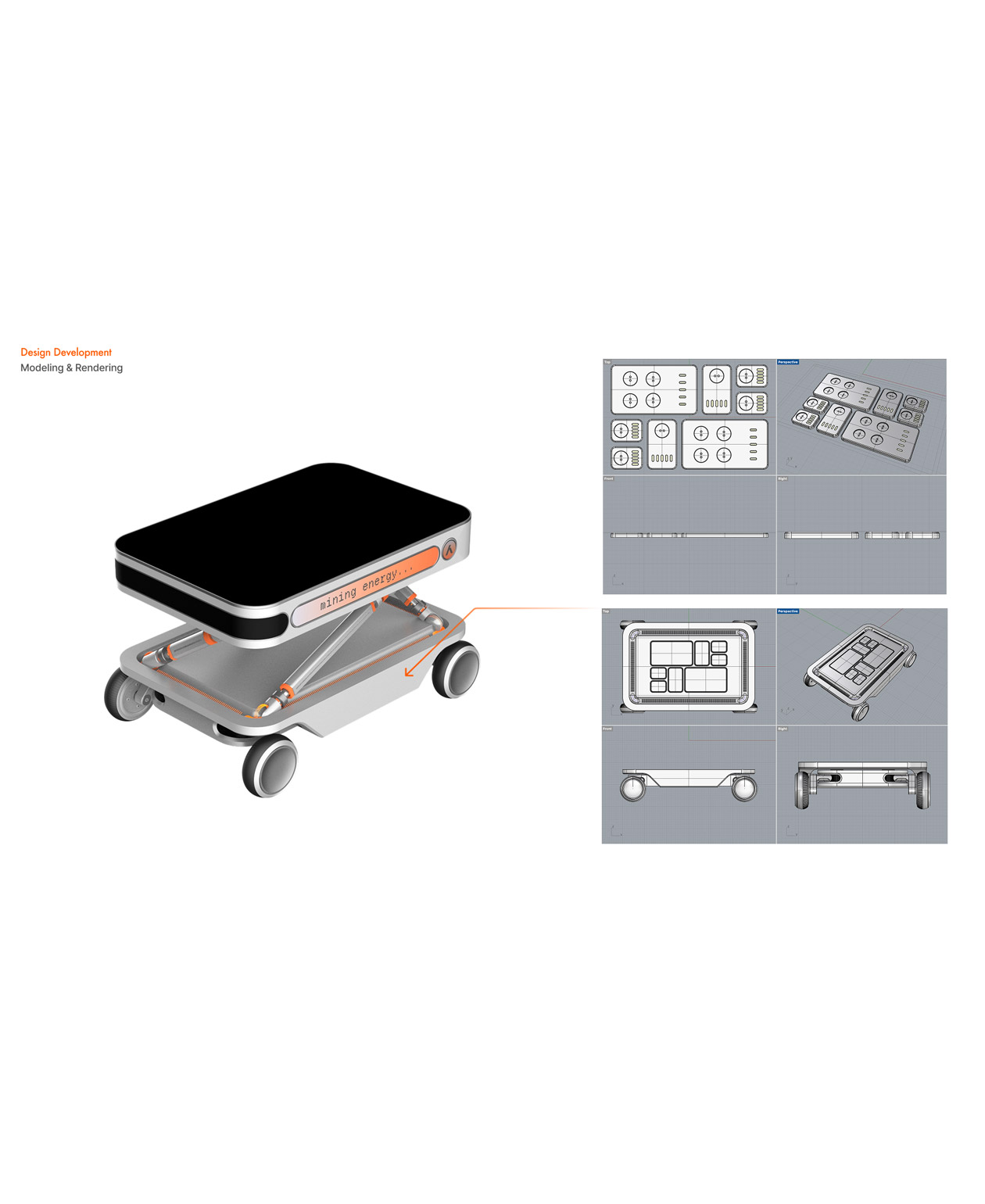
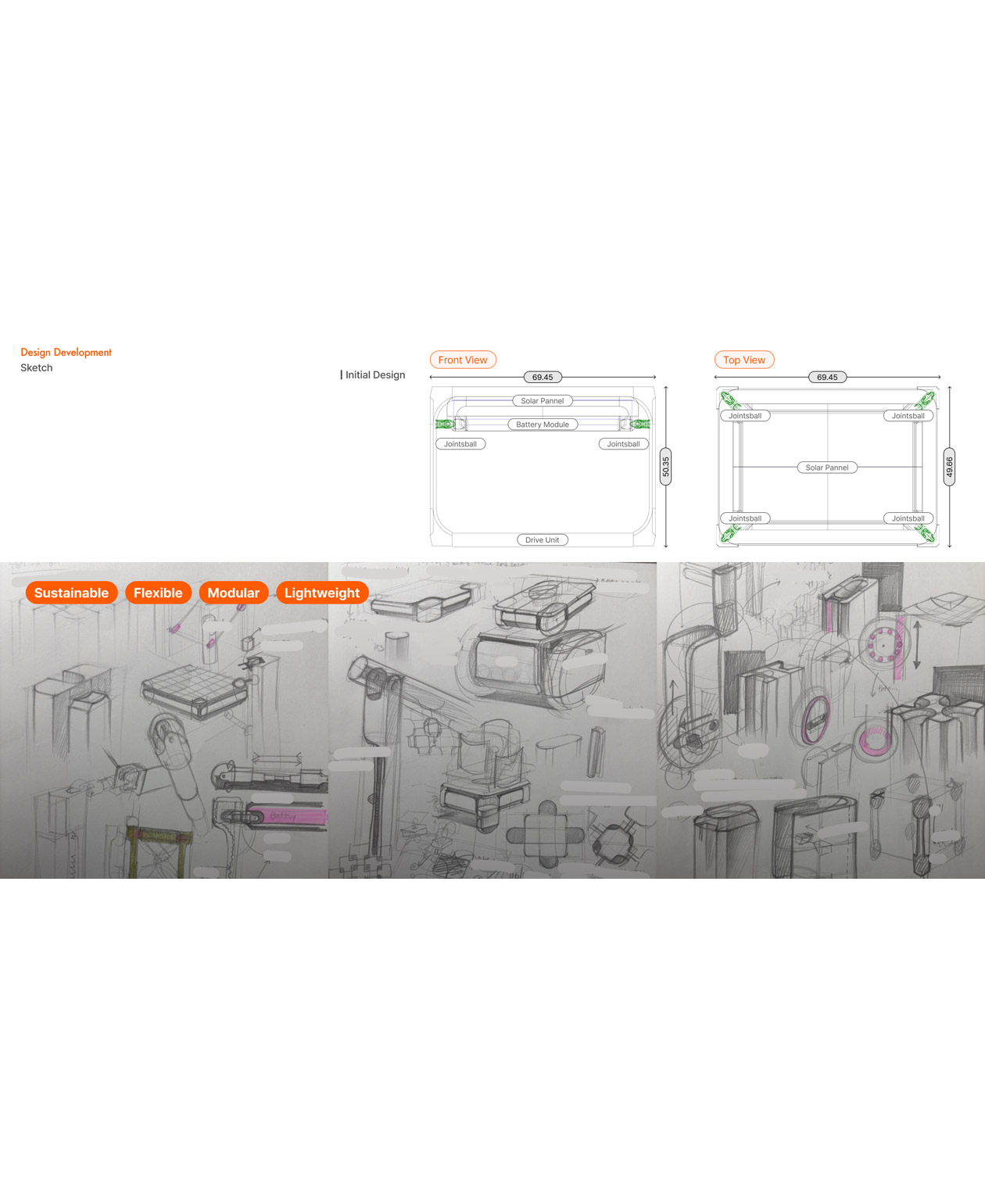
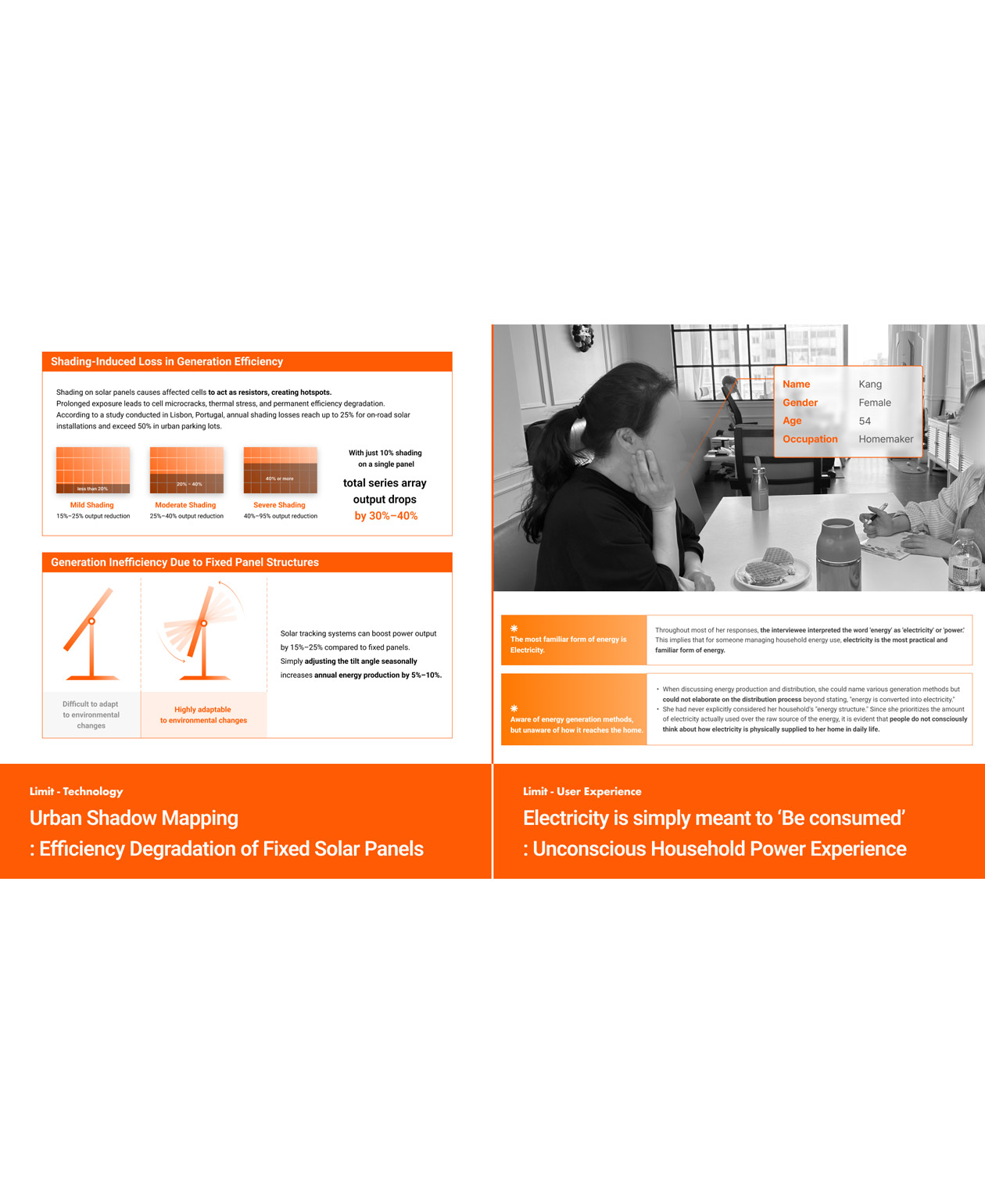
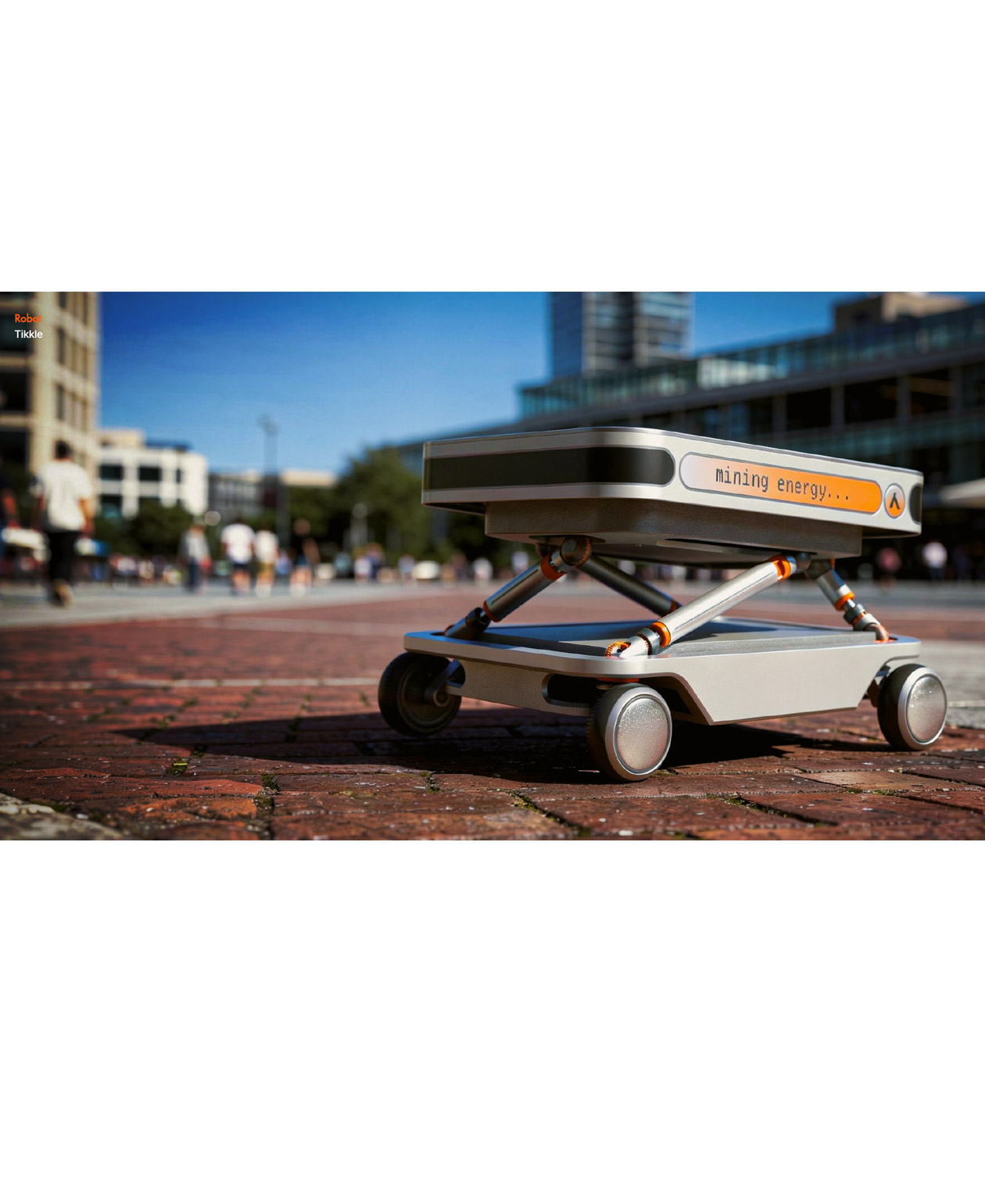
To resolve this, Edge introduces a viable, physical AI-powered solar energy infrastructure system tailored for urban environments. Traditional fixed solar panels installed in metropolitan areas constantly struggle to secure permanent development sites while experiencing heavy efficiency drops caused by building shadows. Edge solves this problem through Tikkle, a mobile solar-generating robot equipped with an adaptive illuminance tracking mechanism to maximize clean energy production wherever sunlight is accessible.
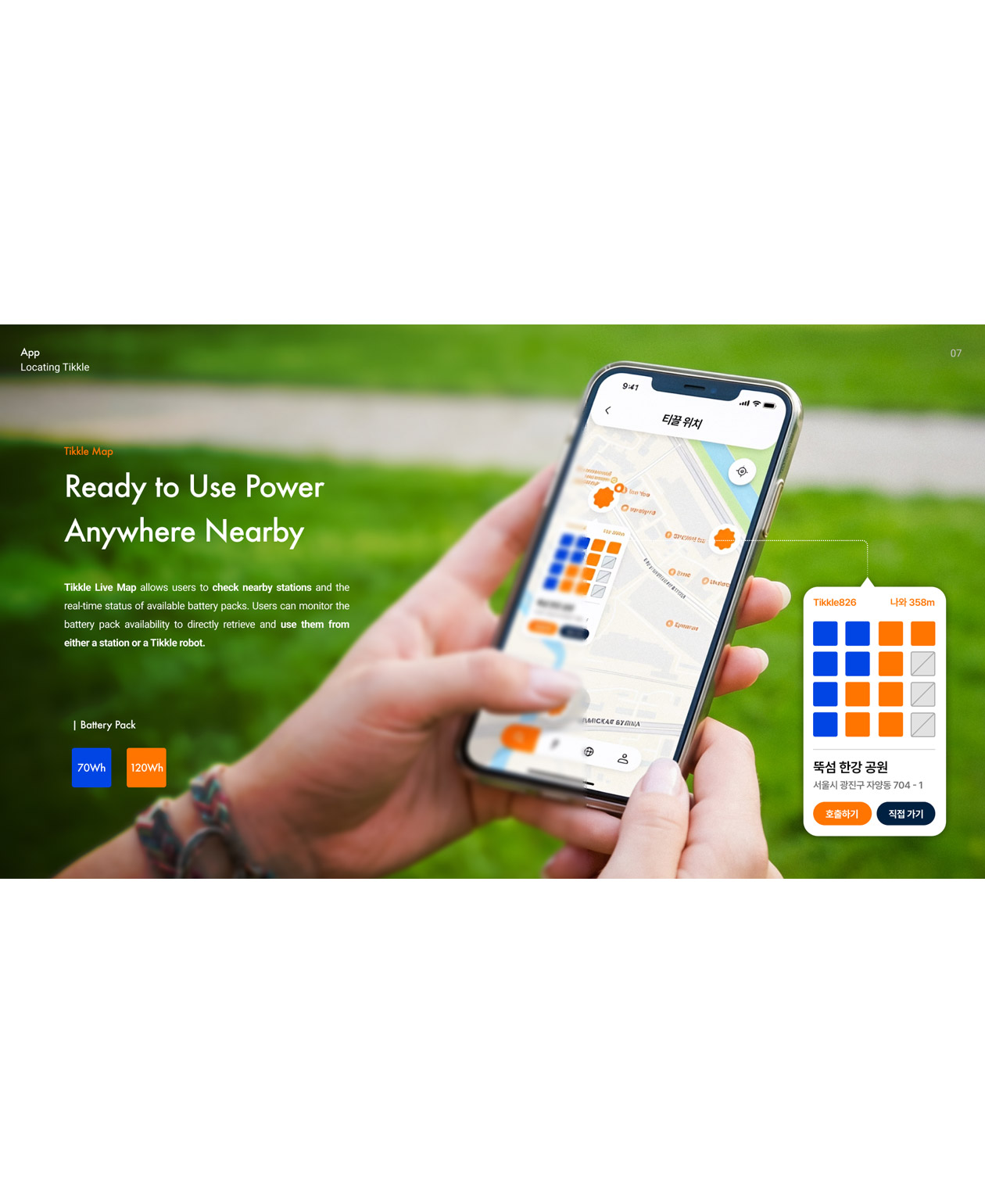
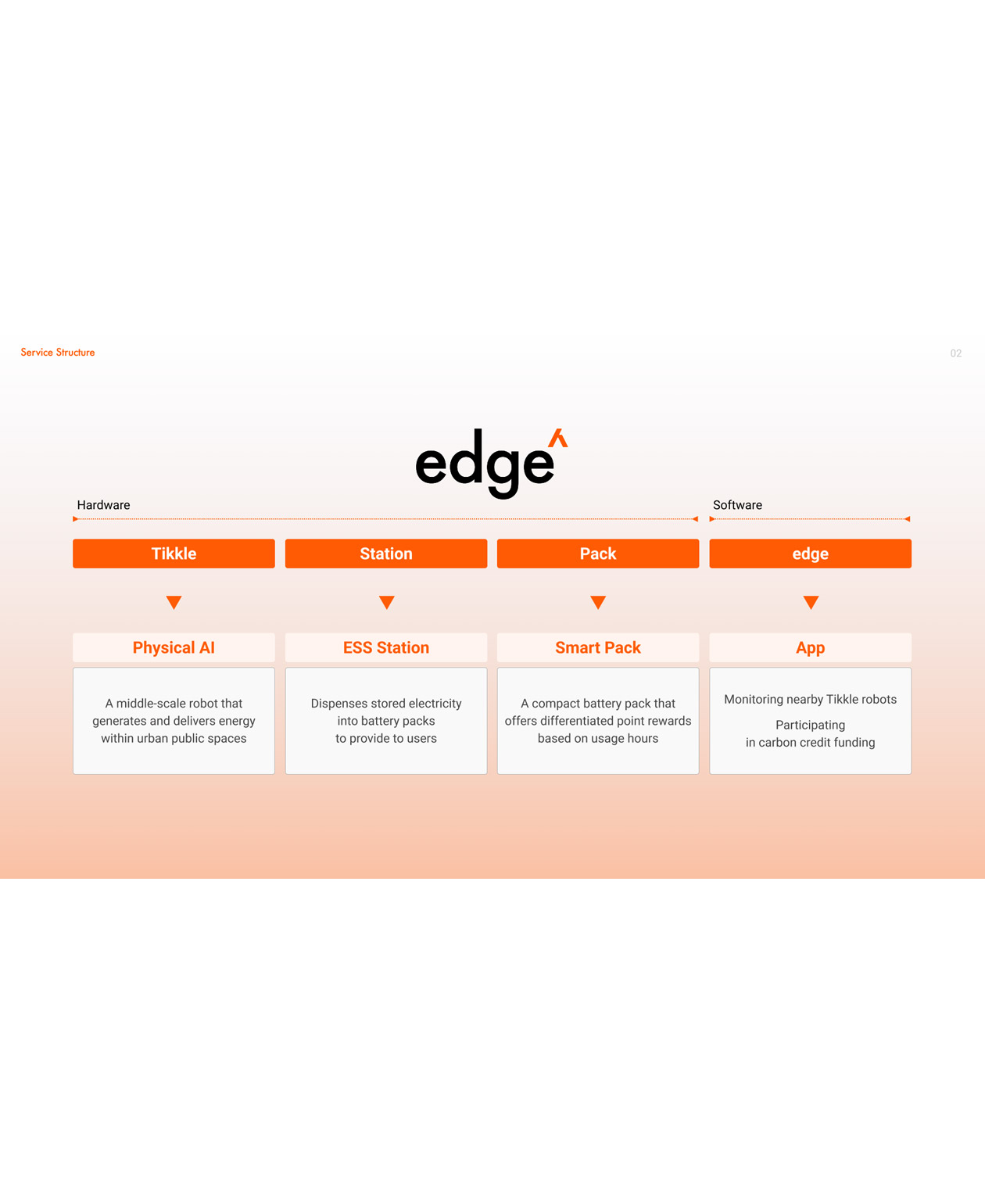
Edge transforms underutilized urban solar resources into local energy assets using autonomous mobile solar robots. Unlike conventional fixed solar installations, these robots analyze real-time solar altitude and localized shading conditions to independently relocate to optimal positions, maximizing generation efficiency. This generated power is stored at nearby stations, transferred into compact, portable battery packs, and distributed to local residents. Citizens can freely utilize this mobile power in outdoor spaces or for household appliances, earning direct financial rewards based on their real-world eco-friendly energy consumption. Consequently, by establishing a decentralized self-reliance model independent of centralized grids, cities secure sustainable, space-constraint-free ESG infrastructure, while residents gain an immersive local energy experience driven by tangible economic feedback.
The collected energy is delivered whenever users need it, while citizens can participate in energy mining by providing optimized mobility routes and earning rewards in return. These rewards can be utilized for carbon credit crowdfunding, establishing a sustainable circular ecosystem that seamlessly connects renewable energy generation, active citizen participation, and ESG-driven climate action.
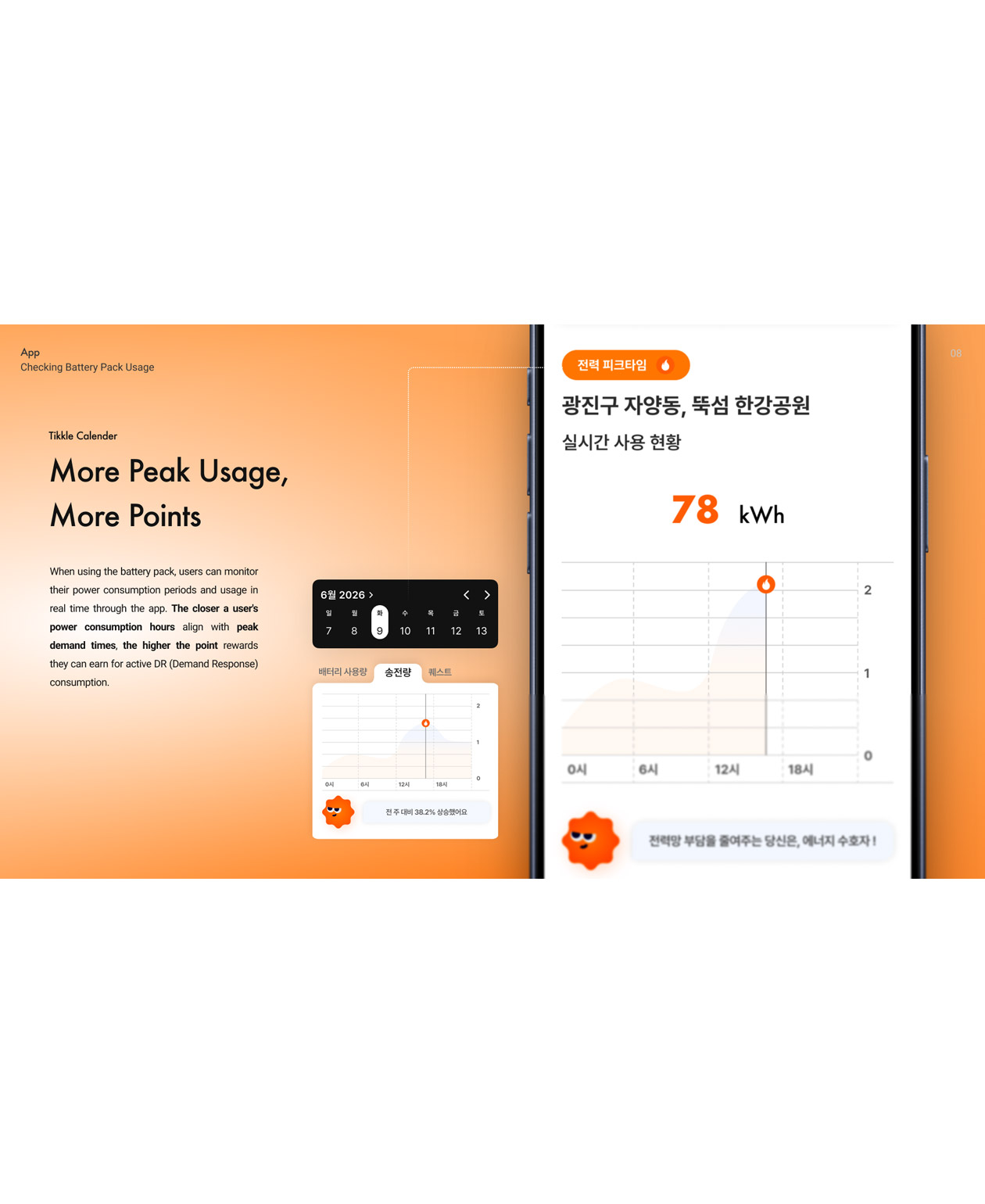
Edge transforms the public's passive electricity habits—once dependent on monthly bills—into interactive, smart battery pack experiences, significantly elevating eco-energy literacy. By using battery packs generated by robots and stations, citizens gain financial rewards, creating a novel energy experience where returns fund corporate carbon credits or convert into local currency. This business model establishes a community-returned, circular energy ecosystem. Ultimately, edge bridges micro-level individual actions with macro-level corporate ESG capital, generating a profound social impact that catalyzes city-wide carbon neutrality.
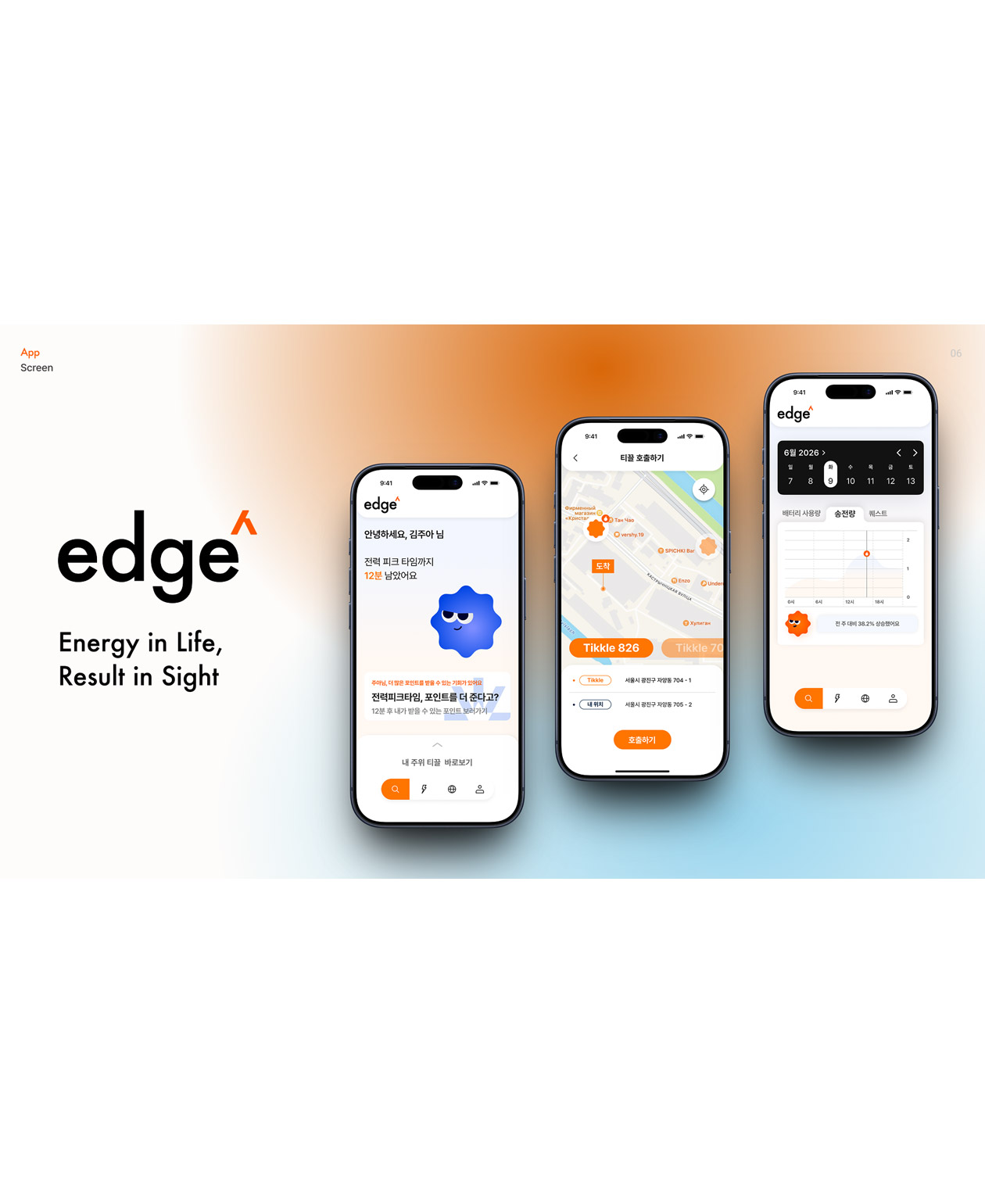
This project proposes an alternative energy future that overcomes the physical limitations of Korea’s RE100 implementation tools (PPA and REC) through a virtual power plant (VPP) and coupling-based distributed energy model. It addresses the shared challenges of high-density cities worldwide, such as land scarcity and transmission grid congestion, through a modular system composed of “Tikkle – Station – App.” This system can be immediately expanded and adapted beyond domestic pilot implementation into low-voltage direct current (LVDC)-based microgrid standards and voluntary carbon trading ecosystems, ultimately aiming to establish a new global standard for urban energy infrastructure.