


Green Light Tea Garden Organic Tea Upcycling tea waste into sustainable packaging to protect Feitsui Reservoir and support clean water for 6 million people




- Nationality
- Taiwan
- Individual
- Ren-Huang Fang
About Project
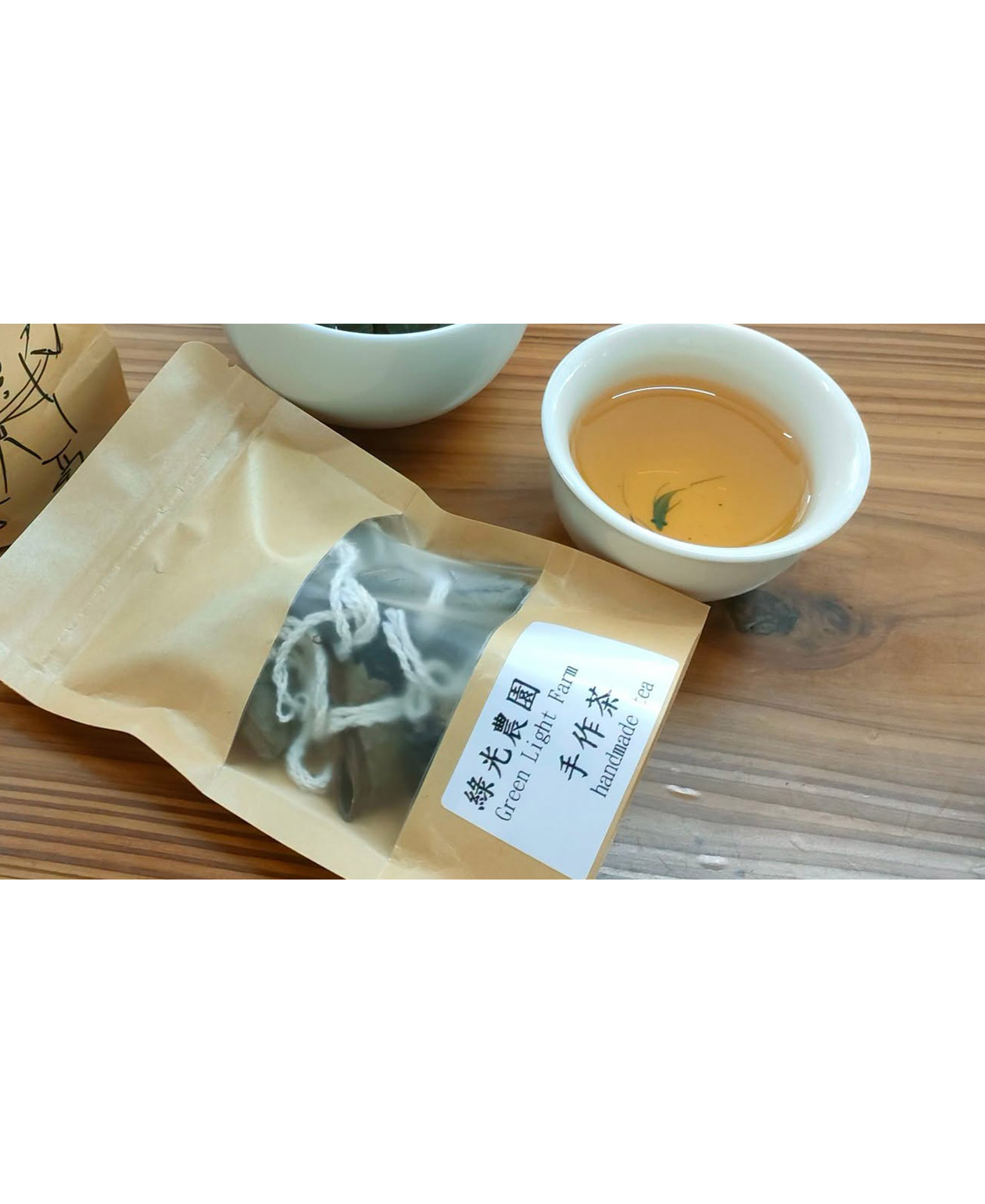
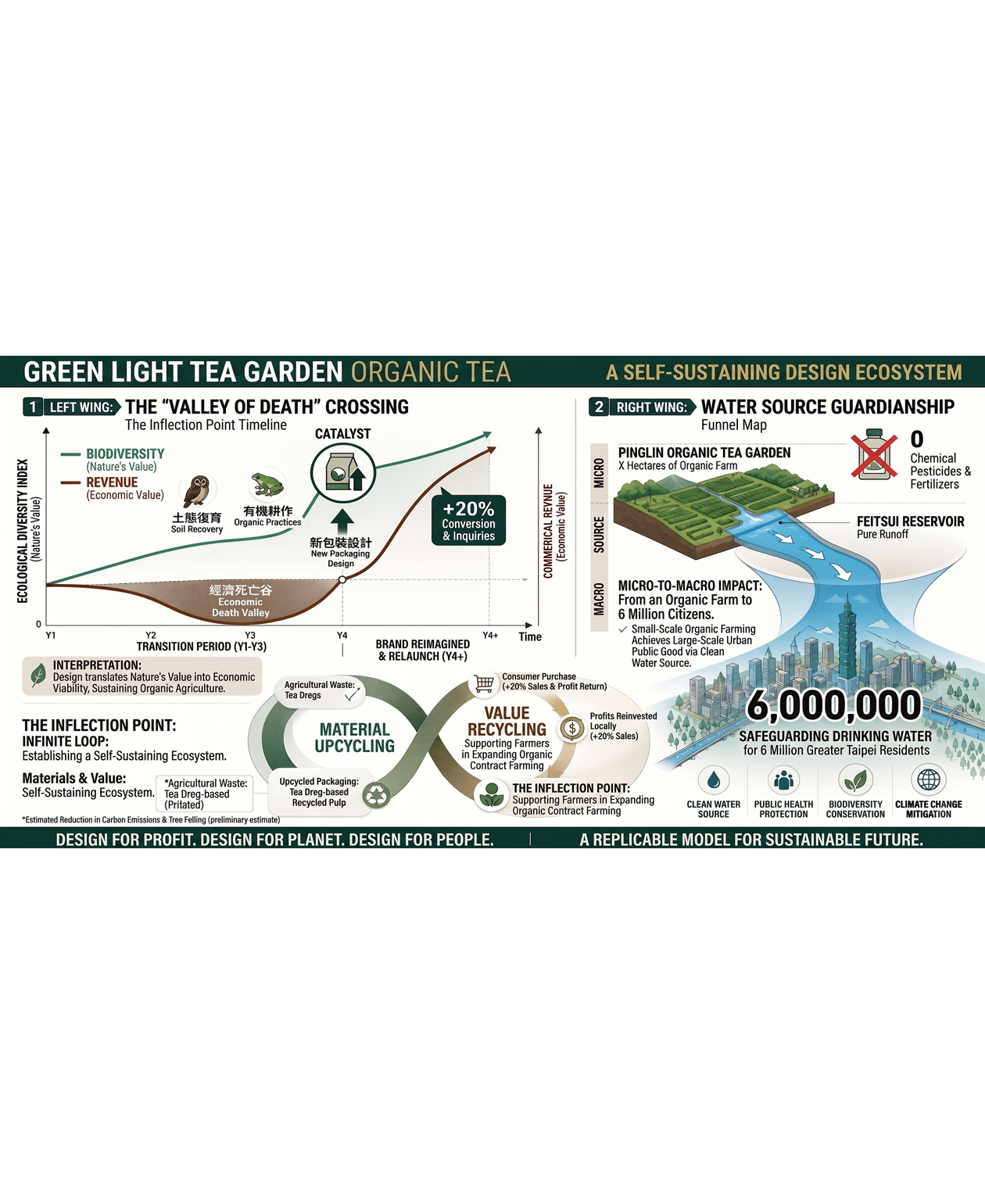
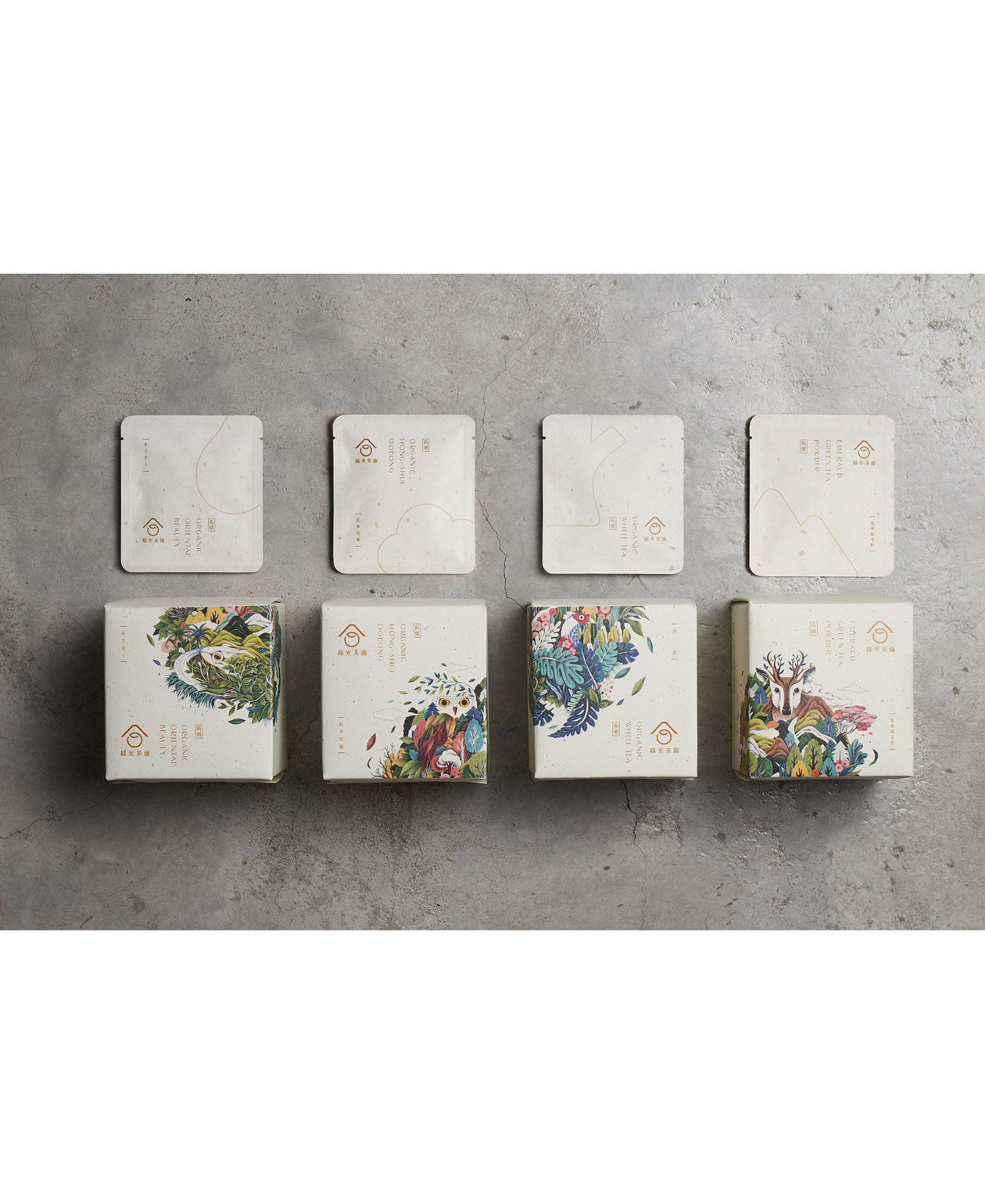
Green Light Tea Garden Organic Tea is a sustainable packaging and visual identity project of an organic tea brand located upstream of the Feitsui Reservoir in Taiwan. Organic tea cultivation in this region contributes to protecting the water quality of the reservoir, which is the main drinking water source for the Taipei area, and the surrounding ecosystem by reducing the use of pesticides and chemical fertilizers. However, effectively communicating these environmental values to consumers and connecting them to market competitiveness was an important challenge.
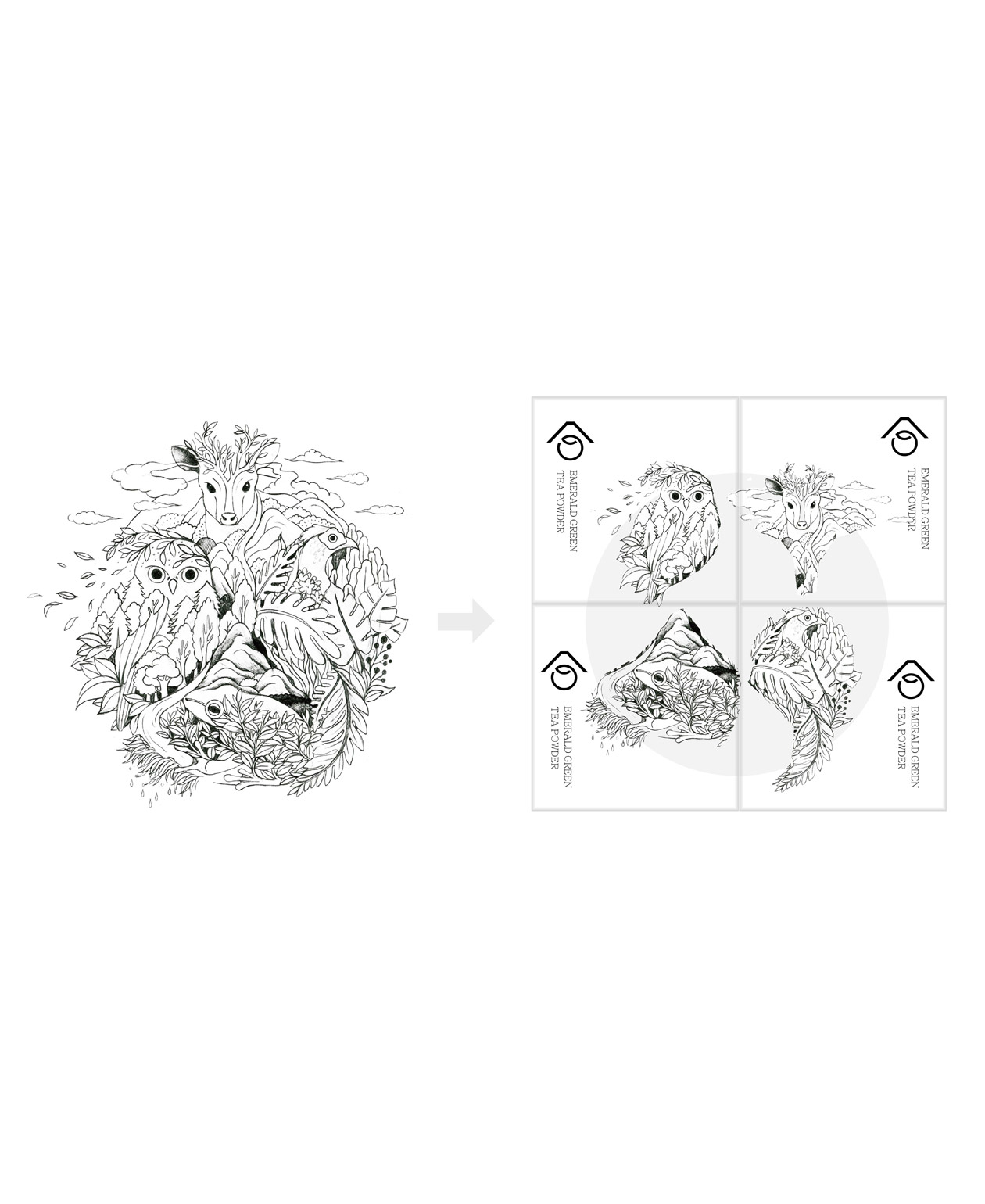
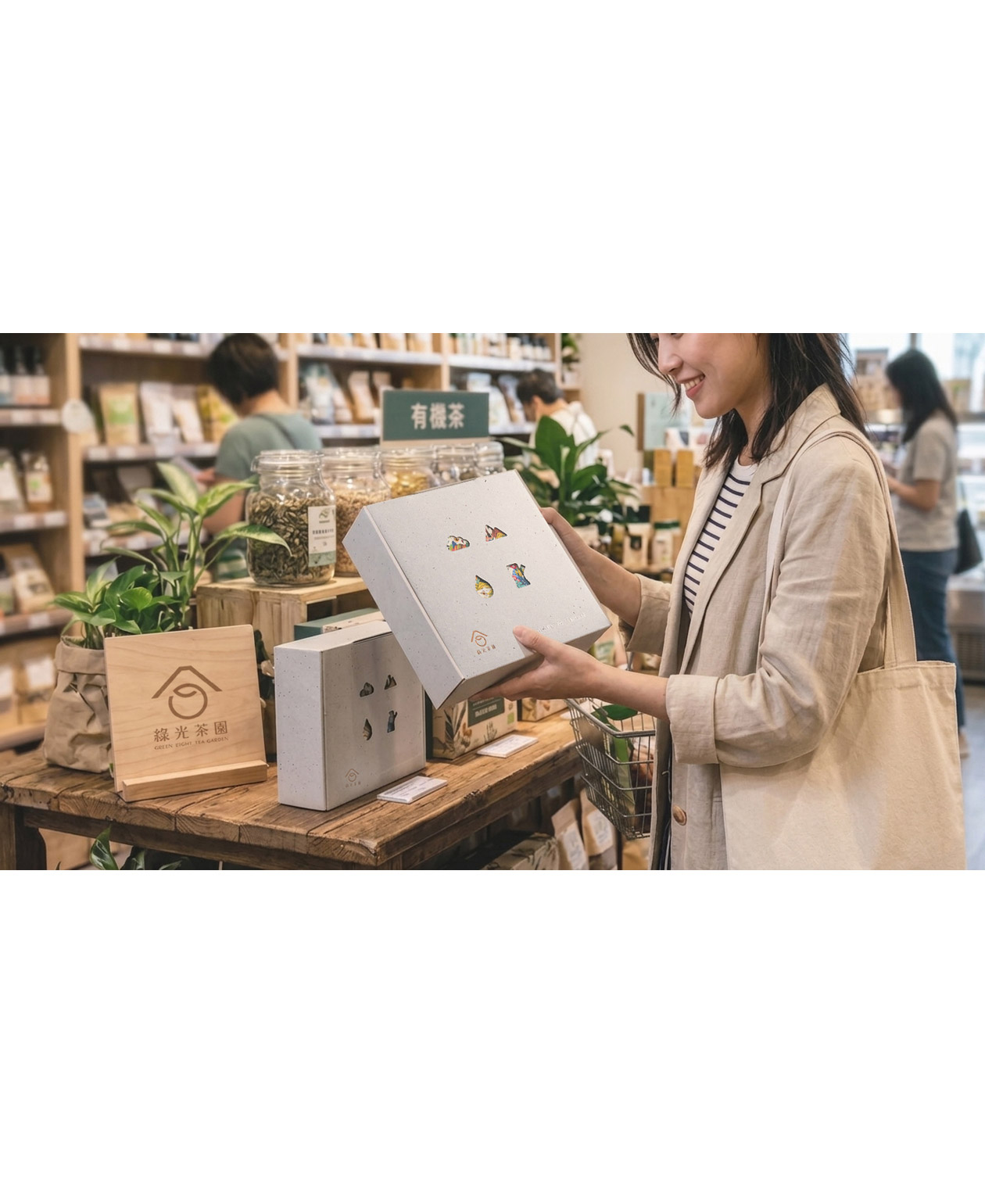
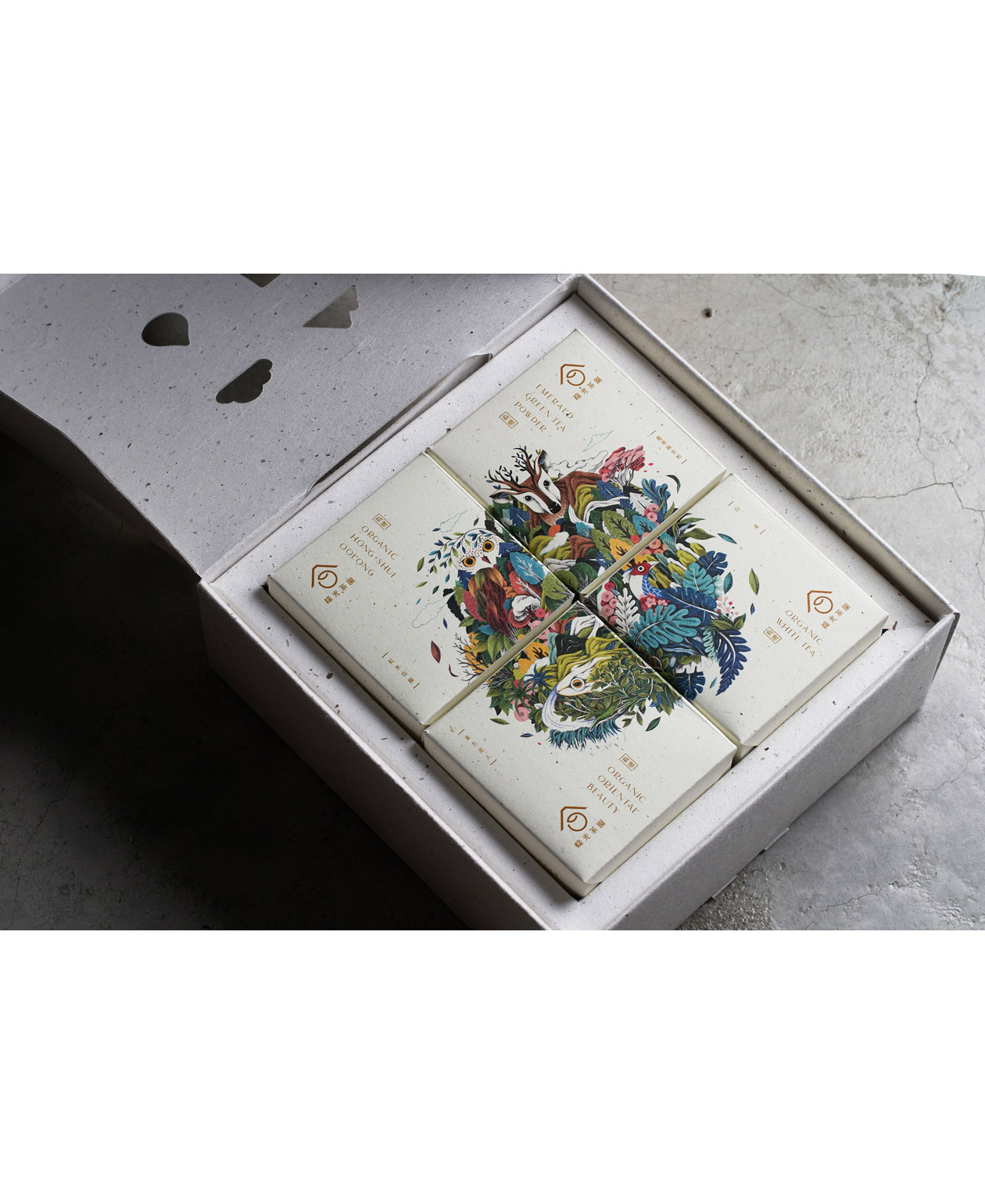
To this end, moving away from ornate and decorative traditional tea gift packaging, a natural and restrained design was applied. The outer box features a die-cut window structure expressing four natural elements of the region—clouds, mountains, forests, and water—along with illustrations of native species inhabiting the area, including the Collared Owlet, Reeves's muntjac, Swinhoe's pheasant, and the Taipei tree frog. Based on actual ecological survey data, detailed hand-drawn illustrations were used to express the natural environment and biodiversity of the region where the tea is produced as the visual language of the package.
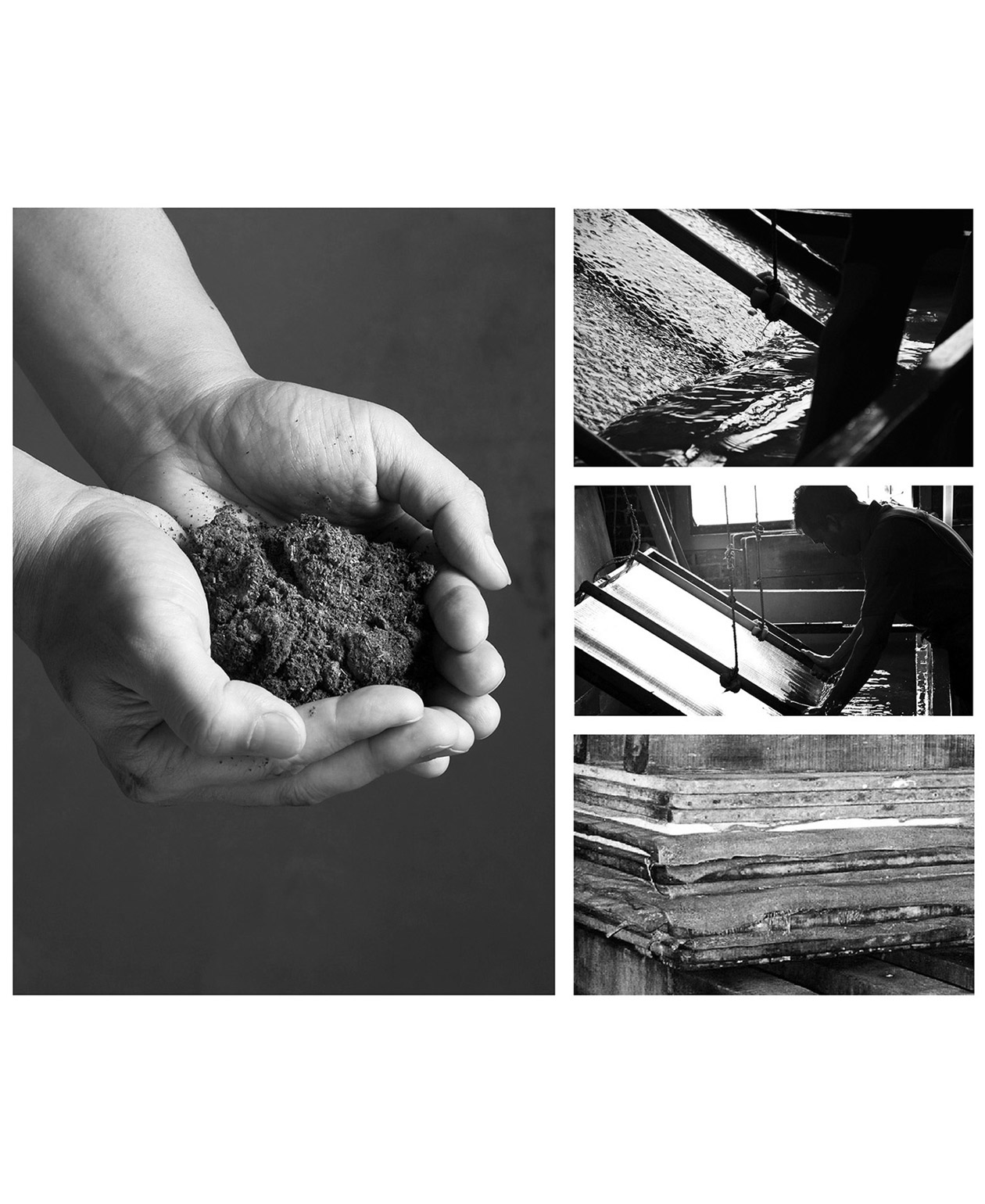
The packaging material itself is also an element that conveys the brand's environmental values. By using paper recycled from by-products generated during the tea production process, a circular structure was created where tea leaves become the raw material of the packaging again. Recyclable eco-friendly paper, a minimal packaging structure, and eco-friendly ink were applied to reduce unnecessary resource use and waste. The selection of materials and the packaging structure itself were designed to demonstrate the process of resource circulation.
This approach leads to the concept of “The Co-existence Vessel.” Under the principle of “Material as Message,” the packaging materials, structure, and graphics were connected into a single experience. Configured to discover local landscapes and native species along the die-cut window of the box, the process of opening the package itself becomes an experience of learning about the biodiversity of the Pinglin region. Through the package's form, graphics, and unboxing process, it step-by-step reveals the regional ecosystem protected by organic agriculture.
This project expands the act of purchasing organic tea from consumption for personal health into a choice to protect the local environment. By incorporating the stories of the Feitsui Reservoir watershed and surrounding ecosystem into the product, it shows that consumers choosing organic tea supports agriculture that reduces pesticide use, which in turn connects to the process of protecting the drinking water source for about 6 million people in the Taipei area. The relationship between the product and the place of origin was visualized inside the package so that consumers could understand this connection during the purchasing process.
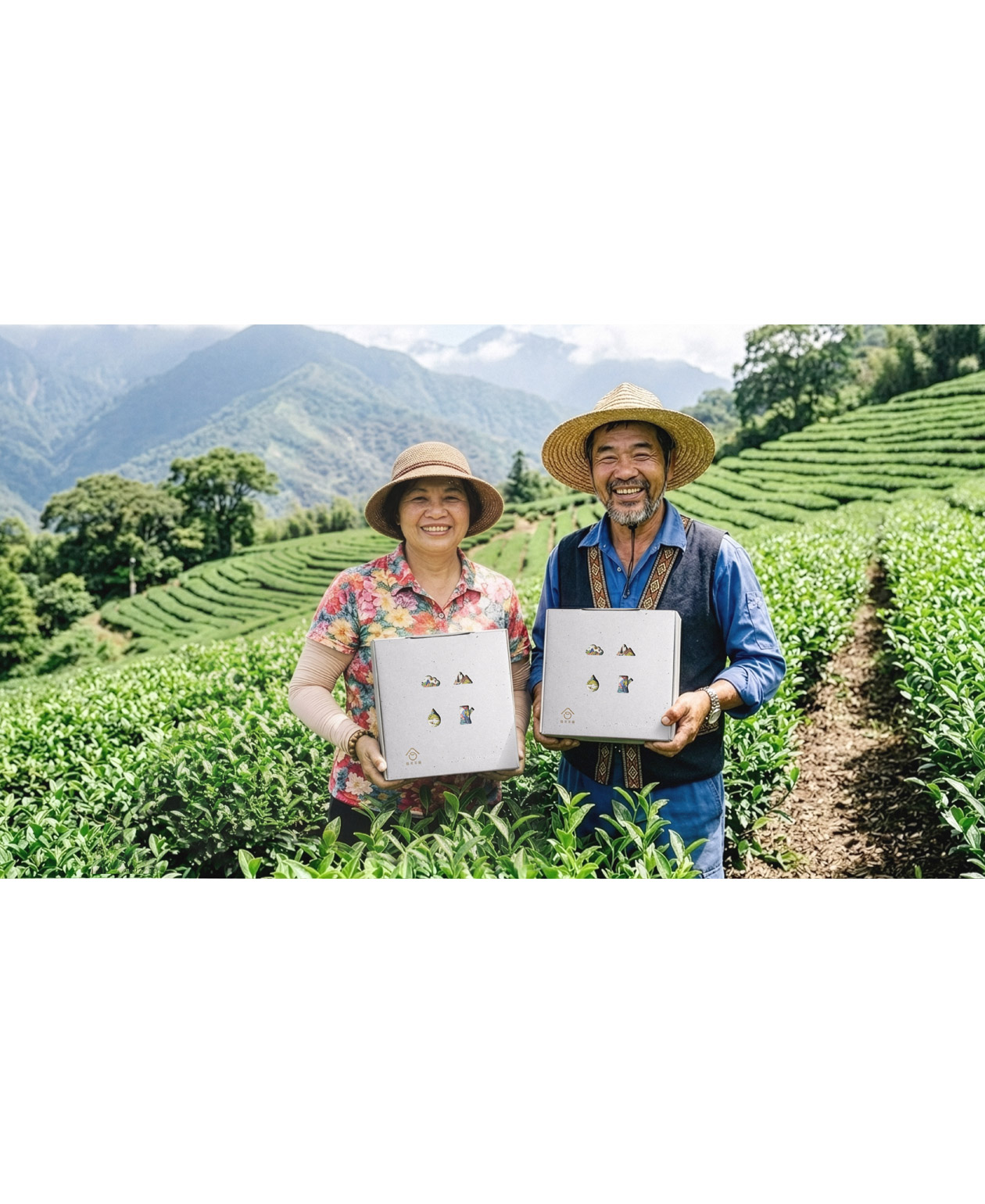
Design plays a role in delivering environmental values while supporting the economic sustainability of organic farmers. To alleviate the economic burden farmers experience during the three-year period required to transition to organic farming, it is important for eco-friendly products to have competitiveness in the actual market. By increasing product awareness and supporting sales through differentiated packaging and brand experiences, it lays the foundation for environment-protecting agriculture to be economically sustainable.
This structure is not limited to a single tea brand. The circular structure where design supports product sales, sales sustain organic farming, and organic farming in turn protects water resources and ecosystems can be applied not only to tea farmers in other reservoir watersheds in Taiwan but also to various agricultural products. Consumers can choose more safely produced agricultural products, native species have their habitats protected, and farmers can secure an economic foundation to continue eco-friendly agriculture. This is a project that utilizes packaging and brands as a medium connecting agricultural production, consumer choice, and the regional ecosystem.