


Hydropulse Technology Hydro Pulse promotes water conservation through tactile feedback that makes resource consumption immediately perceptible and behavioral change tangible


- Nationality
- United States of America
- Individual
- Daniel Ciochina
About Project
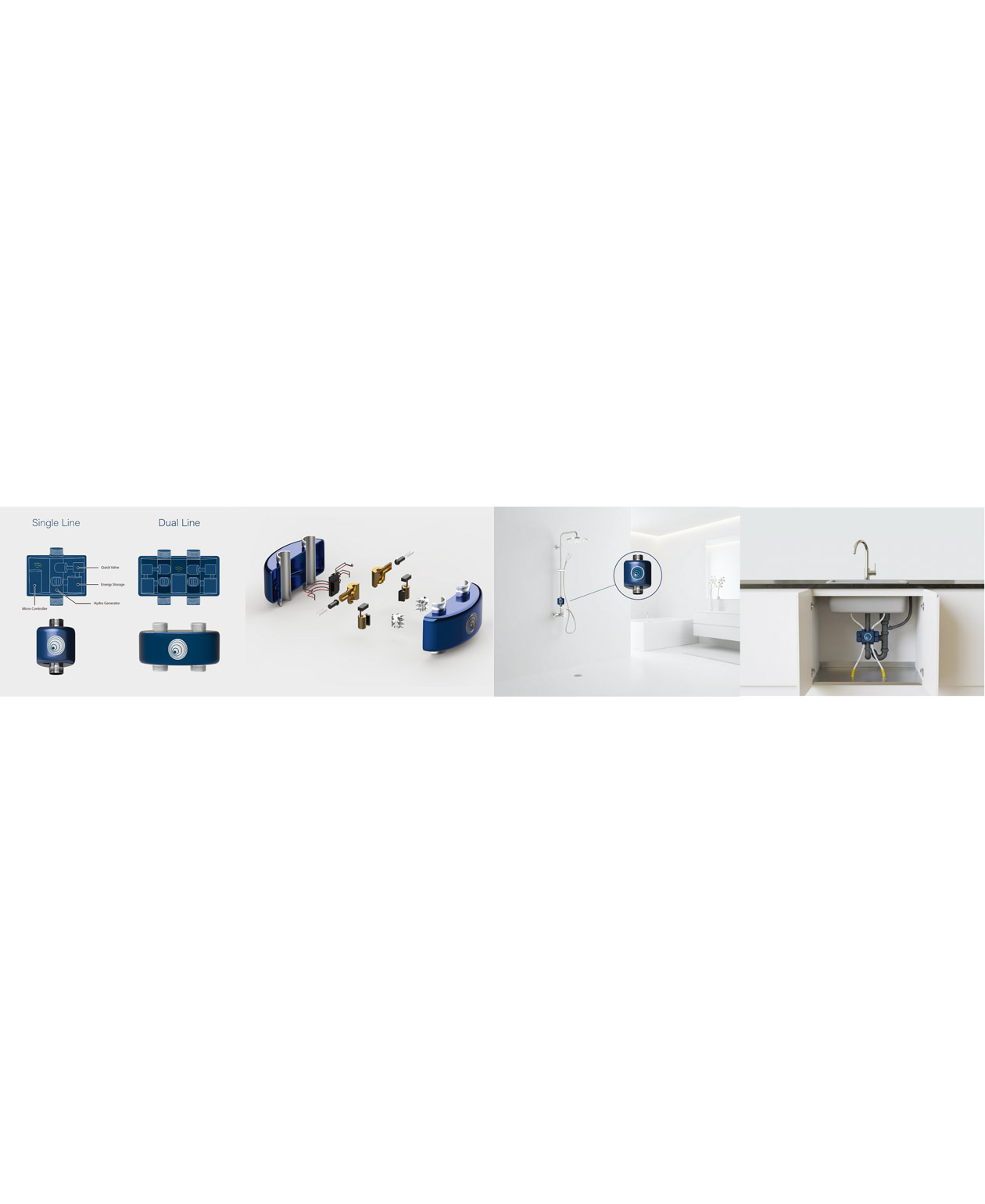
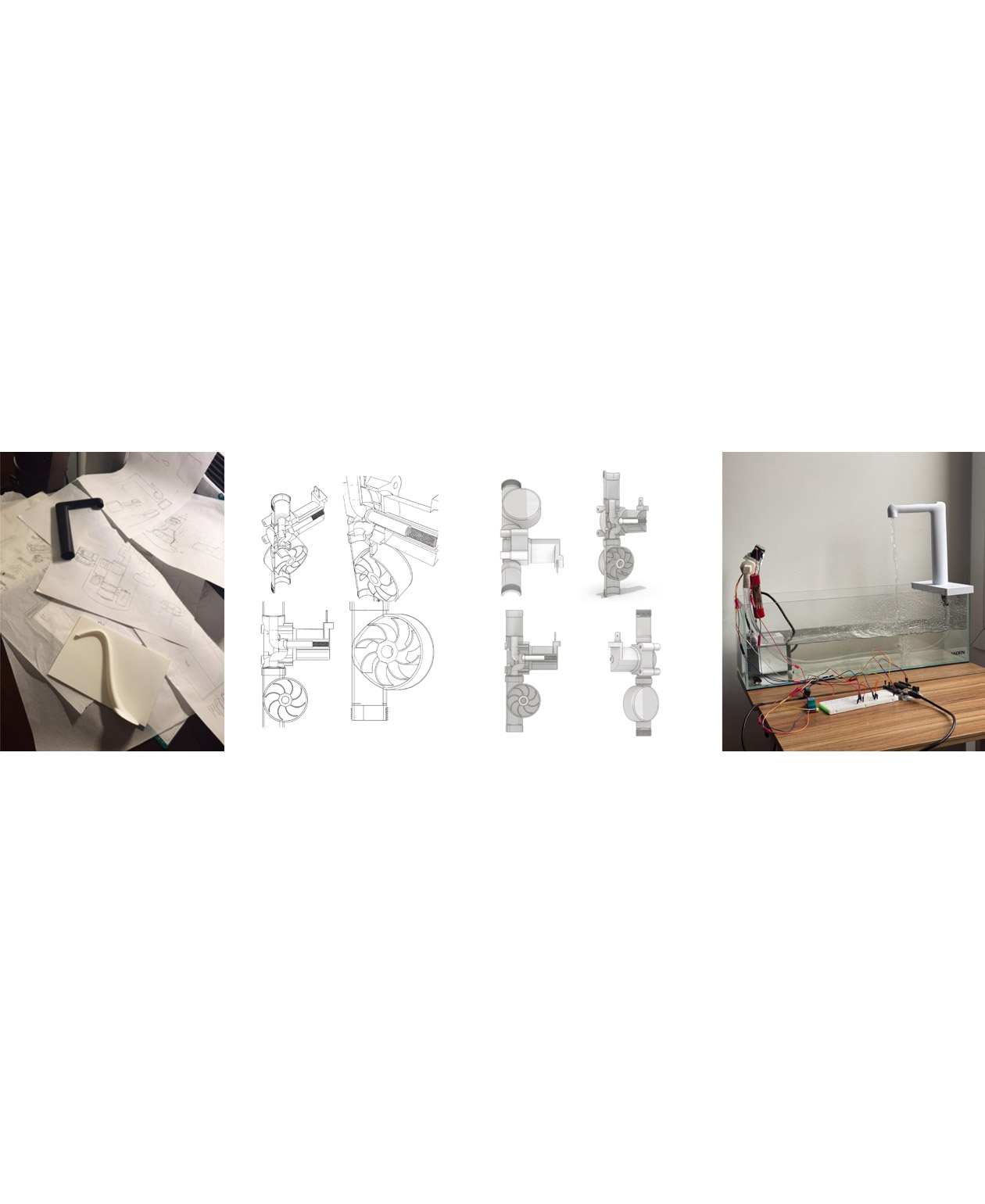
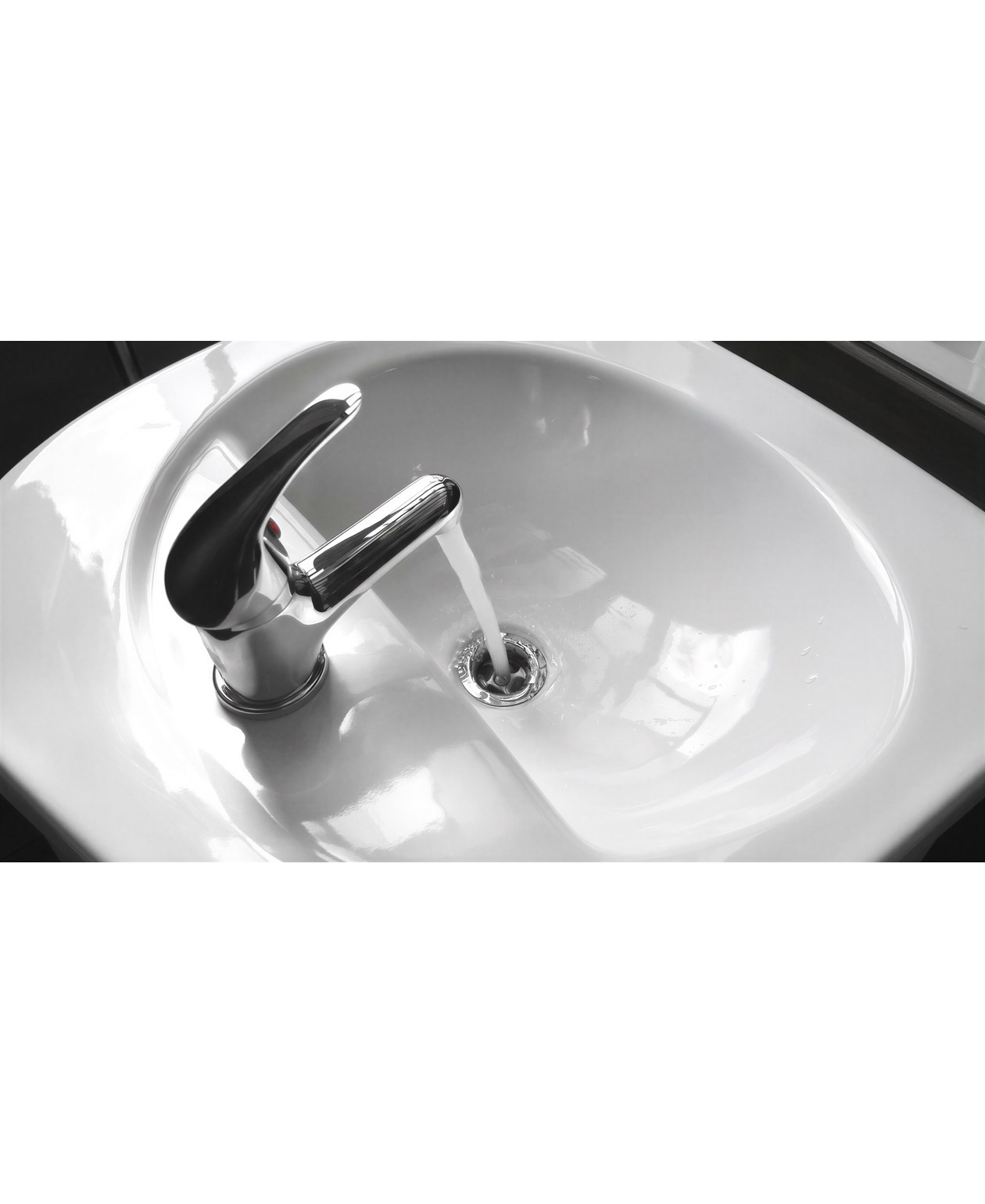
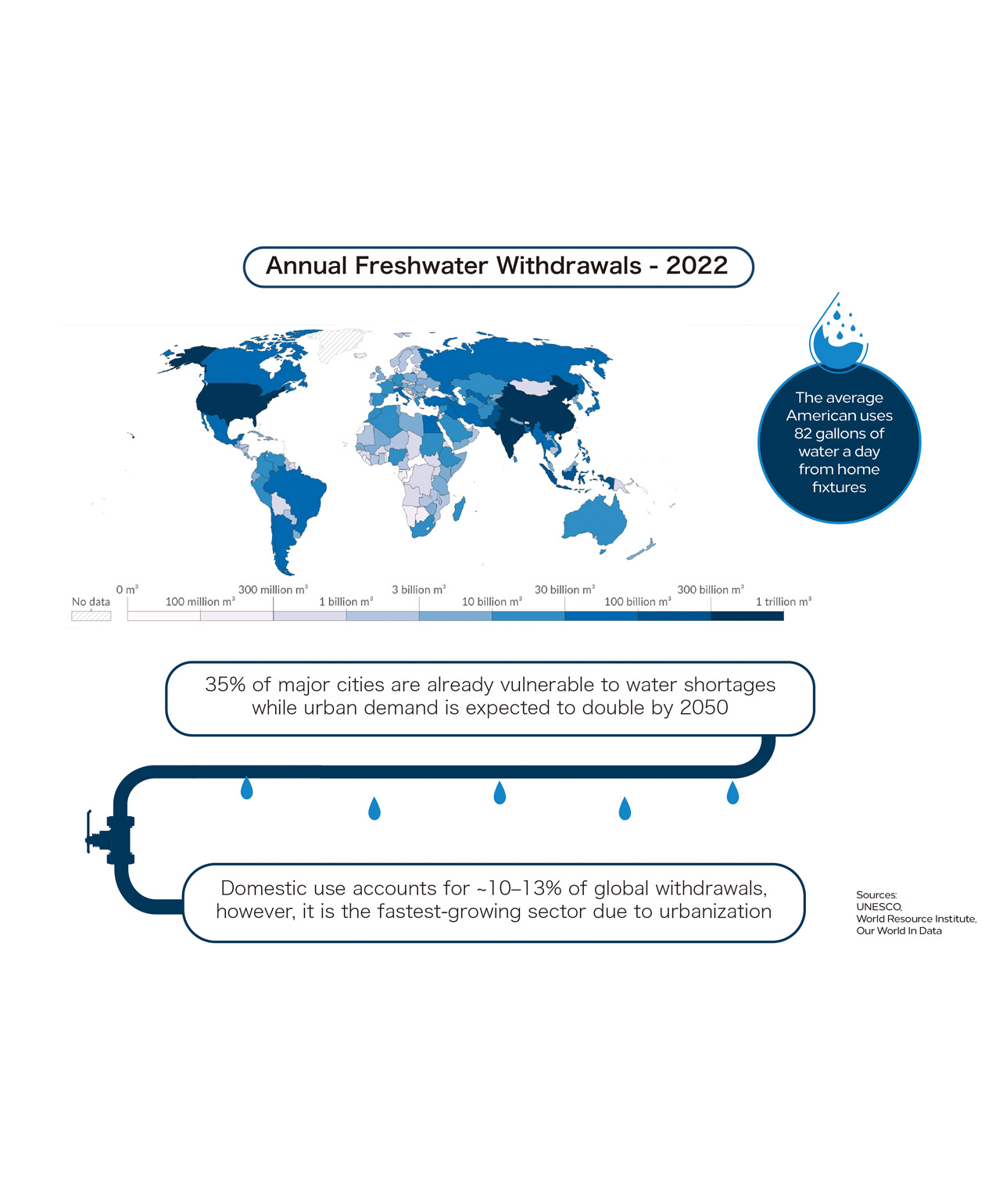
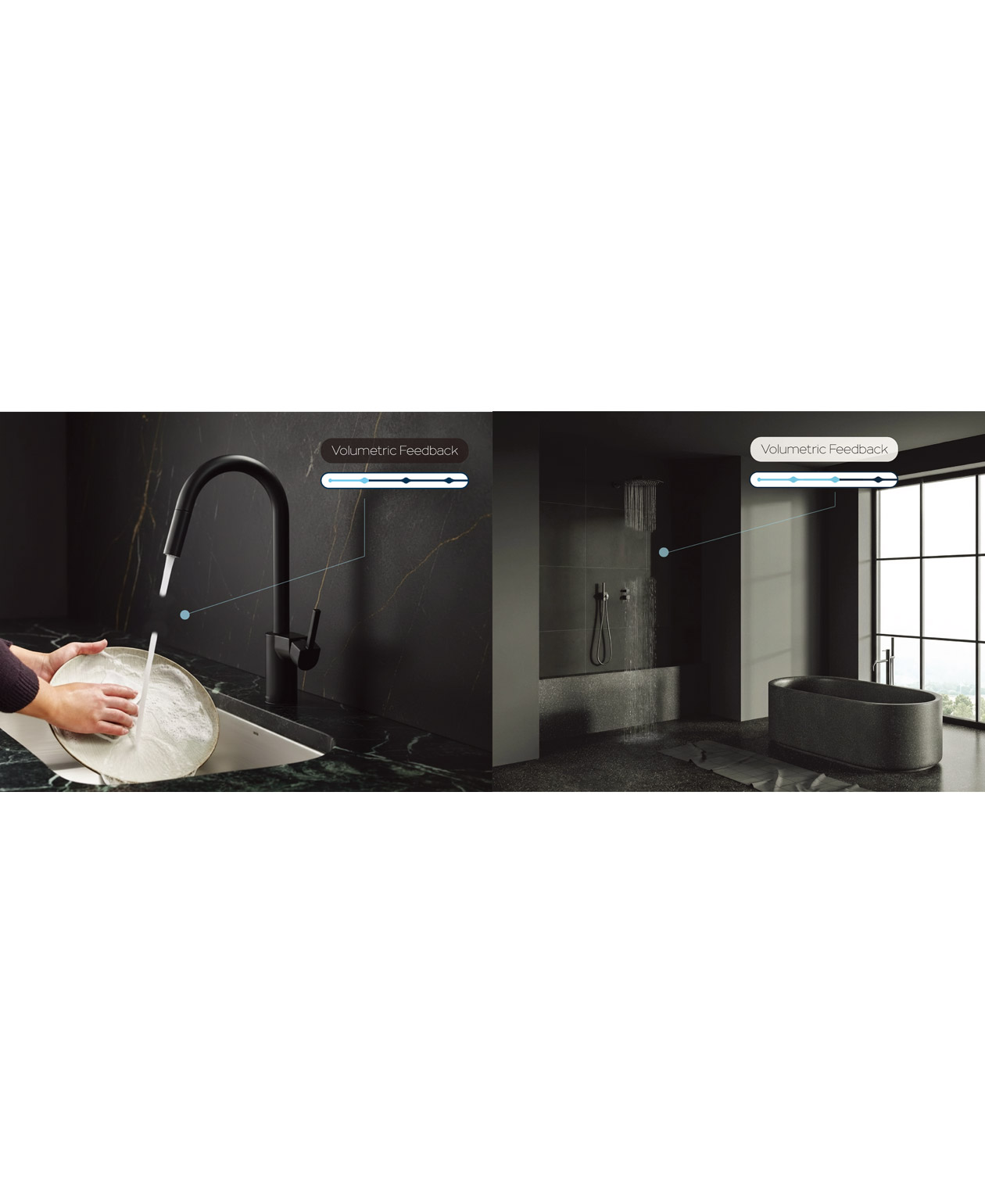
Hydro Pulse is a water-conservation technology designed to foster a more conscious relationship between people and resource consumption. Integrated into household faucets and fixtures, the system transforms water flow into subtle tactile pulses that can be felt by the user during everyday activities, addressing the invisibility of resource use. Rather than relying on digital interfaces, restrictions, or behavioral mandates, the design encourages awareness through direct sensory engagement. Rhythmic pulses interrupt the perception of water as a continuous stream, allowing users to recognize and acknowledge the quantity they consume. Instead of mindfulness taking extra commitment in daily activities, the product integrates behavioral feedback seamlessly into a familiar experience.
The core lies in combining fluid dynamics with behavioral design to encourage mindful habits. It empowers individuals to make informed decisions and regulate consumption while maintaining comfort and convenience, transforming everyday water use into an intuitive opportunity for conservation without sacrificing performance. This encourages a lasting shift toward mindful water consumption and long-term conservation habits. As these small behavioral changes accumulate across households, workplaces, and public facilities, they can significantly reduce potable water demand. Through behavioral design, Hydro Pulse demonstrates how everyday interactions can become opportunities for environmental stewardship.
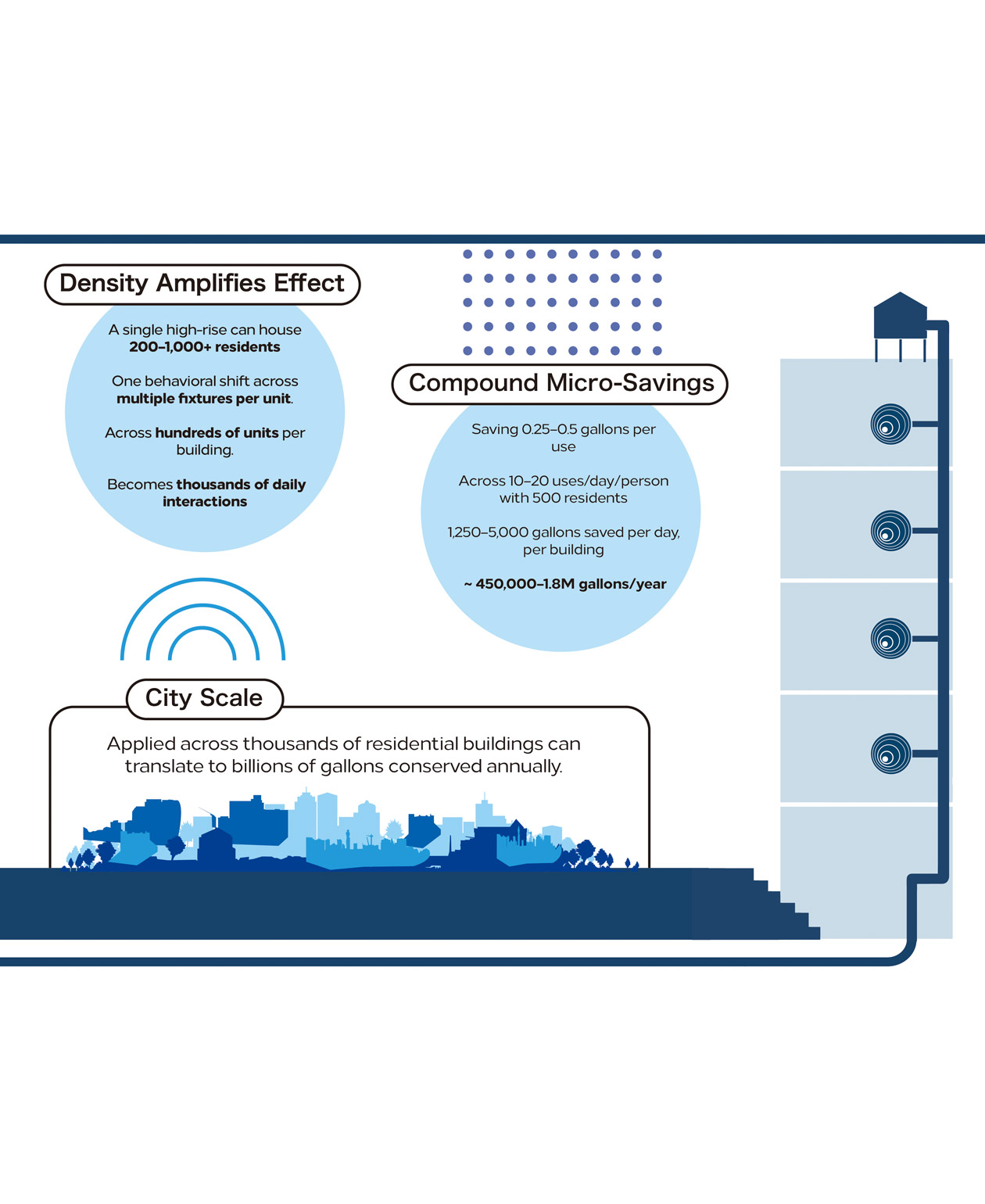
Its retrofit design also enables widespread adoption within existing infrastructure, allowing meaningful conservation at scale without the environmental and financial costs of replacing entire plumbing systems. Having this type of interactive response in terms of our resource consuming products can become a powerful combination, serving as positive reinforcements for building healthy habits. Along with strides in appliance efficiency over the past fifty years, small acts compound into exponential impacts, making resource conservation part of the daily experience. It is a design approach where small sensory changes alter routine behaviors, accumulating into more sustainable resource consumption.