


Laos-Korea Living Heritage Hub A World Heritage post-restoration project transforming temporary support facilities into permanent community assets for local self-reliance


- Nationality
- Lao People's Democratic Republic
- Individual
- Jeeun Lee
About Project
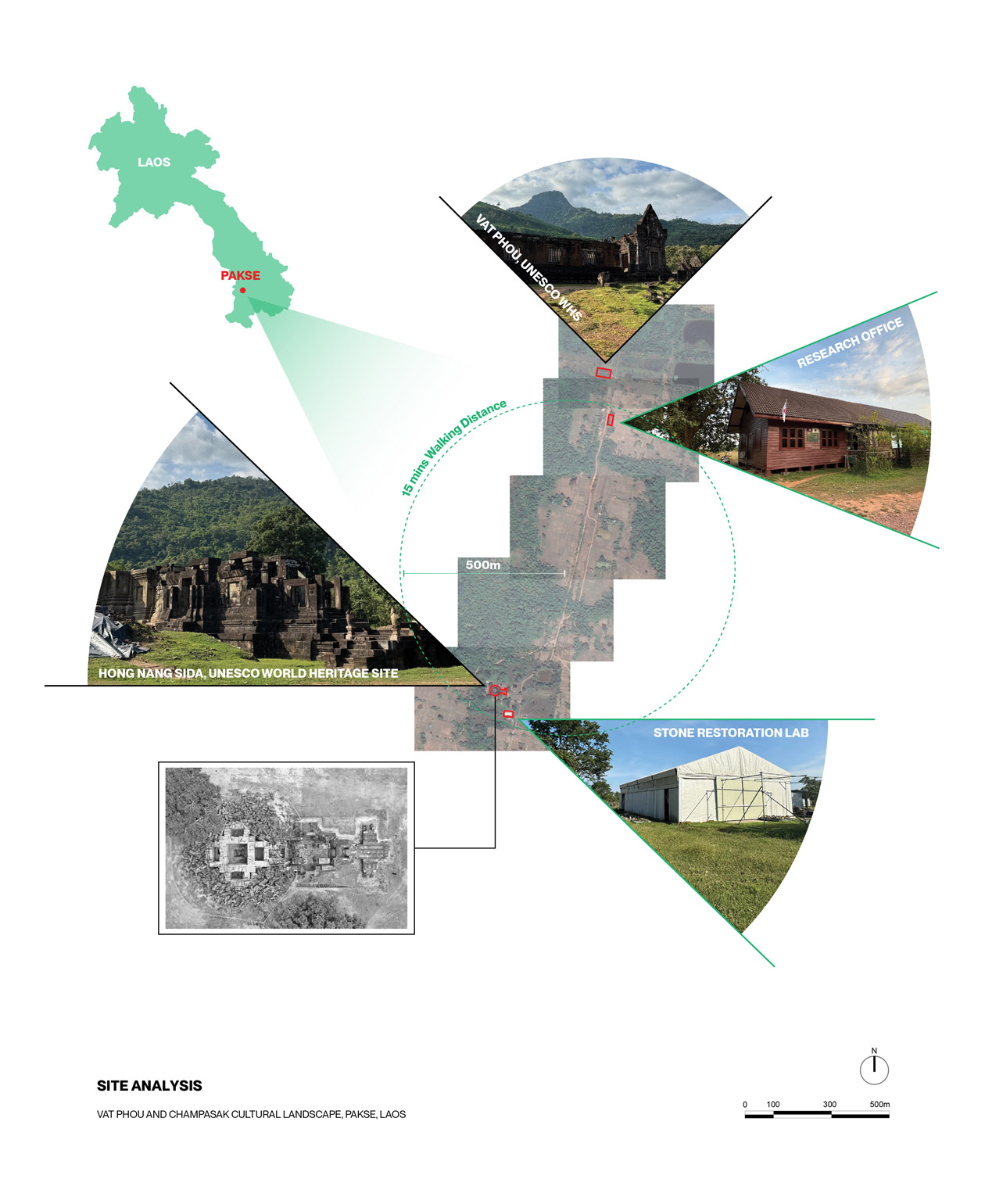
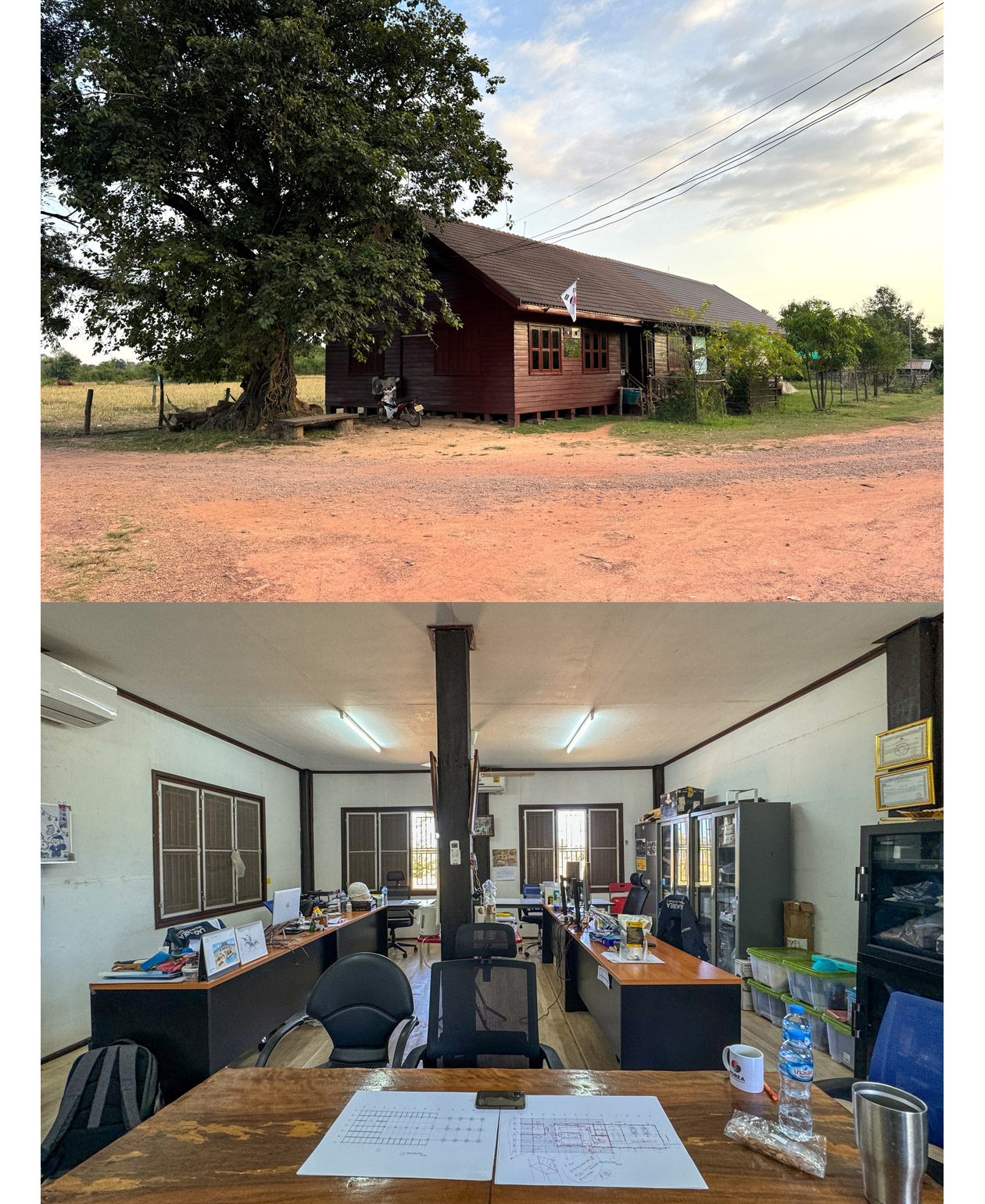
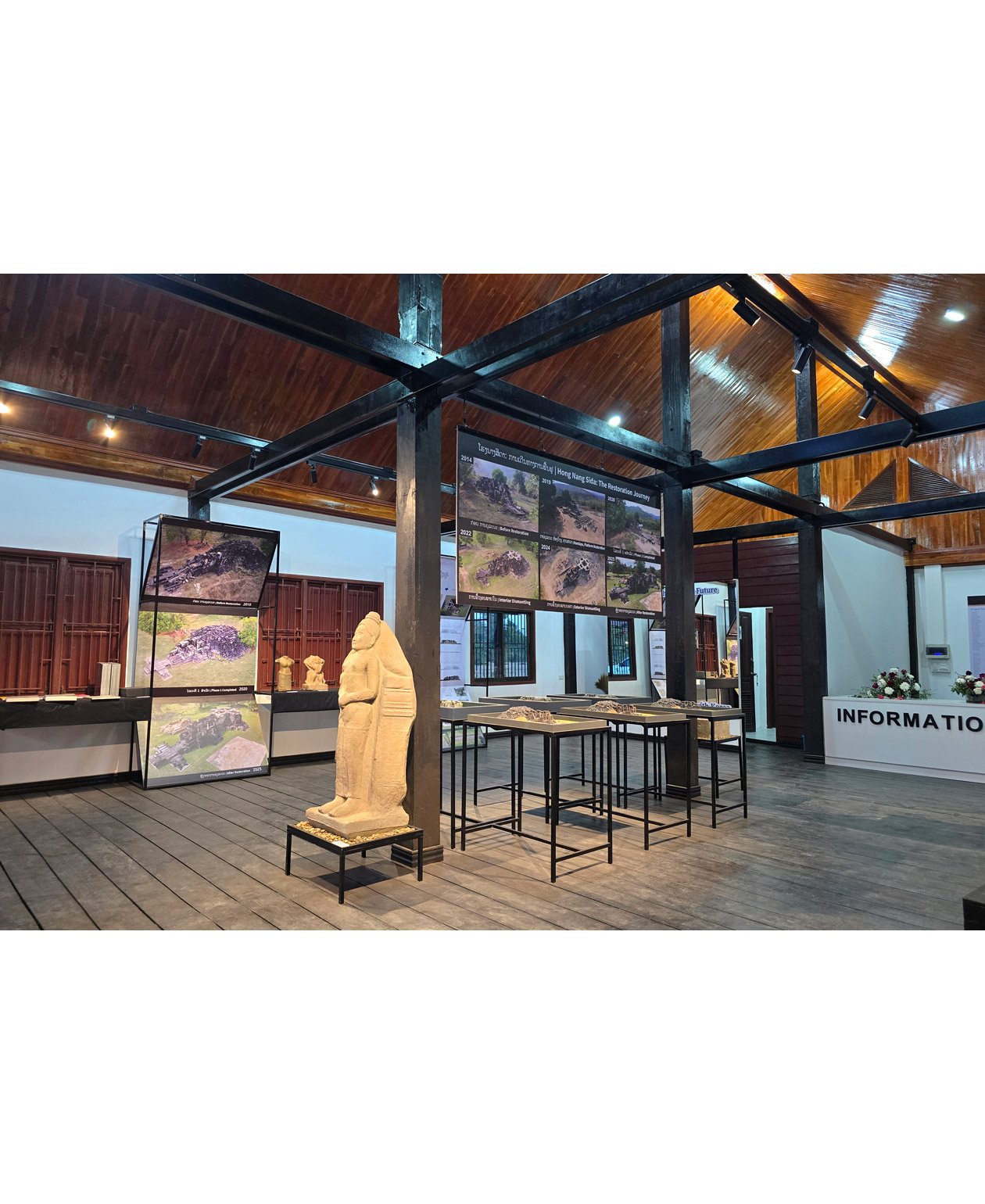
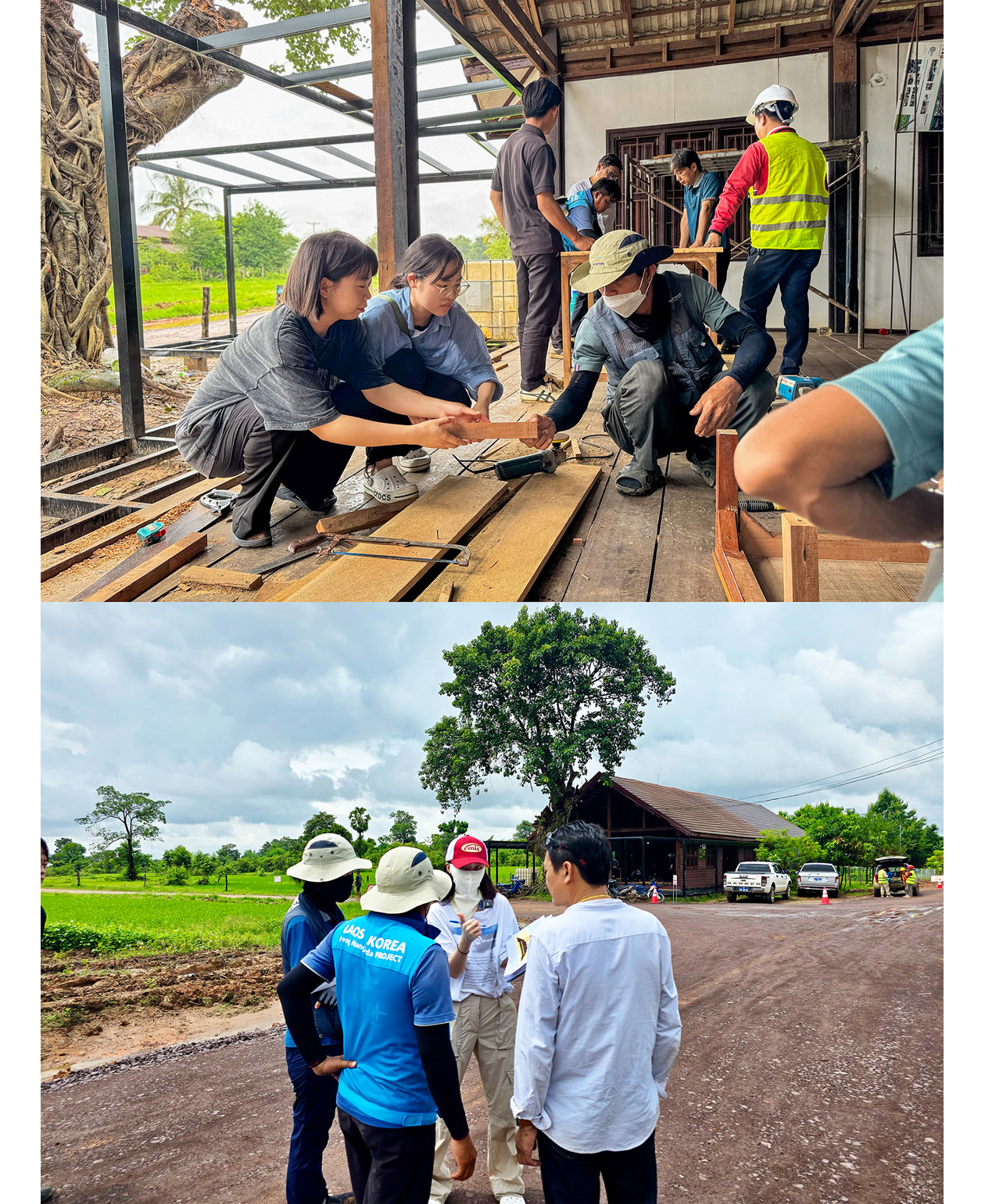
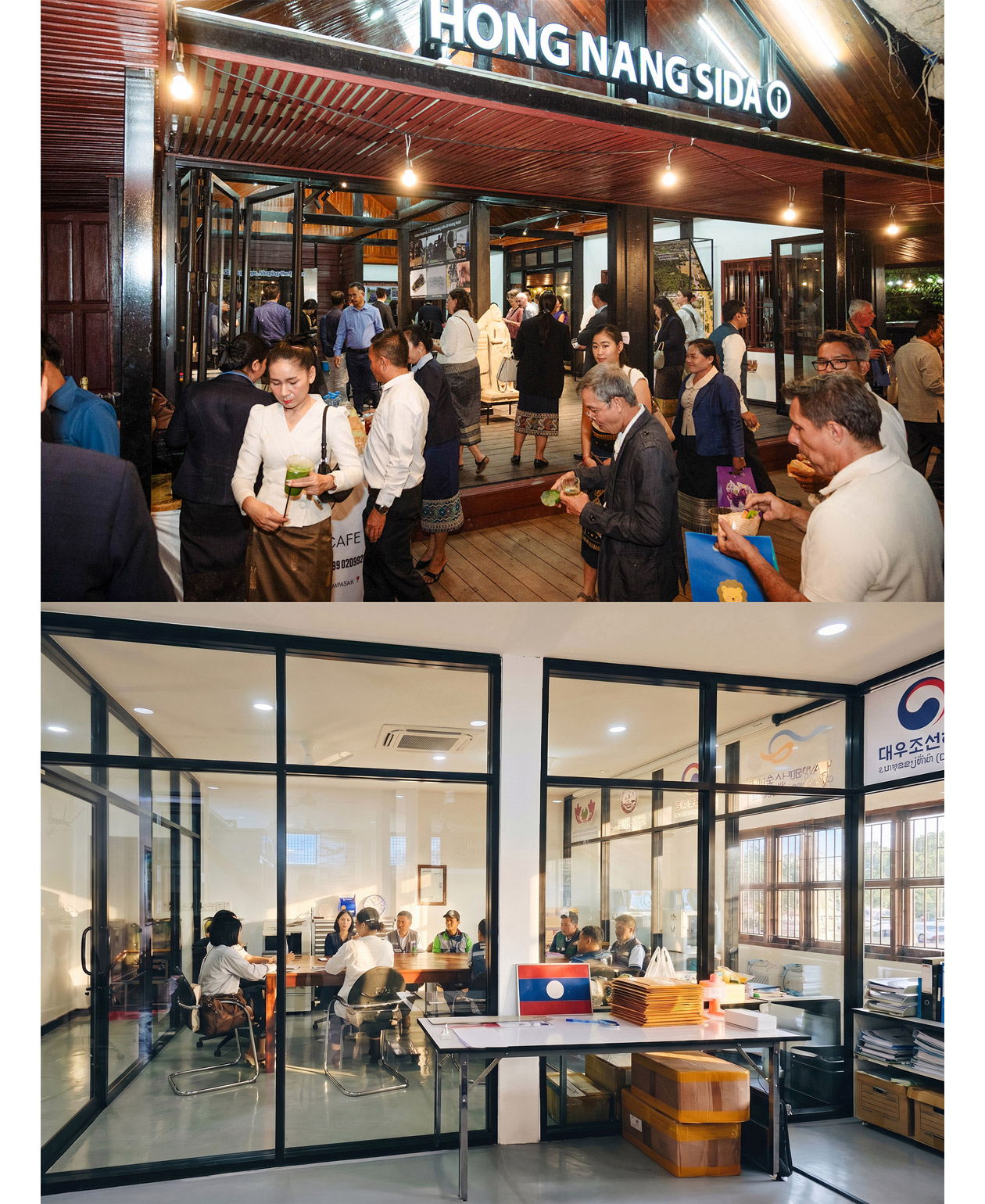
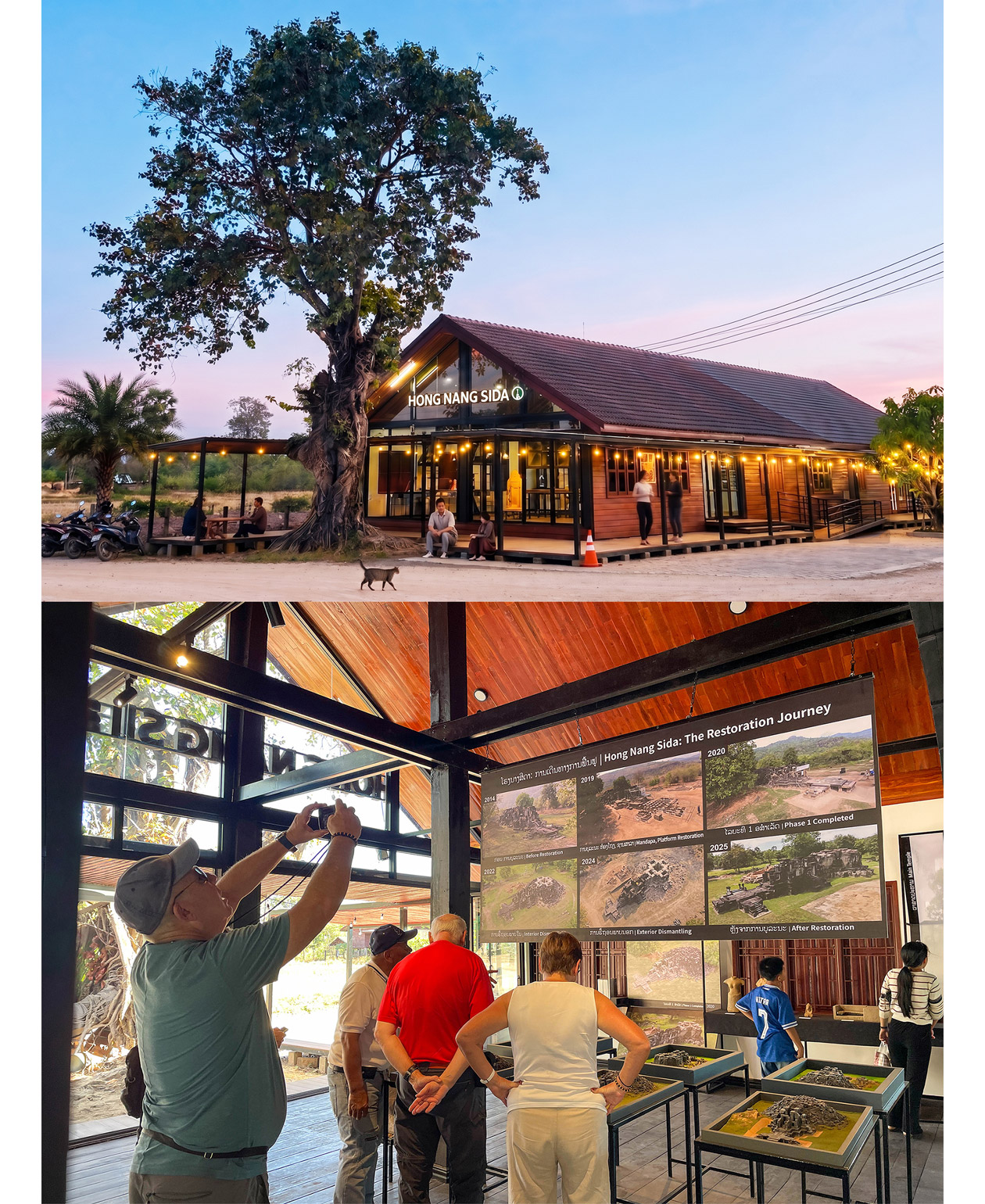
The Laos-Korea Living Heritage Hub is a project that transformed facilities used during the restoration of the Hong Nang Sida Temple located in the UNESCO World Heritage site of Vat Phou in Laos into a cultural space for the local community. The restoration of the Hong Nang Sida Temple is Korea's first overseas cultural heritage restoration project promoted through Official Development Assistance (ODA), but what this project focused on was not the restoration itself, but the 'post-restoration' period after external support ended. It approached from the perspective of social design, connecting physical restoration of cultural heritage to subsequent spatial utilization and resident participation.
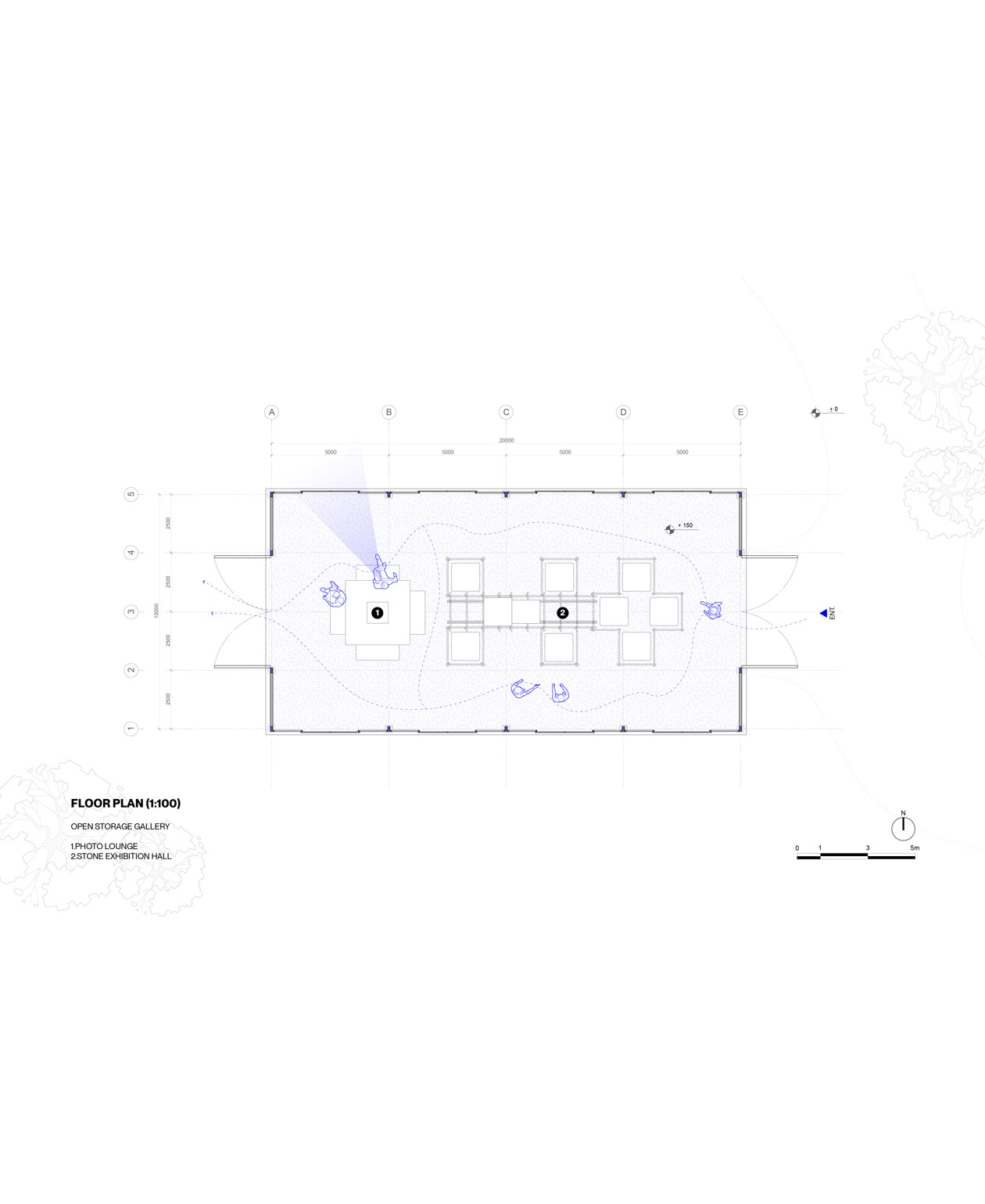
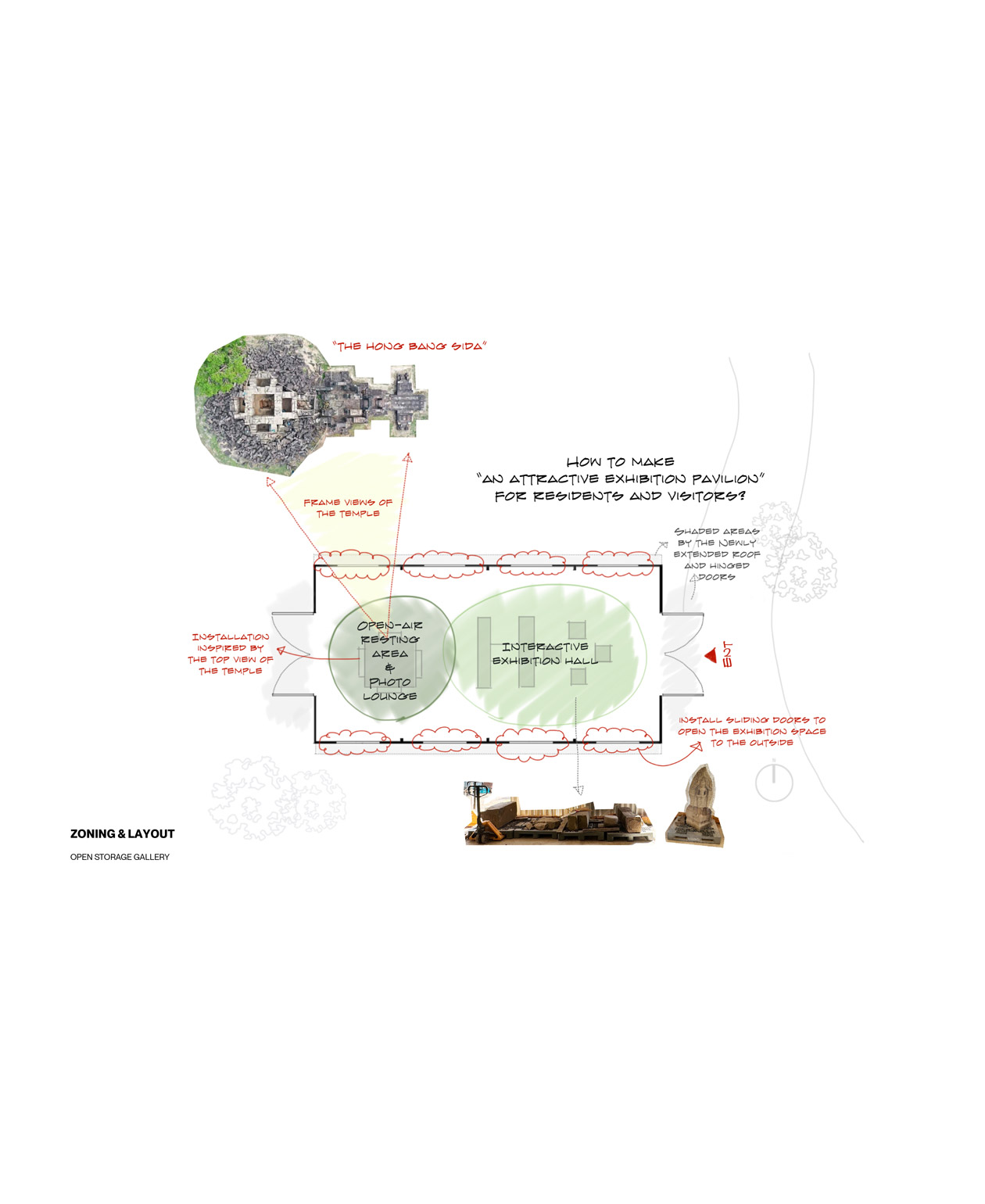
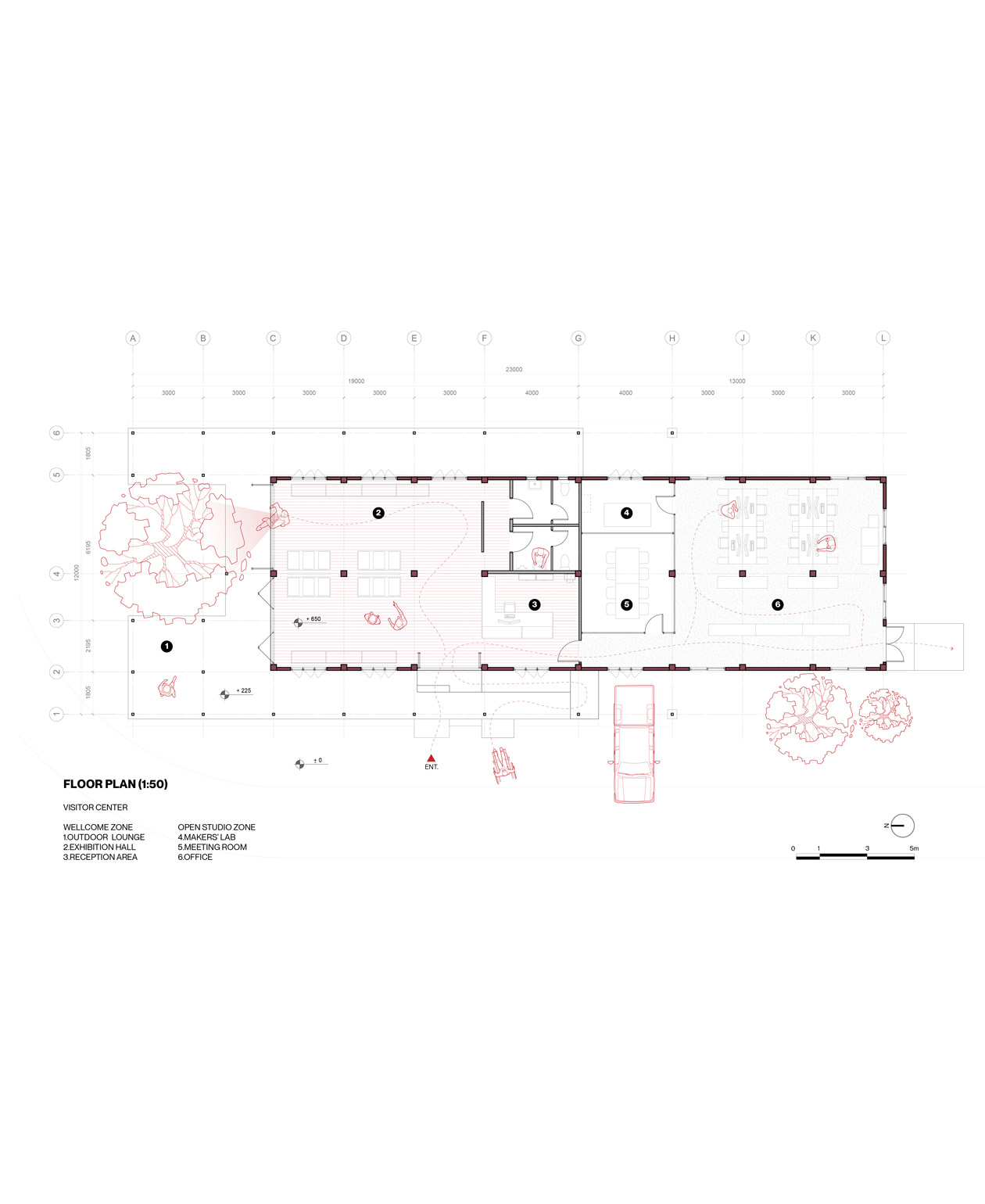
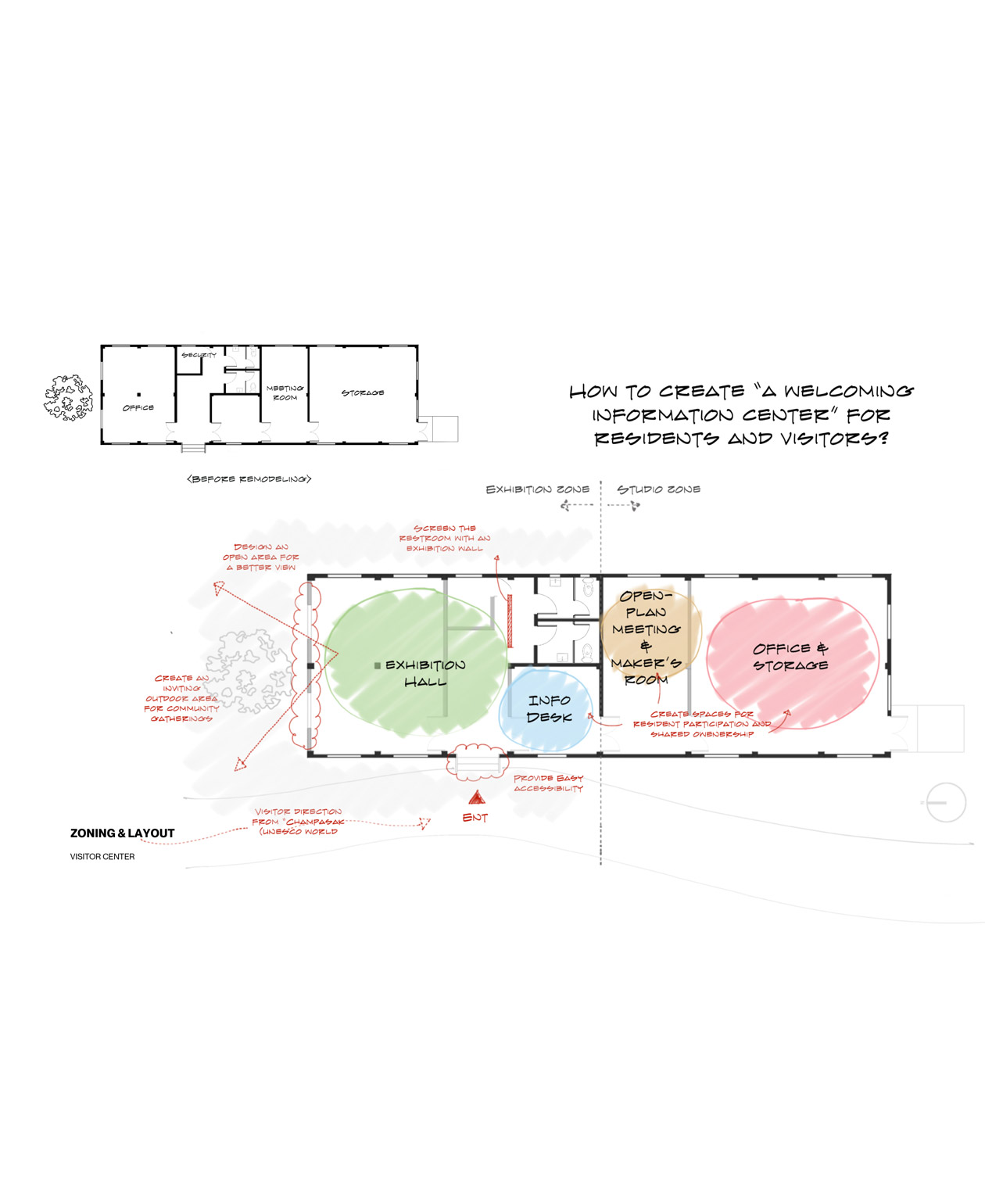
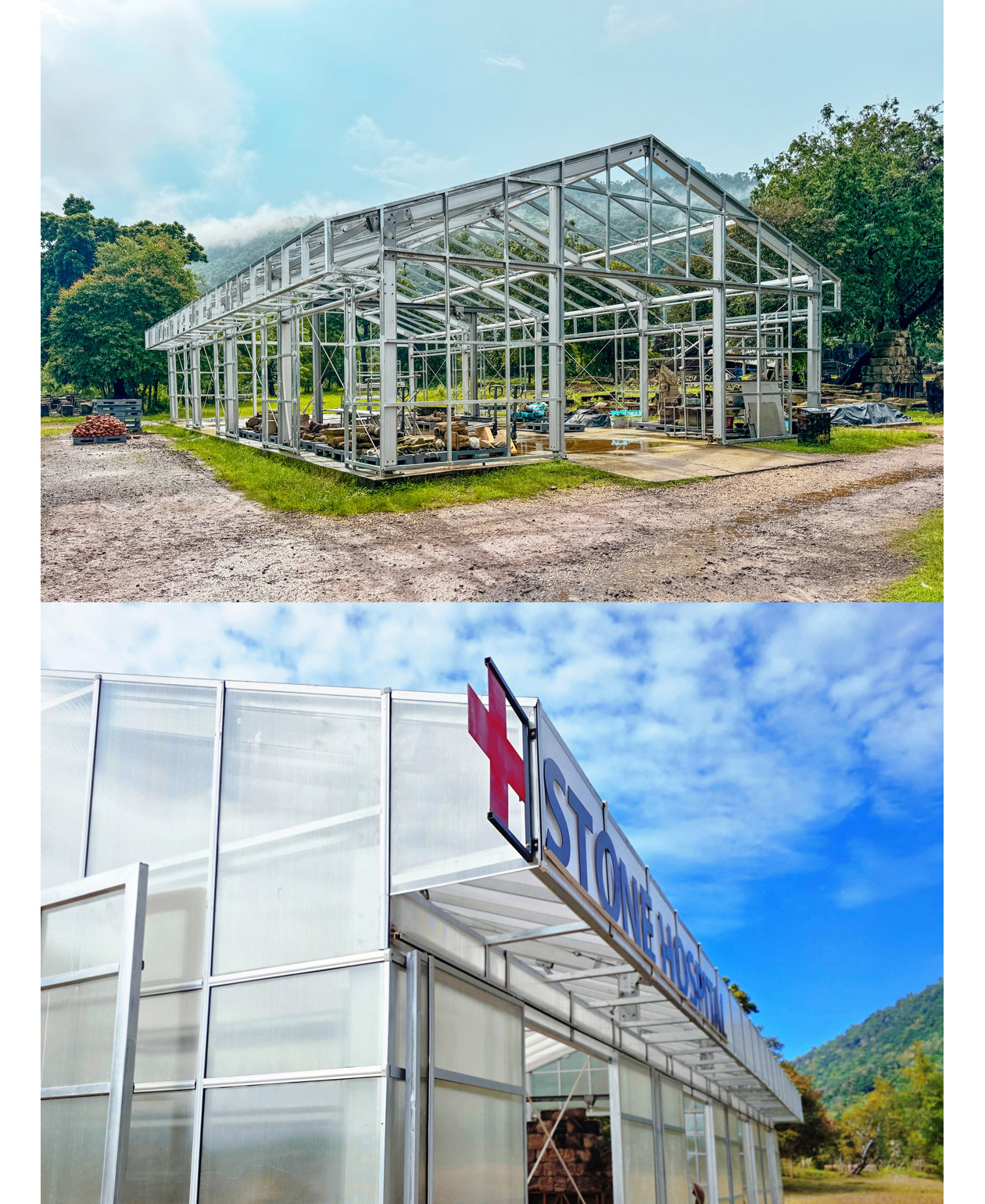
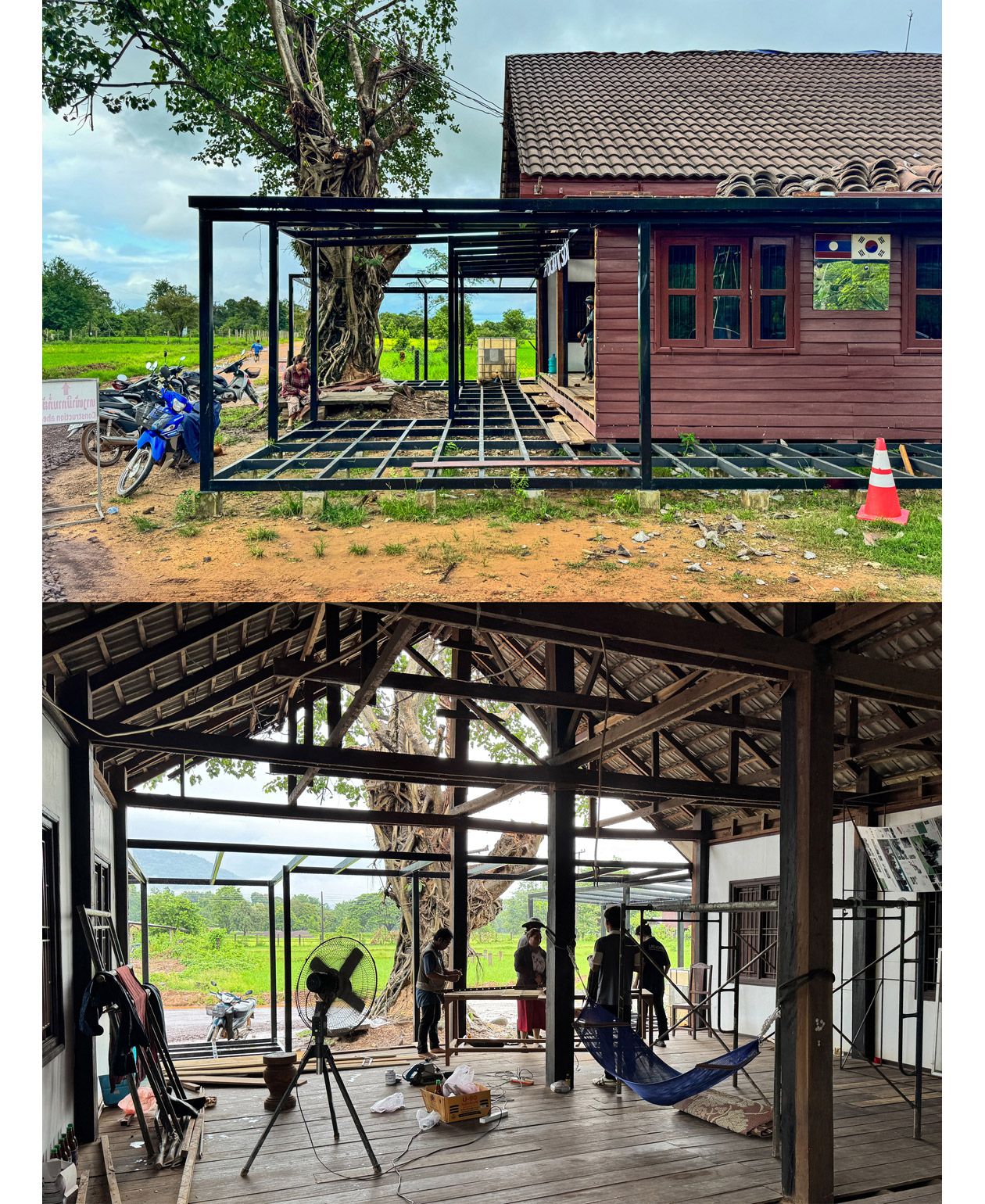
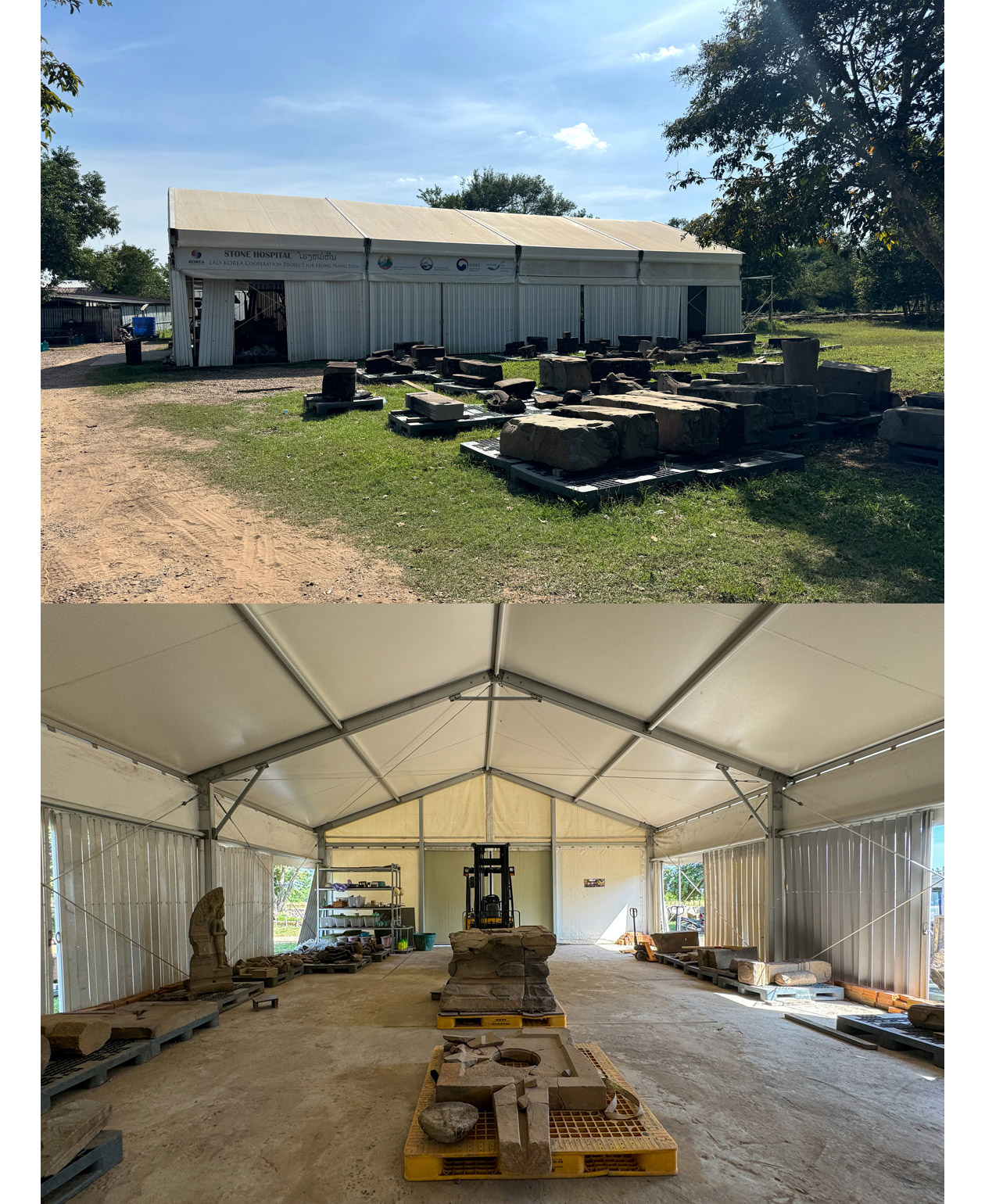
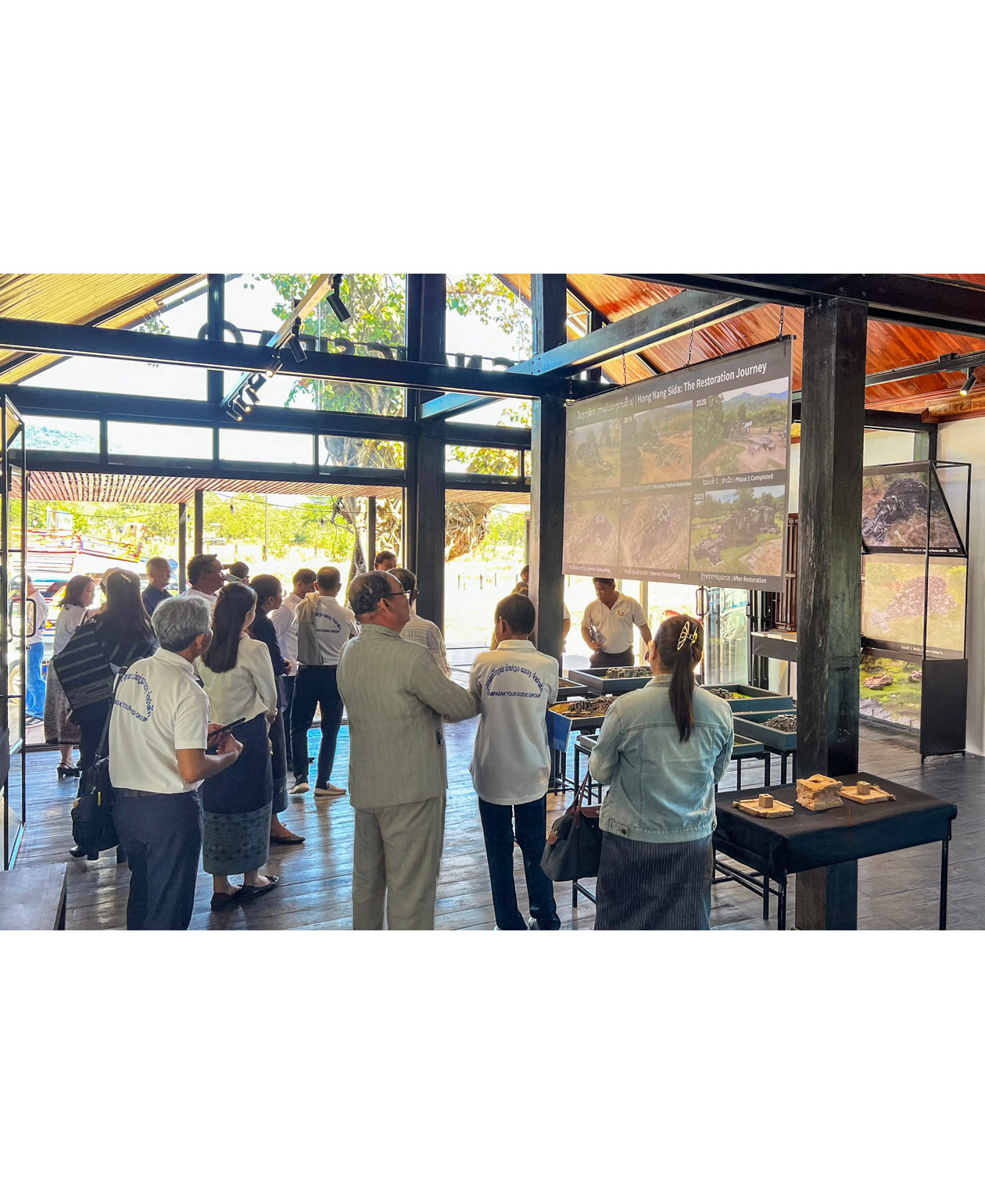
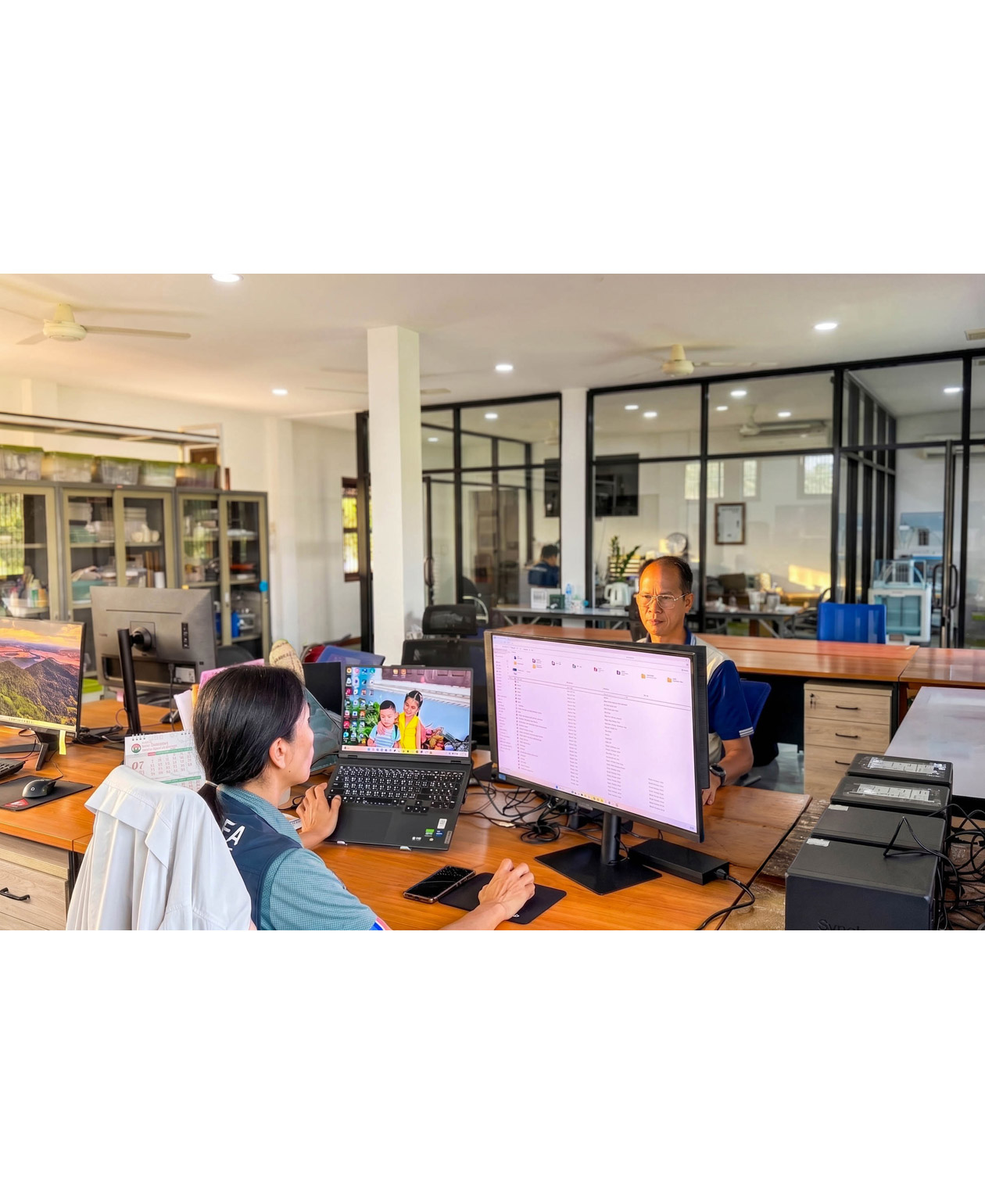
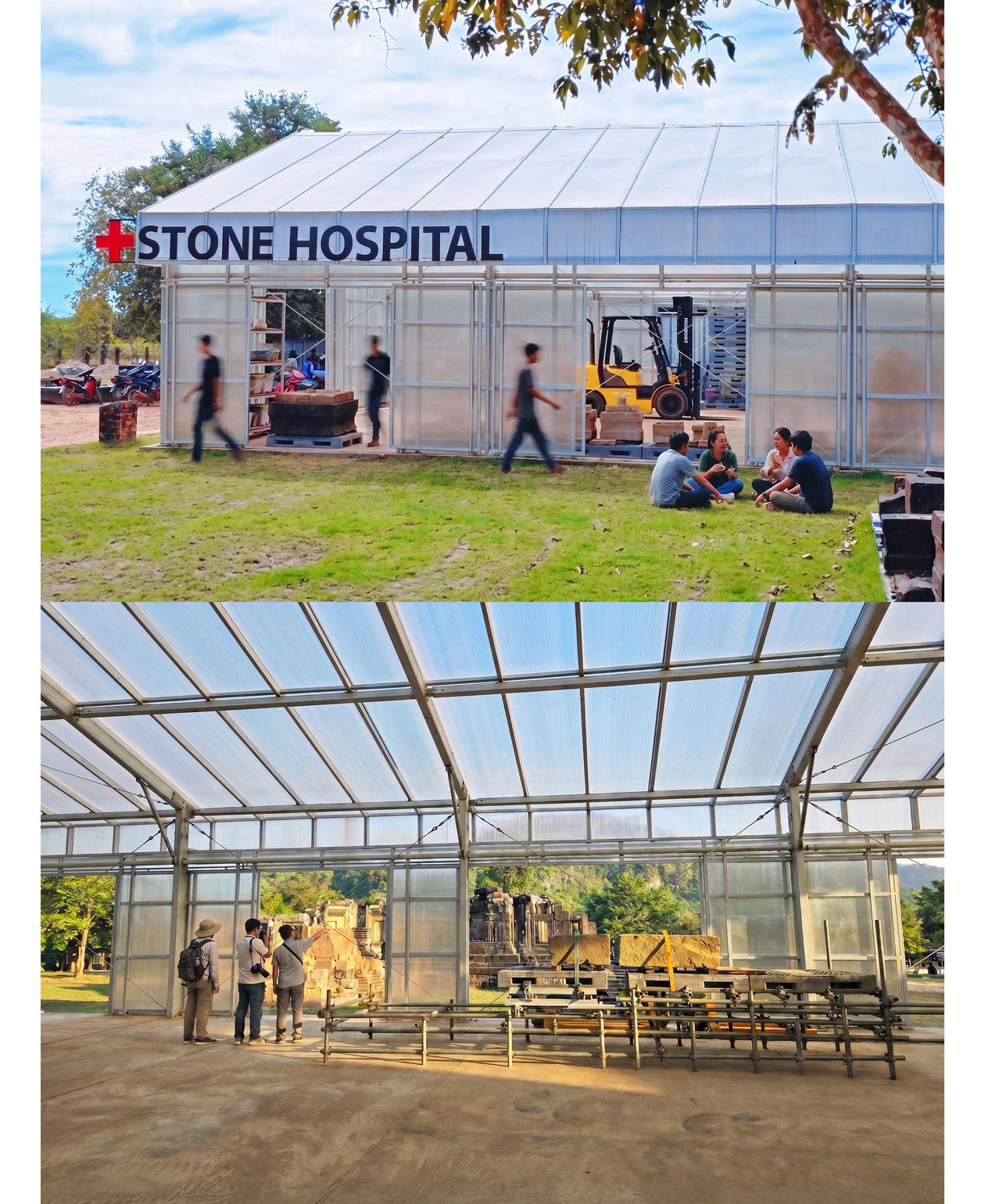
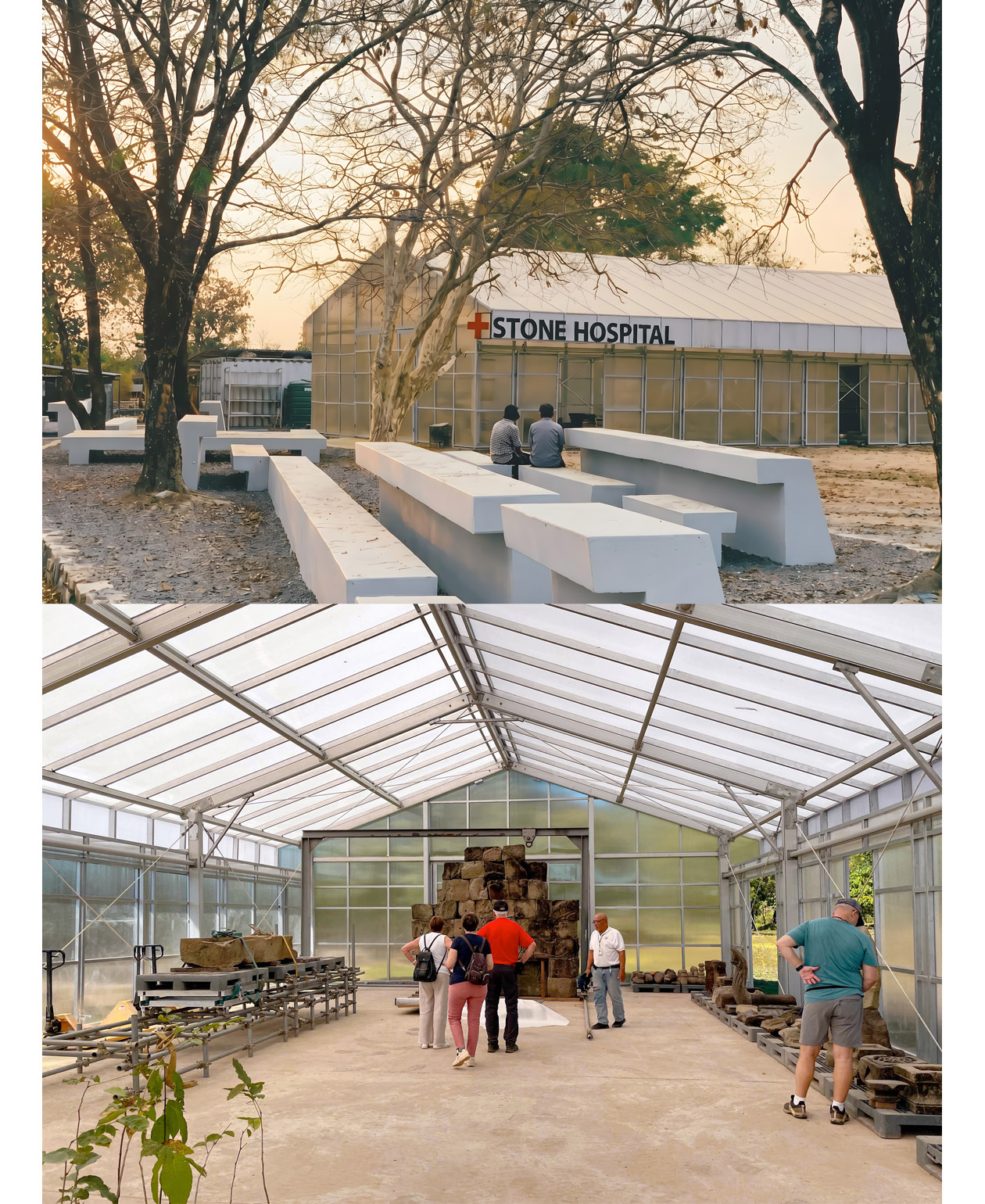
In cultural heritage ODA projects, once restoration is completed and external personnel and support withdraw, facilities used during the project process are sometimes abandoned, or the restored heritage fails to be sufficiently connected to the daily lives of local residents. To solve this, two existing facilities used as a field laboratory and stone restoration workshop were transformed into a multi-purpose cultural hub for exhibition, heritage management, education, and resident activities. It utilized the space created to support restoration as a local community asset connecting residents, visitors, and cultural heritage even after the project ends.
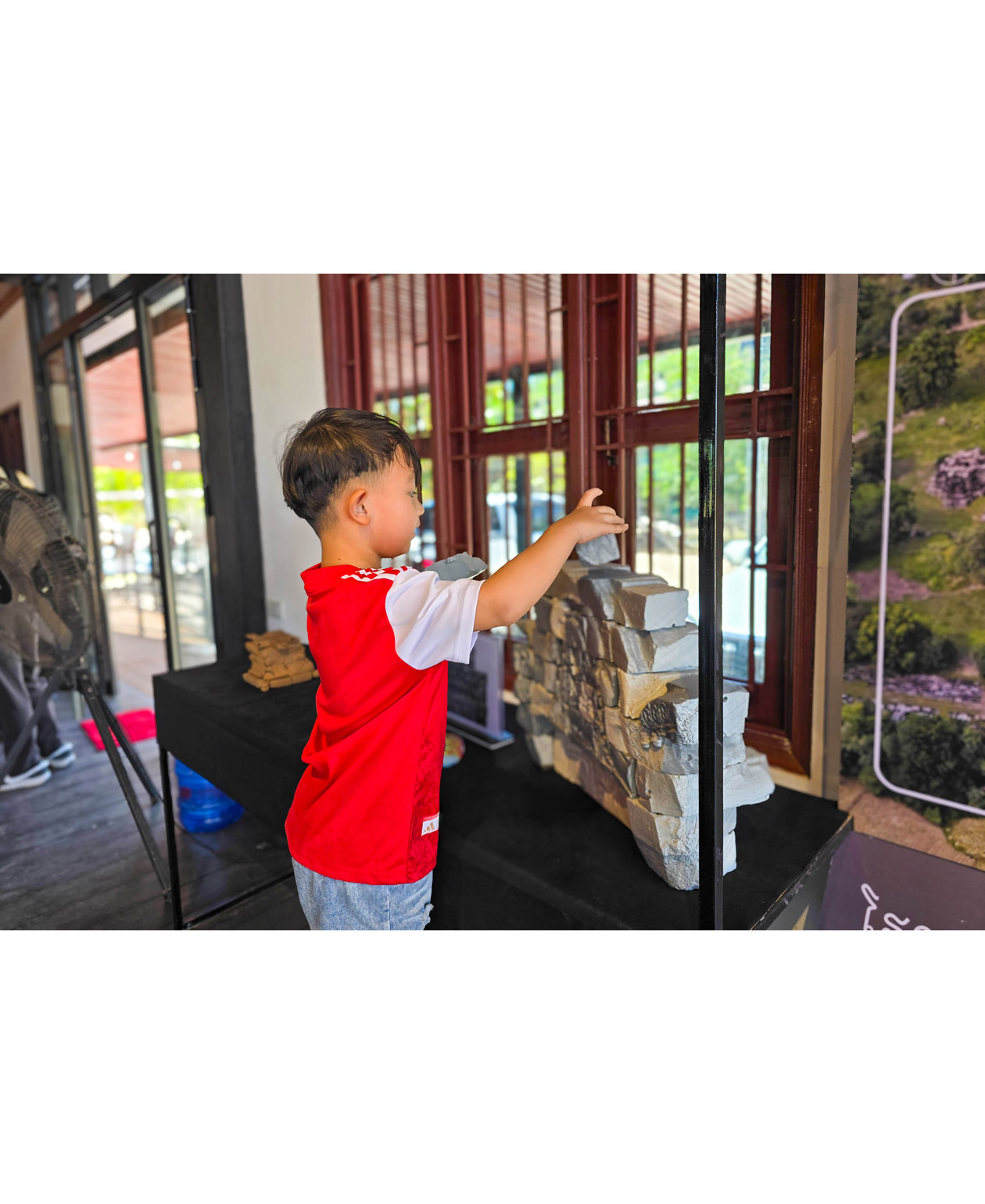
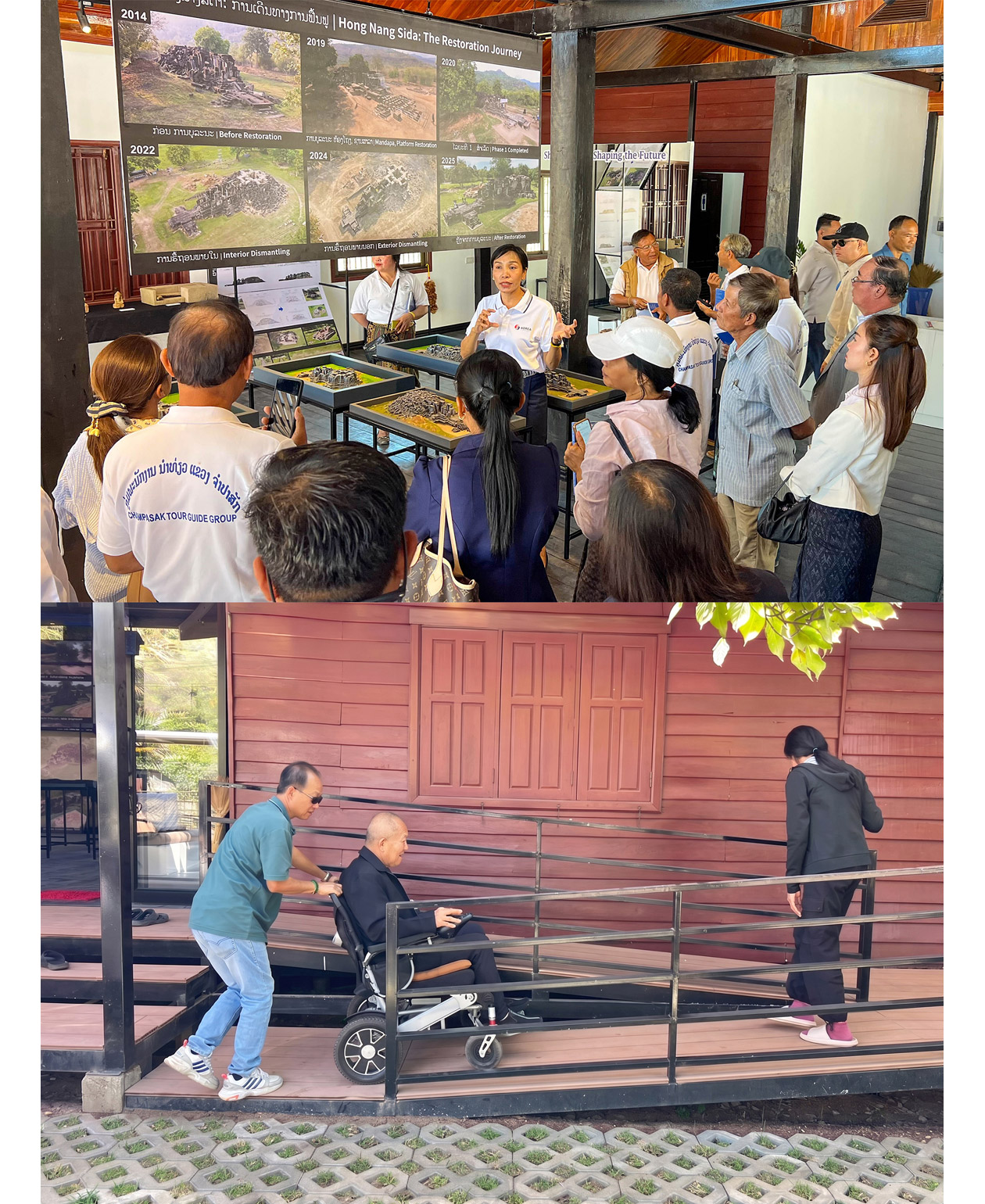
This project expands cultural heritage beyond the target of preservation into a resource that local residents routinely use and manage. Residents acquire necessary competencies and grow as agents who directly manage the heritage by participating in cultural heritage interpretation, exhibitions, facility management, and educational programs. At the same time, by preparing a space where visitors and residents meet, it enabled connections to local tourism, economic activities, and community exchanges. Its characteristic is that it considered not only spatial regeneration but also the relationships of the people who use and operate it.
Reusing existing facilities and assets inside the heritage site instead of constructing new buildings was also an important design strategy. By granting new functions to facilities created for the restoration project without demolishing them, it reduced construction waste and the use of resources needed for new architecture, while also preserving the physical traces of the ODA restoration project.
The space was reconfigured to enable everyday use by strengthening the connection between indoor and outdoor areas. It allowed users to continuously experience surrounding cultural heritage and natural landscapes while staying in the space, and accommodated various activities of residents as well as exhibitions and education.
To this end, three design methods were applied. Through inclusive design, open spaces and programs were prepared where various users could easily access, linger, and interact. Site-based design reflected the restoration process of the Hong Nang Sida Temple and regional traditional architectural characteristics into the space, enhancing the connectivity between the heritage site and the new cultural space. Climate-responsive design utilized natural environmental control methods to increase building performance and durability, ensuring stable long-term use.
This spatial transition also brought changes to cultural heritage management methods. By enabling local residents to directly manage and promote heritage-related activities, it lowered dependence on external experts and support, and established a foundation to continuously operate the space even after the restoration project ends through resident-participatory tourism and visitor activities. By configuring the physical regeneration of existing facilities and a resident-centered operation system together, it ensured that the space could be continuously utilized.
What this project proposes is a new 'post-restoration' model for cultural heritage ODA projects. Instead of demolishing or abandoning temporary facilities such as laboratories or workshops used during the World Heritage conservation project after project completion, they are converted into cultural, educational, and management spaces suited to local needs. Through this, it extends the usage period of facilities and resources inputted into restoration and secures a base where local residents can continuously manage cultural heritage.
This method can be applied to other regions where cultural heritage restoration is carried out through ODA or public projects. Korea is carrying out cultural heritage ODA projects in Cambodia, Kazakhstan, and Uzbekistan as well, presenting possibilities for application tailored to each region's heritage and community environment. By connecting one-off restoration projects to a long-term operation system where residents directly participate and manage, it presents a social design model that sustains the relationship between cultural heritage, space, and the local community.