


Machi no Zukoushitsu: Town-wide Living Museum A community design project turning a vacant shop into a town-wide living museum to address loneliness and social isolation


- Nationality
- Japan
- Individual
- Rui Fukumoto
About Project
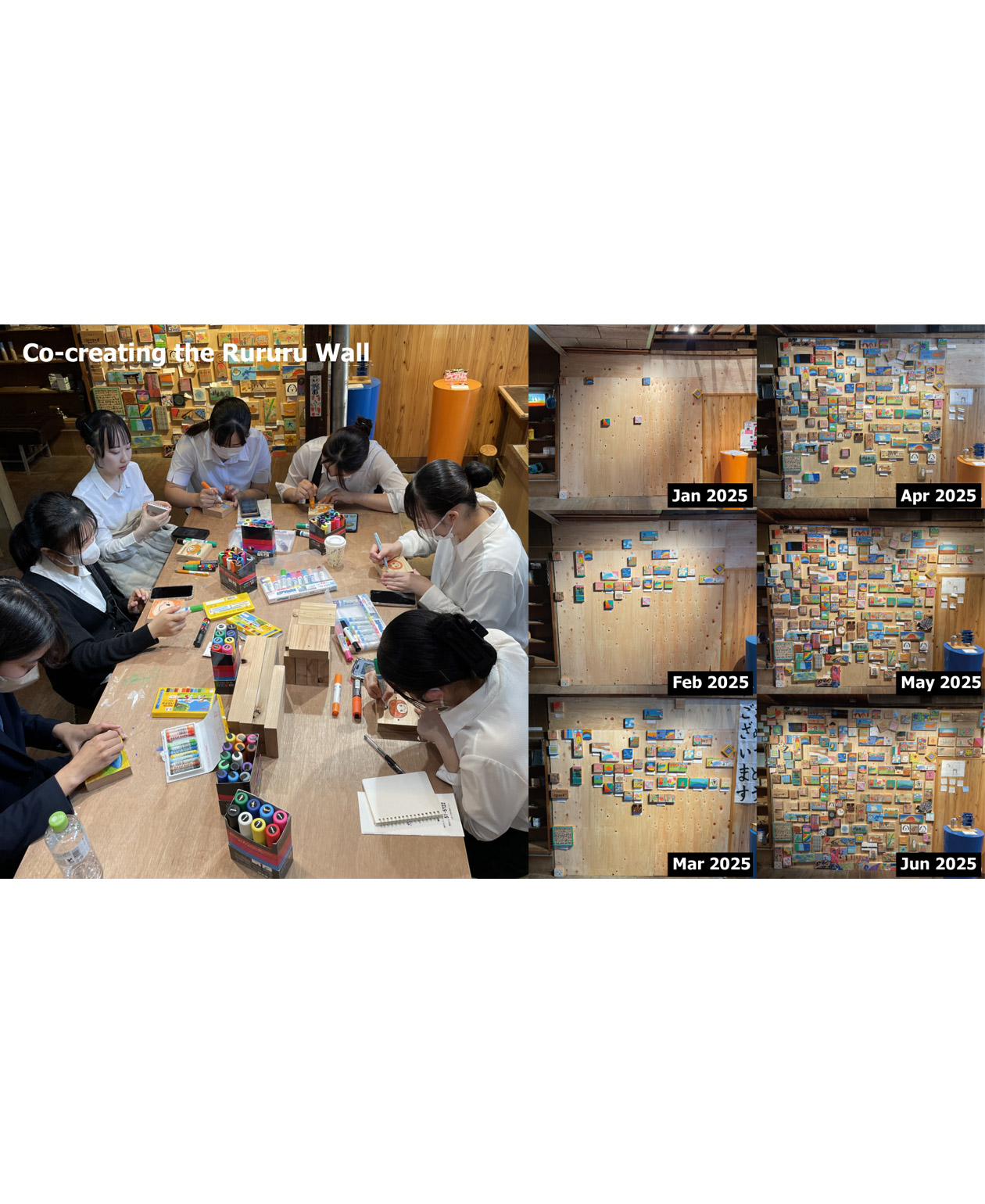
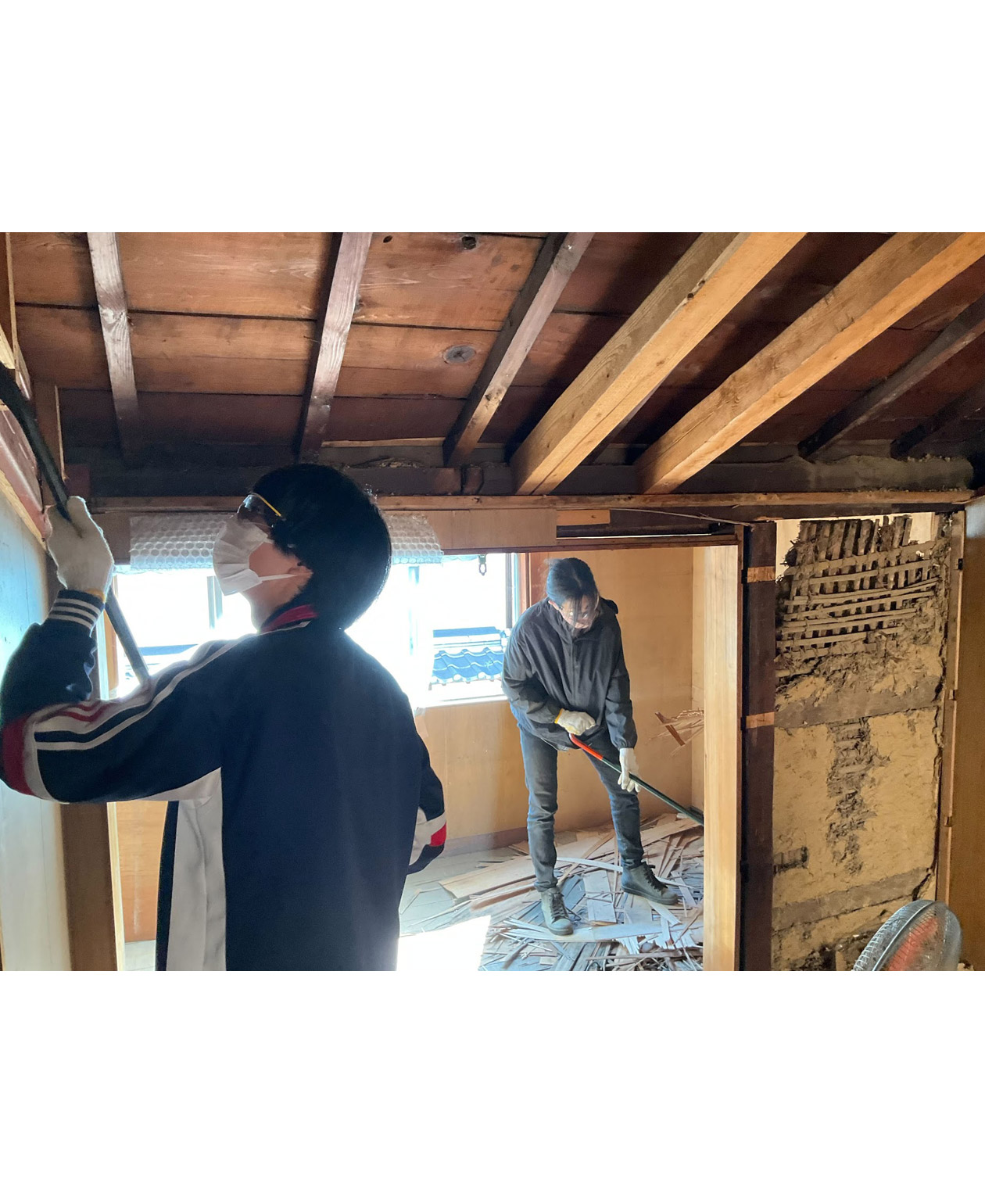
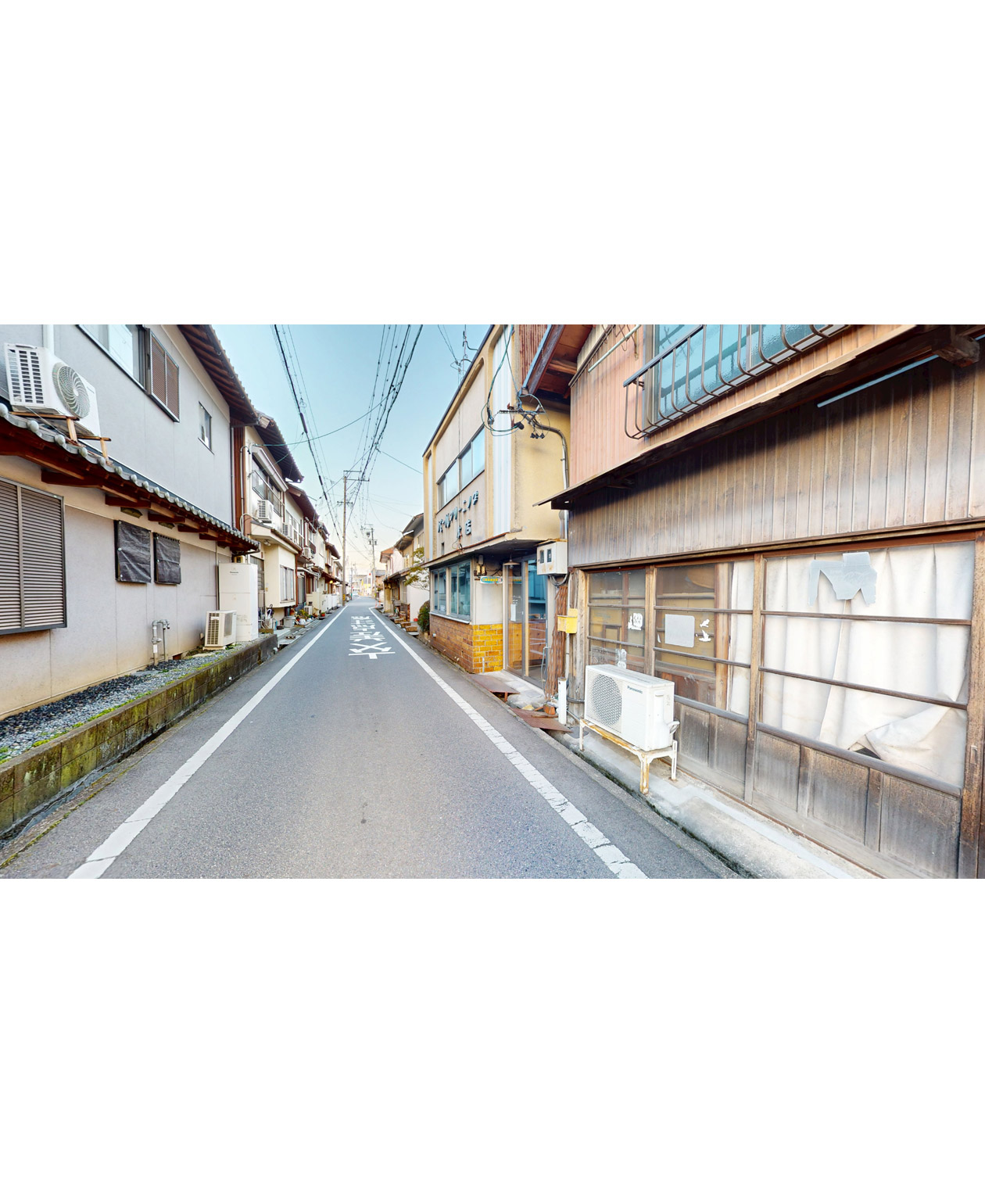
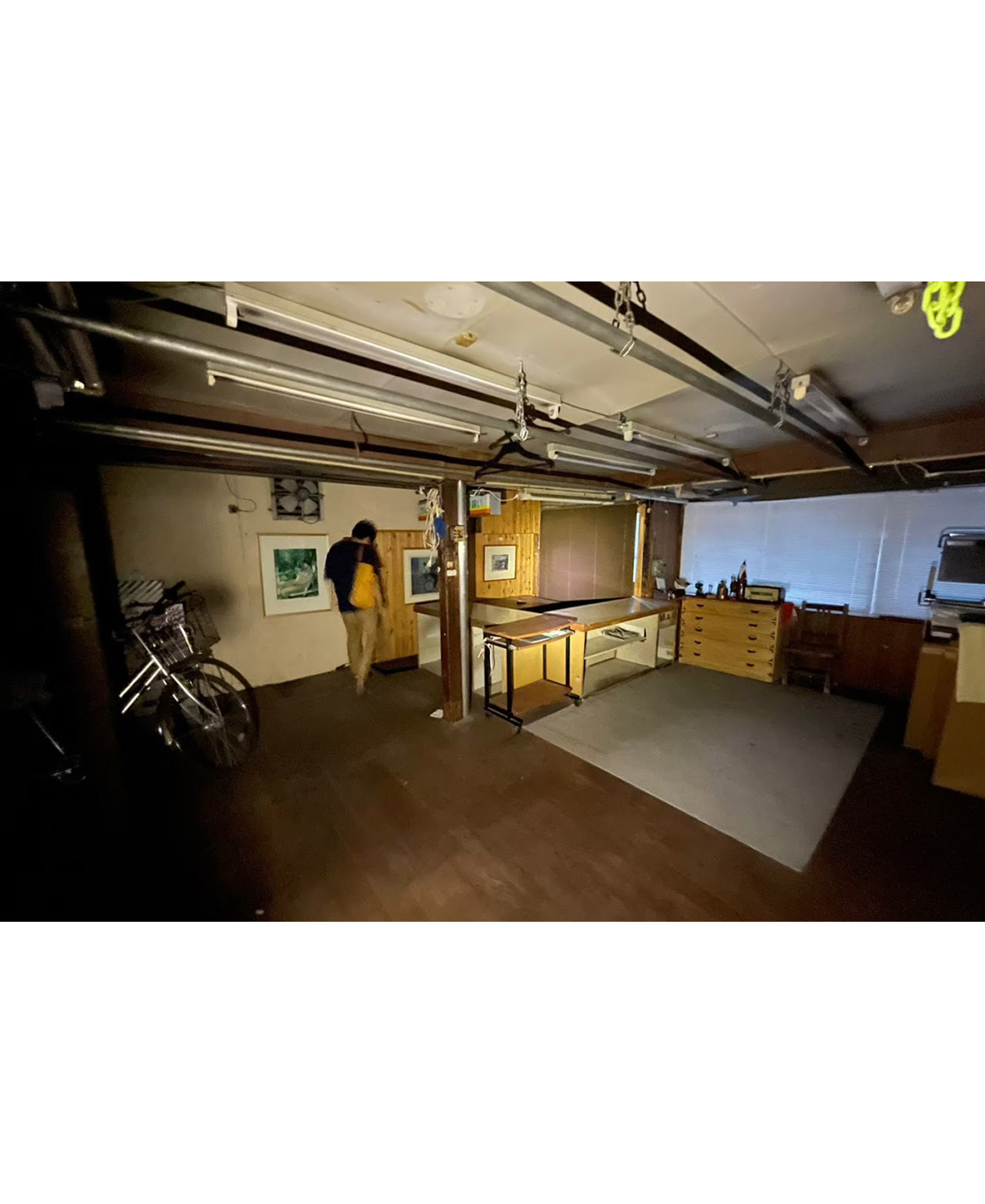
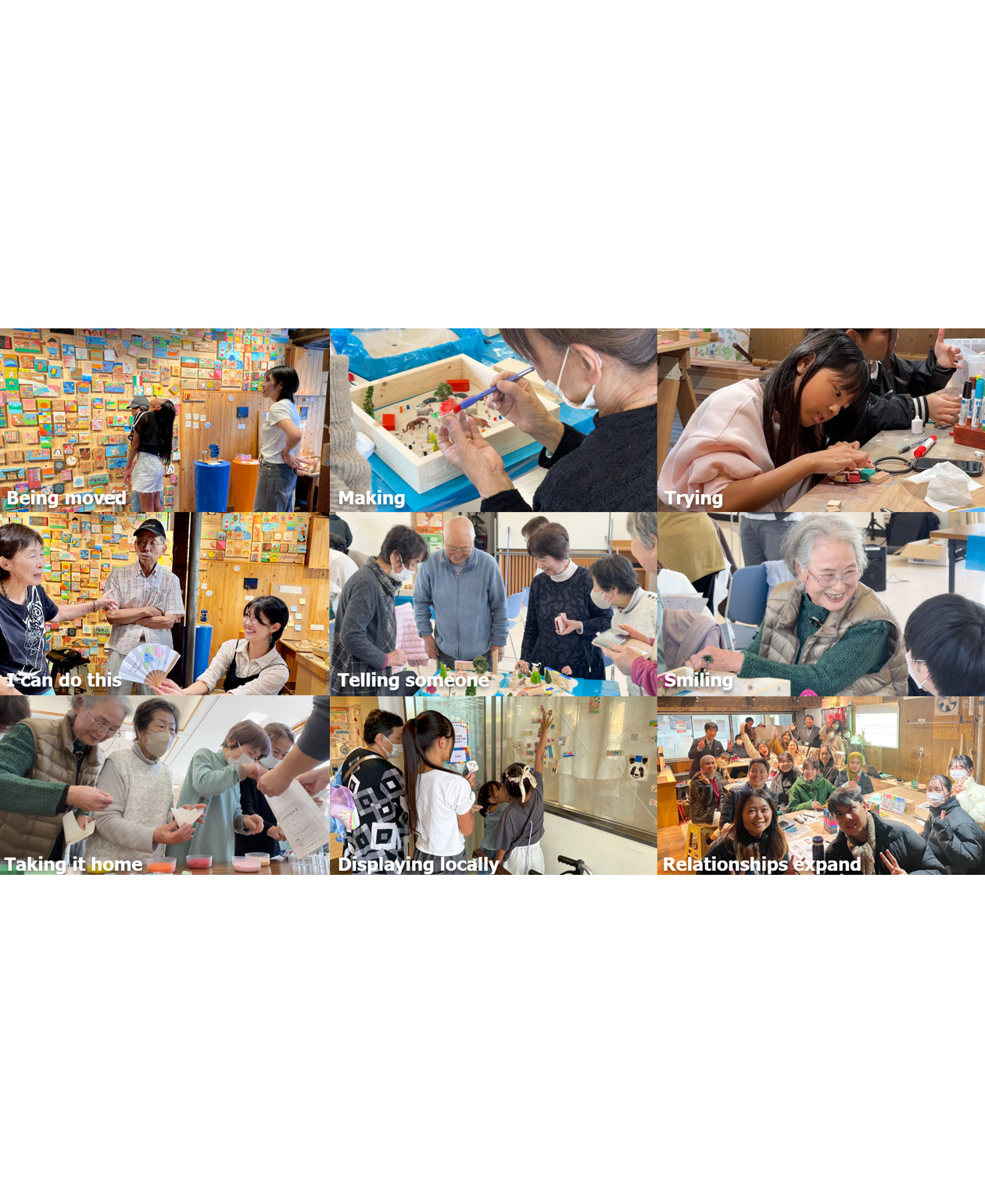
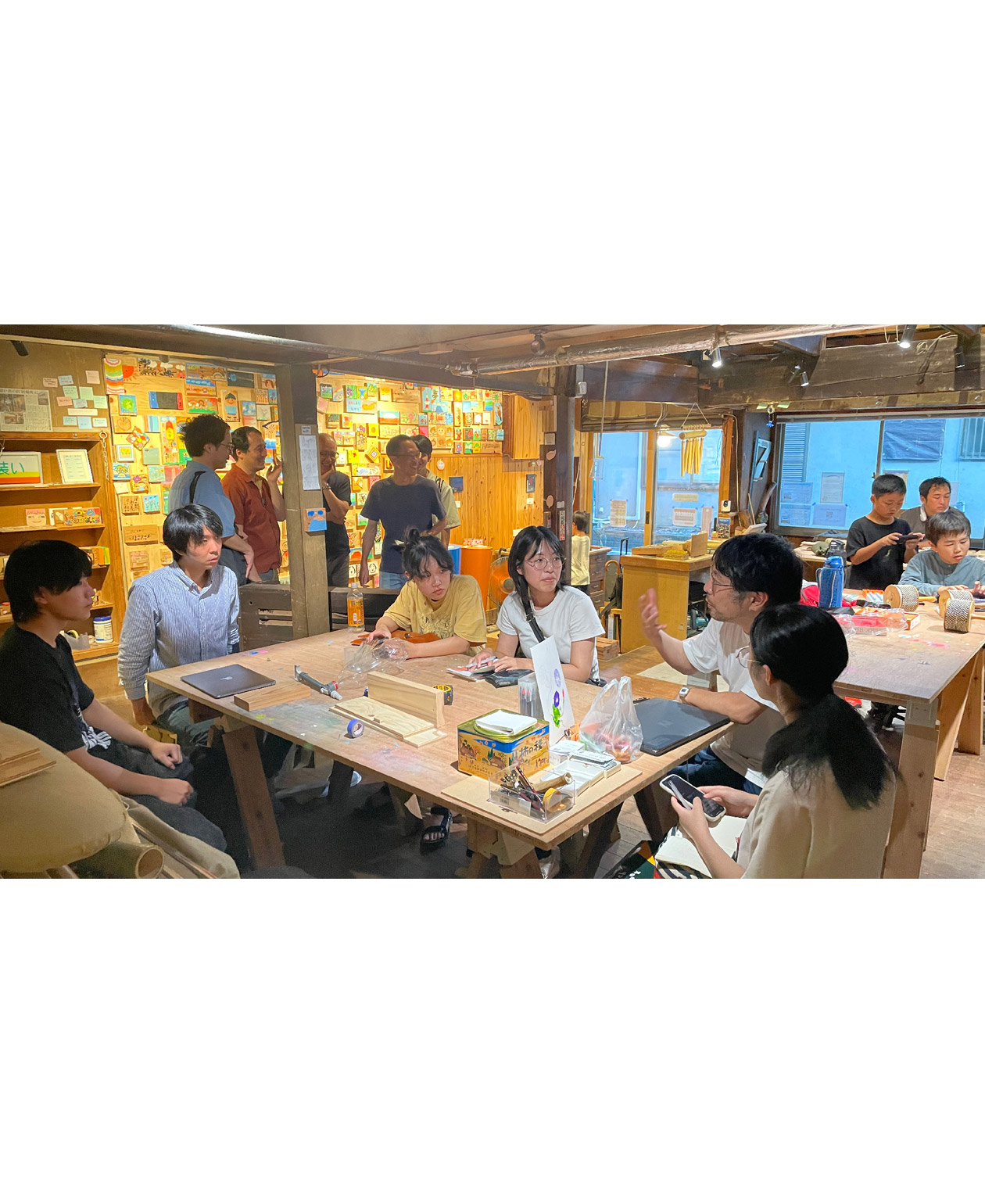
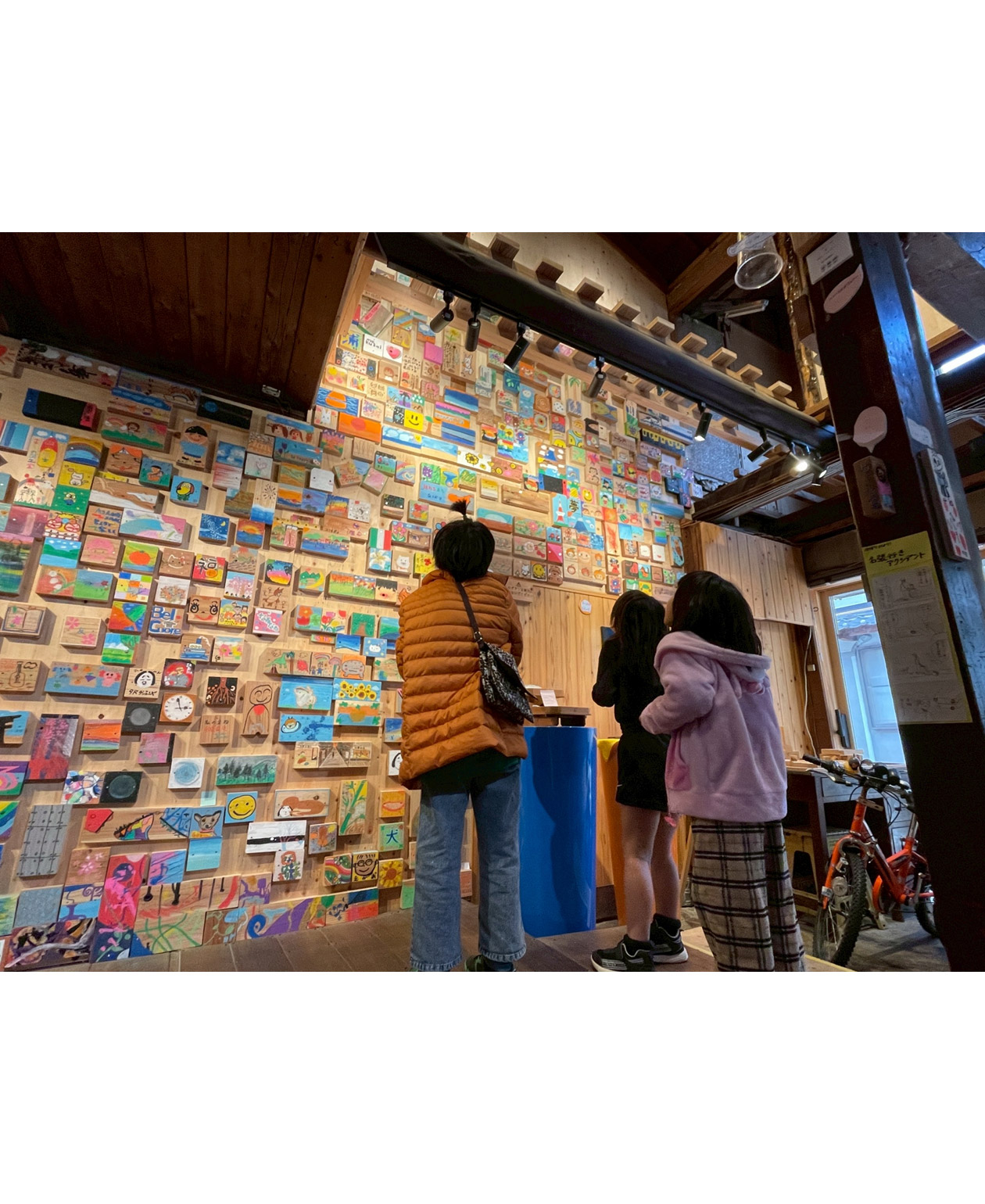
Machi no Zukoushitsu is a community design project in Nabari, Japan, that regenerated a vacant dry-cleaning shop with over 100 years of history into a community hub, gradually turning the Kyu-cho district into a town-wide living museum. In a community facing ageing, increasing vacant properties, and unwanted loneliness and social isolation, it creates an everyday place where anyone can drop in, look, touch, make, talk, stay silent, take works home, and return. Each person’s small “I like this” moment becomes a work, a conversation, a reason to walk through the town, and an opportunity for mutual care, focusing on reconnecting people with people and people with places rather than building new spaces.
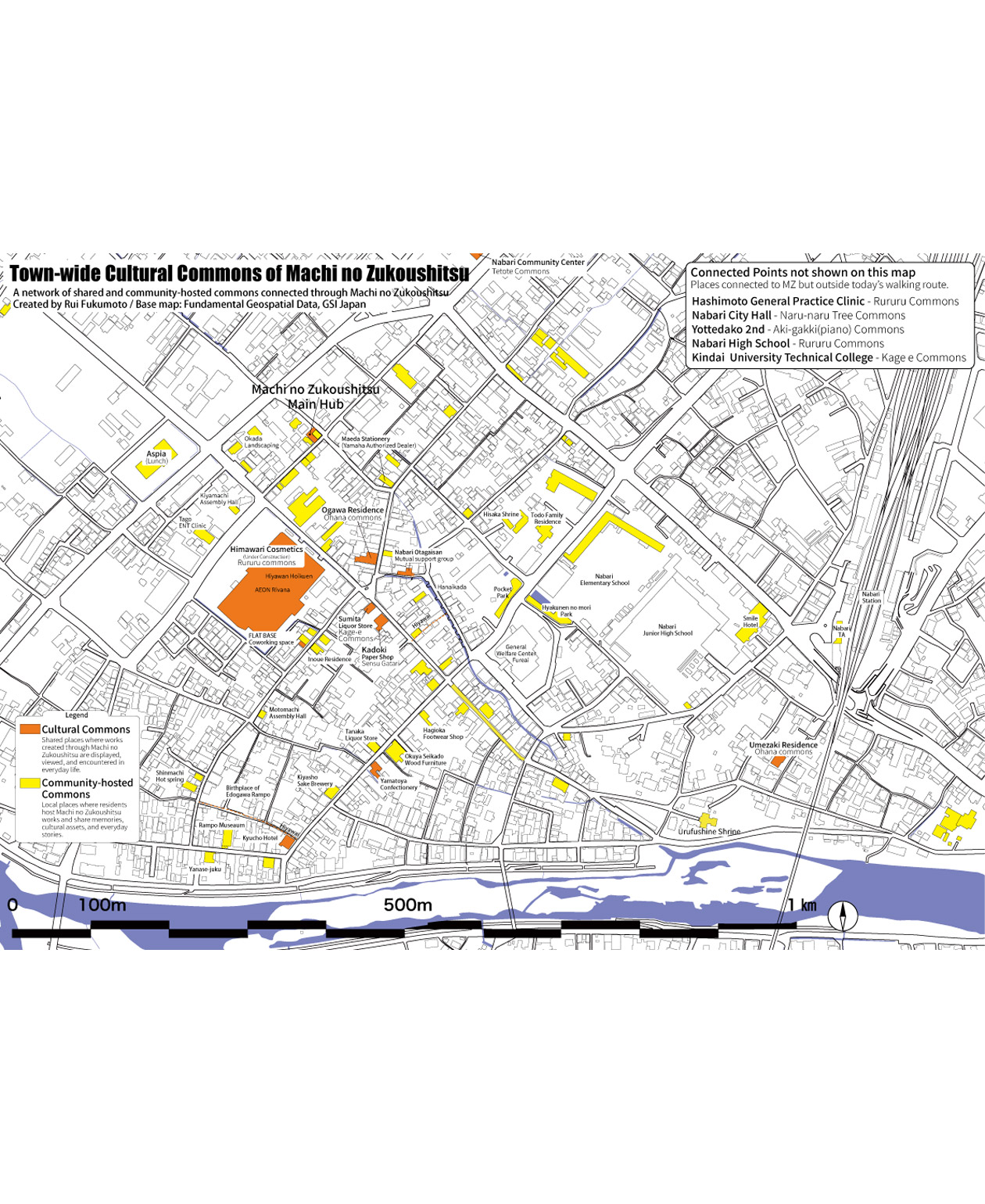
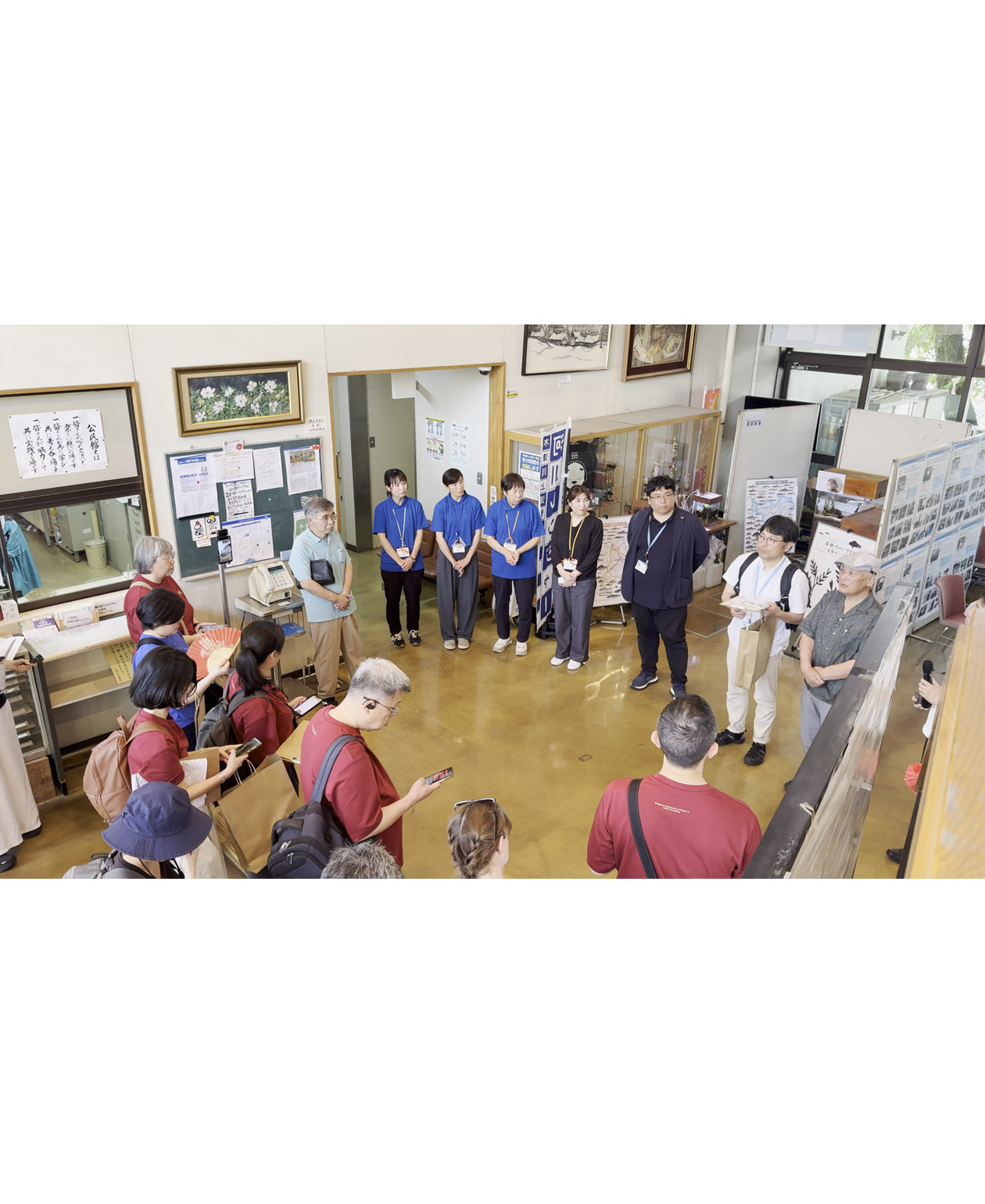
Rather than constructing a new museum or welfare facility, the project uses existing local assets: vacant space, residents’ memories, donated materials and tools, schools, shops, community spaces, and health and welfare partners. Through community-hosted cultural commons, residents and shop owners open small corners of homes, stores, and everyday places, turning them into gentle public thresholds where people can view works, share stories, and notice one another, connecting the town like a museum. By decentralizing activities from a single hub into residents' everyday spaces, it expands the entire town into a network of culture and care without requiring large-scale facilities.
Since opening in March 2025, it has recorded 2,000+ visits, users aged 0–94, 700+ shared works and 70+ commons, proposing an age-friendly model for sustainable daily life, belonging, resilience, and mutual care across generations.
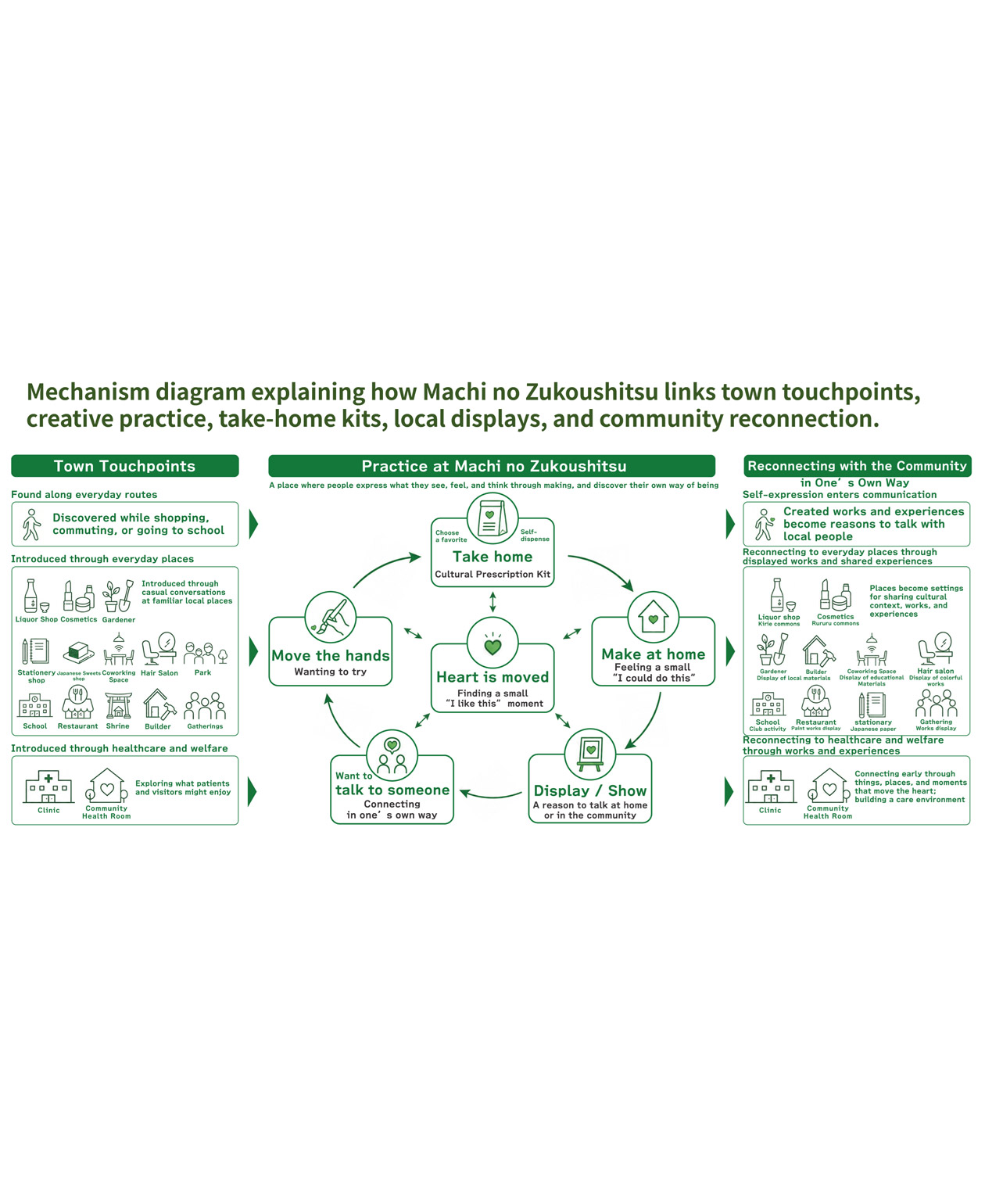
The innovation is not to build a new museum or welfare facility, but to use one regenerated vacant shop as a circuit that turns the Kyu-cho district into a living museum. Visitors can look, touch, talk, make, or stay silent until they find a small “I like this” and feel able to be themselves, and take-home cultural prescription kits let them continue favorite activities in daily life. These works return to the space and spread through community-hosted cultural commons in homes and shops, creating a circular structure where creative activities extend from a single space into homes, shops, and streets before returning. Through this process, everyday places become shared connection points for viewing, walking, conversation, and mutual care.
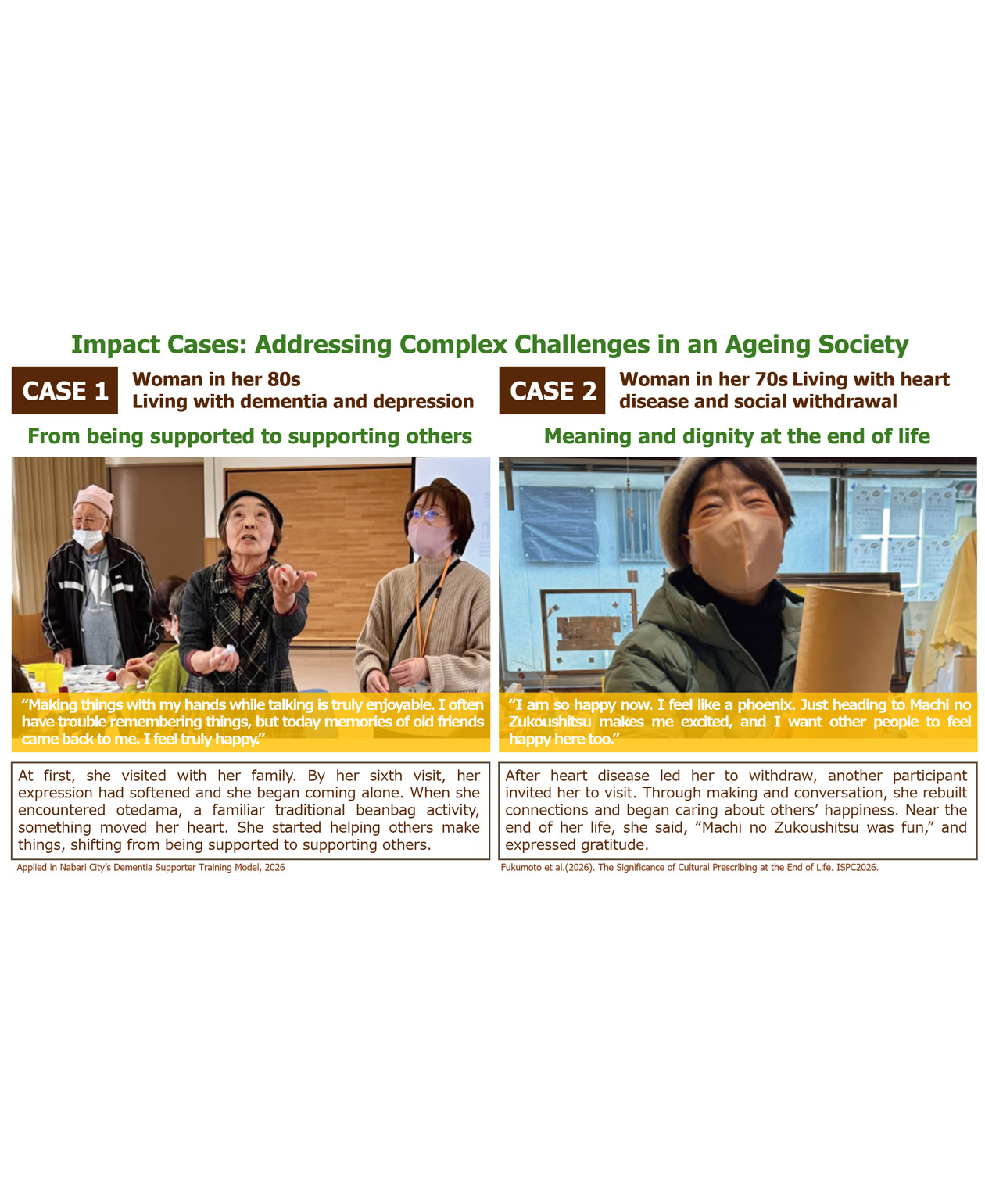
It addresses a gap formal services miss in ageing societies: people may not ask for help but need meaning, roles, and relationships. By using culture and creation as a medium, it avoids fixing roles between those who “receive” and “give” help, creating an environment where everyone can participate and build relationships. An older woman with dementia and depression first came needing support; making and conversation rebuilt relationships, led her to teach others, and eased her family’s care burden. A woman near the end of life, withdrawn after illness and loss, regained the desire to make, meet people, and invite others; her final words, “Machi no Zukoushitsu was fun,” showed dignity and meaning beyond enjoyment. These cases informed adaptations in Japanese communities and study visits from the UK and ASEAN.
The future vision is to scale a circulation design, not duplicate one facility. Many ageing communities face vacant buildings, few cultural facilities, weakened ties, and growing loneliness. The cycle is: regenerate an unused space, help people notice what moves them, make small works, take favorite materials and activities home, continue making in daily life, share works in homes and shops, create walking routes, and grow mutual care networks. By connecting space, creative activities, and resident participation into a single flow, it approaches the issue of social isolation through relationship-centered design.
Because it uses existing spaces, memories, materials, and residents’ willingness to host small cultural commons, it can be applied to various regions without building new facilities. Instead of creating new physical facilities, Machi no Zukoushitsu offers a sustainable community model addressing ageing and social isolation by reorganizing and connecting existing local resources and human relationships.