


AI Benefits for Everyone This initiative delivers accessible, needs-based AI education designed for diverse groups facing digital barriers. By empowering participants to build practical solutions, it bridges technology gaps and fosters inclusive social value aligned with ESG.


- Nationality
- Korea, Republic of
- Group
- OpenAI Korea
About Project
The initiative integrates accessibility, practical learning, and participant-led creation into its educational design, directly supporting the social dimension of ESG.
Inclusive access: Programs target groups that may face barriers to AI adoption because of age, gender, geography, or limited technical experience. By adapting content and learning experiences to participants’ circumstances, the initiative lowers entry barriers and broadens access to AI education.
Needs-based learning: Rather than teaching AI as an abstract technical subject, participants connect AI capabilities with their own careers, daily lives, and communities. This makes learning more relevant and enables participants to identify problems they understand firsthand.
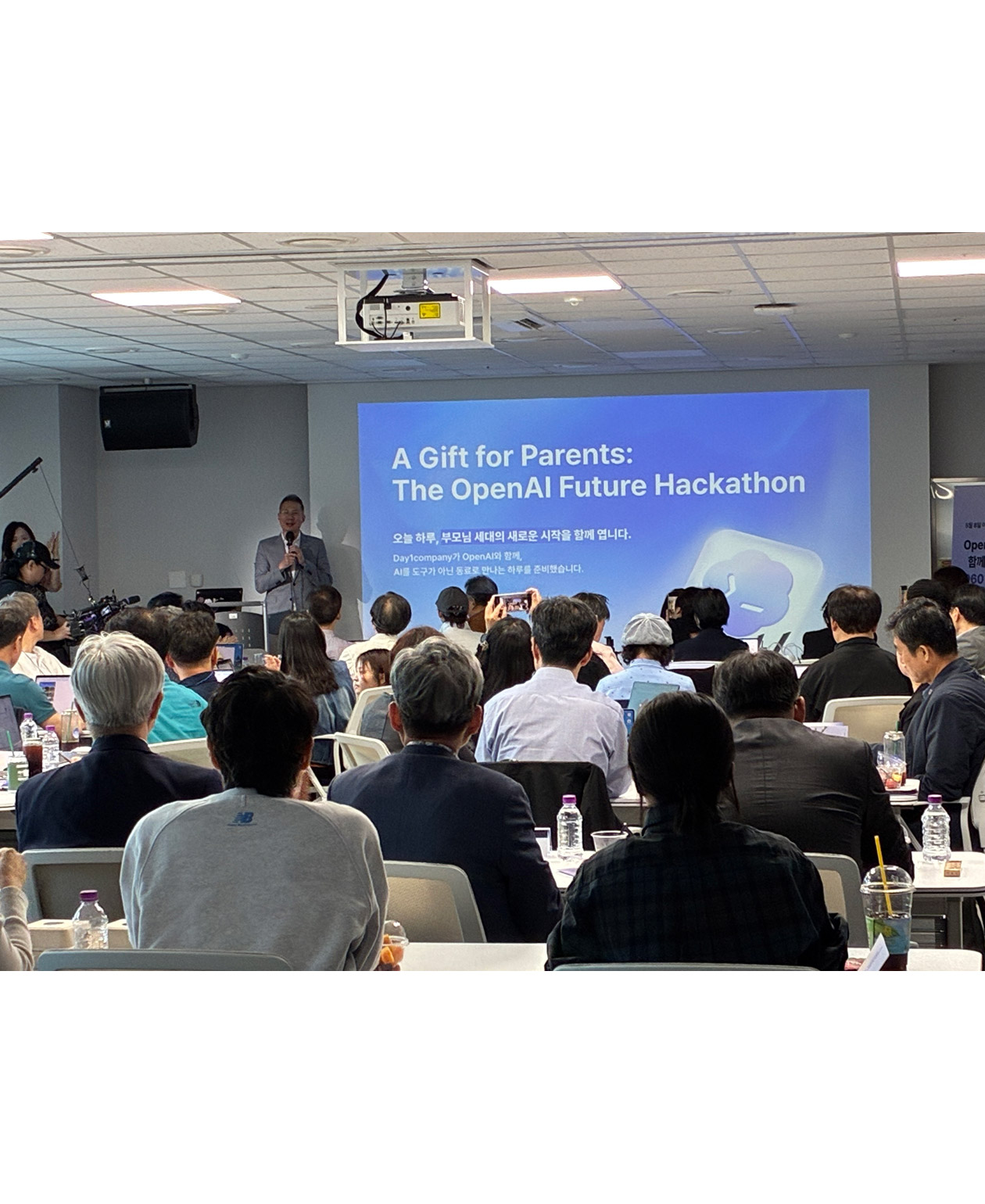
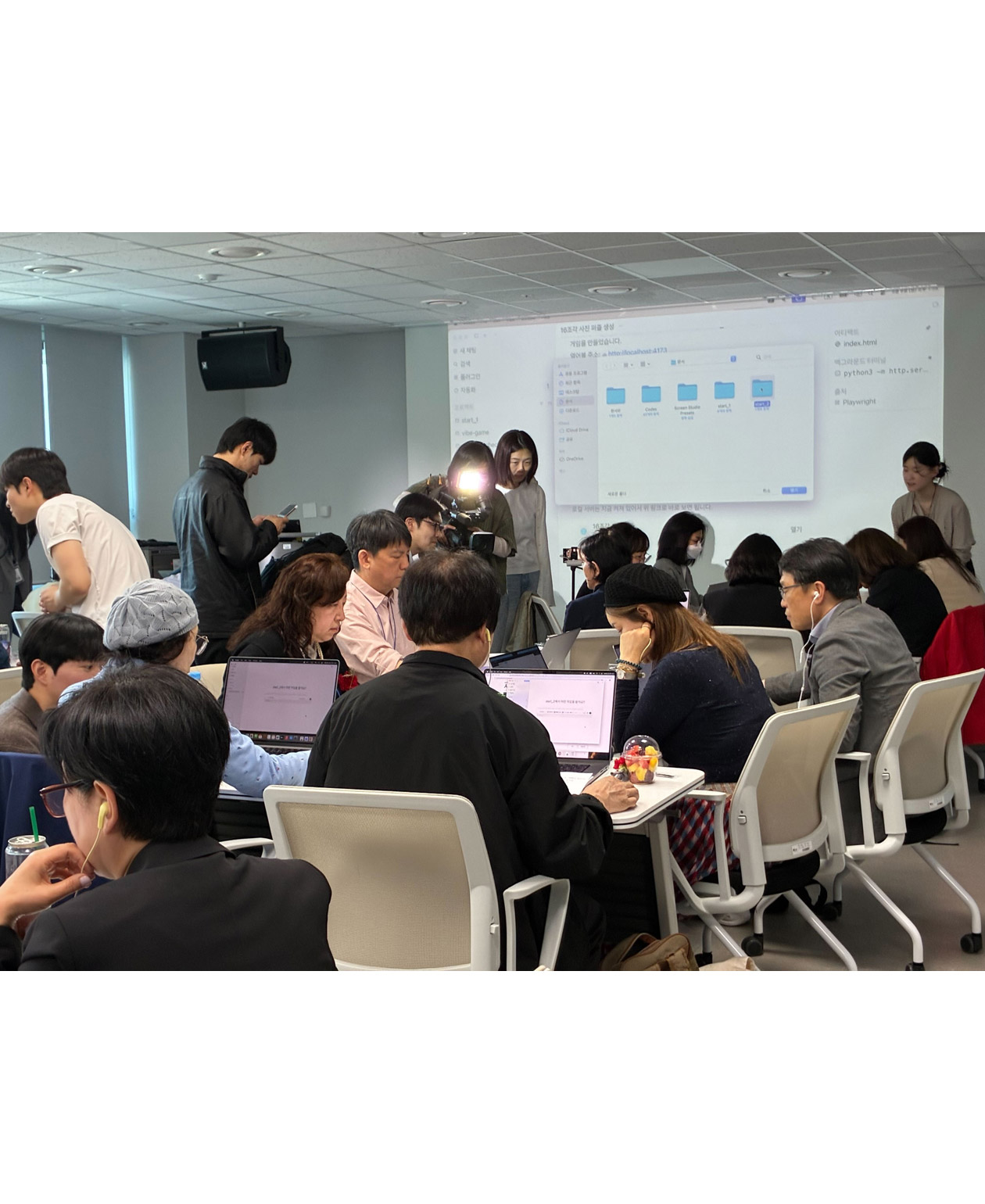
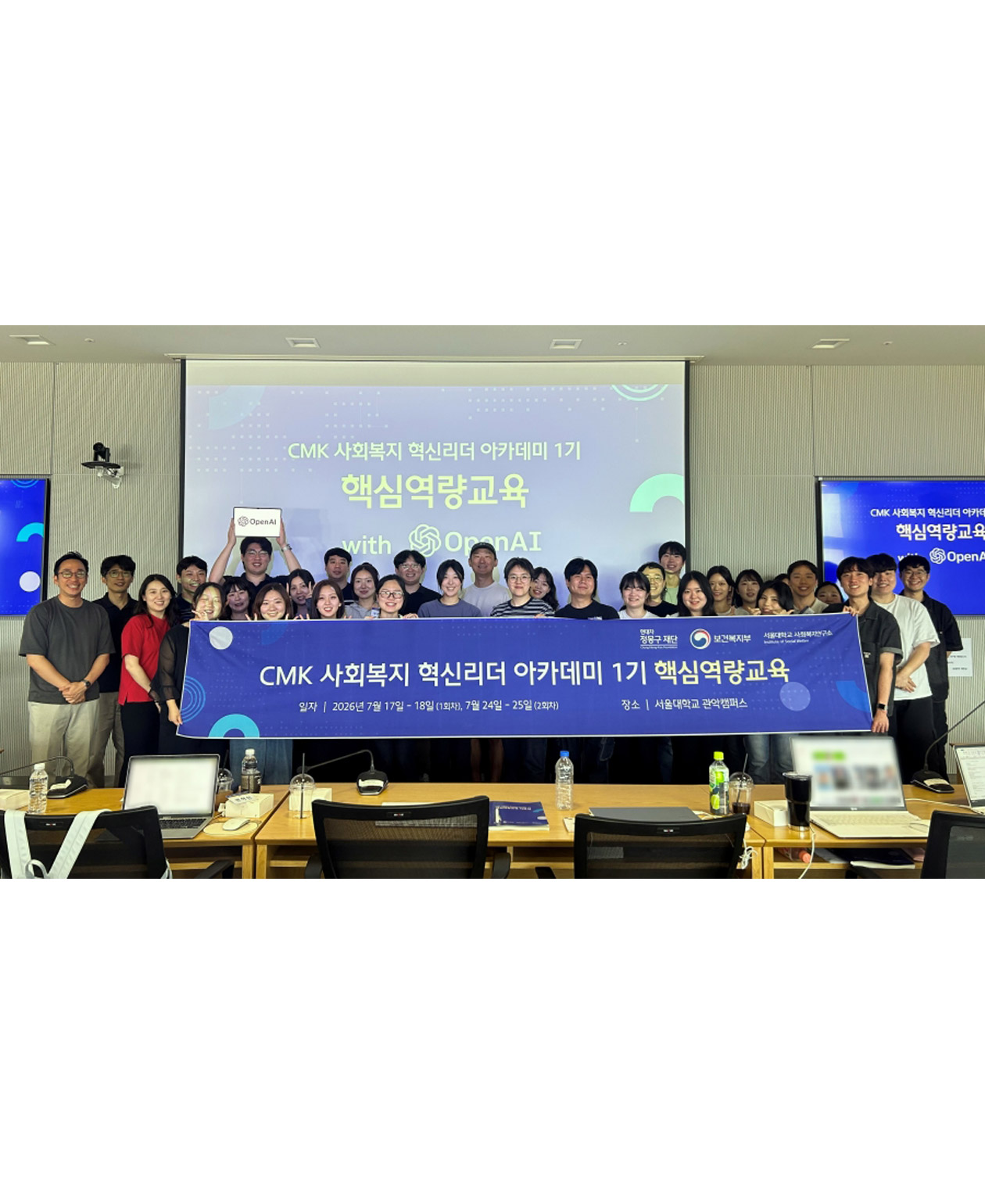
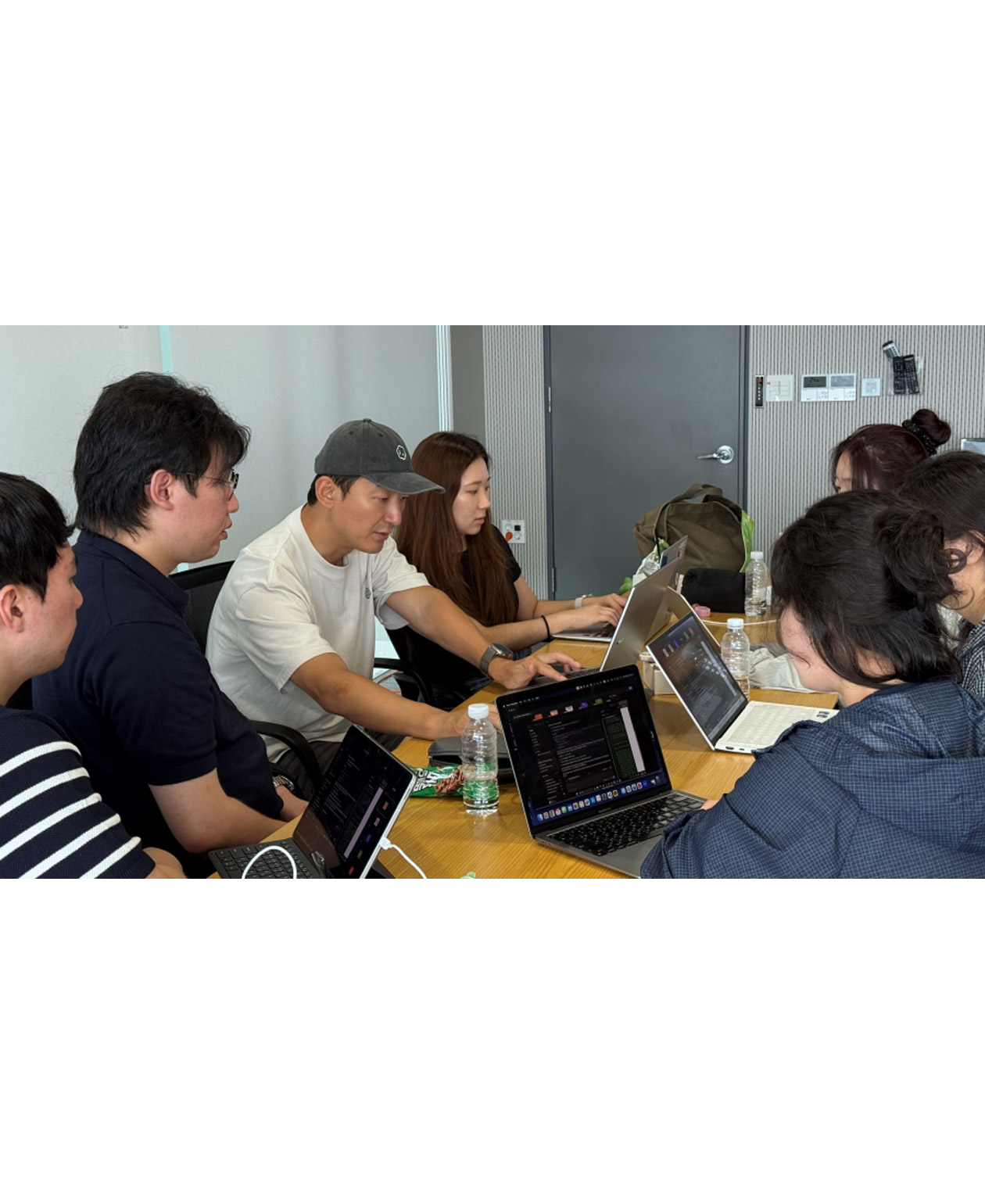
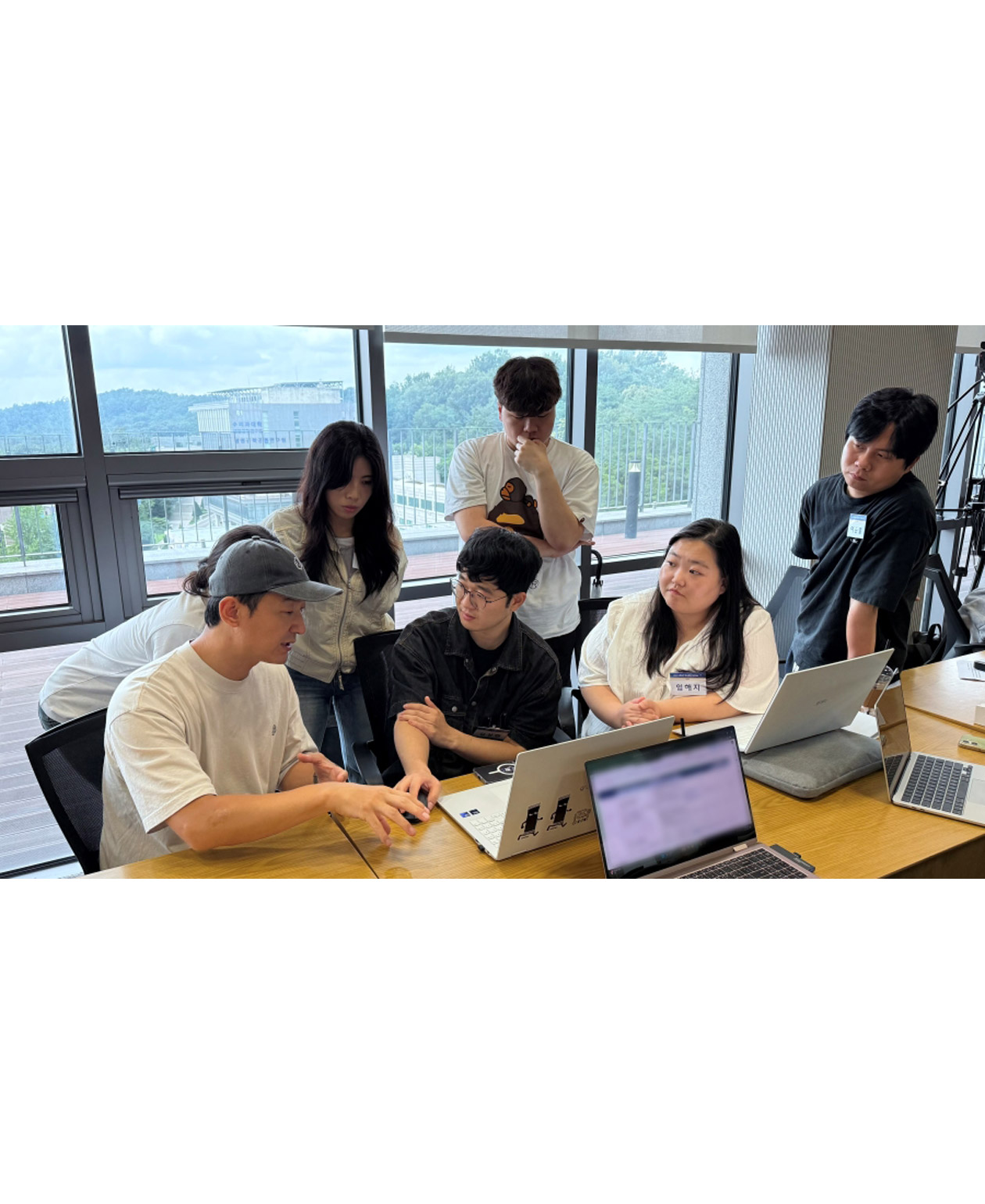
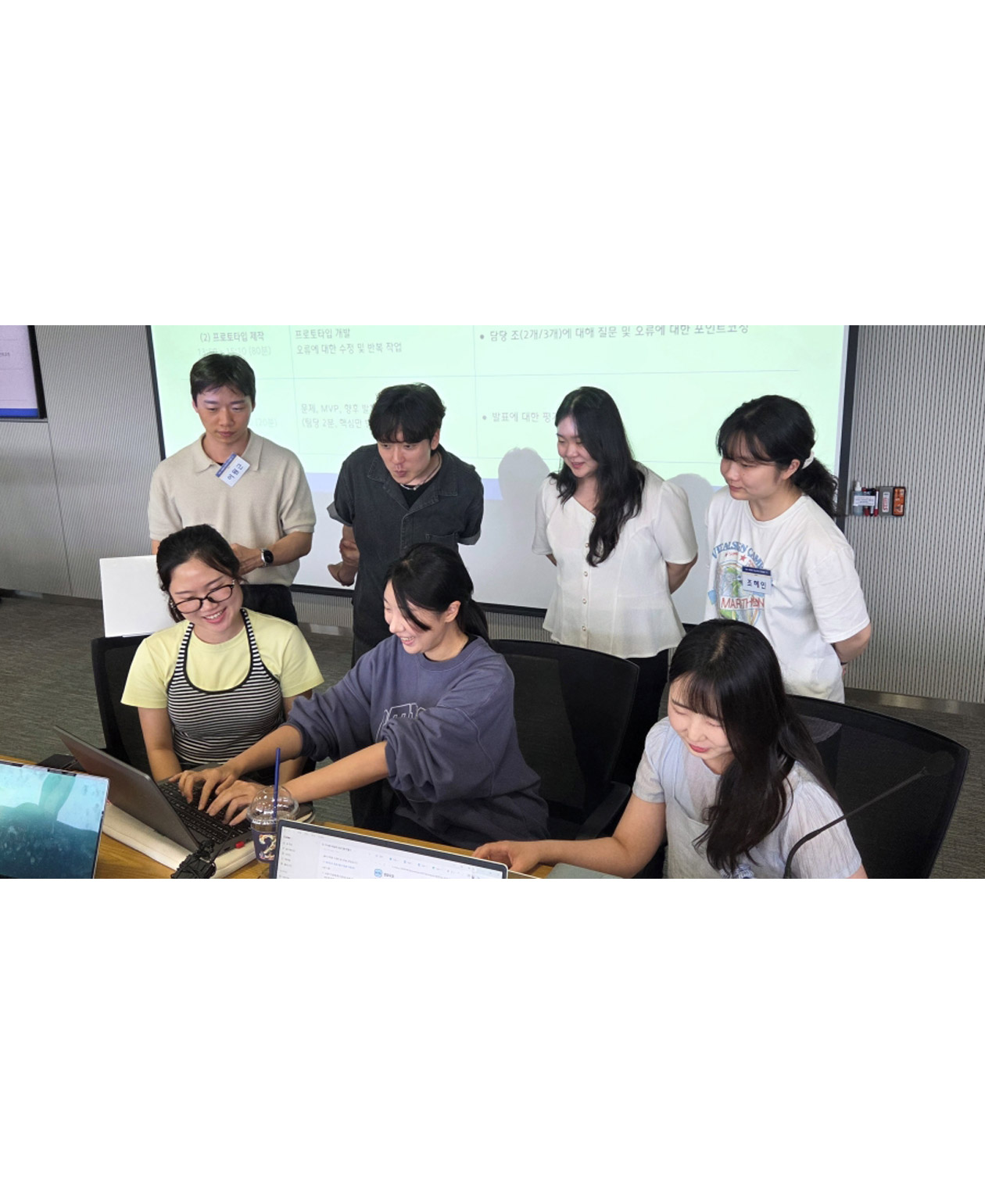
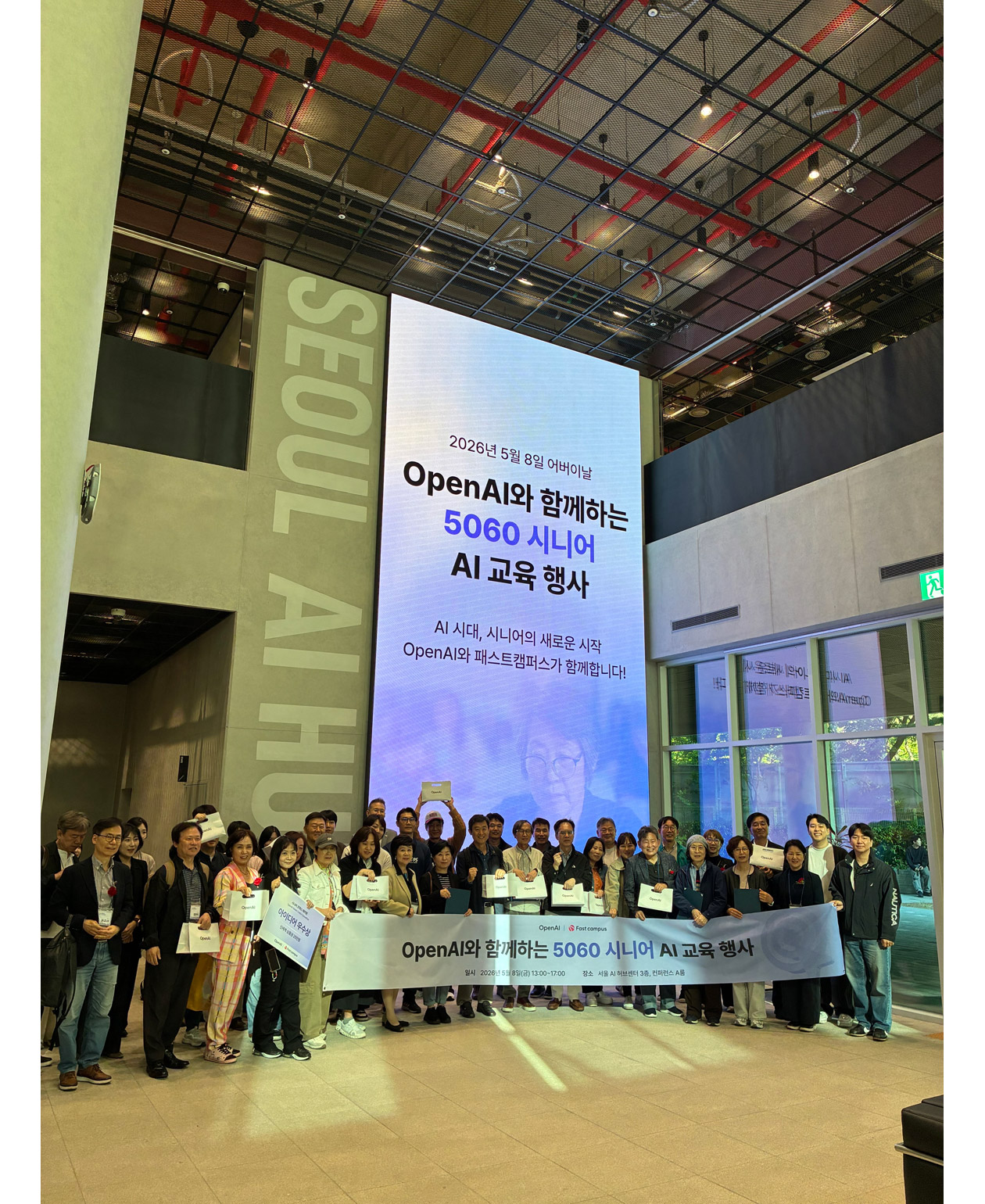
Hands-on creation: Participants are encouraged to progress from learning AI tools to designing and building practical solutions. In the 5060 senior program, for example, participants learned generative AI and Codex and developed AI tools based on their professional experience and goals. The women-focused IT’s Study program similarly emphasizes practical AI coding-agent capabilities through collaboration with OpenAI Korea.
Empowerment and participation: The design positions participants as creators and problem-solvers rather than passive recipients of technology. By giving diverse groups opportunities to experiment, create, and apply AI to meaningful challenges, the initiative supports greater confidence and agency in the AI era.
Bridging technology gaps: By expanding AI learning opportunities across generations, genders, and communities, the initiative addresses potential inequalities in access to emerging technologies and supports more inclusive participation in digital transformation.