


Otter Newborn Warmer A portable conductive warmer project preventing newborn hypothermia in resource-limited settings



- Nationality
- Zambia
- Group
- Design that Matters
About Project
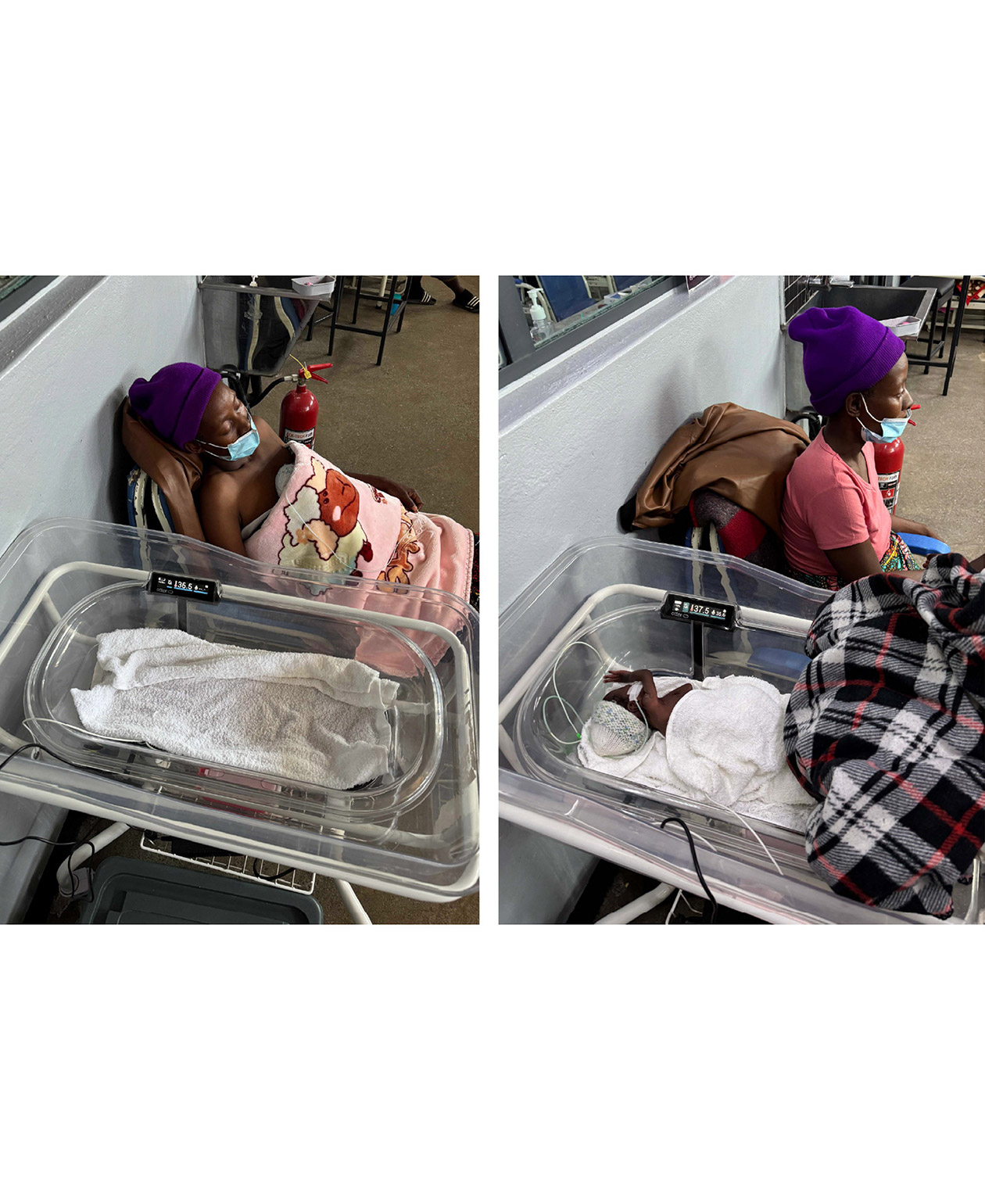
Otter is a portable newborn warmer designed to safely keep newborns warm even in environments with unstable medical infrastructure and power supply. Nearly four million newborns die worldwide every year, and an estimated 1.3 million of these deaths could be prevented with adequate warming alone — yet only 34% of hospitals in sub-Saharan Africa have reliable electricity. Power outages can also last seven to eleven hours a day, making it difficult to reliably use conventional medical devices.
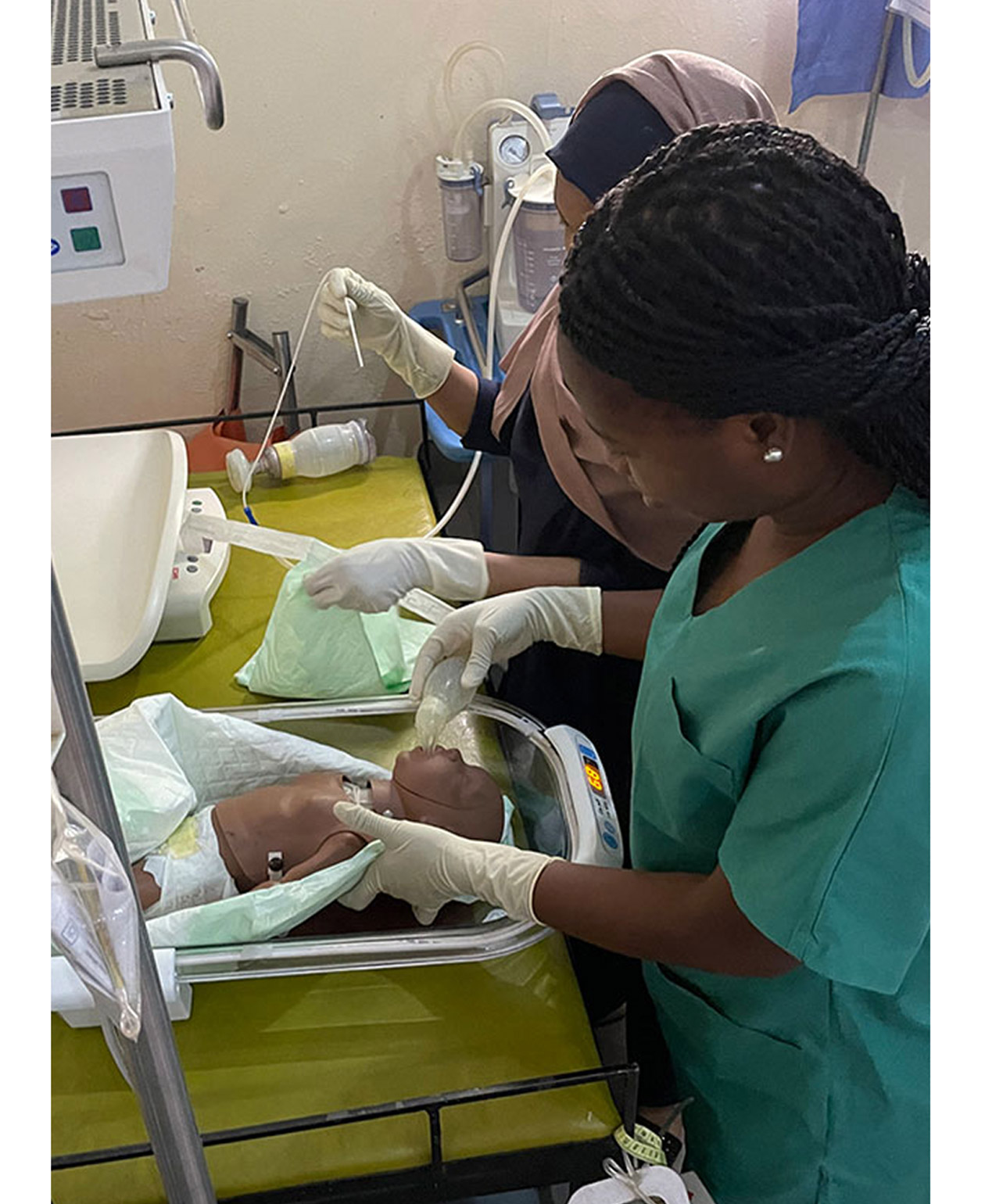
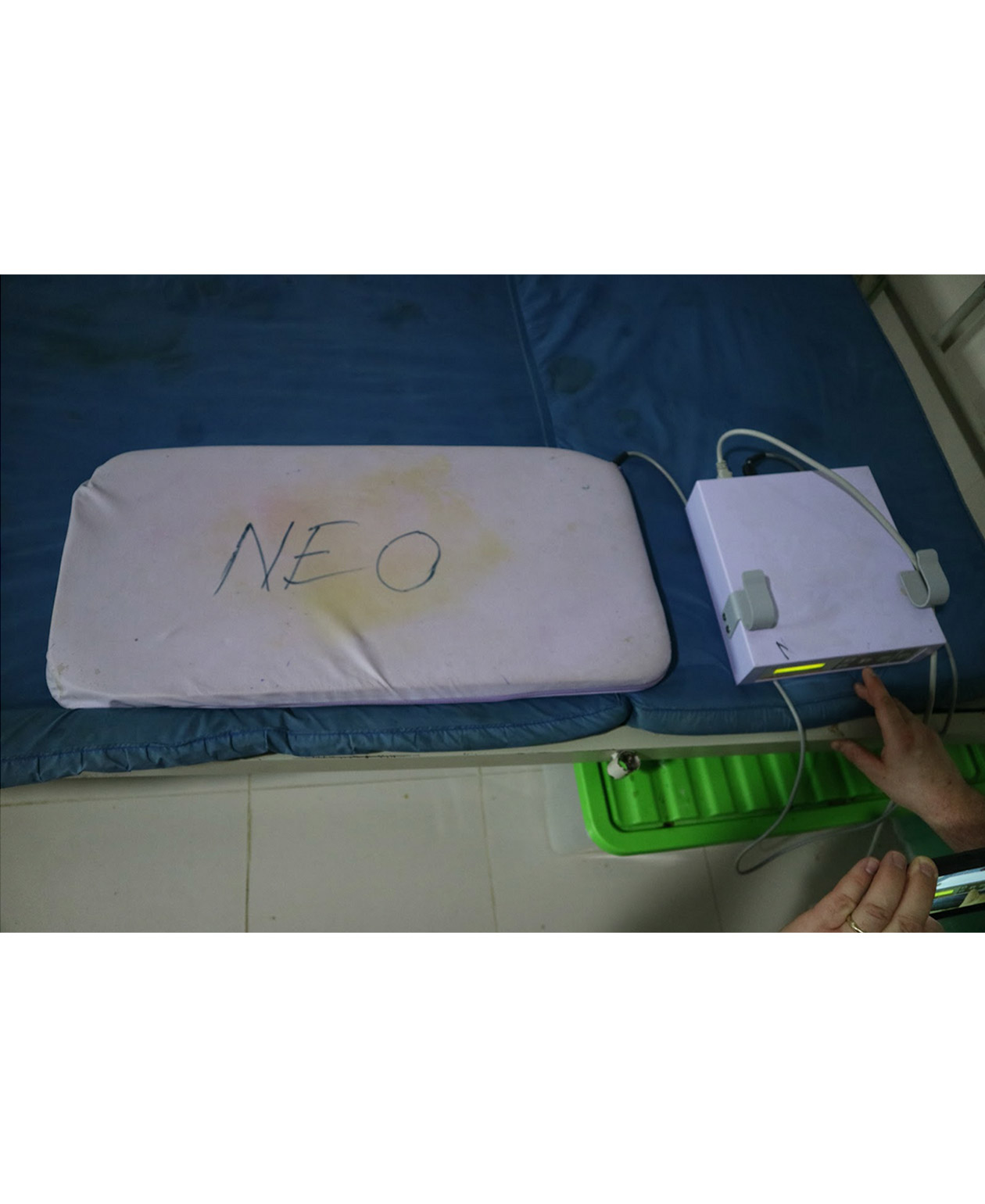
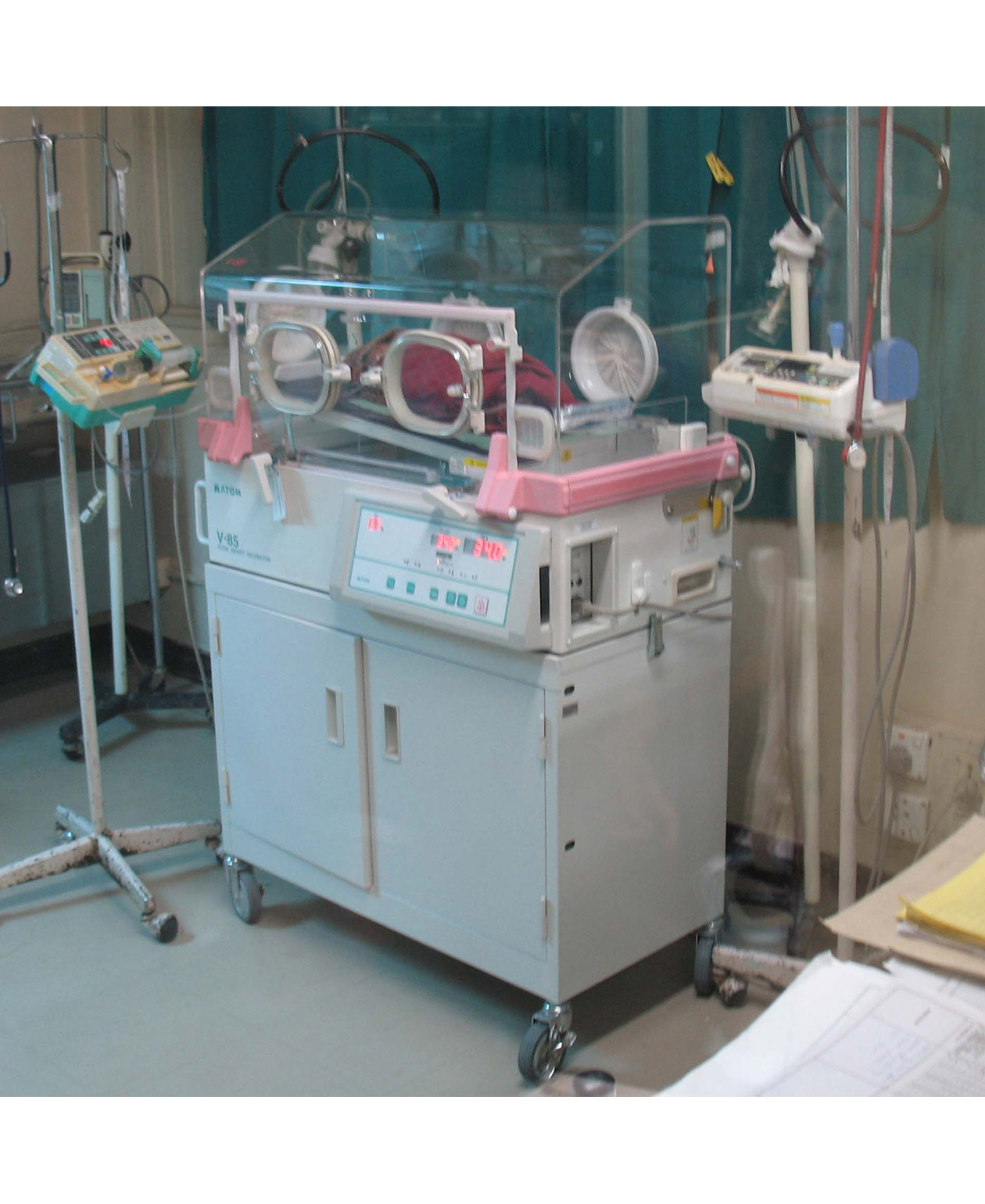
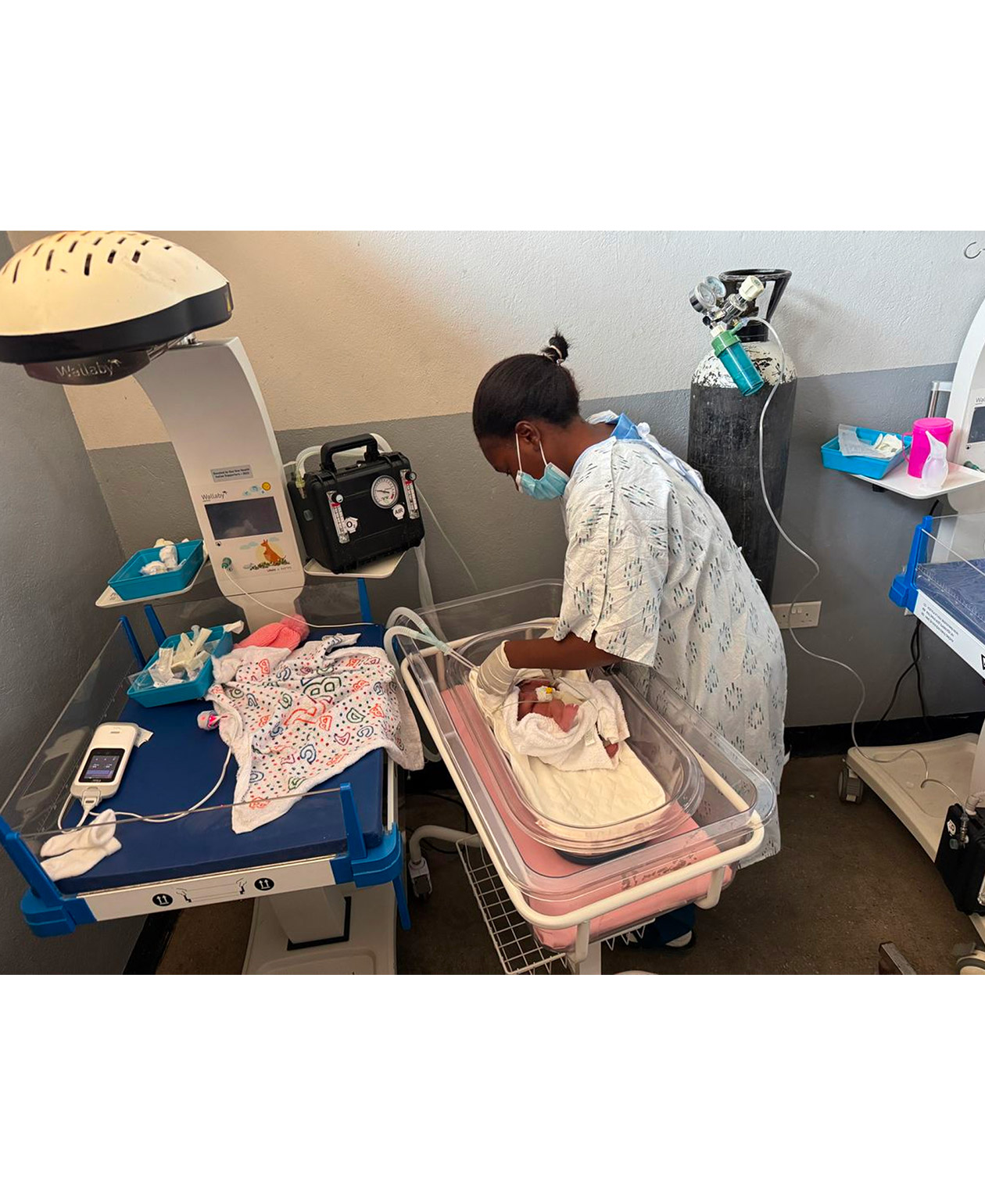
This project moves away from conventional international medical device design standards, which assume well-equipped medical environments, and instead starts from the reality of low-resource rural hospitals like those in Zambia. Considering unstable power, limited consumables, maintenance difficulties, and the conditions under which medical staff work, Otter was developed as a simpler, more reliable warmer. Rather than assuming an ideal medical environment, its core is solving the problems of real-world usage conditions through design.
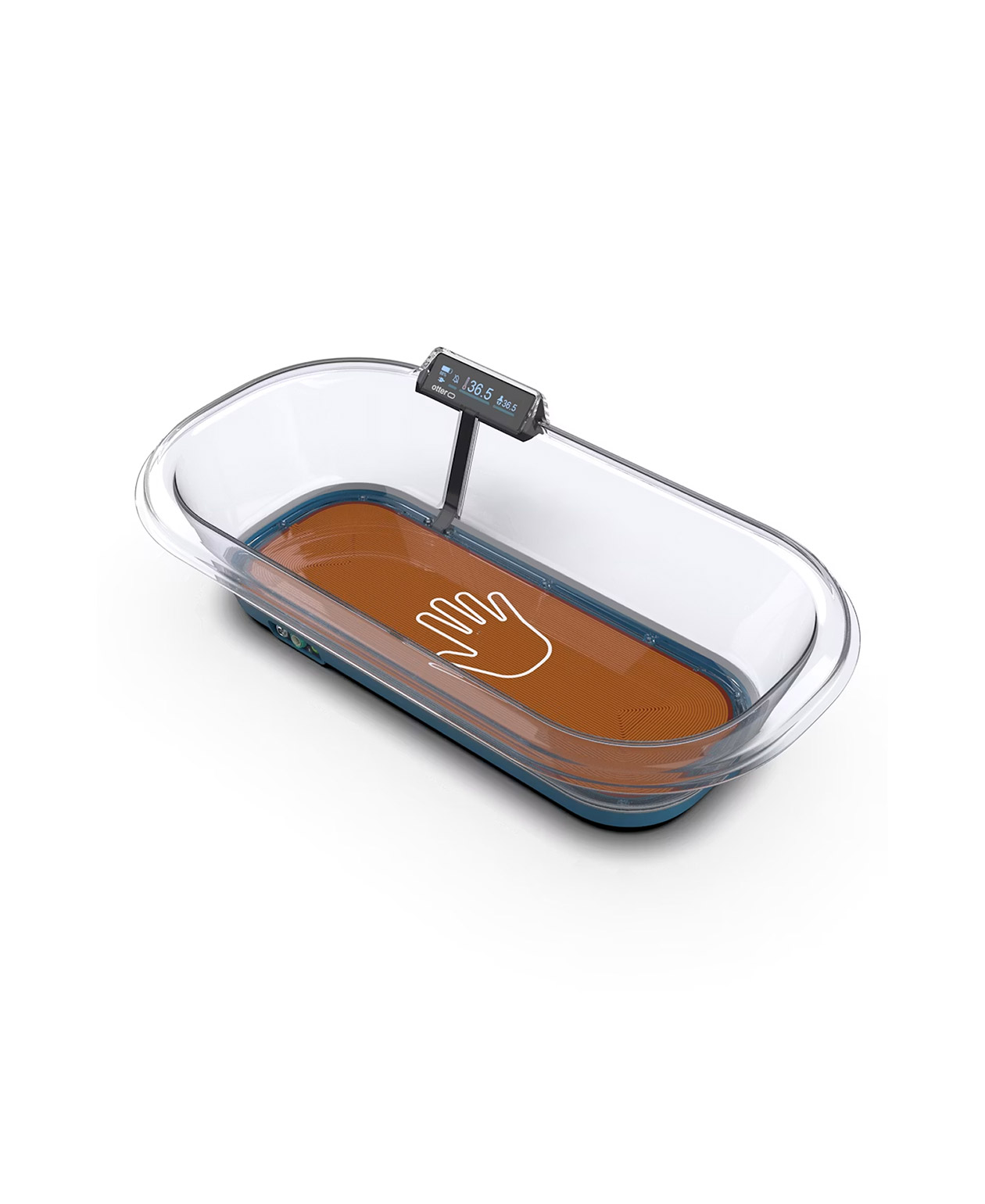
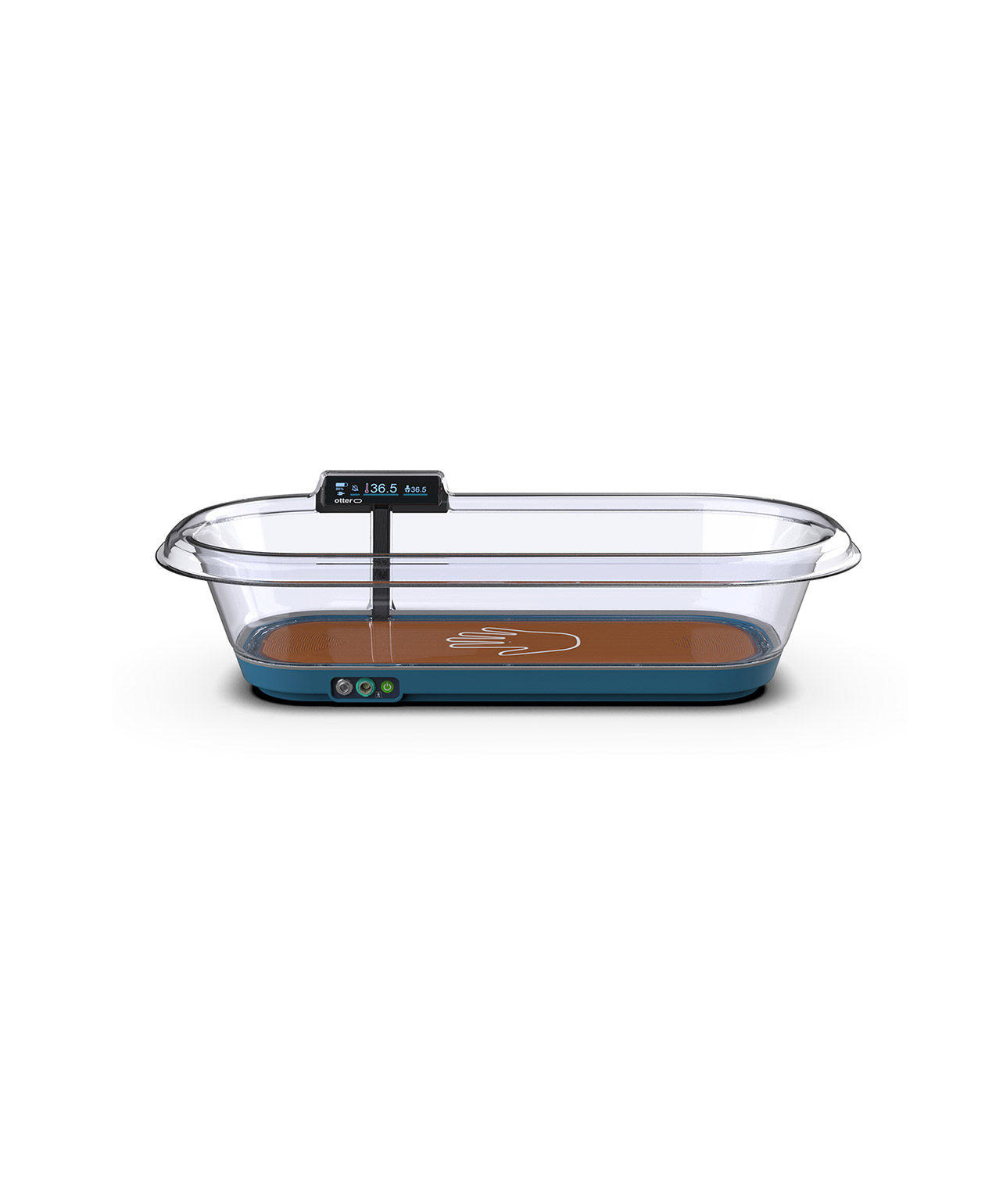
The exterior is also designed simply so it can be easily observed and used in real clinical settings. The transparent, open bassinet allows medical staff to easily access the newborn, while a bright LCD display and intuitive controls make it easy to check necessary information such as temperature, heating status, and battery level. Its light, portable structure allows it to be moved and used according to the medical setting.
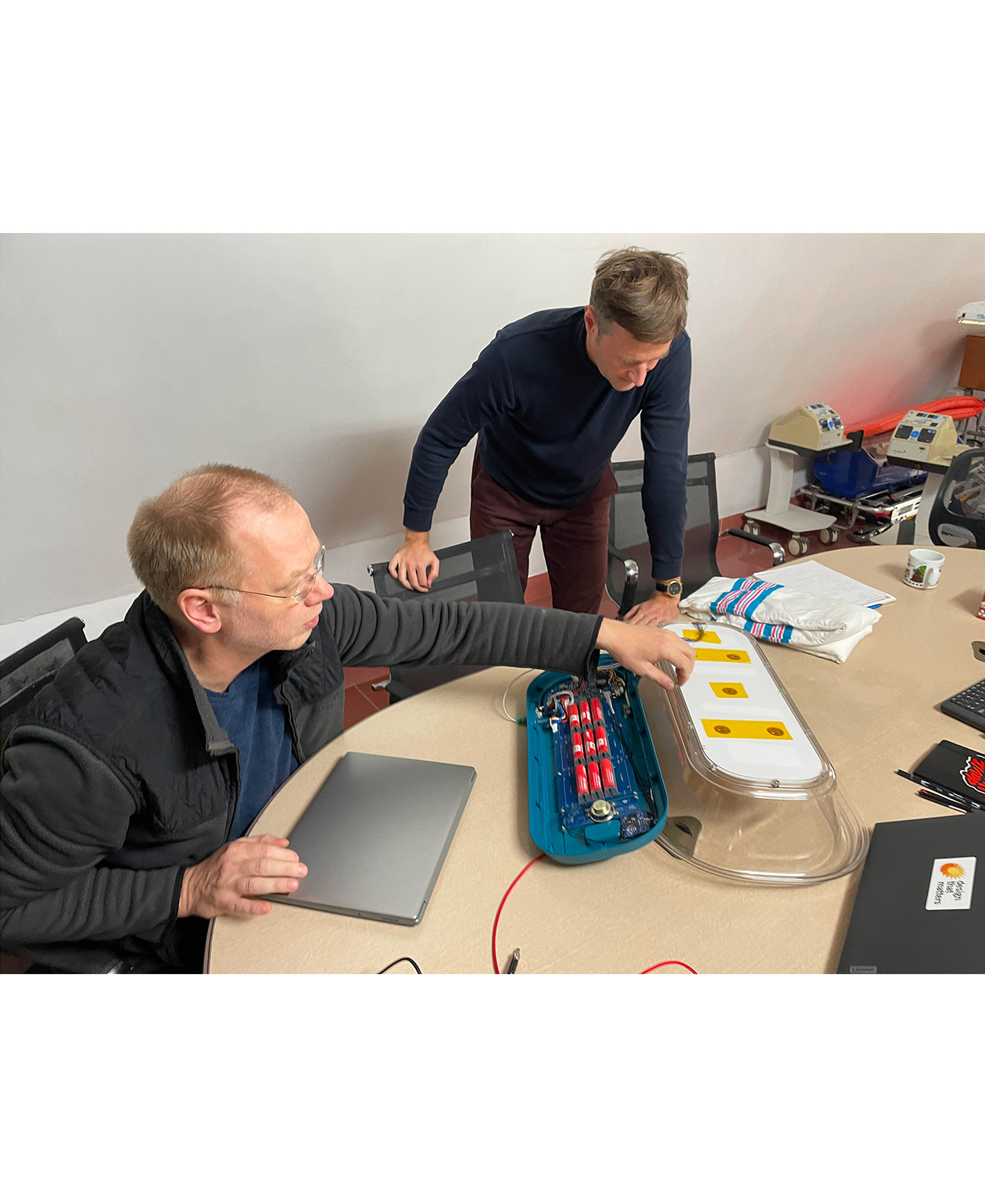
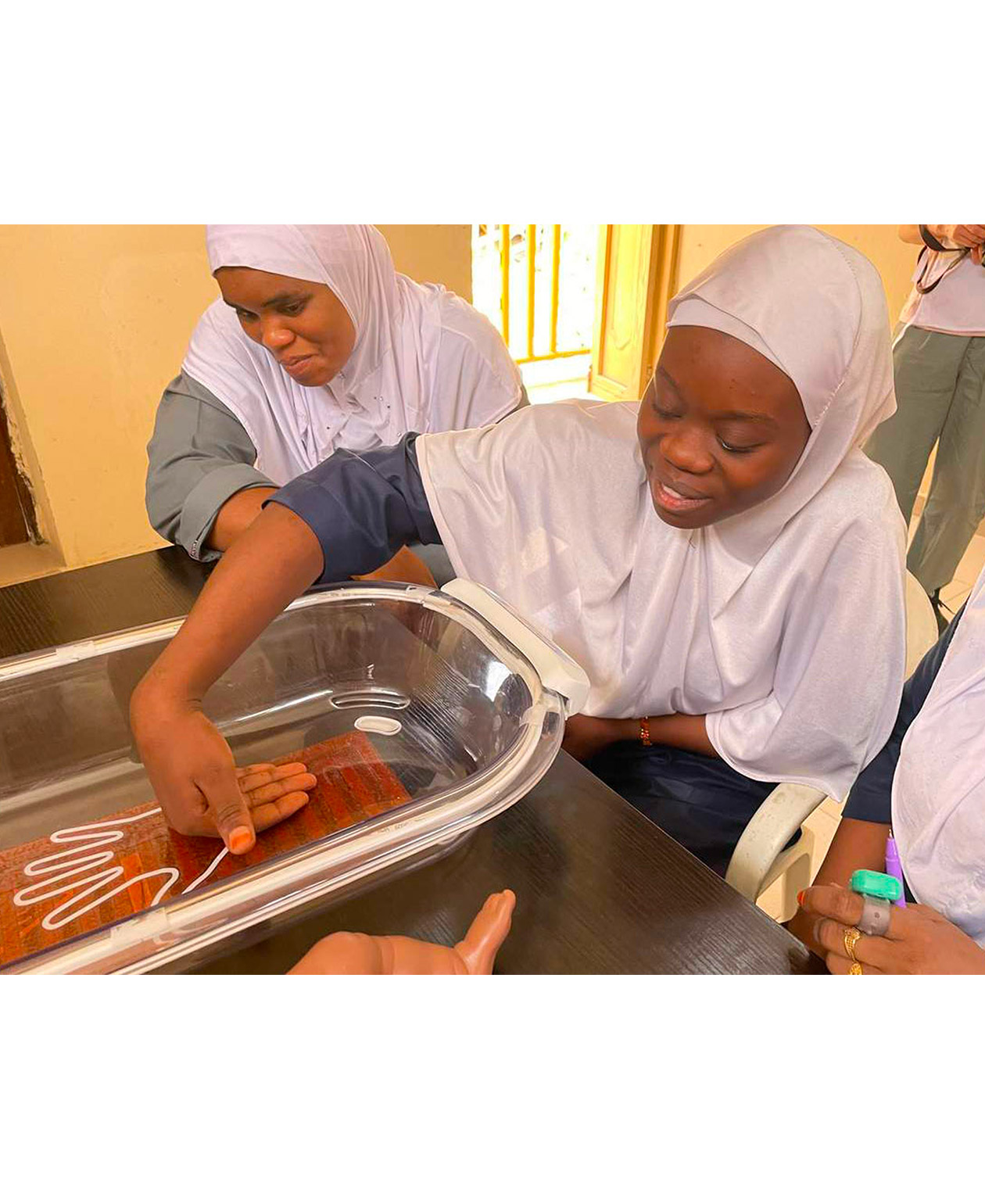
Another key design solution is replacing the removable gel or water mattress found in conventional conductive warmers with an integrated, heat-conducting polycarbonate bassinet. This single structural change reduces the difficulty of replacing a torn mattress, the risk of burns from exposed heating elements, and the potential for bacteria to grow in seams. Rather than adding parts, simplifying the product's form and structure reduces multiple failure and hygiene issues at once.
It reaches the temperature needed to warm a newborn within eight minutes at room temperature, and if a power outage occurs, the built-in battery automatically activates to continue warming. It can run on battery for up to eight hours, with a low-power, long-life heating element. It also alerts staff with an alarm if problems occur with the sensor, heating element, or power supply, so they can easily assess the device's status.
The product is designed to be washed and reused repeatedly, reducing dependence on complex consumables and replacement parts. Its simple structure and intuitive interface help ensure it can be used continuously even in hospitals with limited maintenance capacity.
Rather than continuing to add advanced features, Otter reimagines the newborn warmer by reducing the factors that cause failure and misuse in real clinical settings. By solving the problems of low-power, low-resource environments through the design of the product's form, structure, and manner of use, Otter demonstrates the potential of medical design that considers not only device performance but also how easily and reliably it can be used in the field.