


Readot A device that translates printed books into Braille in real time for visually impaired readers


- Nationality
- Korea, Republic of
- Group
- BPMK
About Project
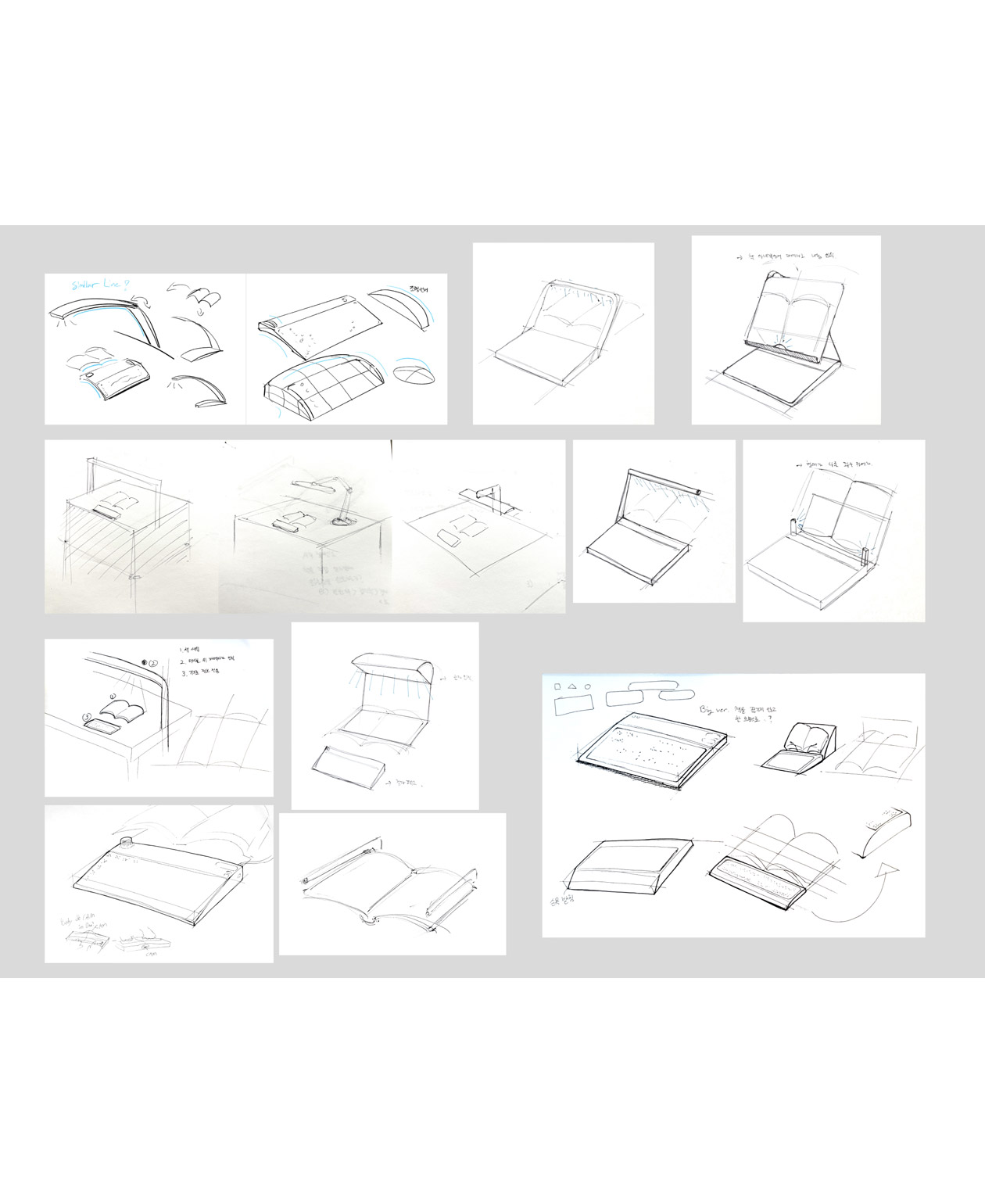
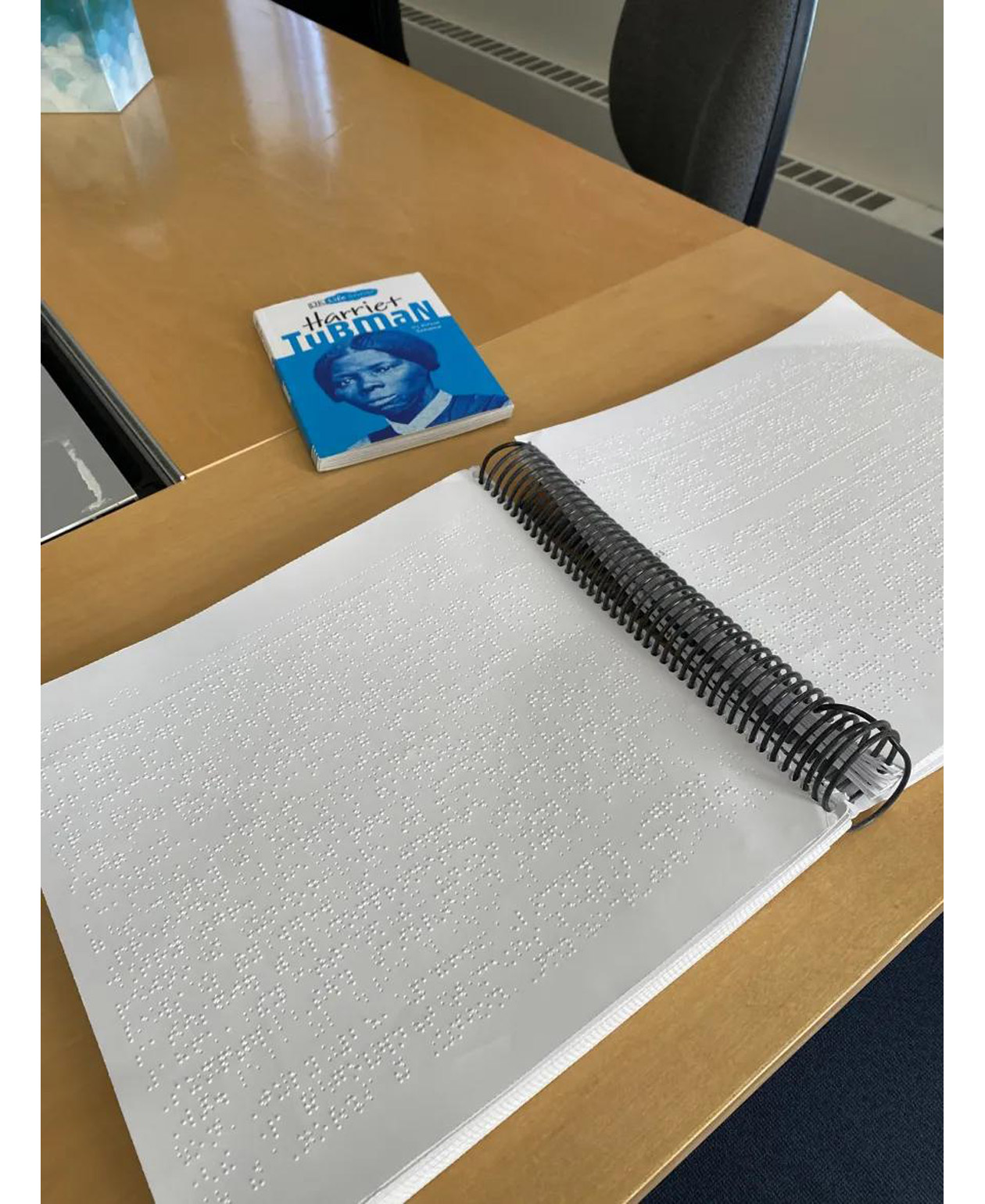
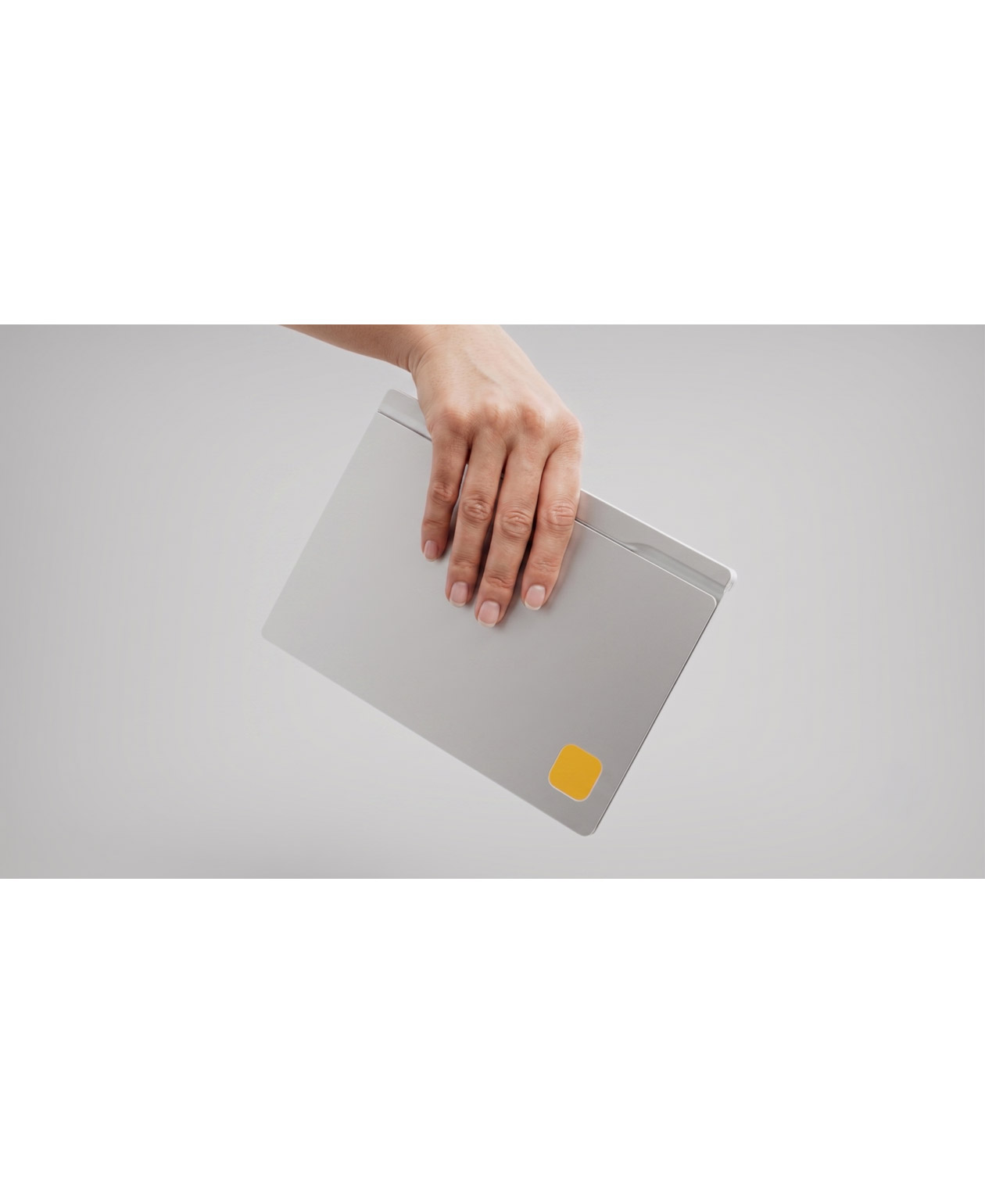
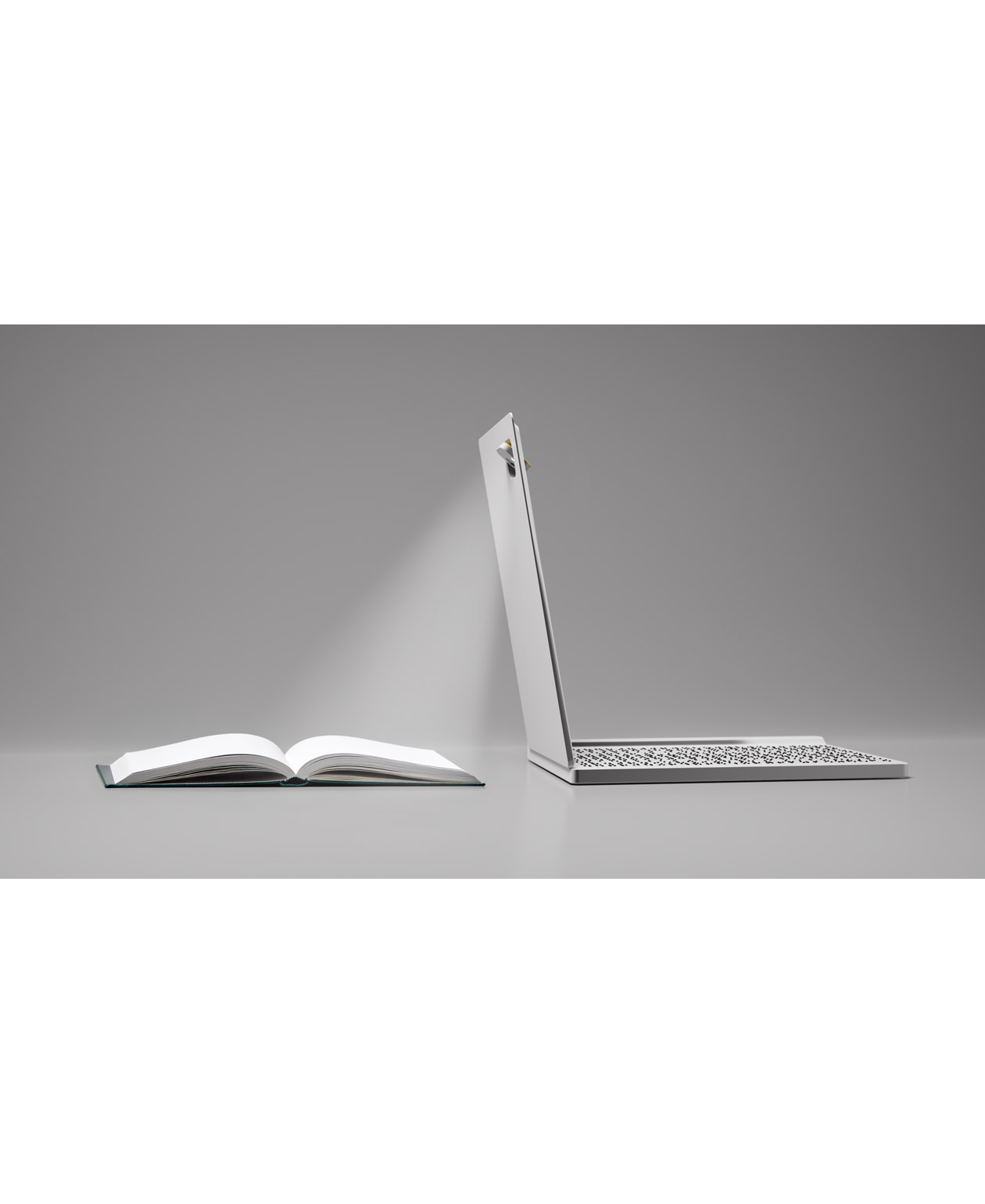
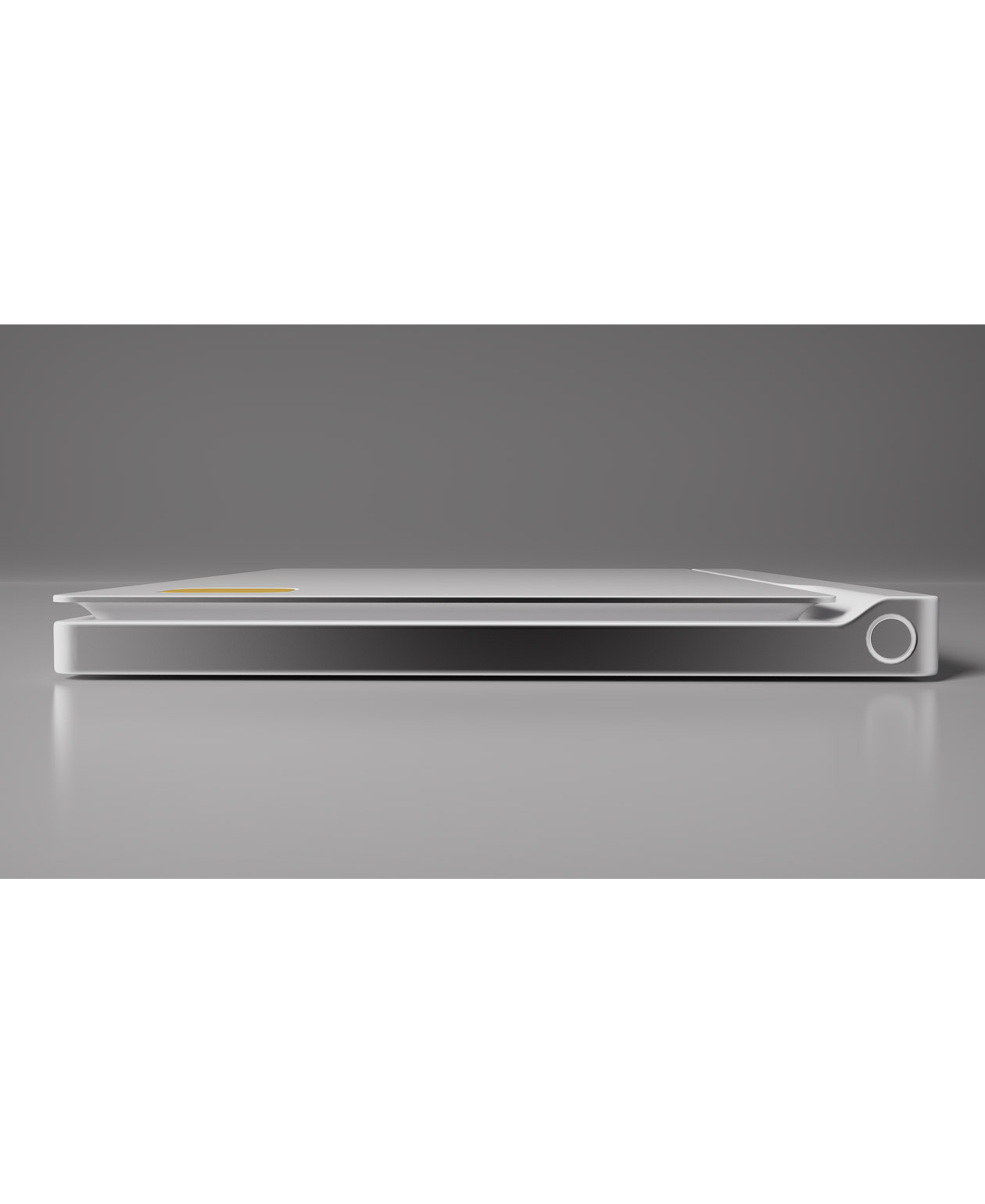
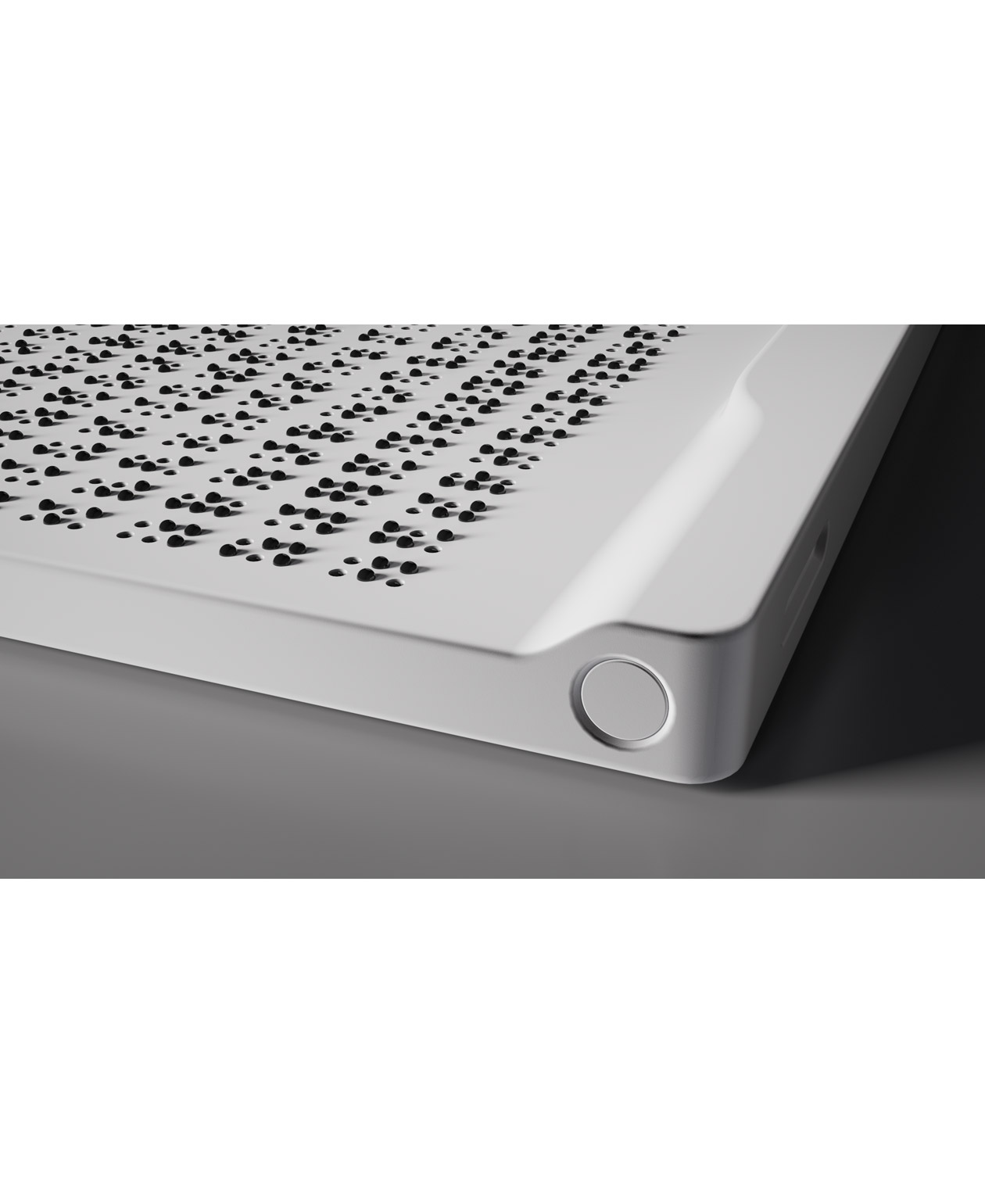
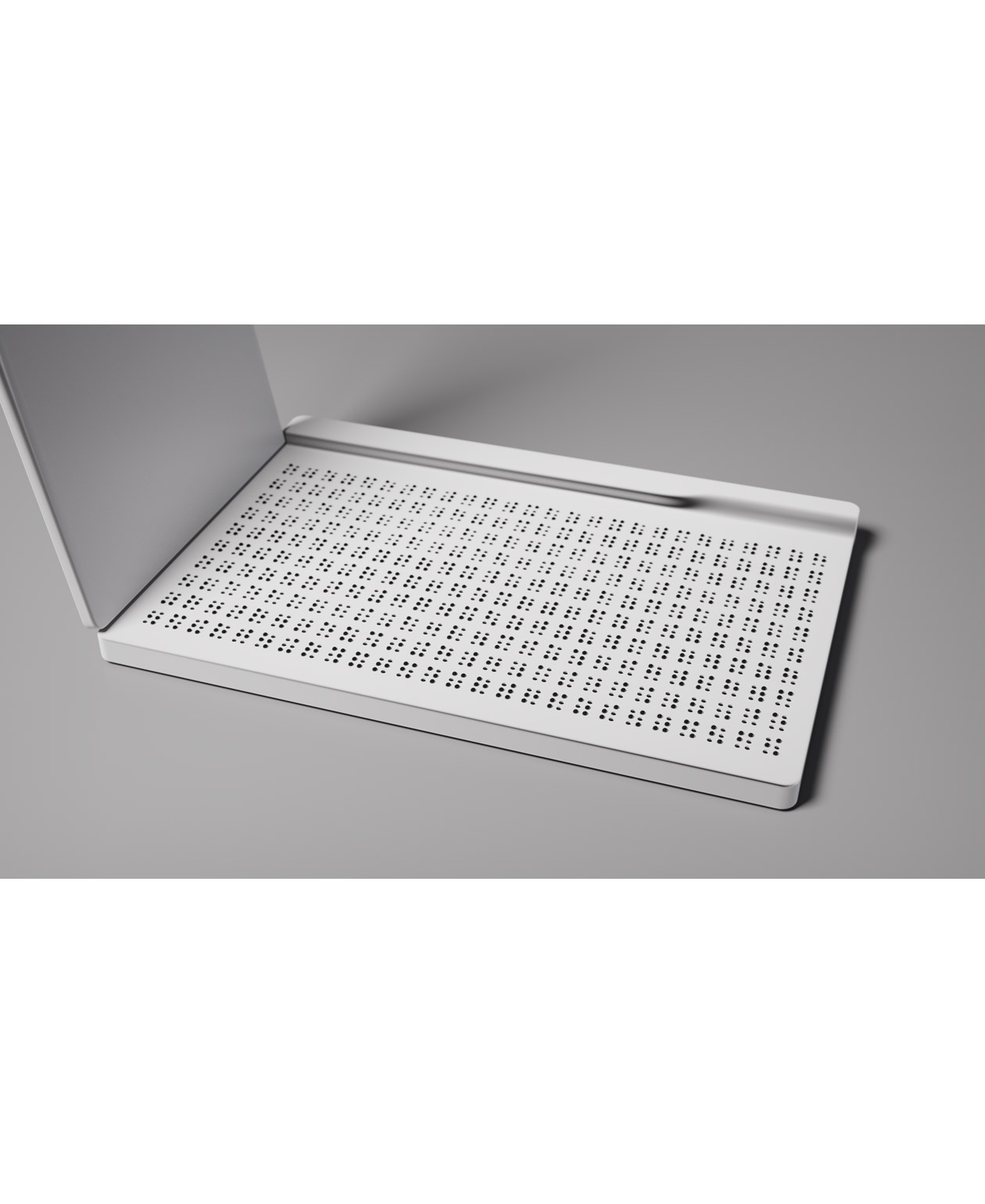
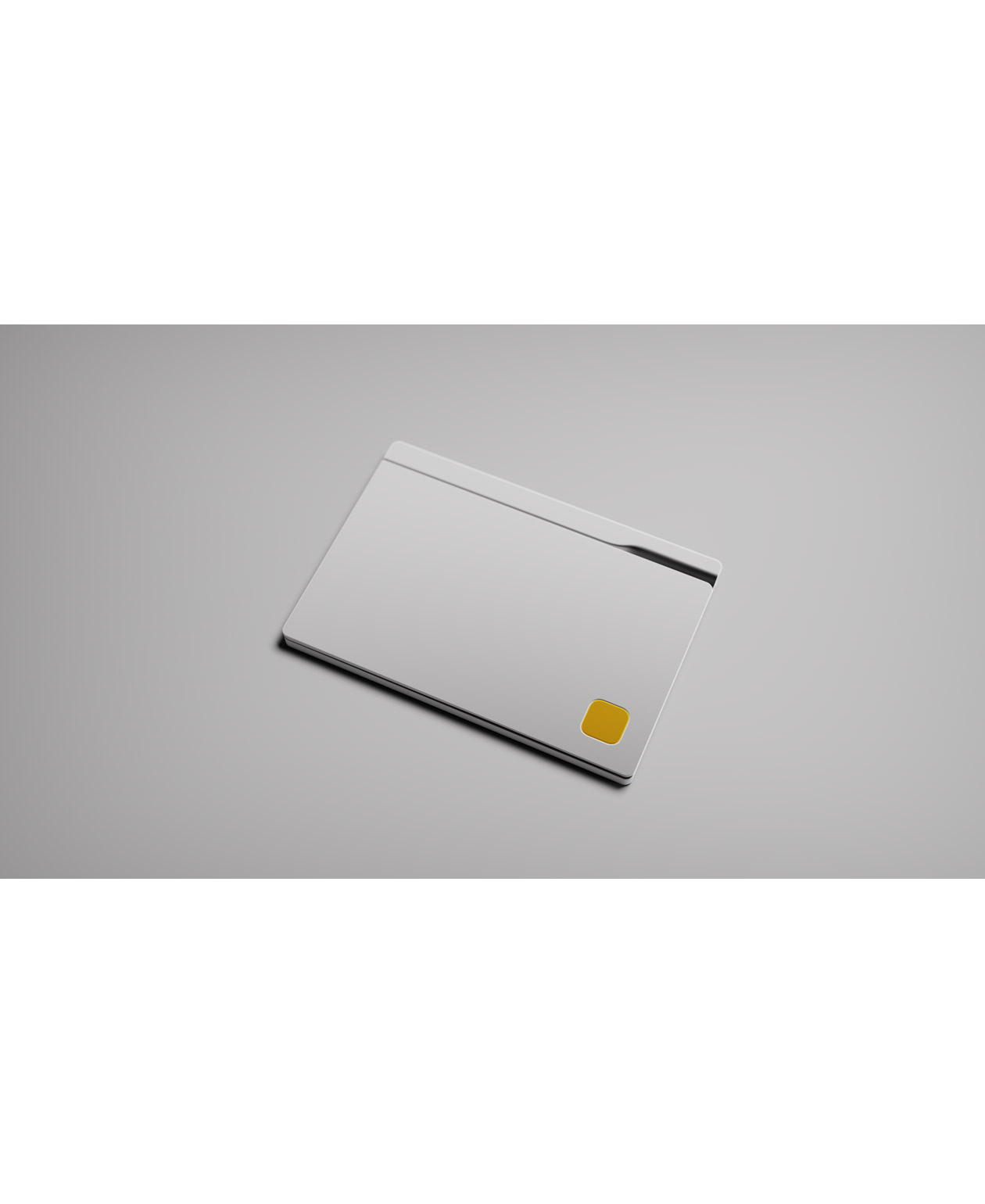
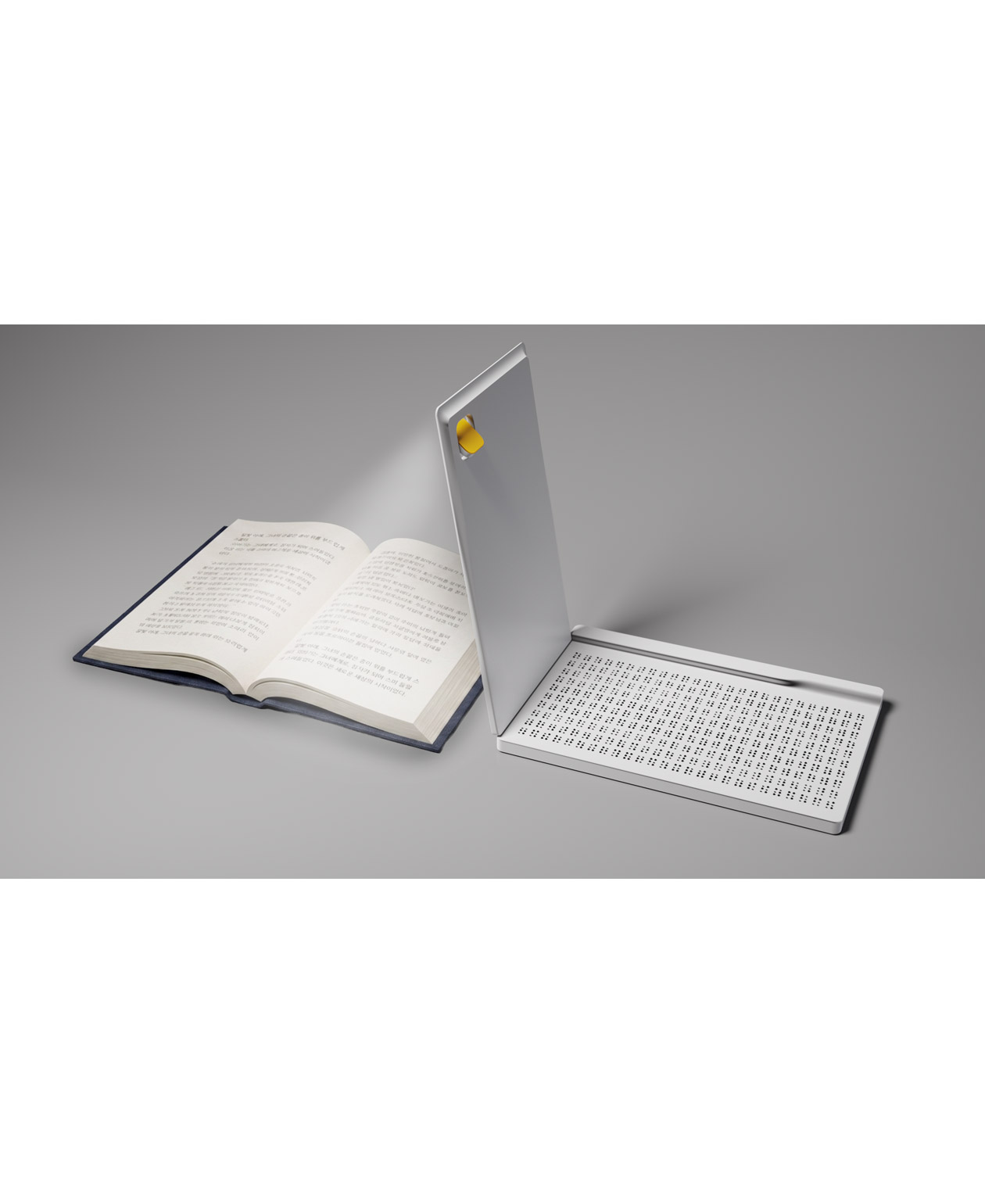
Readot aims to improve access to printed books for visually impaired readers, creating an environment where everyone can equally enjoy reading as a cultural experience. Traditionally, books had to be transferred or digitalized to Braille display devices before they could be read. As a result, newly published books, less popular titles, books not yet converted into Braille remained inaccessible, limiting reading choices and creating unequal access to culture, knowledge, and education. To address this issue, Readot proposes a device that recognizes printed text and translates it directly into Braille in real time. By eliminating prior digitization, the device enables visually impaired readers to access ordinary printed books independently and explore a wider range of publications. Designed with a familiar book-like form, the device preserves the tactile qualities of reading, allowing users to experience both the book's physical texture and its content.
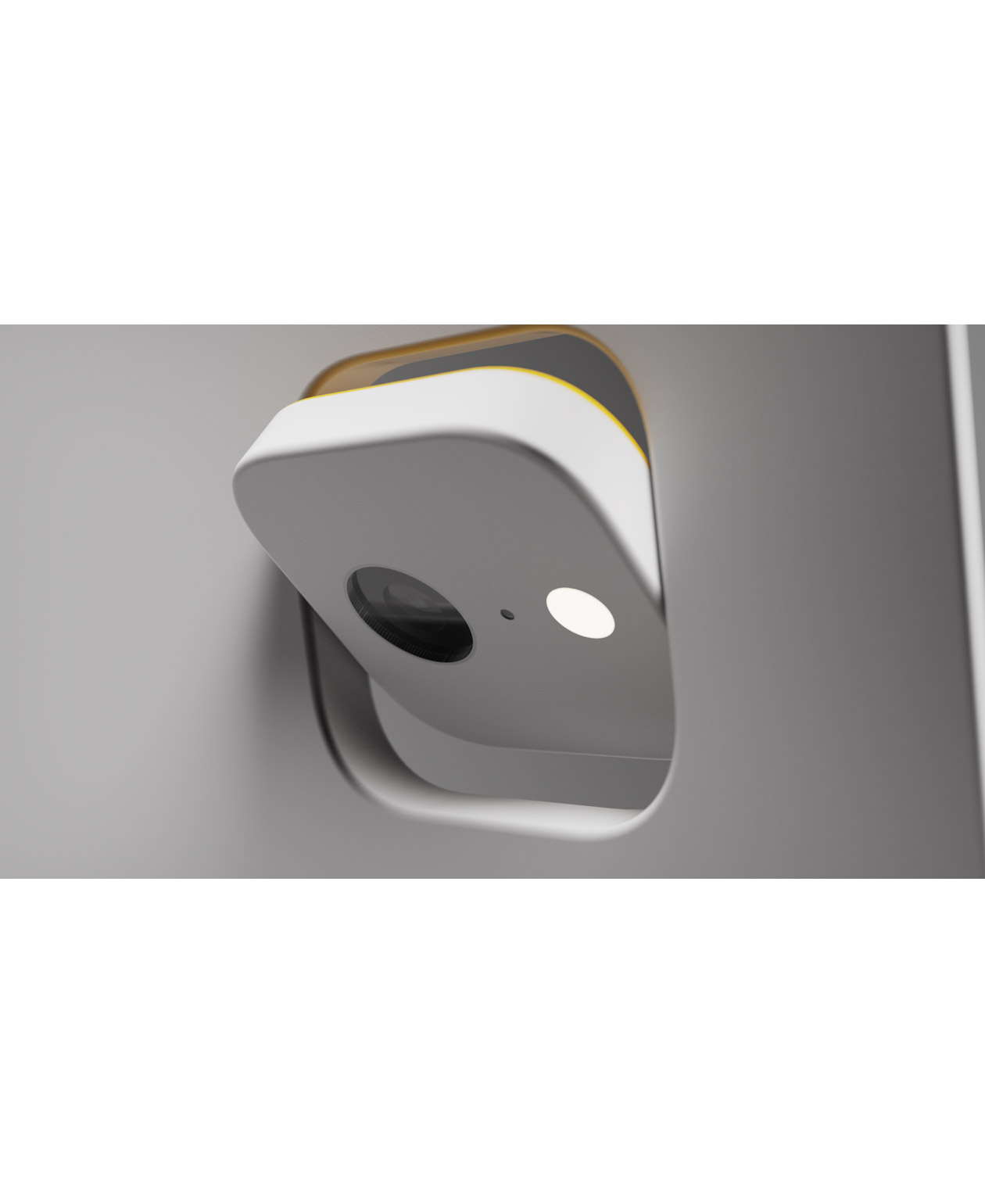
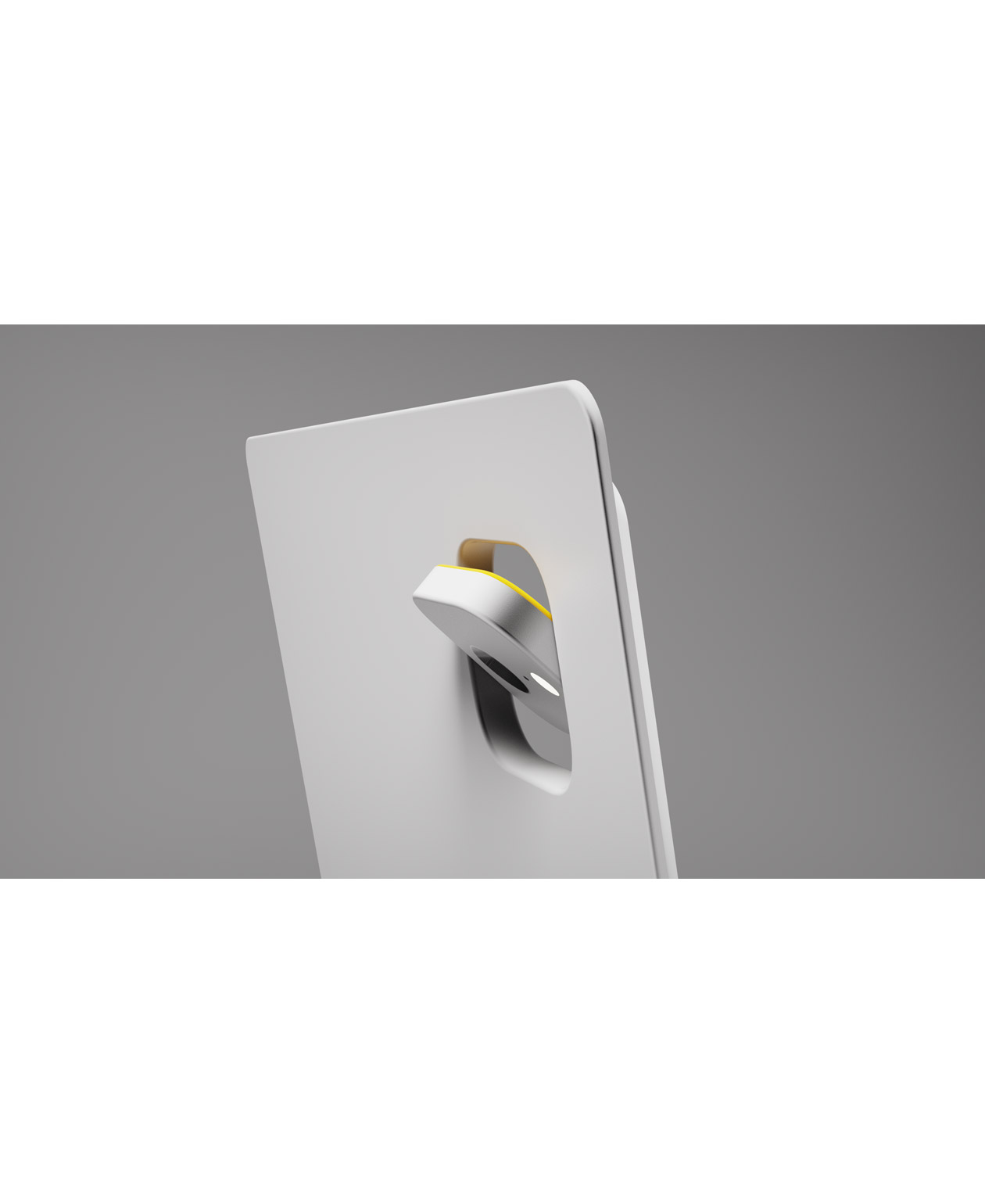
Conventional Braille devices require pre-digitized Braille content before ordinary printed books can be read. This project addresses that limitation by recognizing printed text through the device’s optical sensor and translating it into Braille in real time, allowing users to read printed books directly without prior digitization. Furthermore, the project reinterprets familiar reading behaviors as intuitive interactions. Opening the device like a book cover activates it, while a page-turning gesture moves the reading position. This interaction allows visually impaired users to operate the device naturally while preserving their existing reading habits.
Access to ordinary printed books has traditionally been limited for visually impaired readers. This project translates printed books into Braille in real time, providing access to a wider range of publications. As a result, visually impaired readers can discover new books, explore diverse genres, and share reading experiences with sighted readers. By expanding opportunities to enjoy literature and culture, the project promotes reading as a cultural right. It fosters an inclusive reading culture, reduces barriers to cultural and educational participation, and demonstrates how universal design contributes to a more sustainable society with equal opportunities to enjoy knowledge and culture.
This project goes beyond improving reading accessibility for the visually impaired through real-time Braille translation; it envisions a future reading environment where everyone can equally enjoy knowledge and culture. Based on a framework that utilizes a wide range of printed books without separate database construction, it can evolve to expand individual reading experiences and universalize accessibility. Furthermore, this technology has global scalability, as it can be applied to publishing environments and reading formats. Ultimately, this project extends reading from an assistive tool for a specific group to a cultural right for all, aiming for an inclusive and sustainable reading ecosystem.