


seeAsaw A seeAsaw project turning ocean-plastic ghost nets into a collaborative seesaw structure that raises climate awareness through shared play and making


- Nationality
- United States of America
- Individual
- Andre Kong
About Project
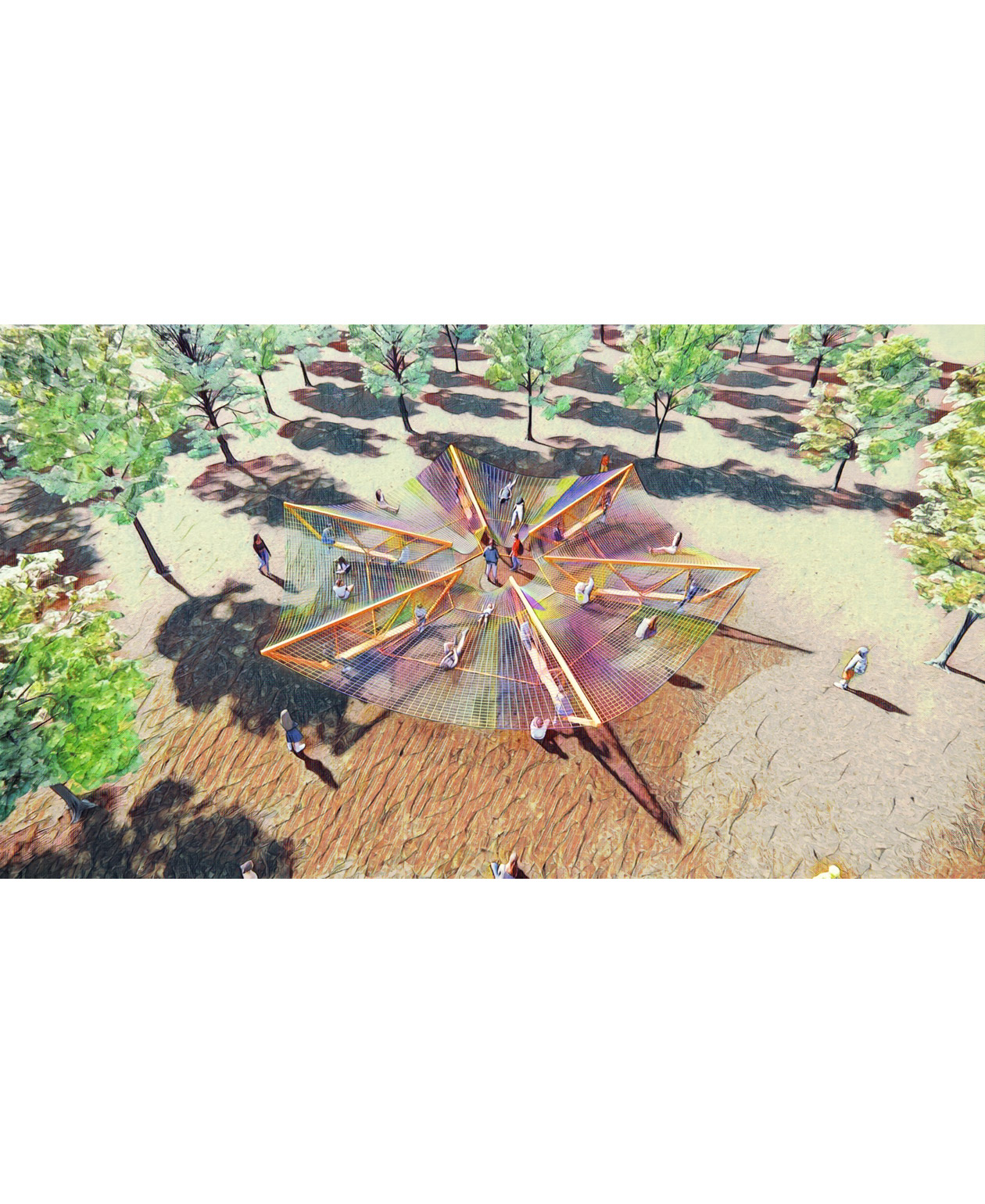
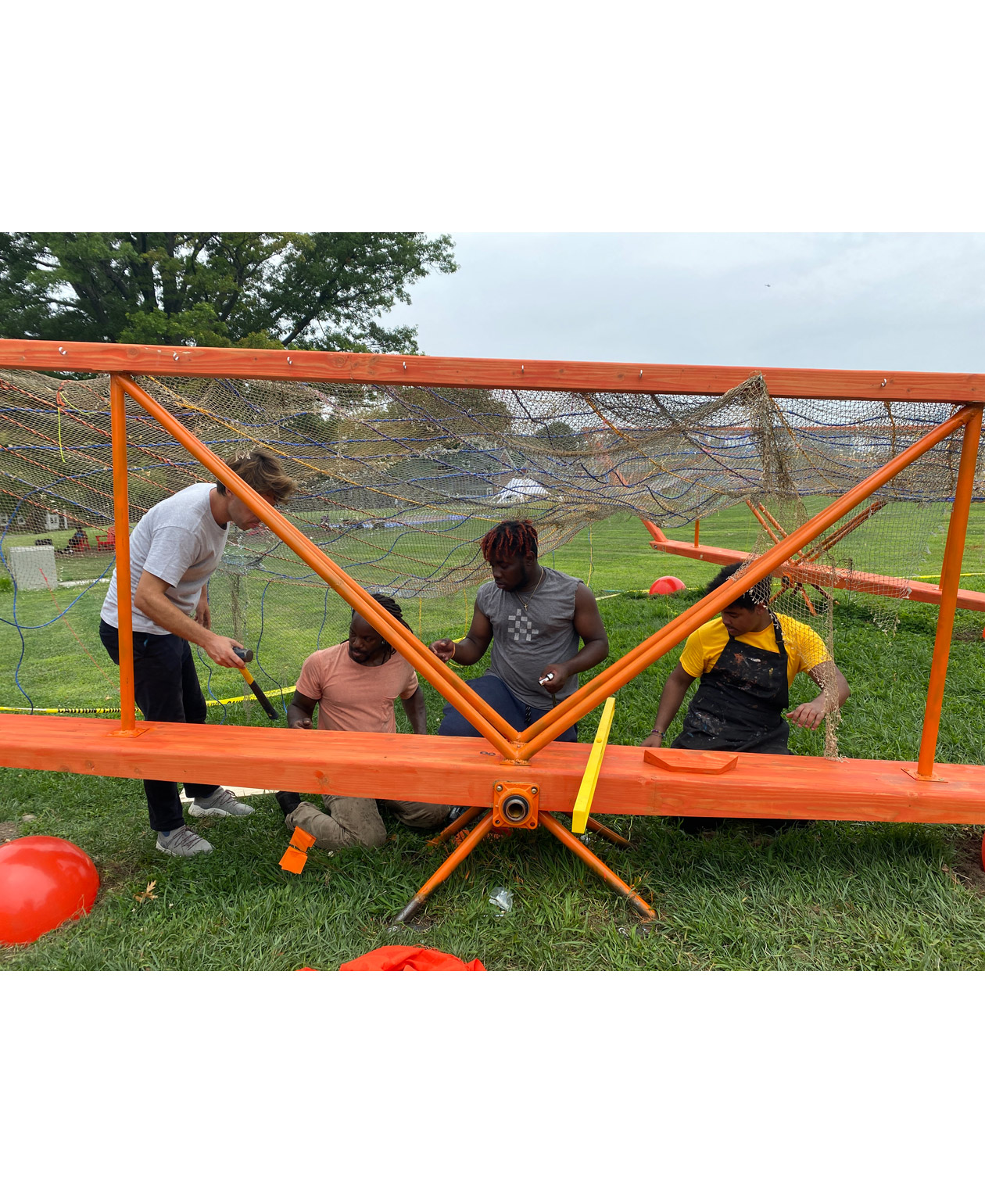
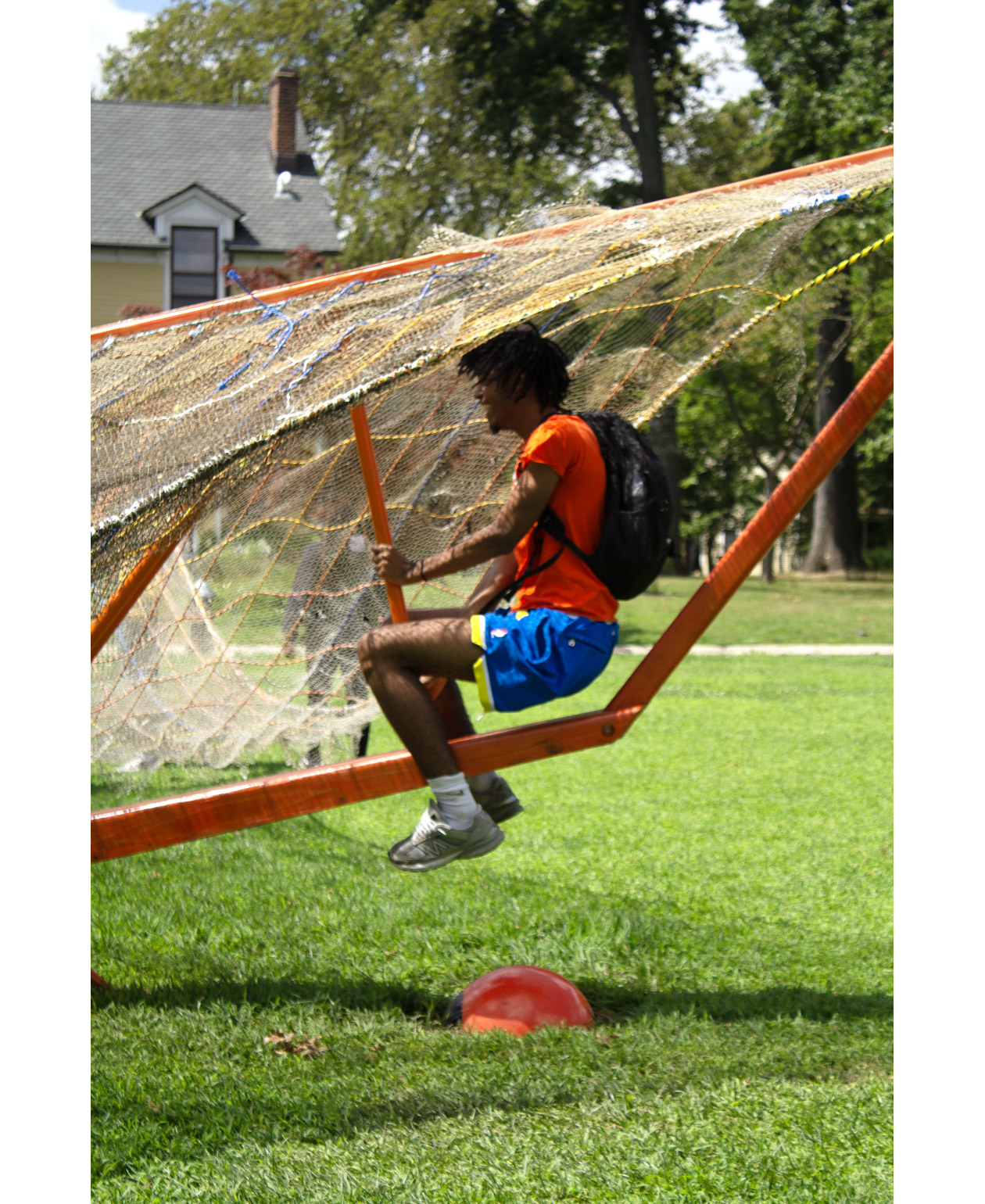
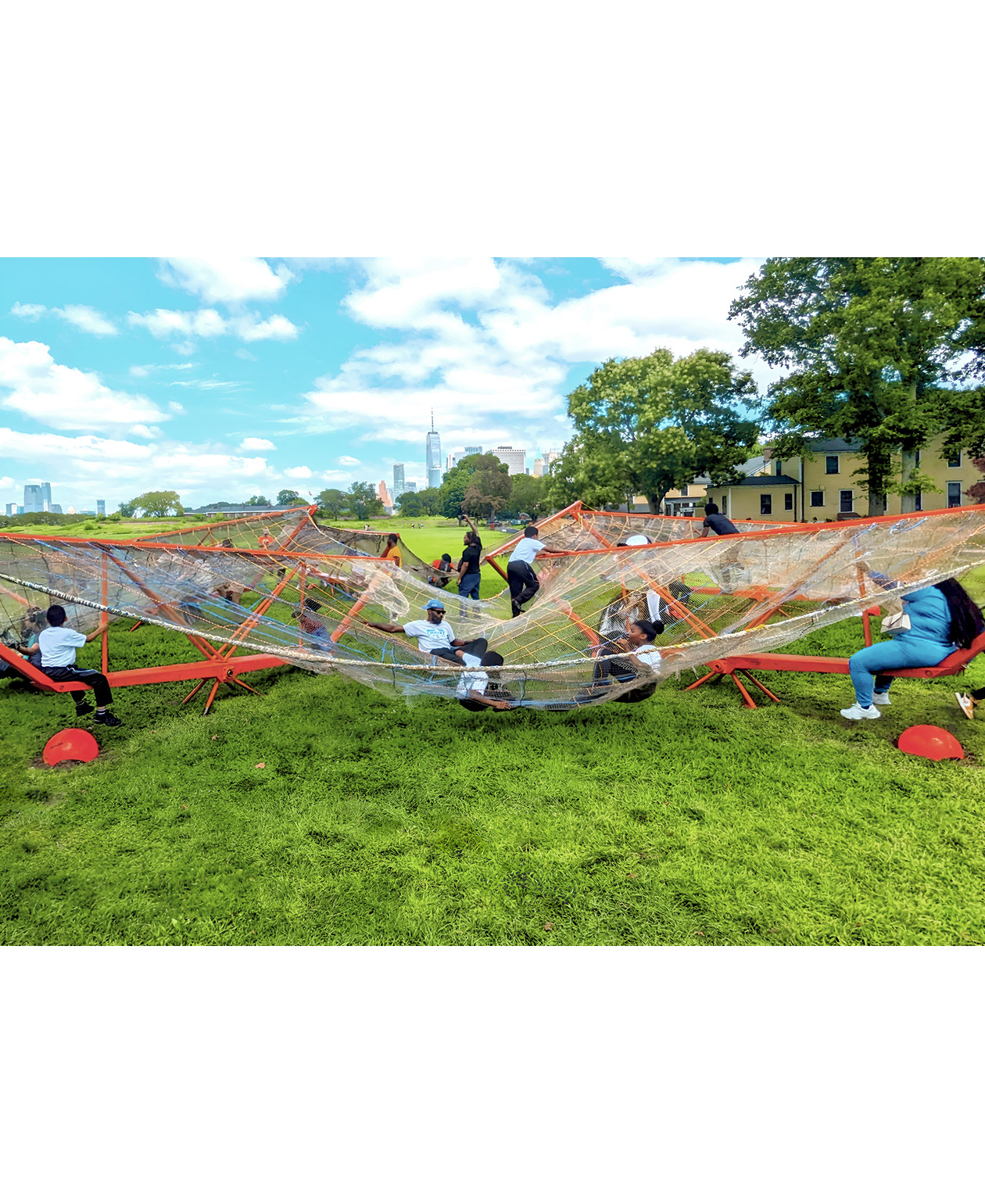
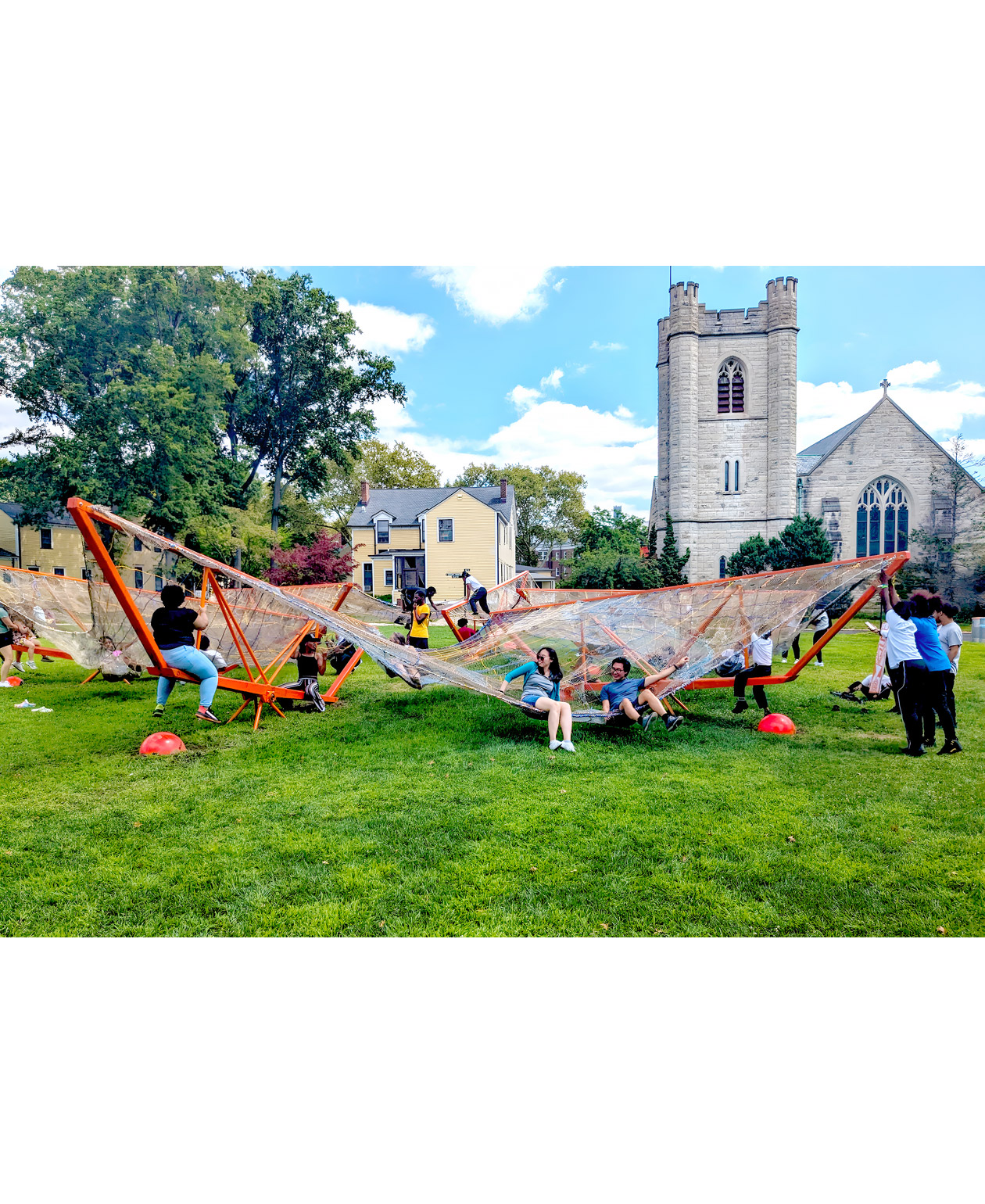
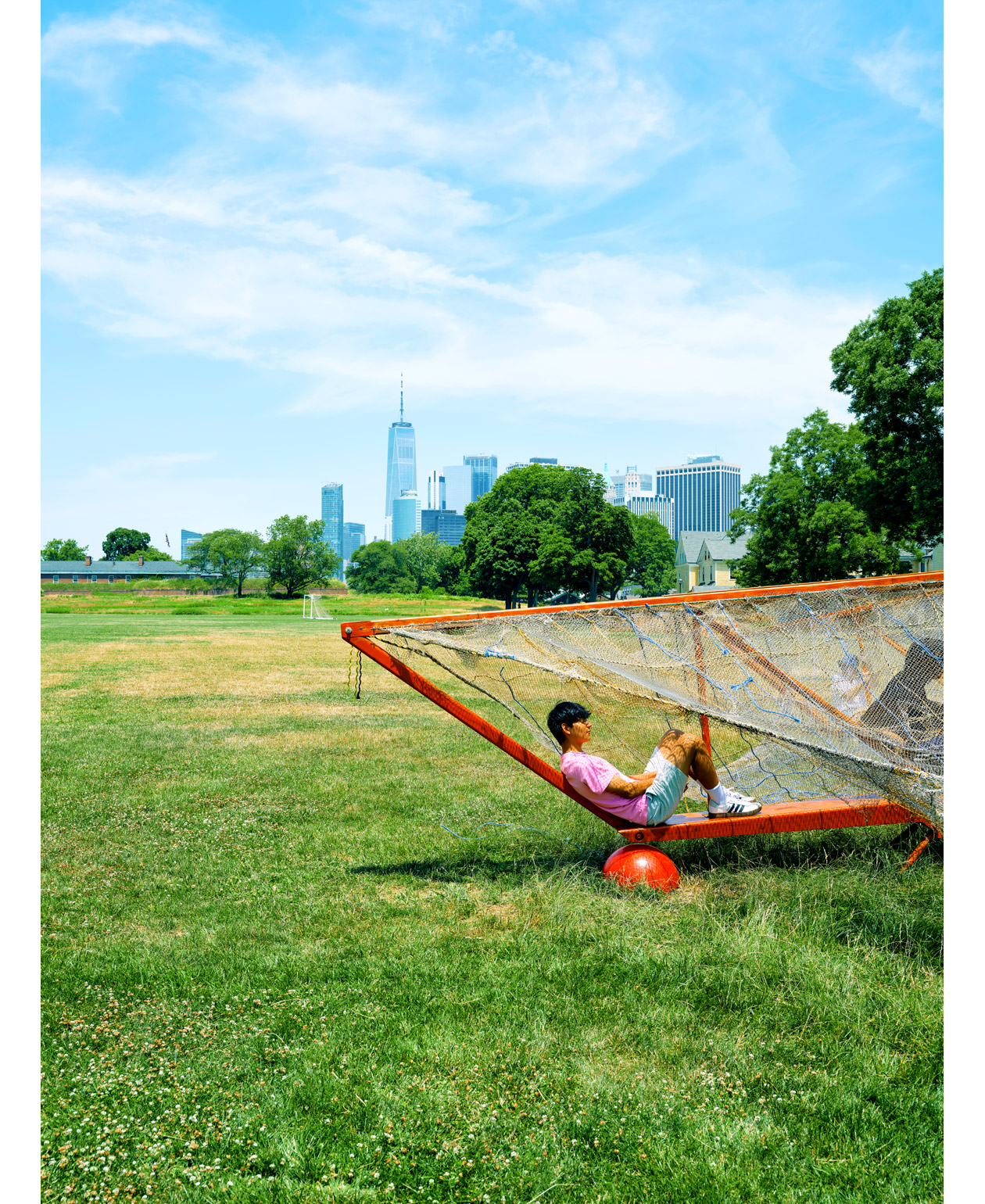
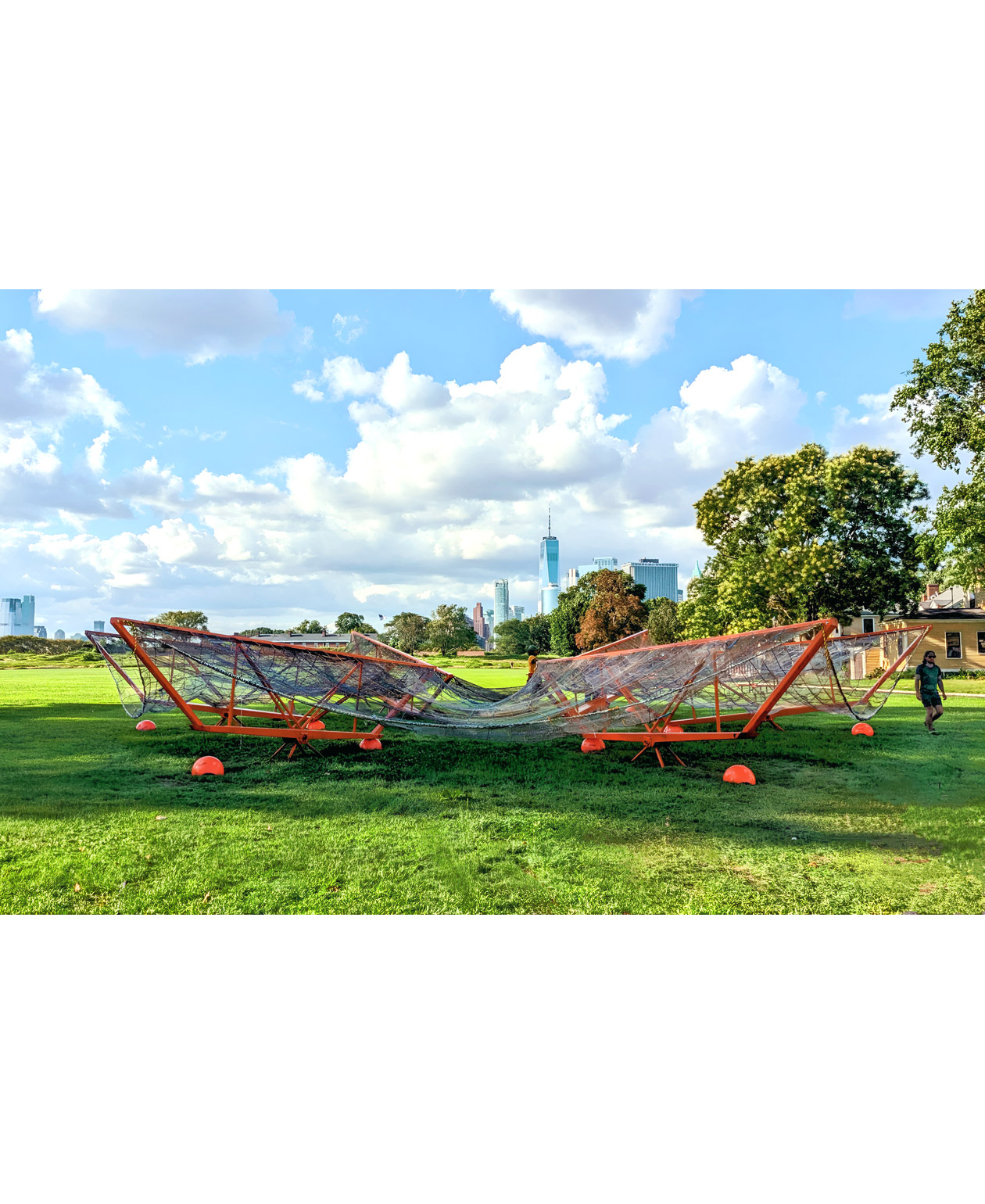
seeAsaw is an interactive public structure built in 2023 for Beam Camp on Governor’s Island, New York. It arranged six seesaws in a circle, connected them with a large central hammock, and utilized rescued fishing nets from the sea as its main material. When multiple people ride the seesaws and respond to each other's movements, a movement reminiscent of ocean waves is created throughout the entire structure. It is designed so that through the structure where individual seesaw movements are transmitted to the central hammock and other users, people experience through play how one person's actions affect the whole. Through this, it allows people to naturally understand marine environmental issues through play and physical experience.
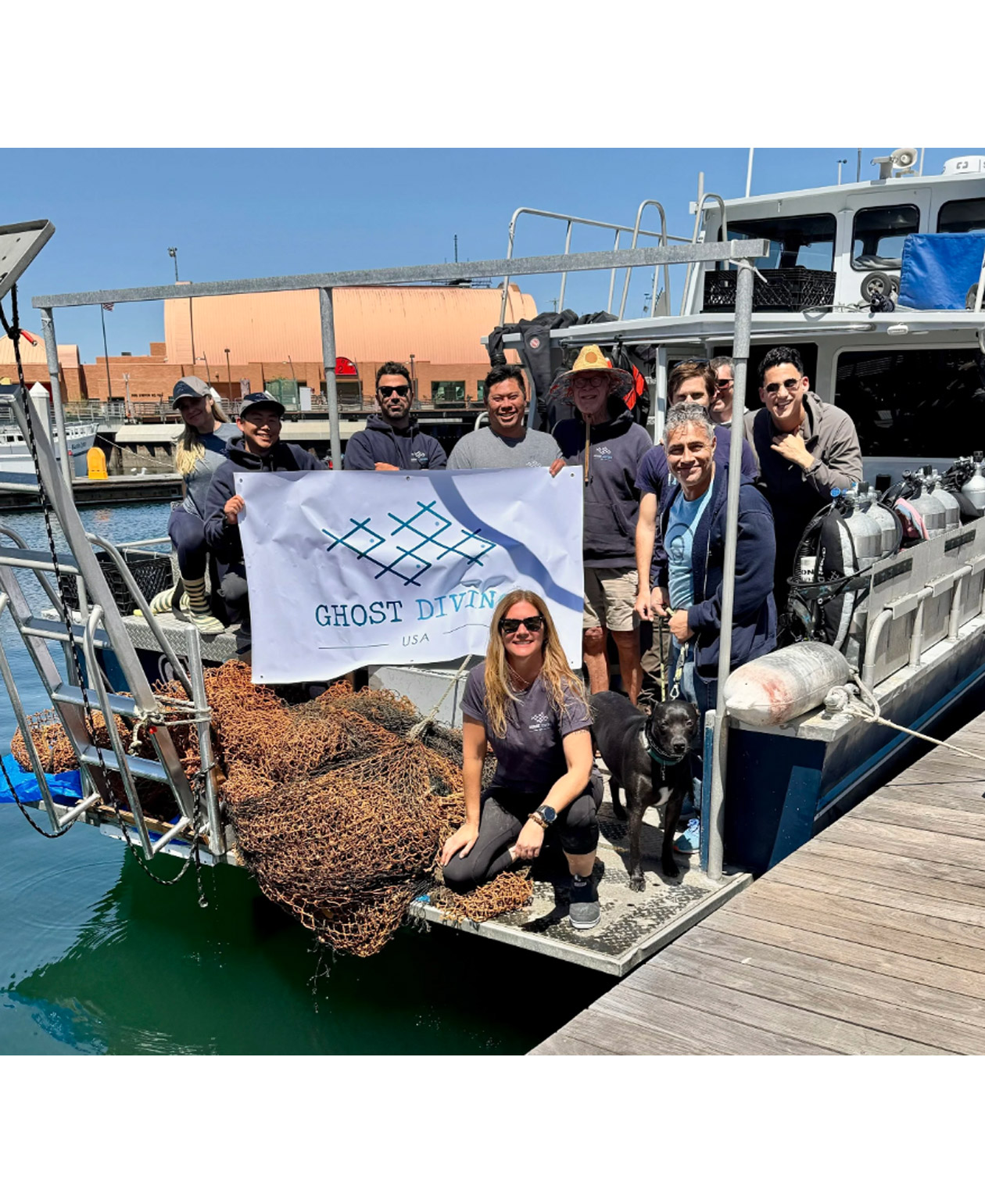
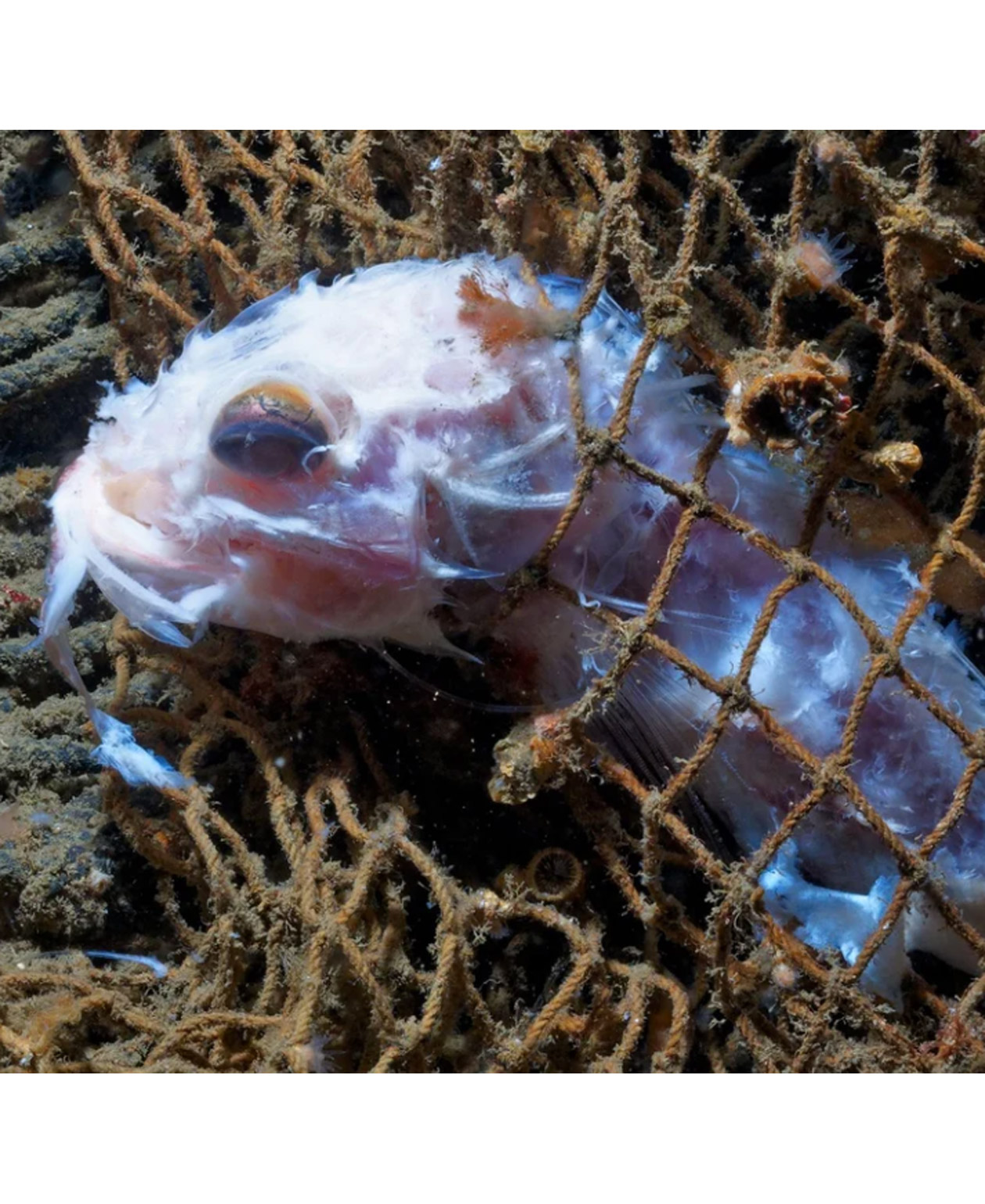
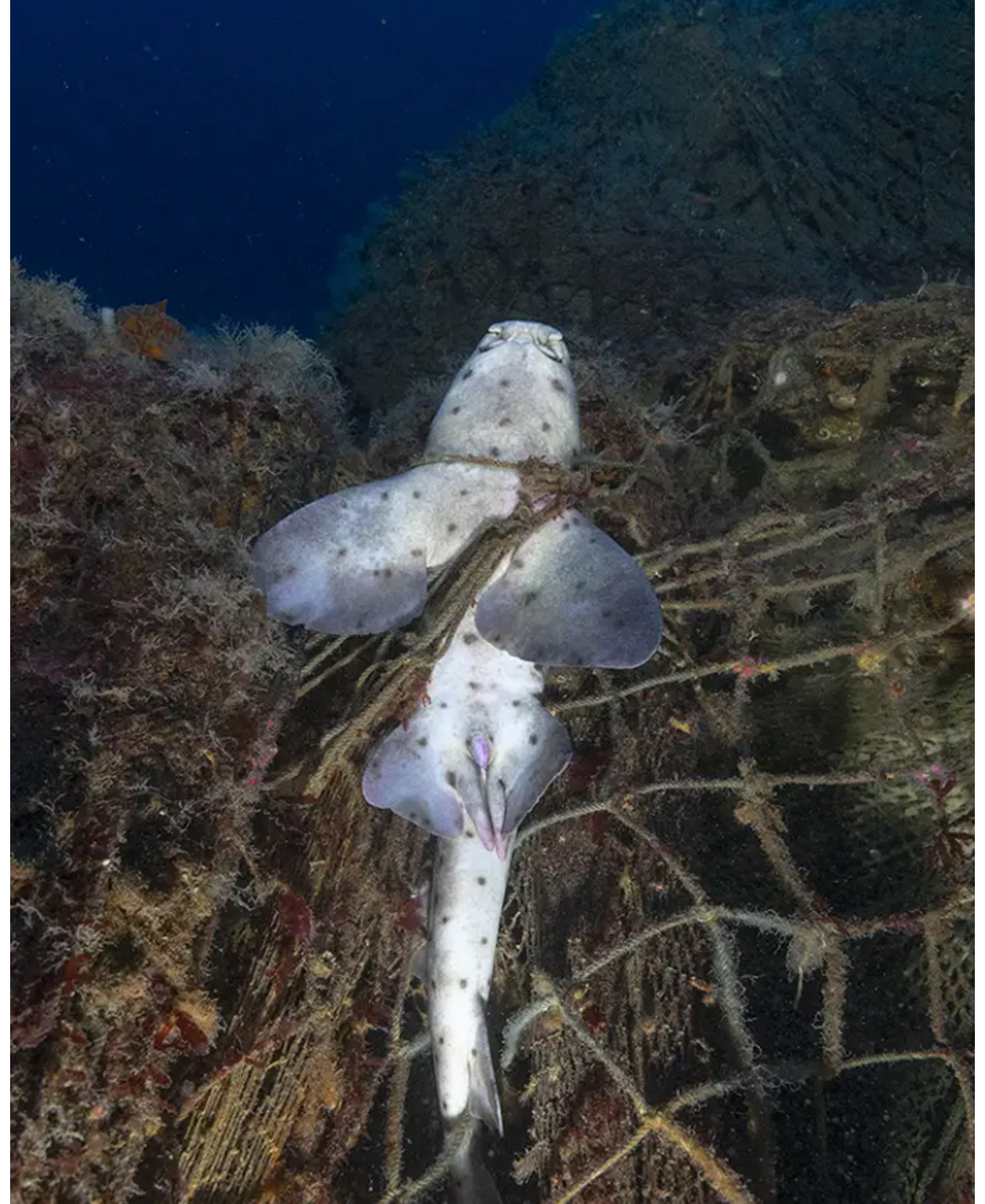
The project focuses on ghost gear—abandoned fishing nets that continue to catch or kill marine life for a long time even after being discarded in the sea. By recycling ghost nets, which remained as invisible marine litter, into public structures that people can touch and move directly, it enables children and teenagers to experience marine pollution problems through play and making activities. Rather than simply explaining environmental issues, it transformed the waste causing the problem into a material for play and an element for creating experiences.
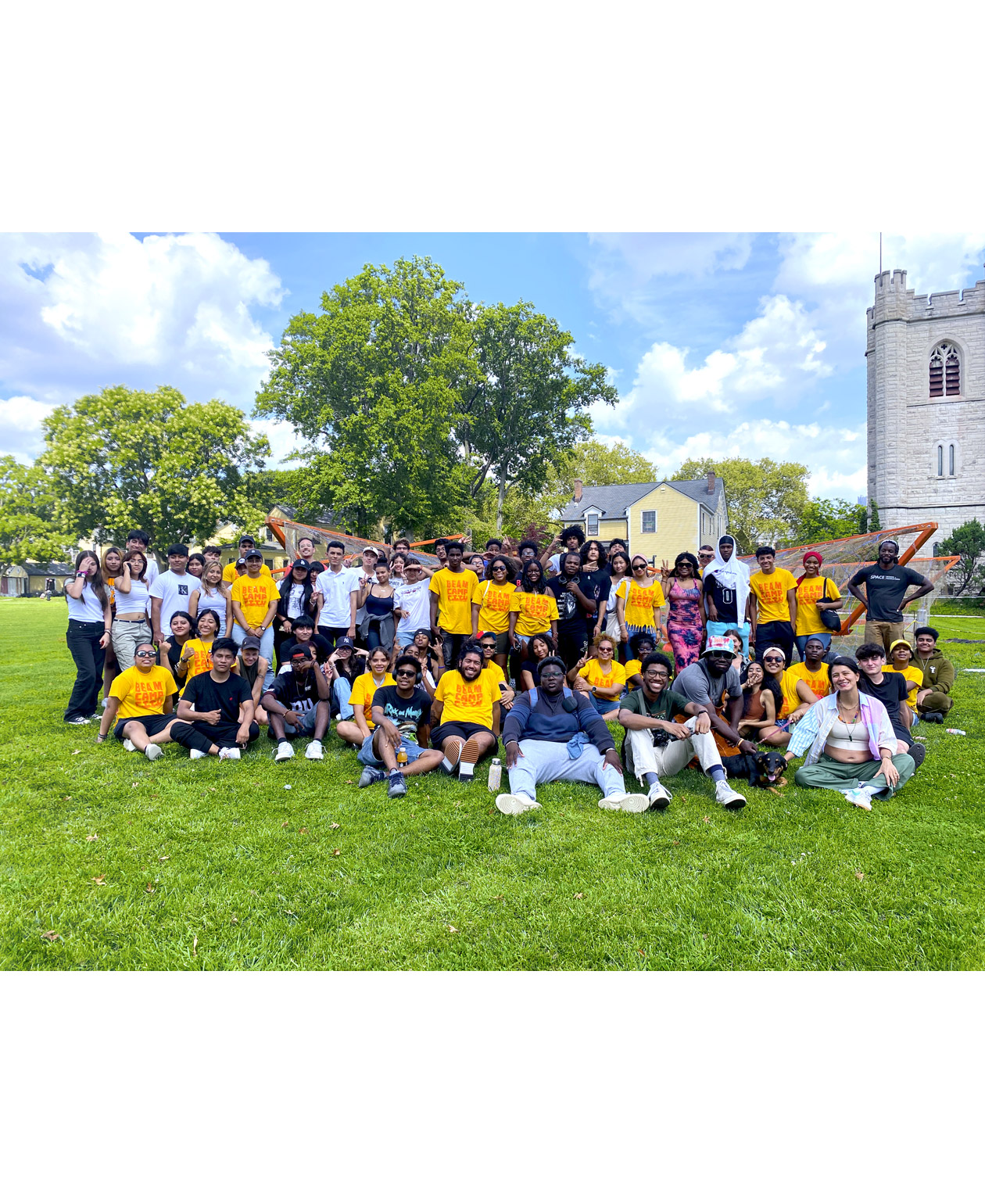
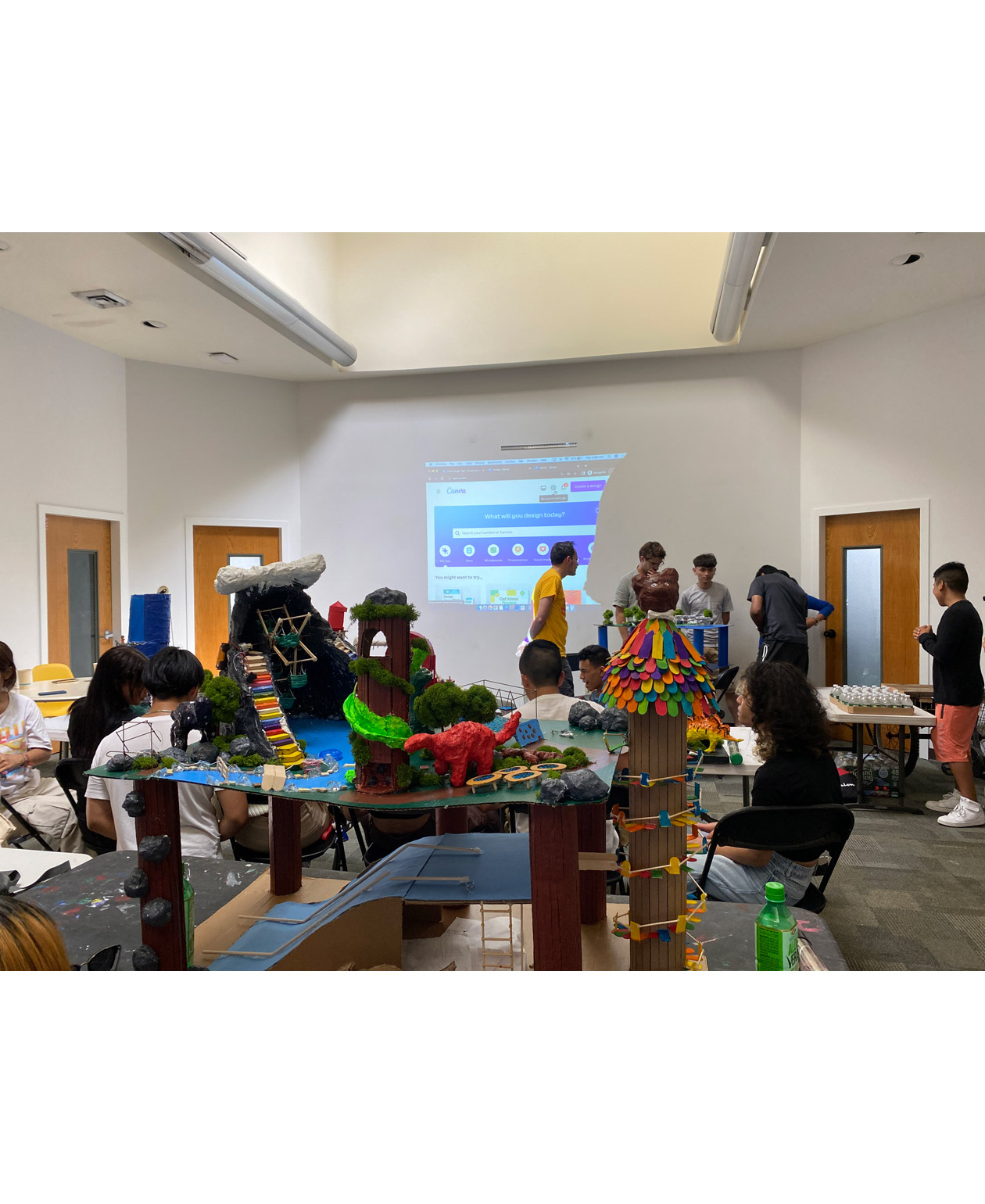
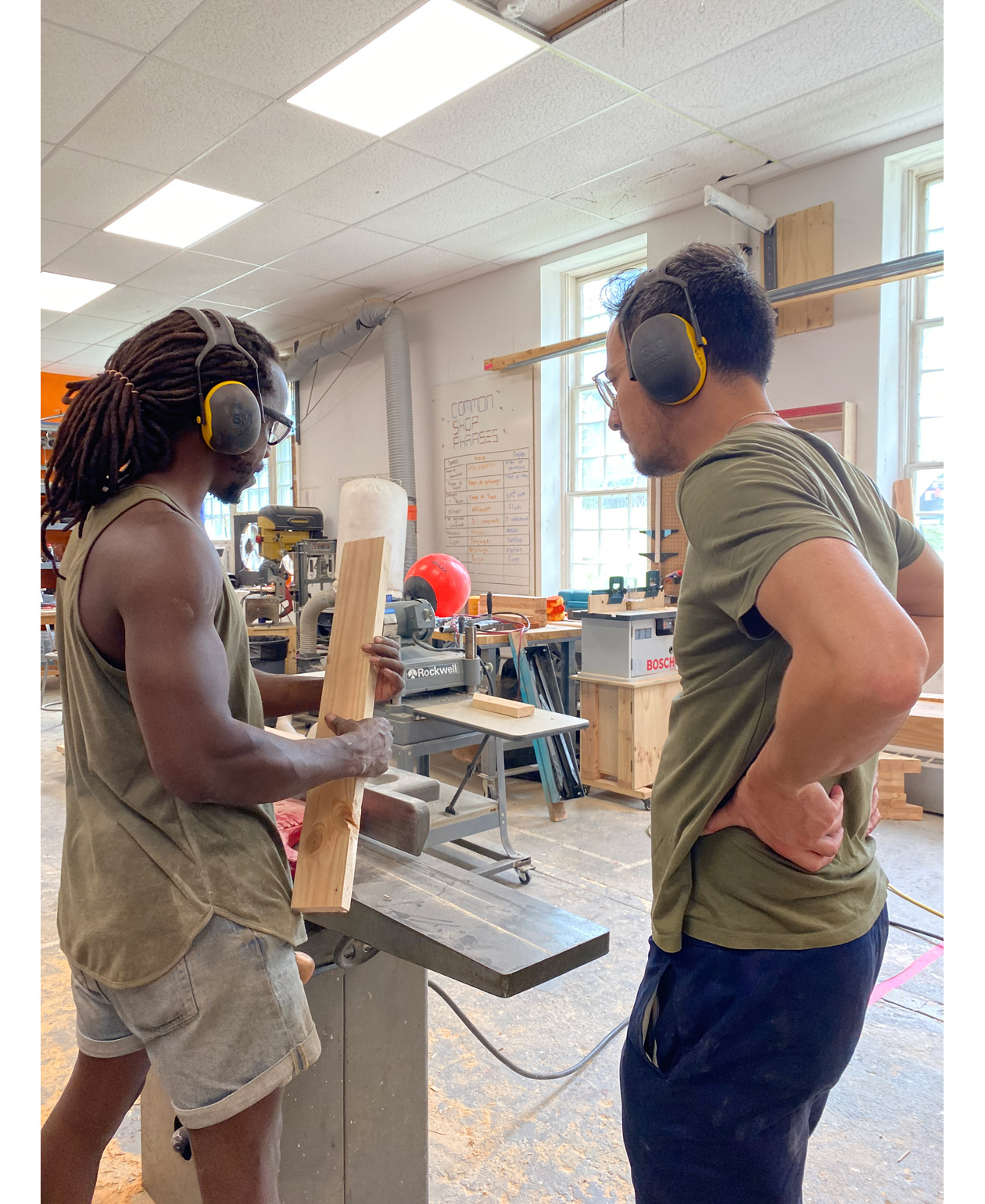
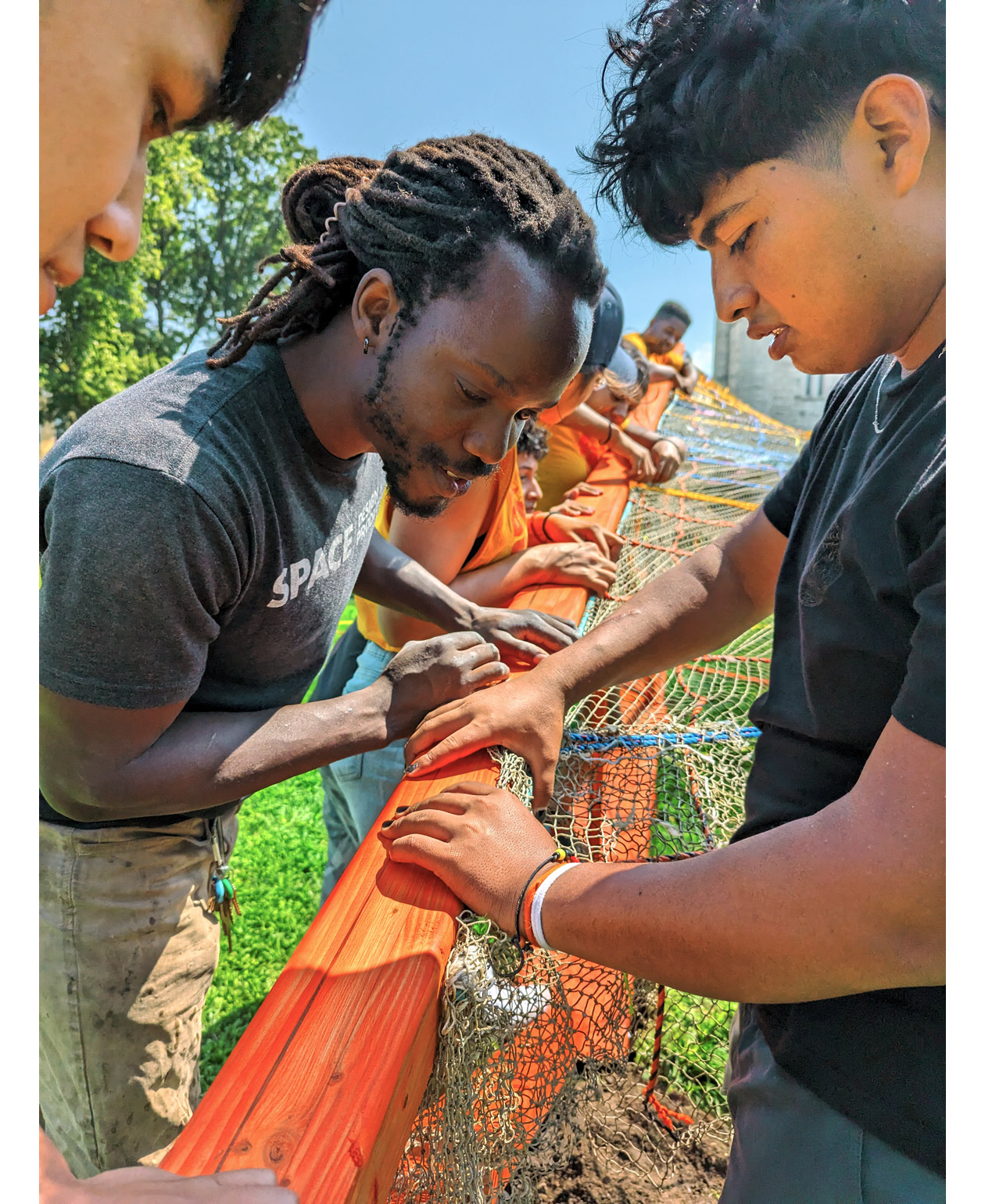
Conducted together with the Beam Center, disadvantaged youths in New York participated in the production process with pay. While learning woodworking and metalworking skills, they directly built a public structure that any local resident could use for free. While addressing environmental issues, it provided youths with opportunities to learn skills and work, and encouraged participation in the local community and public spaces through the process of making and using it together. By organizing not only the finished structure but also the production process as part of the project, it holds the meaning of social design in that youths participated as agents of production and change rather than mere users.
This structure connects upcycling, kinetic play, and collaborative learning into a single experience. Instead of explaining marine pollution through guide texts or images, it uses ghost gear rescued from the sea in the actual structure and is designed so that the whole responds according to the user's movements. In particular, since the seesaws and hammock operate only when multiple people coordinate their movements with each other, play itself becomes a process of experiencing the meanings of balance, interdependence, and cooperation. The circularly connected structure and movements influencing each other demonstrate these relationships through physical form and operational methods. Youths also did not stop at using the finished result, but directly participated in production, connecting their understanding of environmental issues to experiences of skill acquisition and collaboration.
It has environmental significance in that discarded waste nets are reused as materials for public spaces. Ghost gear left in the sea can cause “ghost fishing,” where marine life is caught or killed for a long period. By collecting and utilizing them for new purposes, it reduces marine litter and protects marine ecosystems while allowing people to think directly about the long-term impacts of marine pollution. Instead of hiding or simply recycling waste, by revealing it as a main material of the structure, the environmental background of the material itself was utilized as part of the experience.
Social effects are also connected to the production process. It provided youths with paid jobs and technical training opportunities, and created a free public space shared by local residents. By directly experiencing the process where discarded materials turn into a new space through collection, production, and play, youths and local residents can connect their responsibilities regarding waste, consumption, and the environment with their daily lives. It is a method of creating both environmental and social values together by connecting material circulation and human participation into a single process.
What this project proposes to other regions is not repeatedly installing the same structure, but collecting discarded materials locally and having youths and residents build new public structures together. Since it does not depend on a specific place or material, it can be applied to suit respective environments in various regions, including coastal cities and islands experiencing marine pollution or waste problems. It has expandability in that it is a participatory approach connecting environmental problems occurring in a region back to local materials, people, production processes, and public experiences. By transforming regional waste into a resource for resident participation and environmental education, it shows how design can become a way to connect environmental issues with local communities.