


Sesar Lembang Kalcer Sesar Lembang Kalcer redefines disaster mitigation by transforming the fear of disaster through cultural resilience design and ecological immersive storytelling


- Nationality
- Indonesia
- Group
- Sesar Lembang Kalcer
About Project
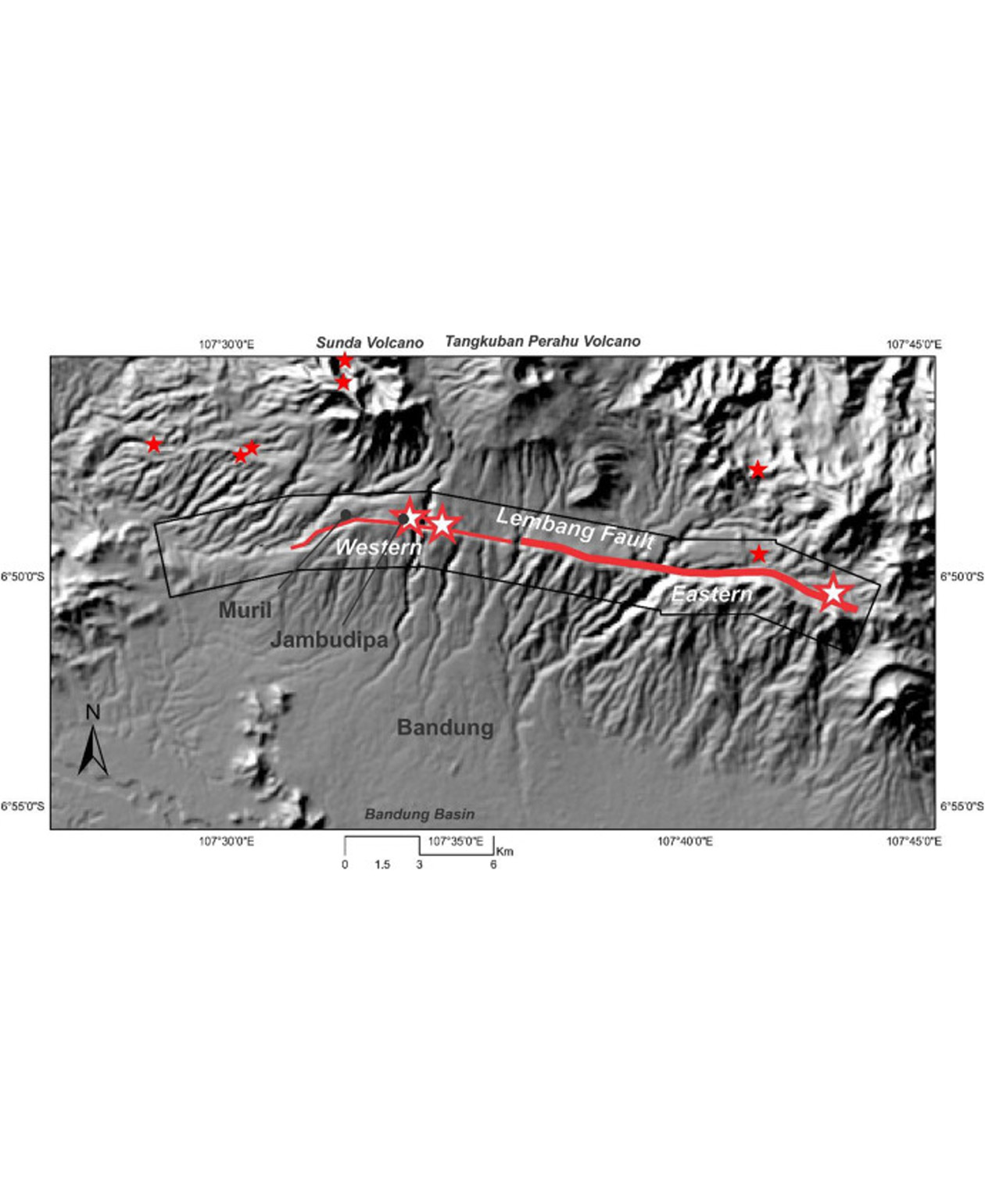
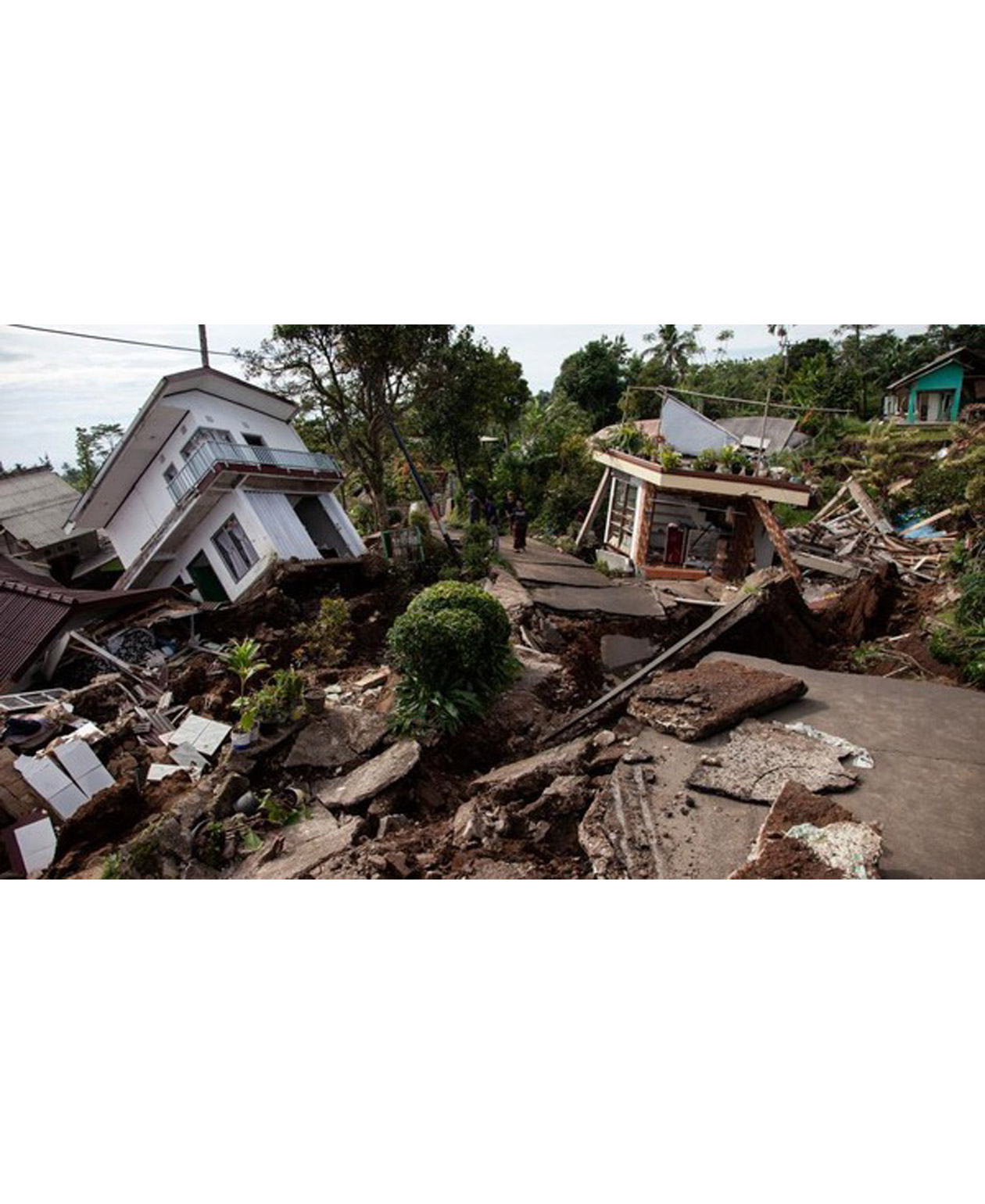
Sesar Lembang Kalcer is a community-driven project initiated to enhance residents' disaster preparedness capabilities in the Lembang Fault region of Bandung, Indonesia. Stretching approximately 29 kilometers from Padalarang to Mount Manglayang, the Lembang Fault is an active fault capable of generating earthquakes with a magnitude of 6.5 to 7.0. More than 9.1 million people reside in the Bandung Basin, meaning many residents could be exposed to potential risks in the event of an earthquake. However, disaster preparedness has often been conducted centered on technical information delivery or emergency campaigns, separated from residents' daily lives. As rapid urban development progressed, residents' local ecological knowledge and understanding of the natural environment they live in gradually weakened. This project focused not just on delivering information about disasters, but on creating a disaster preparedness culture that residents can continuously remember and practice in their daily lives. It is a social design approach that addresses the social problem of disaster through residents' daily lives, culture, and place experiences. To this end, local residents, creators, educators, and researchers participate together to transform disaster preparedness into a community cultural practice. Instead of recognizing disasters like earthquakes merely as one-off emergency situations, the goal is to form a culture of understanding the place and natural environment one lives in and preparing in ordinary everyday life. Escaping the one-sided structure where experts deliver information, it was structured in a way where residents and various participants create experiences together.
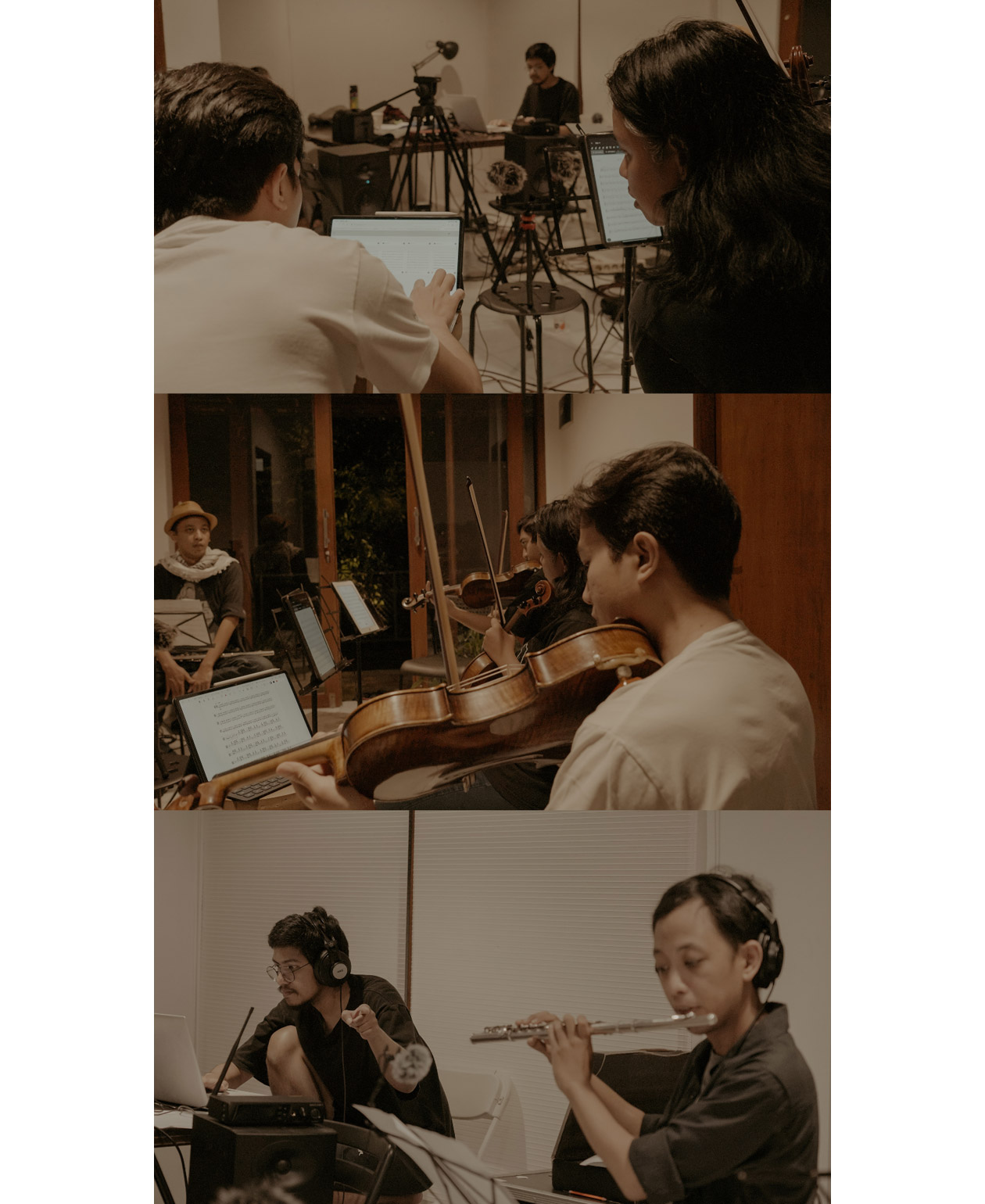
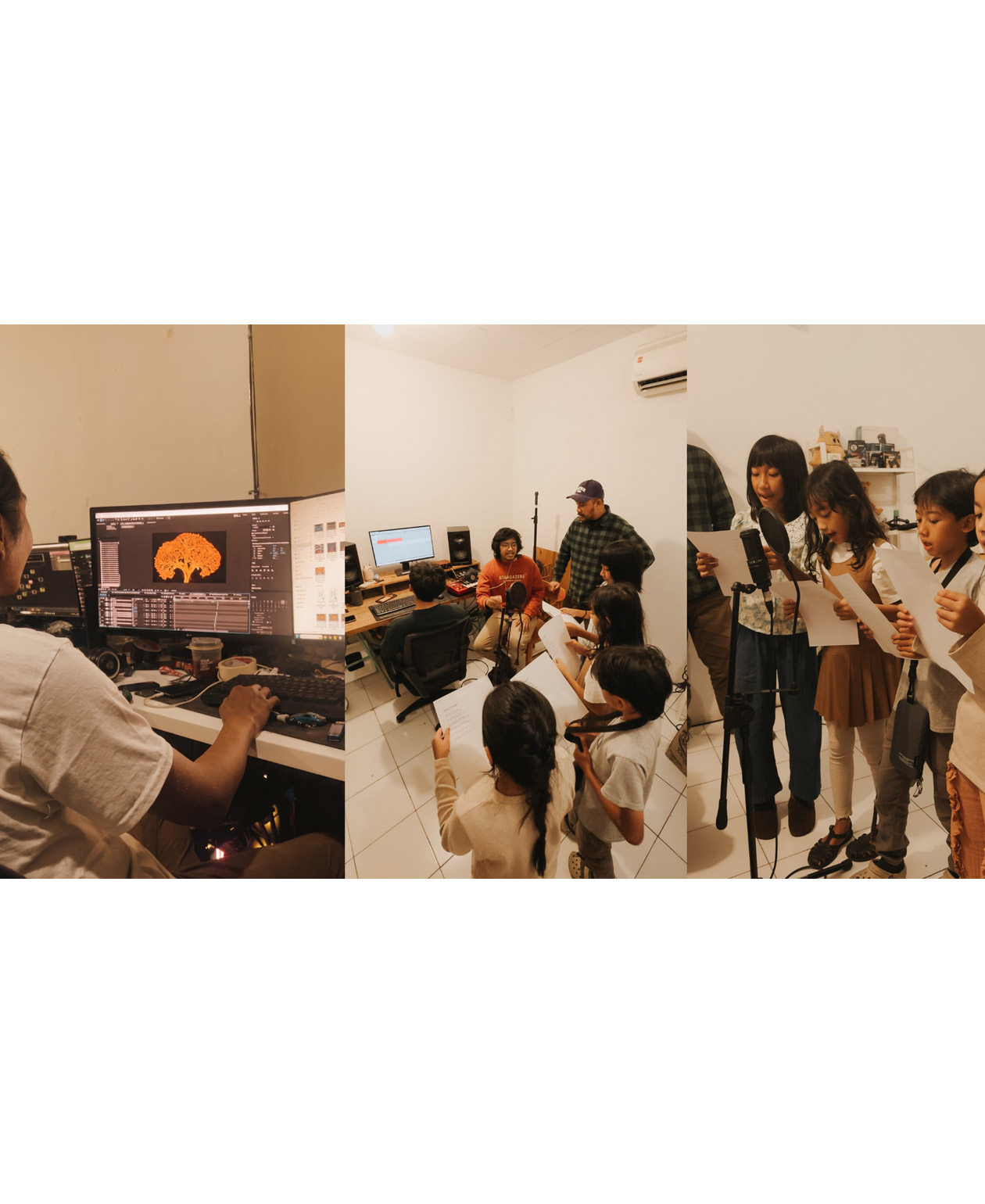
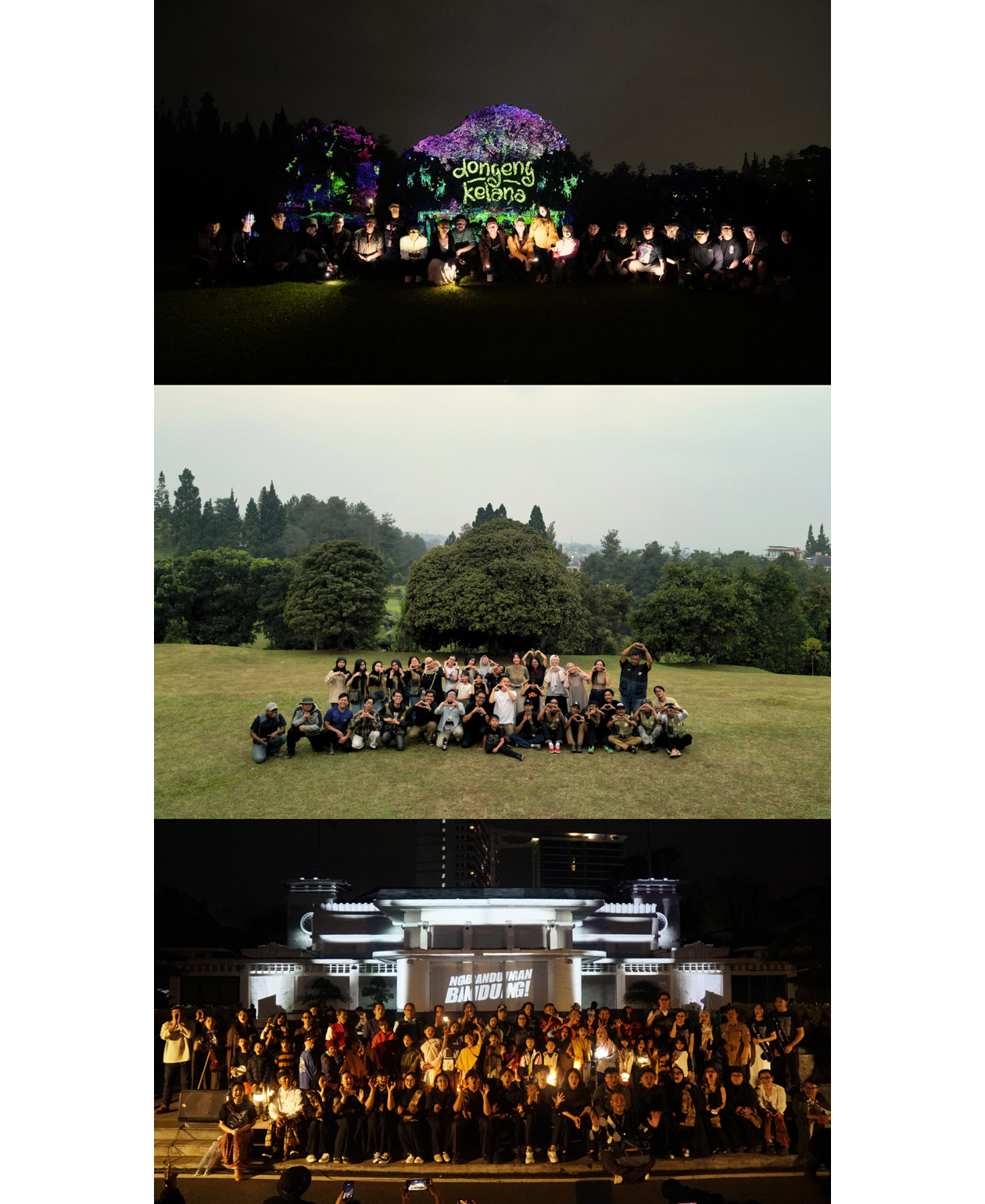
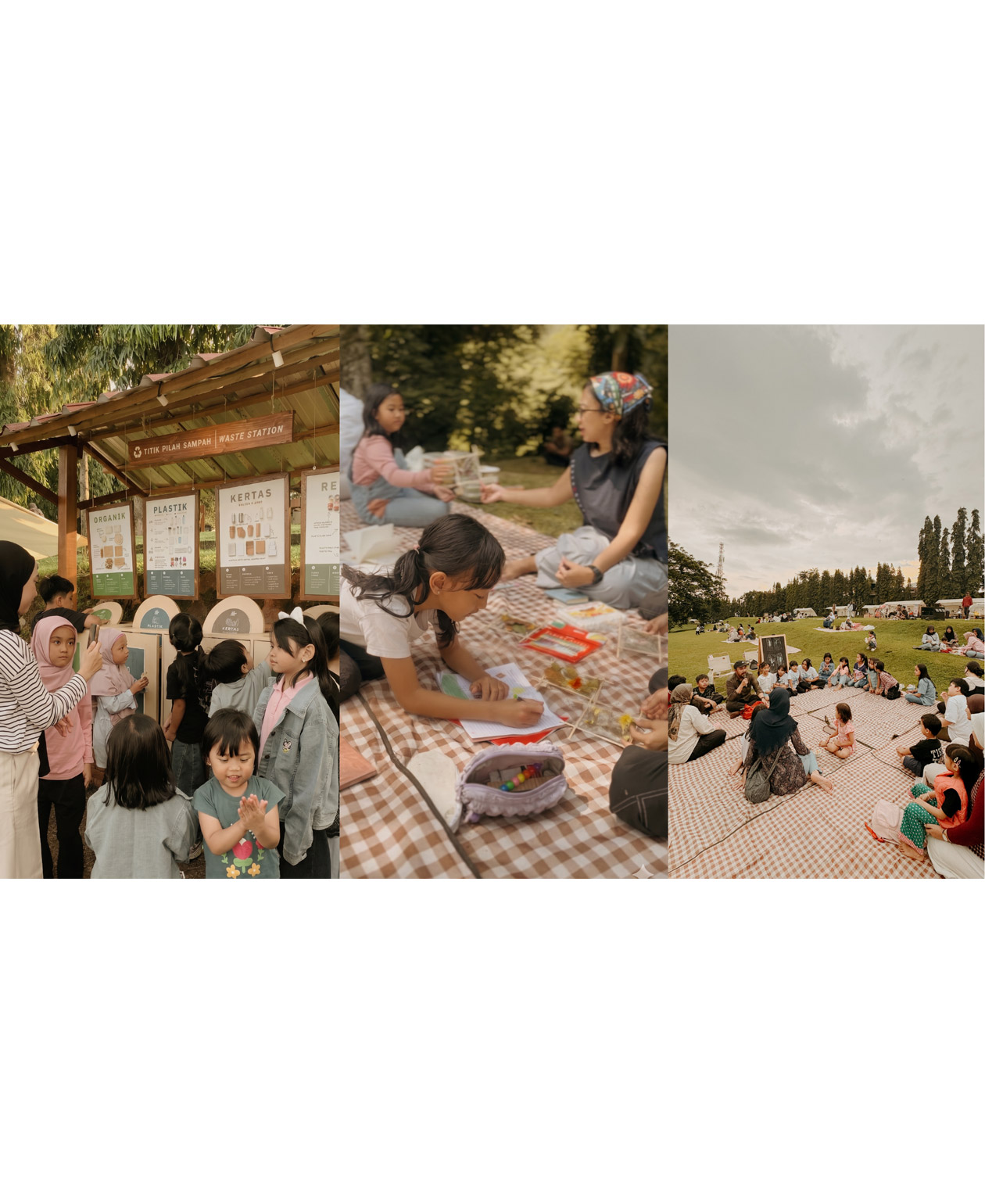
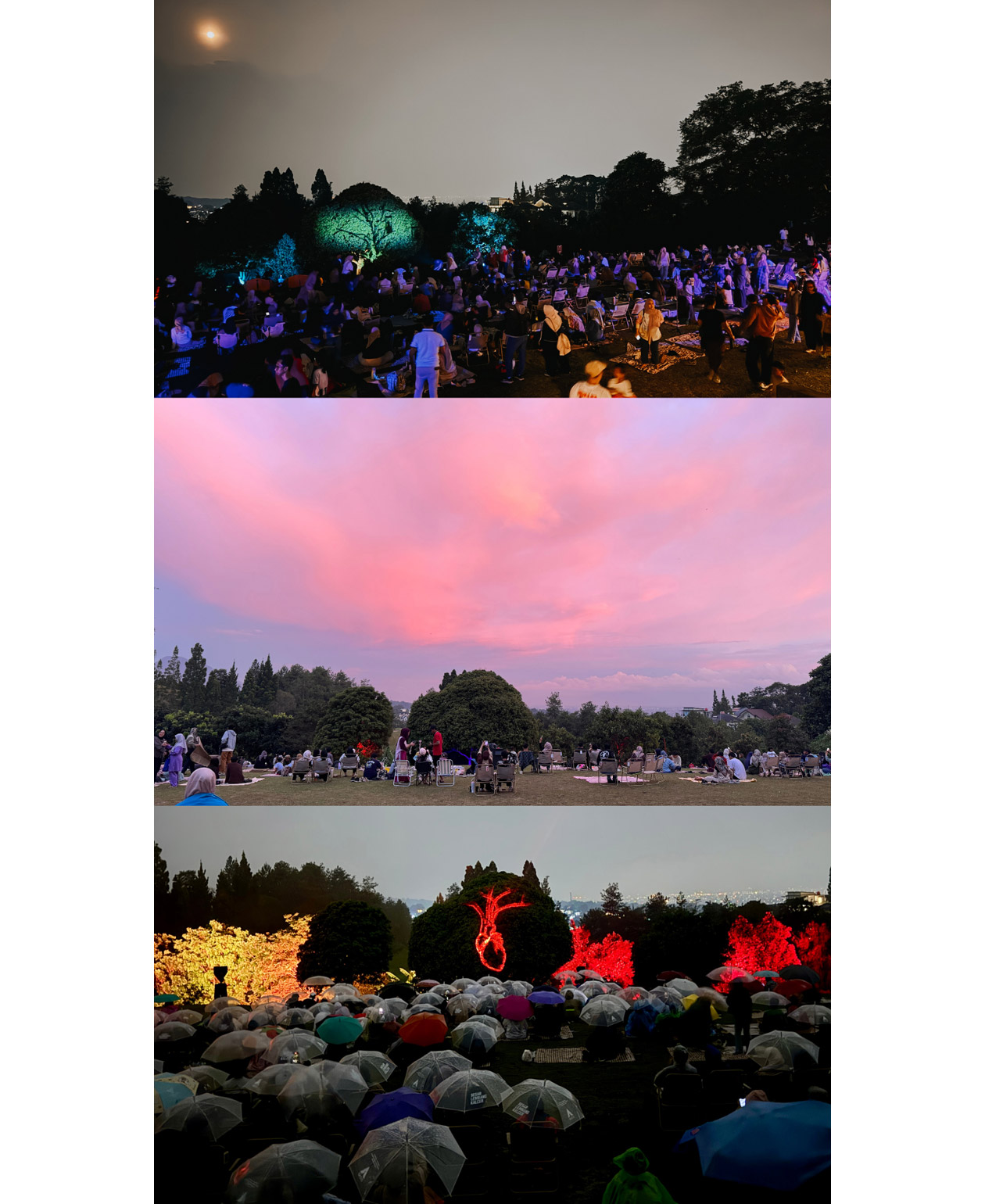
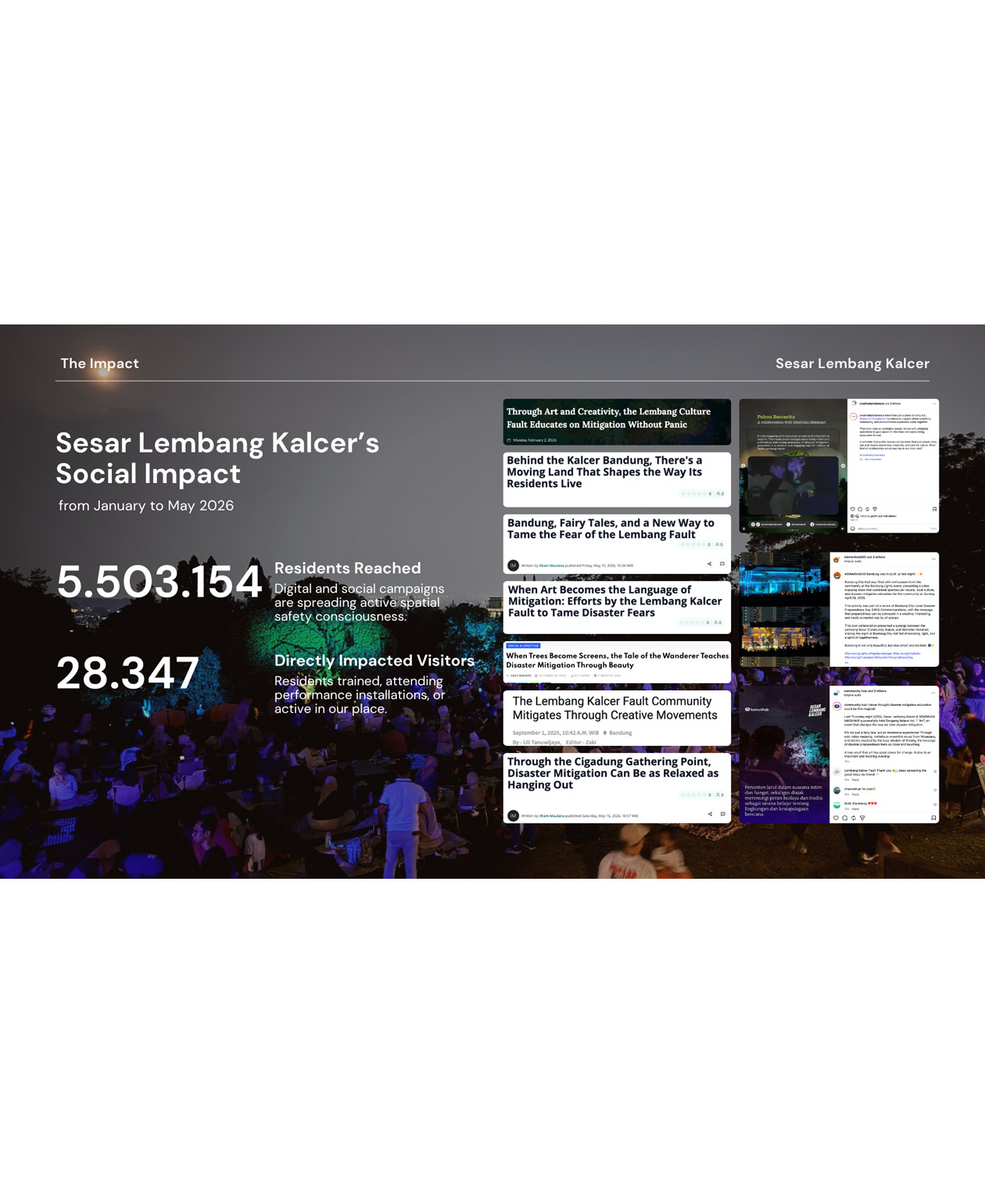
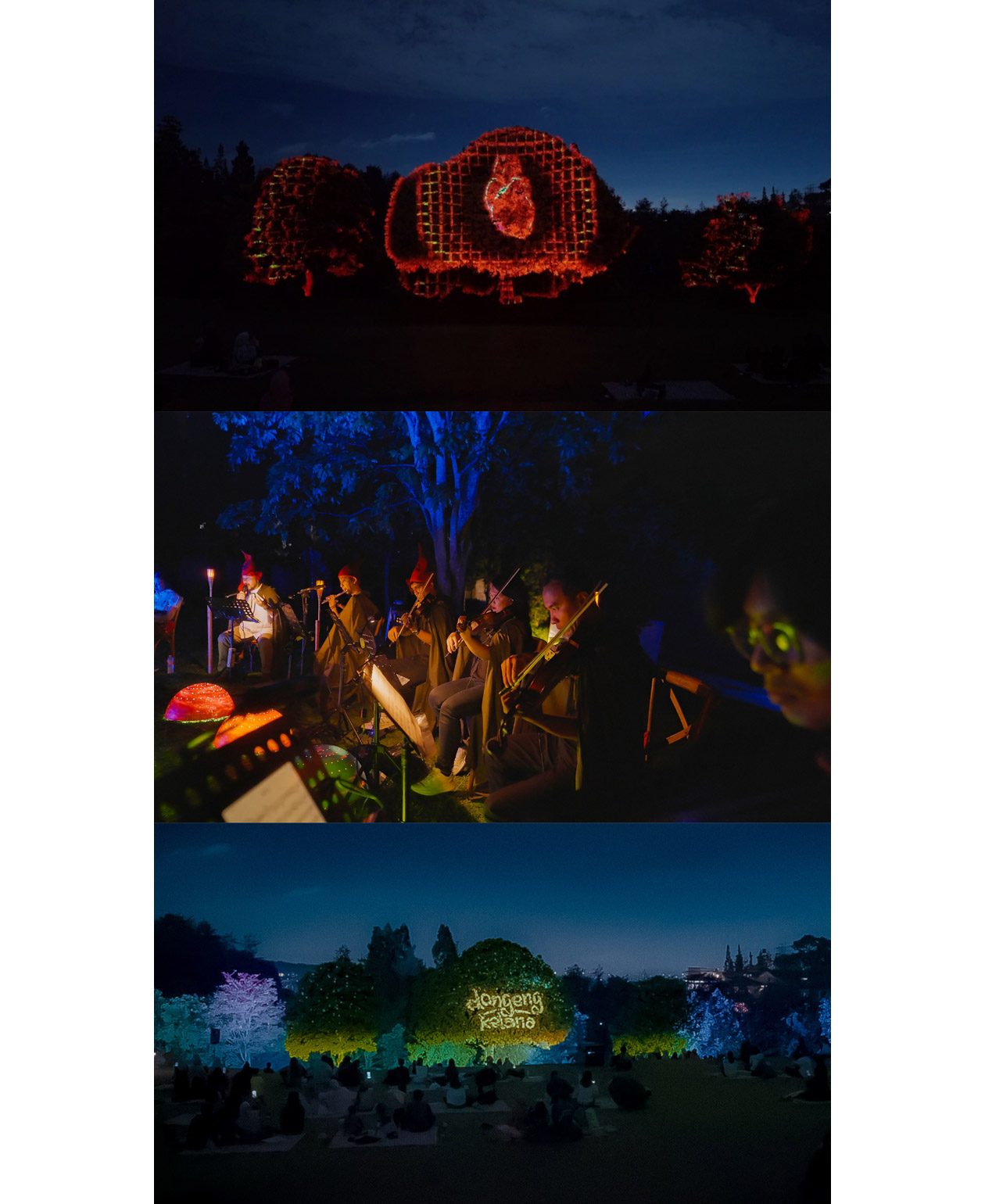
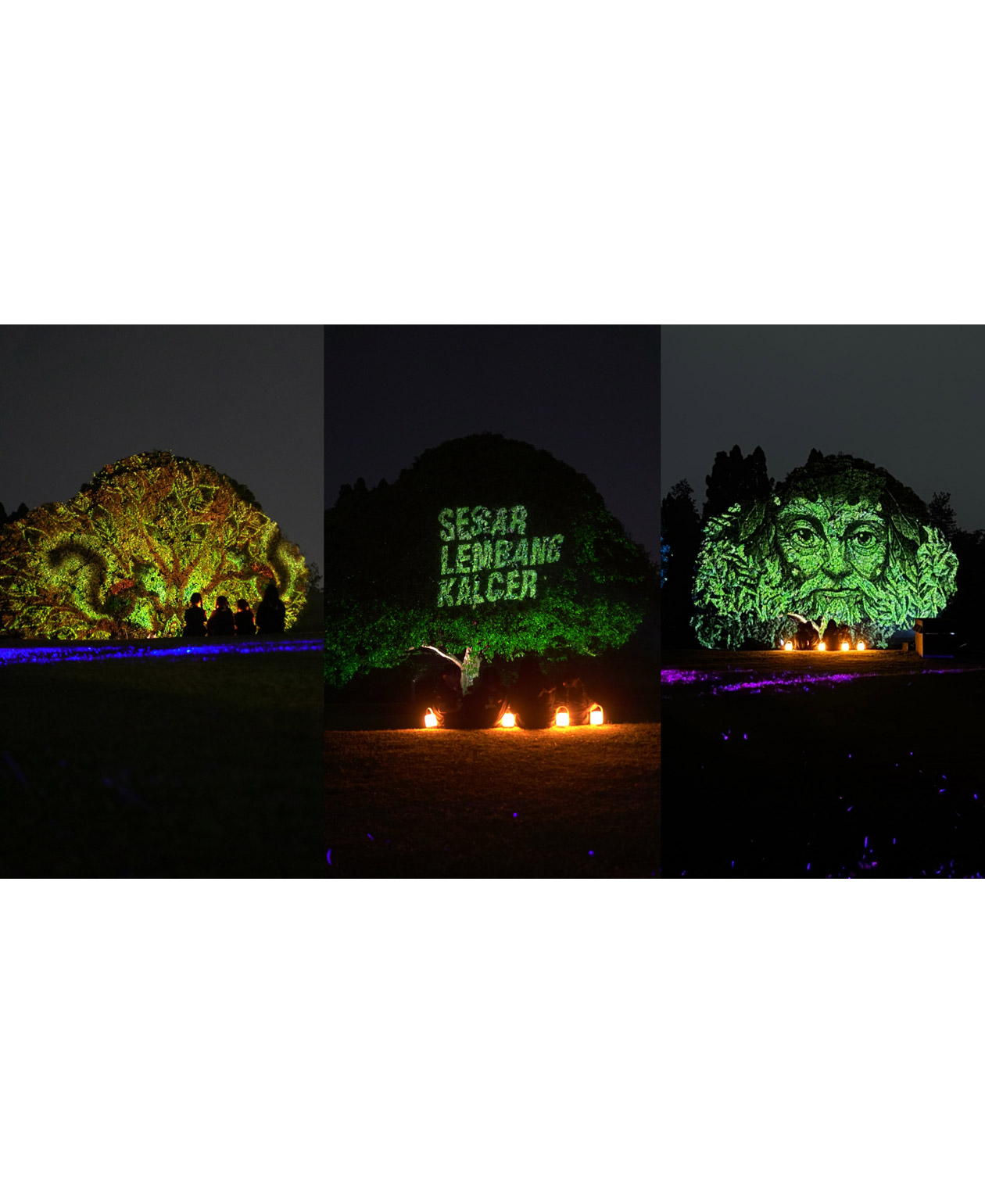
The project was inspired by “Smong,” Indonesia's traditional wisdom. Smong is local knowledge passed down through generations in stories about observing natural changes to recognize tsunami signs and evacuate, and is known as an early warning system that saved many lives during the 2004 Aceh tsunami. This project expanded these traditional knowledge transmission methods into modern cultural programs and design. By combining live storytelling, narration, music, spatial design, and civic participation programs, it delivers technical disaster information as an easy-to-understand cultural experience. Instead of receiving information unilaterally, residents directly participate in stories, spaces, and activities to understand and remember disaster risks and the environment they live in. It is characterized by connecting stories, spaces, and participatory actions into a single experience, rather than just showing simplified information. In programs like “Dongeng Kelana” and “Pohon Mendongeng,” living trees are utilized as mediums to deliver ecological stories. Through stories about nature and the region, residents observe and remember their surrounding environment and understand how nature and their own lives are connected. This is an approach that starts from an understanding of regional ecology and place, rather than delivering disaster preparedness centered on fear or warning. Along with this, various programs such as spatial safety campaigns, public installations, and disaster preparedness workshops were operated. From January to May 2026, 28,347 people participated in on-site programs, and during the same period, digital campaigns reached 5.5 million people. Through this, disaster preparedness was expanded from technical information into a public cultural program where citizens participate and experience.
The structure where local creators participate in the planning and execution of programs is also an important feature. By combining local knowledge of disasters and environment with creators' storytelling and spatial design to create programs tailored to the region, it links cultural, environmental, and community resilience together. It reveals a design method utilizing local resources in that pre-existing knowledge and stories in the region are reconstructed into new contents and spatial experiences. In a situation where the risks of climate change and natural disasters increasingly affect urban daily life, this project views disaster preparedness not as an activity needed only in emergencies, but as a culture learned and shared in ordinary everyday life. Based on Bandung, a UNESCO City of Design, it shows what role design can play in understanding the relationship between residents, place, and nature and preparing for disasters.
In the future, we intend to develop this approach into a model applicable to other disaster-vulnerable regions. It is a method of finding knowledge and stories handed down in the region, converting them into spatial and cultural experiences to leave a mark in people's memories, and connecting those memories into actual action. As a social design model that connects traditional wisdom, modern design, and resident participation to make disaster preparedness a community's daily culture, it presents the possibility for each region to create disaster preparedness methods tailored to its own environment and culture.