


The Community Protective Model: An Intercultural Community Service Design for Children's Mental Health in Vulnerable Communities of Peru Designing an intercultural community service model that protects vulnerable children by strengthening families, education, mental health, and community resilience


- Nationality
- Peru
- Individual
- Leonel Roger Revilla Cruz
About Project
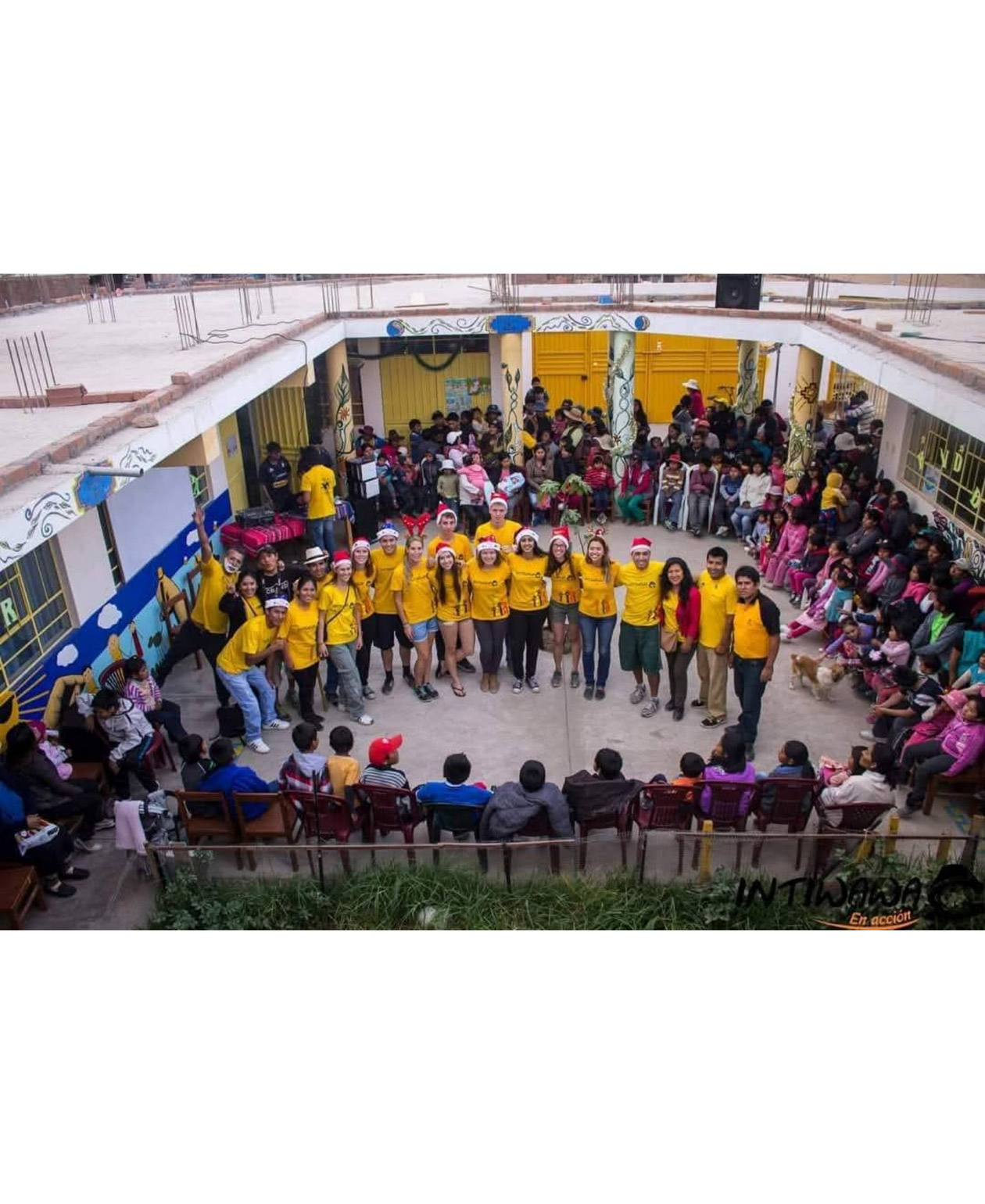
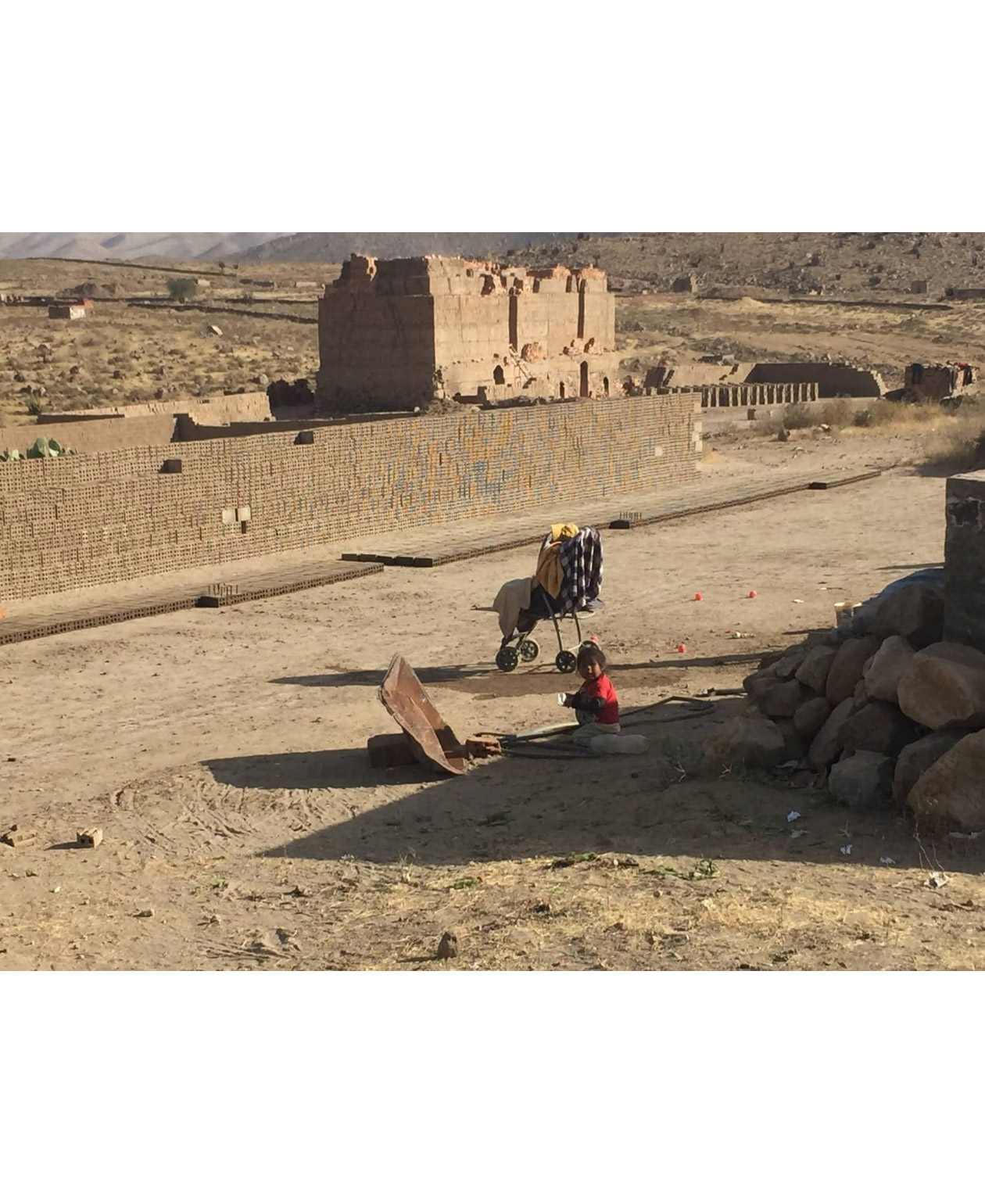
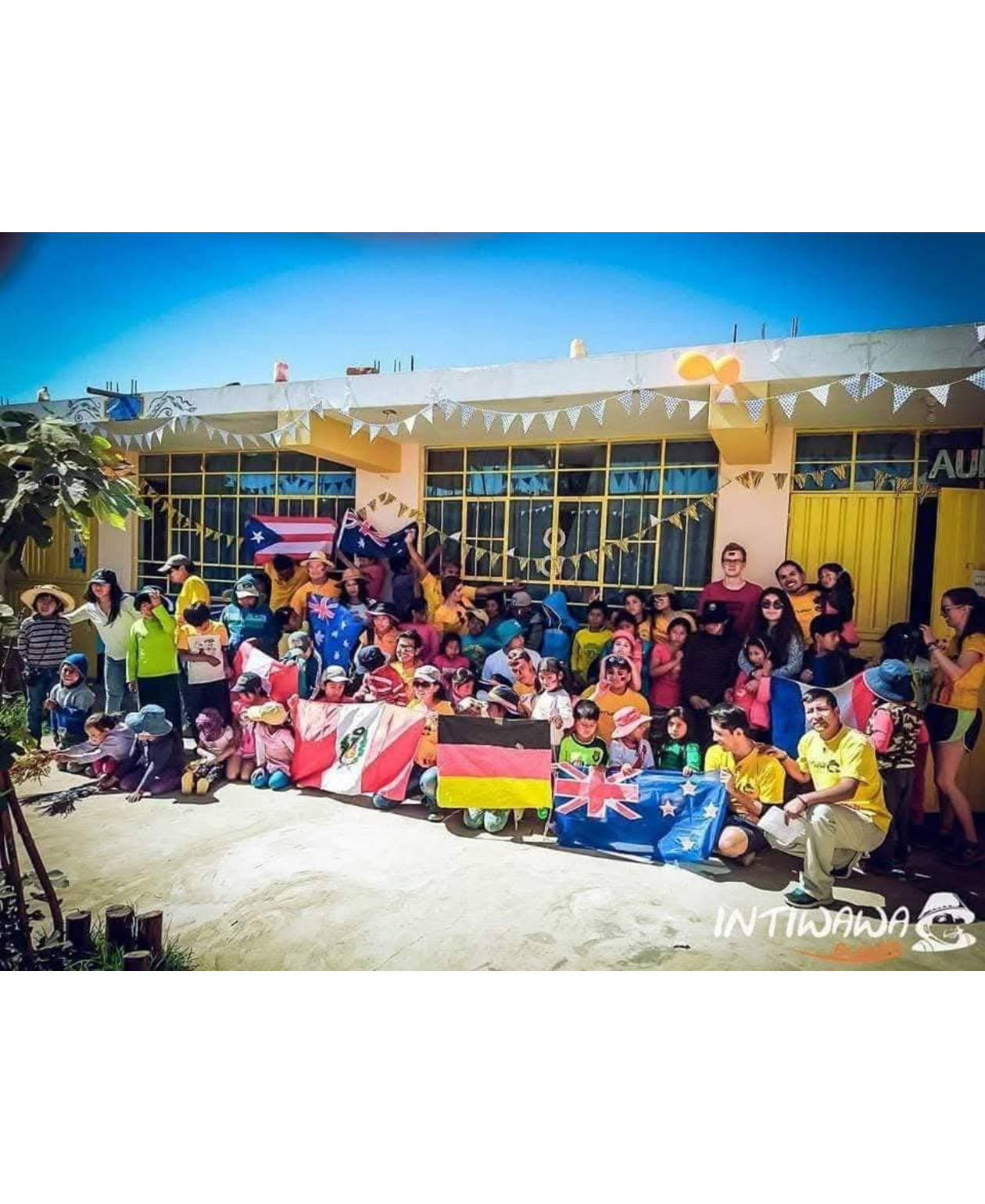
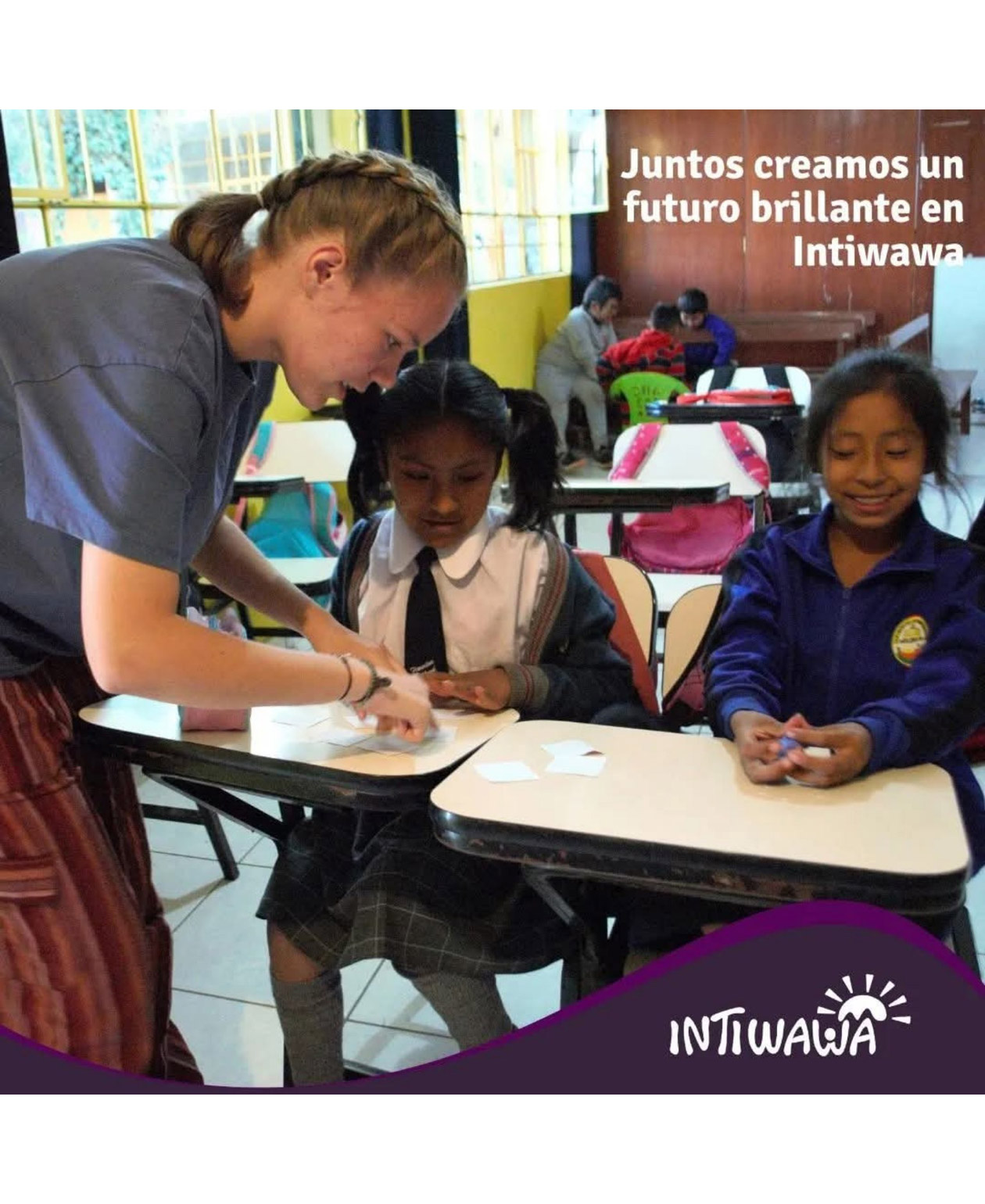
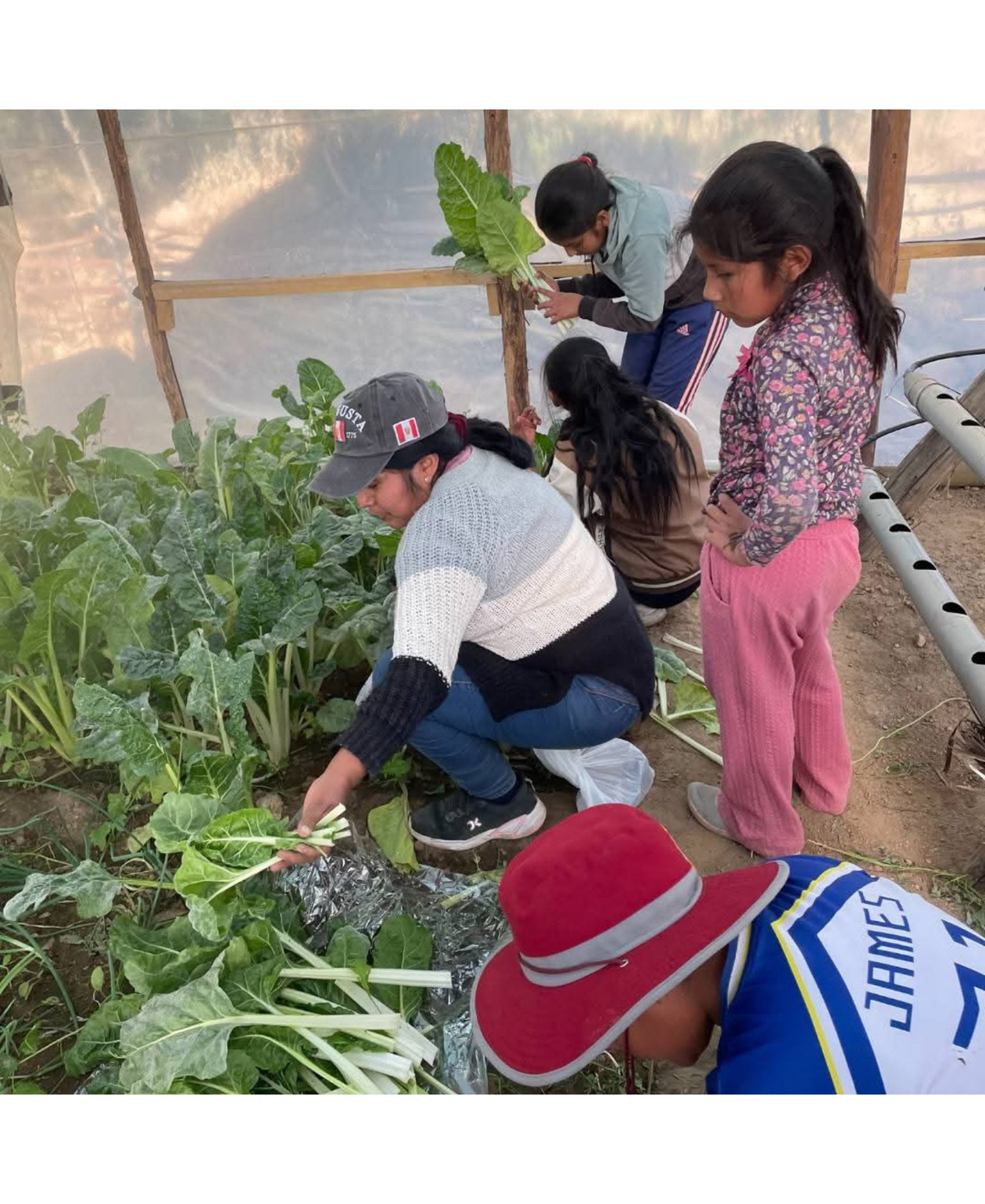
The Community Protective Model is an intercultural community service design developed by Intiwawa to support children exposed to poverty, child labor, and domestic violence in southern Peru. Originating in the brick-making community of Mollebaya with activities supporting children's education and nutrition and cooperating with families, it has evolved over the past twenty years into an integrated community service system that simultaneously supports the social, emotional, educational, and economic needs of children and families. Rather than focusing on a single problem or target, it is characterized by expanding the scope of service to include the families and communities surrounding the children.
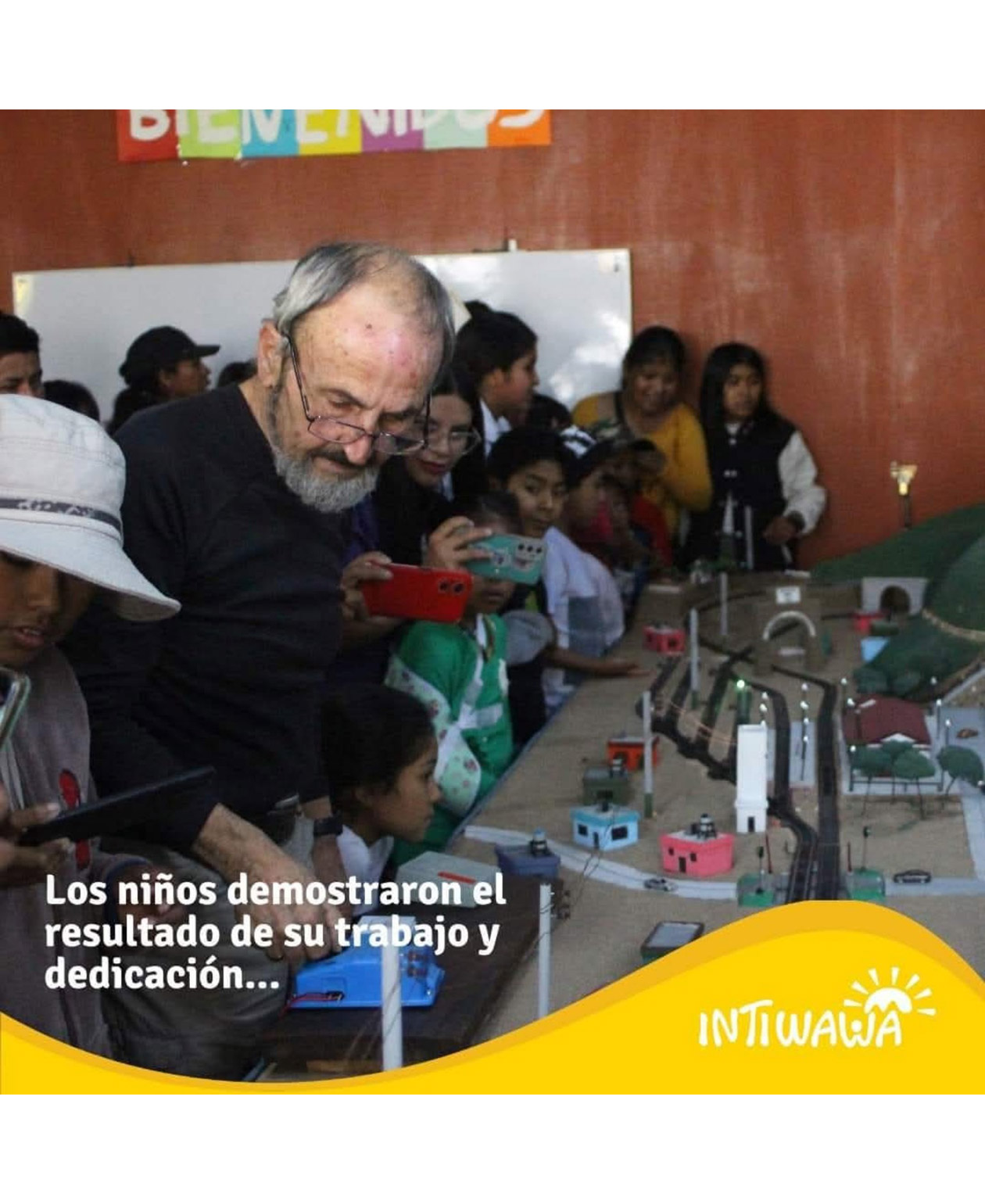
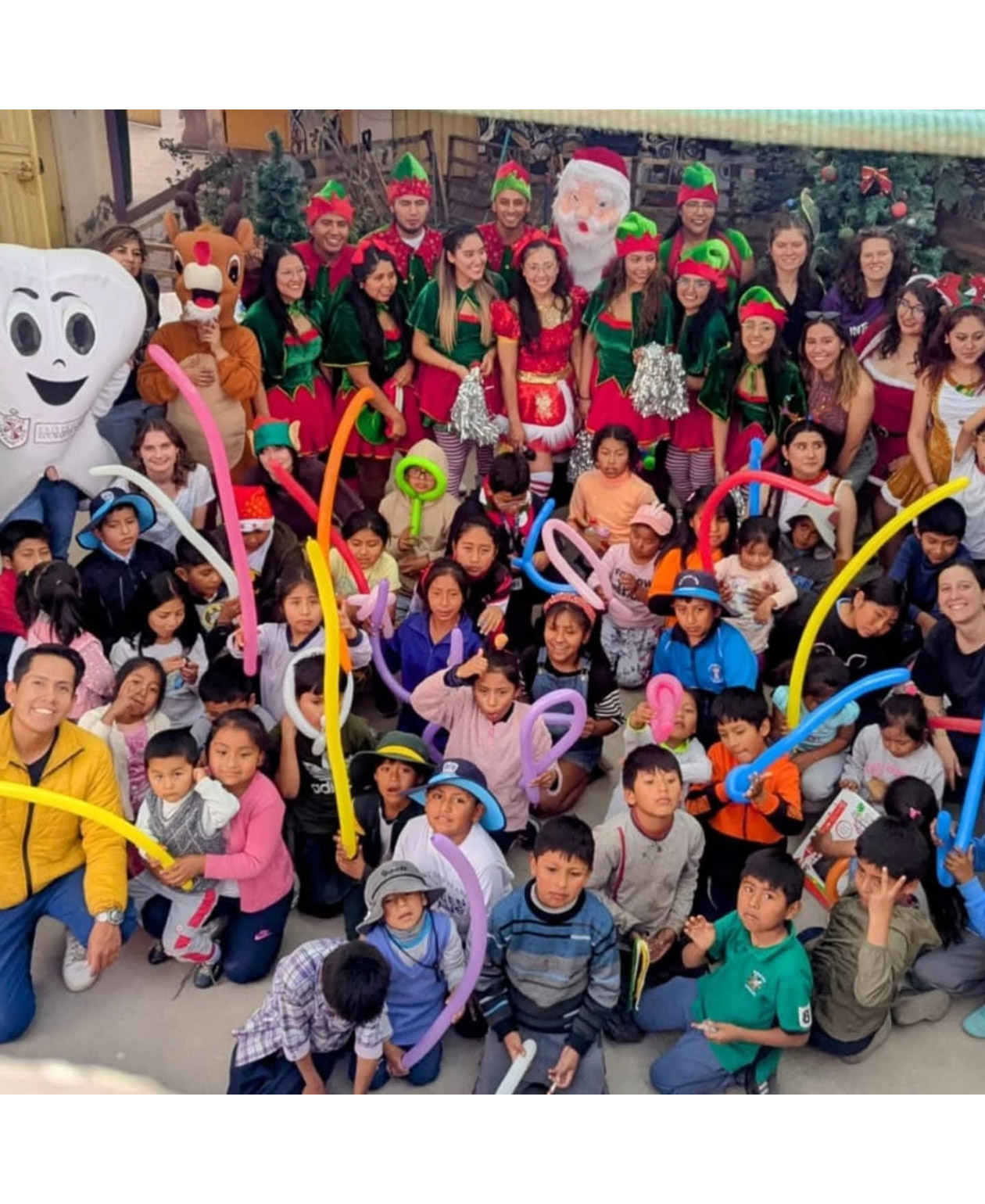
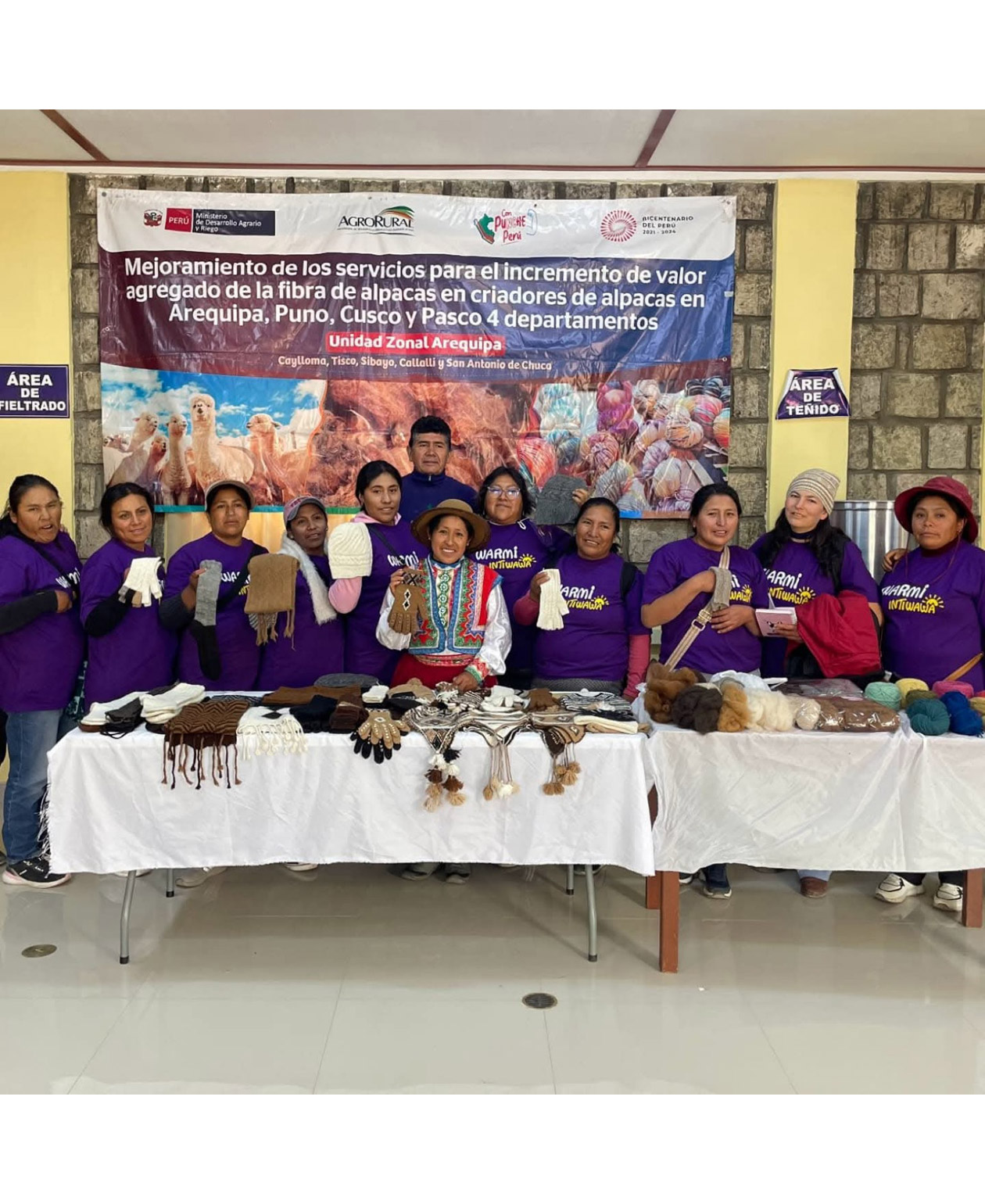
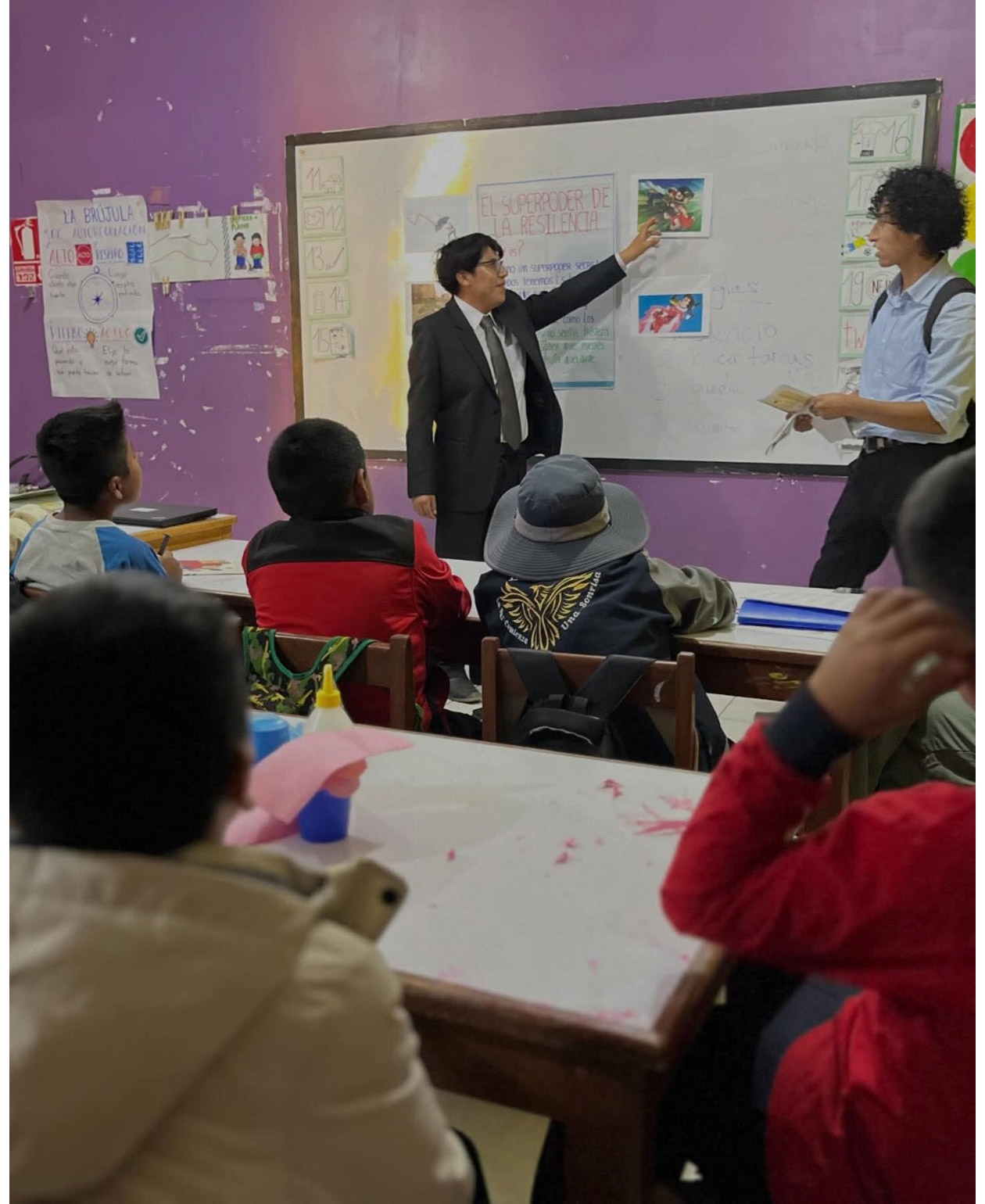
This model connects community-based mental health support, emotional education, learning support, family capacity building, women's economic independence through traditional weaving, nutrition support, intercultural participation, research, and international volunteering into a single system. Instead of operating each program separately, the relationships between services are structured so that children and families can continuously experience various supports according to their needs, helping children learn and grow in a safe environment. Through this, it creates a sustainable community service model that jointly supports children's mental health, family stability, and long-term social participation.
In particular, it is characterized by connecting education, mental health, family support, nutrition, women's economic independence, and resident participation within a single service system rather than treating them as individual social welfare programs. It is designed so that as community needs change, each program can be adjusted accordingly, with children, families, educators, volunteers, and local leaders participating together in the planning and operation of services. Rather than unilaterally dividing service providers and beneficiaries, a structure where diverse local members participate together ensures that relationships and support are sustained within the community. Through this, a support system that reflects local culture and lifestyles while lasting for a long time has been established.
This integrated approach reduces the risk of children being exposed to labor and violence, allowing them to receive education, psychological support, and nutritious meals in a safer environment. It also supports them in cultivating the necessary capacities to cope with emotional difficulties and grow healthily. It provides families with opportunities to learn positive parenting methods and creates economic activity opportunities for women utilizing traditional weaving techniques, thereby reducing dependence on hazardous labor and helping families achieve economic stability. By connecting different supports within a single living environment, it demonstrates a social design approach that allows the effects of individual programs to extend into the daily lives of children and families.
By addressing mental health, education, family support, economic independence, and community participation together, it responds to problems where poverty, violence, child labor, and social alienation repeat across generations. The core of this approach is not just solving a specific problem, but improving the environment of the family and community surrounding the child together to build more stable relationships and living foundations. The role of service design can be confirmed in the fact that it did not view problems merely as a lack of individual services, but rather as issues of an interconnected social environment, thereby constructing a support system.
In addition, instead of applying established programs as they are to other regions, it was designed to be adjusted according to each region's cultural, social, and economic environment. It is a method where residents create solutions together based on their own needs, traditions, and available local resources. While maintaining key elements such as children's mental health and education, family capacity building, women's economic independence, and resident participation, the specific operational methods can be configured to fit local circumstances. Rather than repeating fixed solutions, a structure that adjusts services based on local conditions and resident participation serves as the foundation for scaling to other regions.
Through international cooperation and continuous evaluation, services are improved, and the foundation is strengthened so that communities can protect children and support families on their own. Through this, it shows the potential of a long-term child and family support model that can be utilized across various cultures and environments, going beyond individual support projects operated in specific regions.