


The Rolling Pavilion A project making bamboo a trusted material through digital fabrication and precise curves
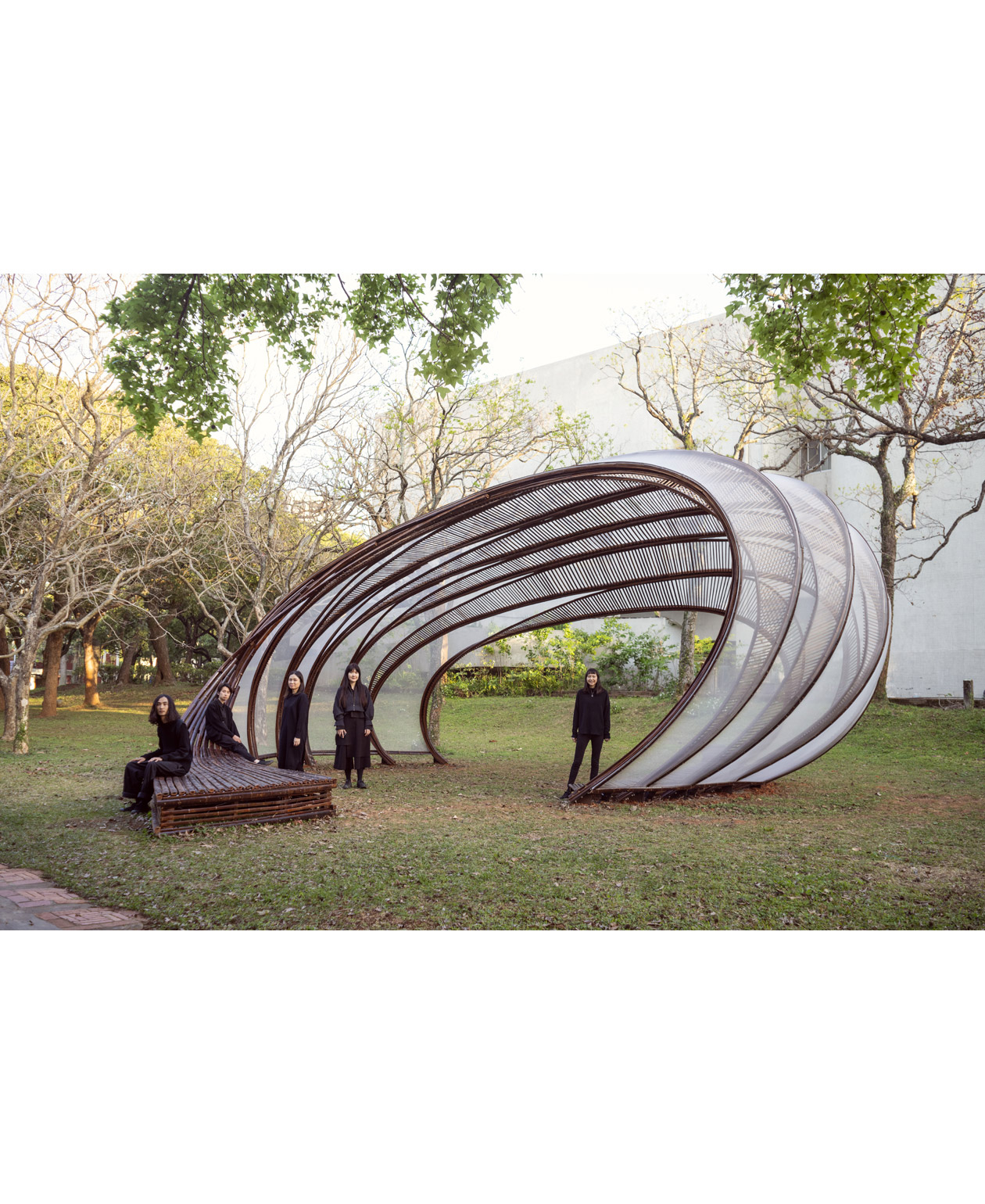


- Nationality
- Taiwan
- Group
- Serendipity Studio
About Project
The Rolling Pavilion is a project that demonstrates the new potential of bamboo, an abundant, renewable, and affordable material produced in Taiwan.
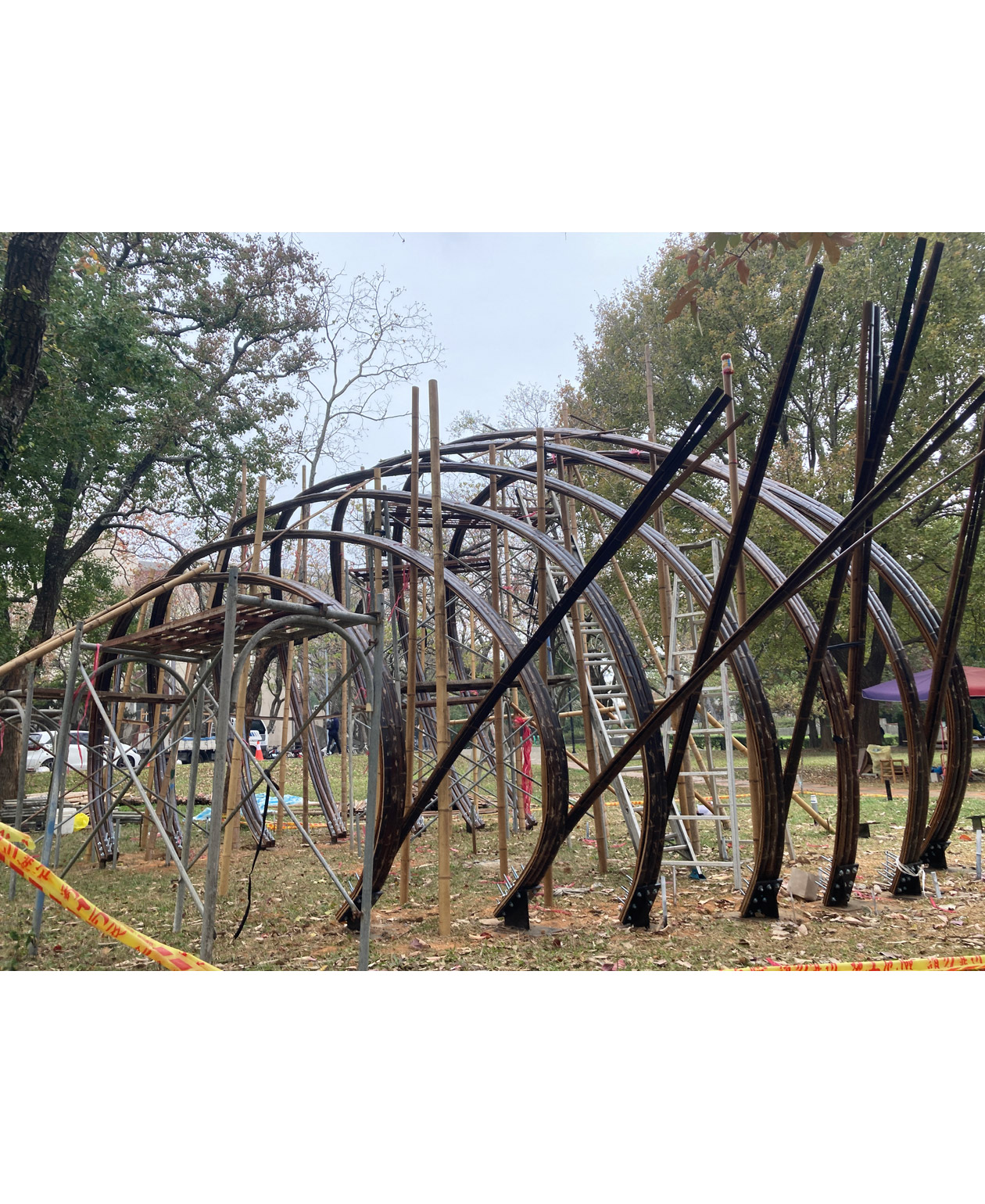
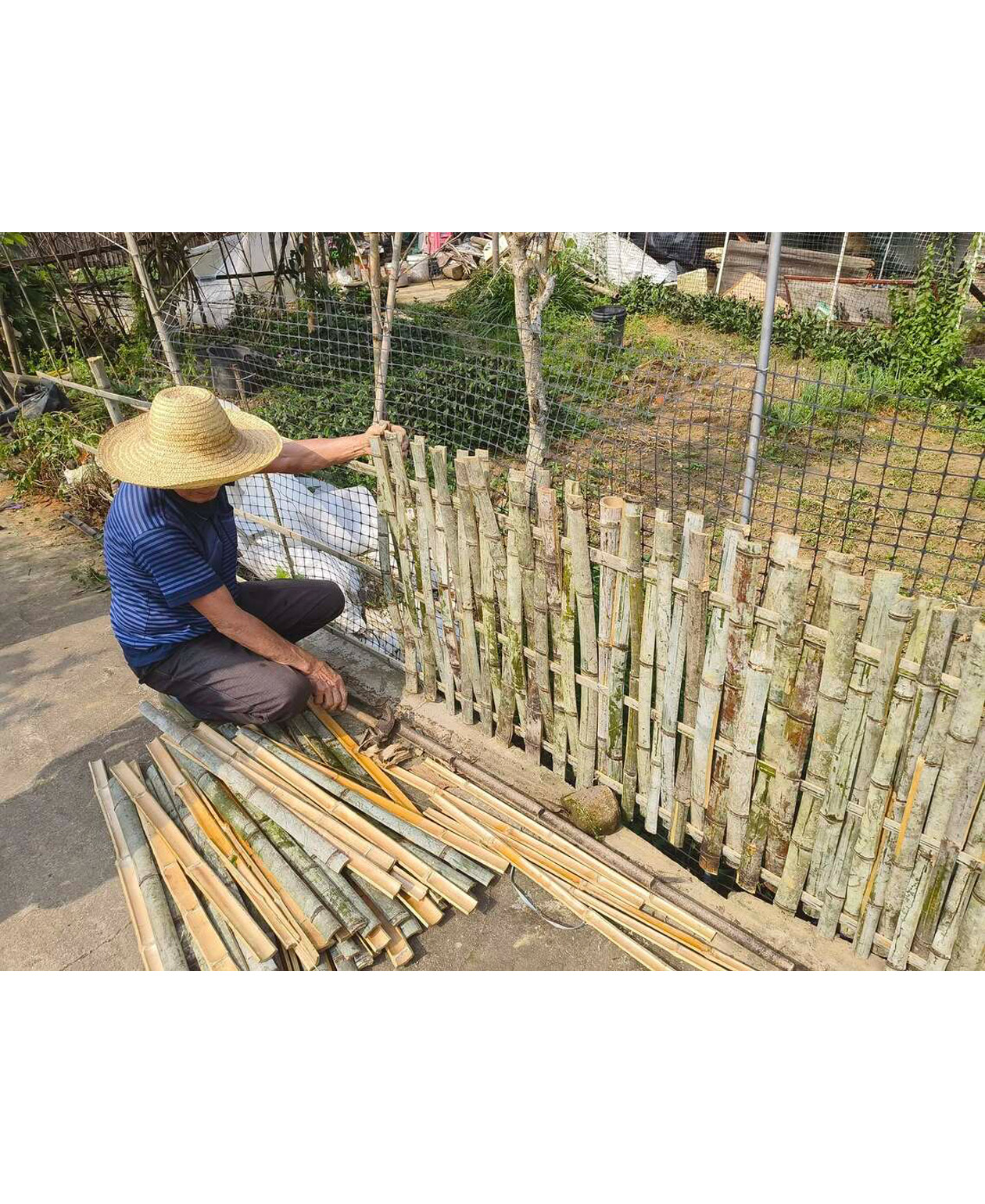
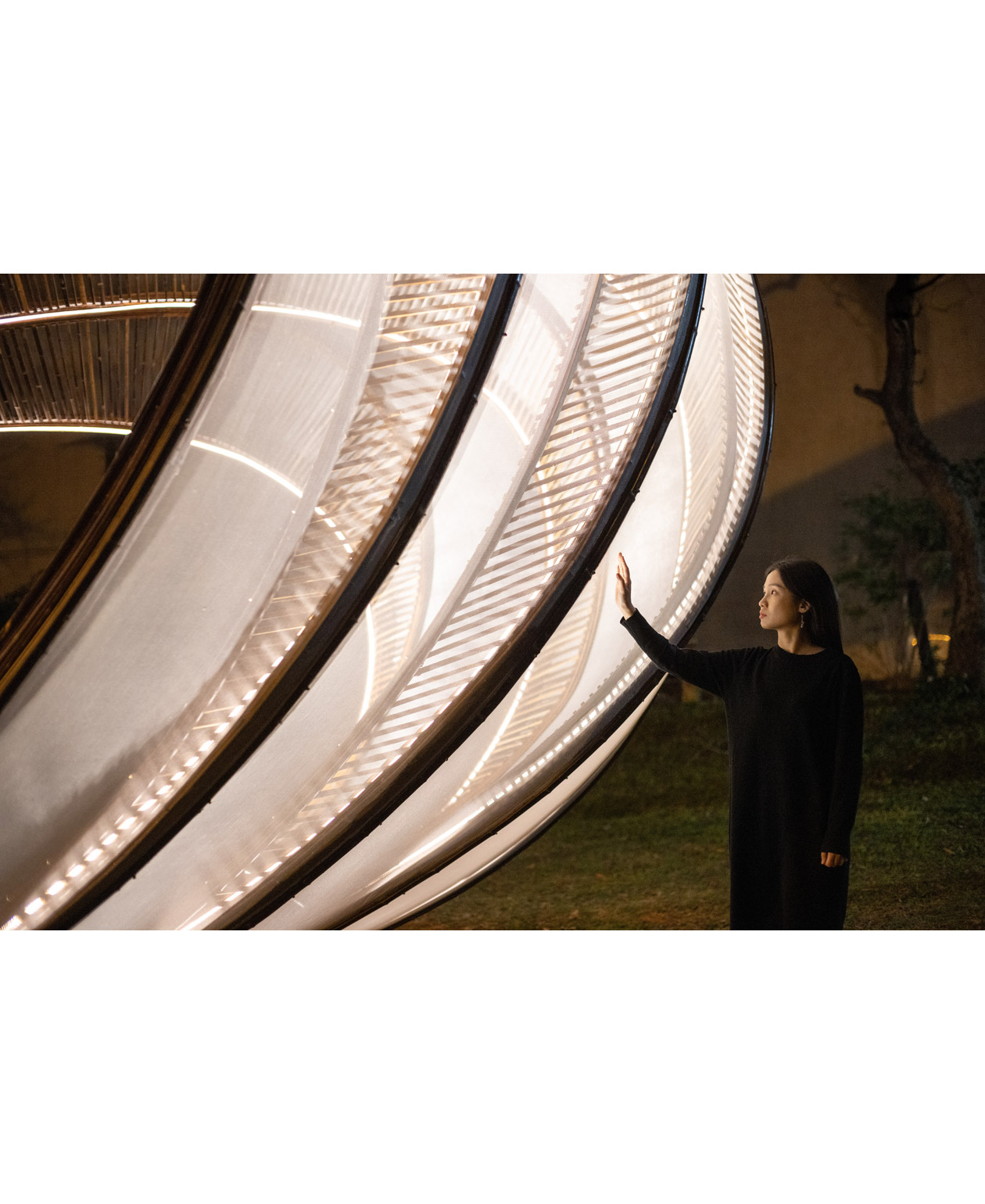
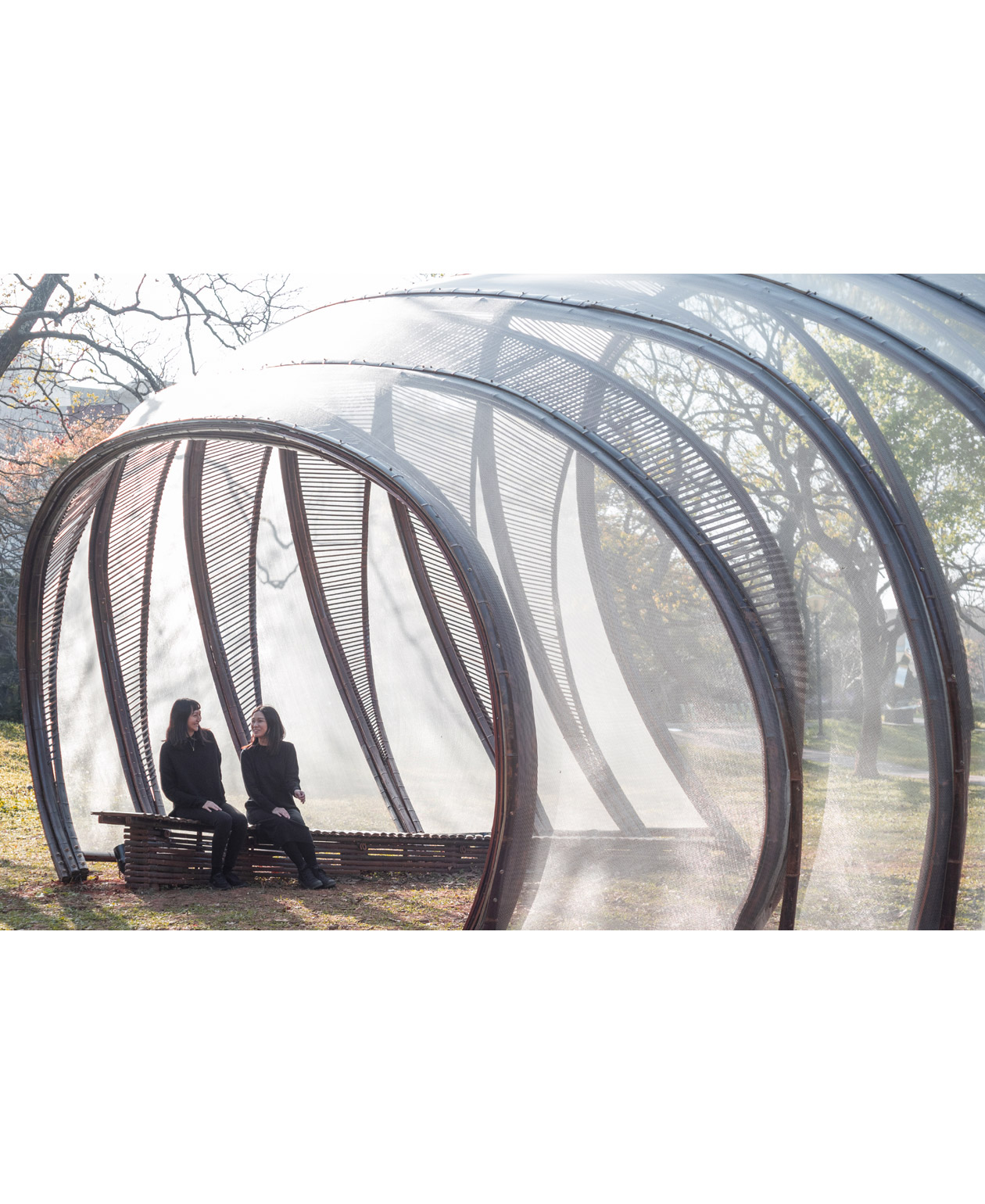
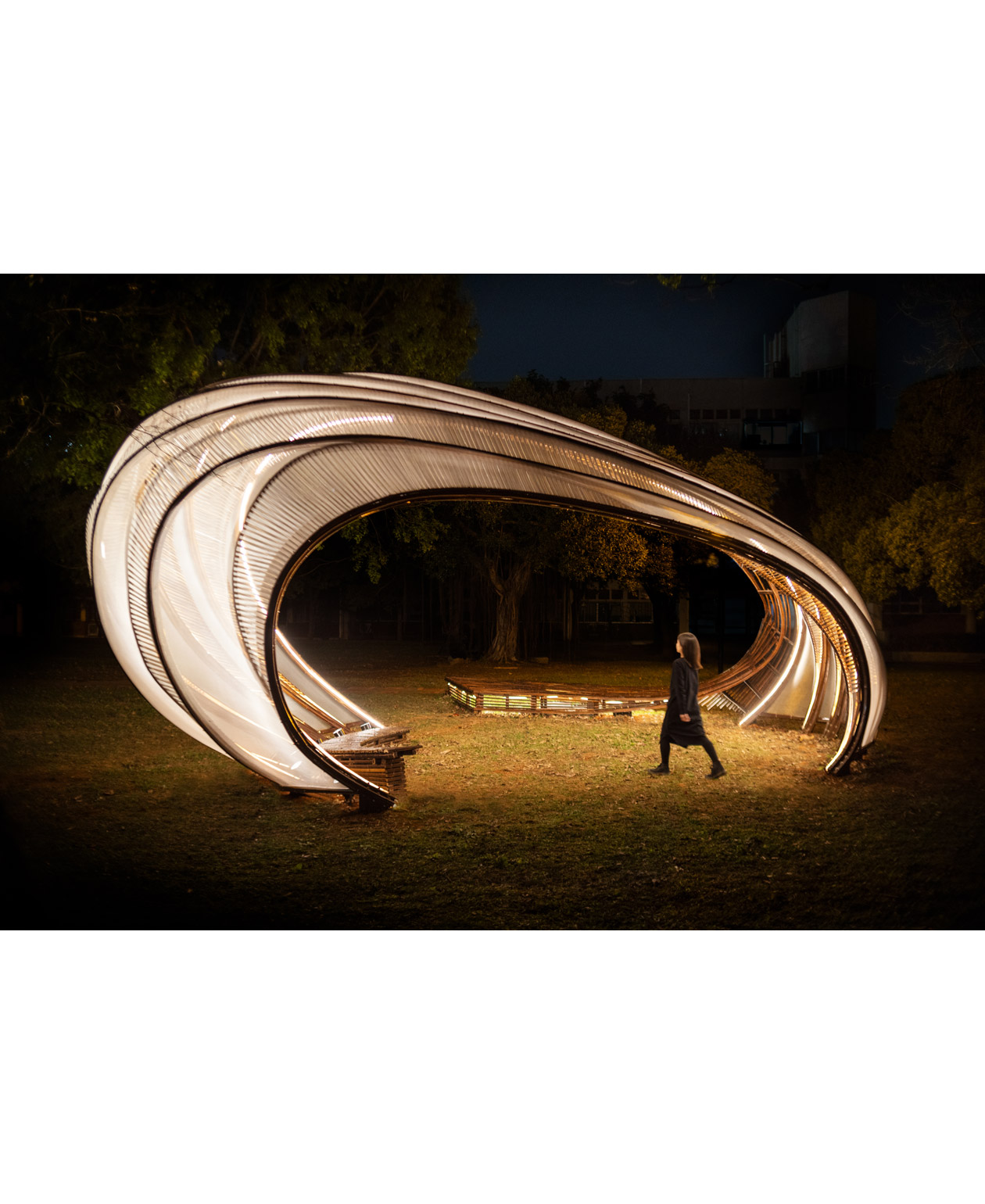
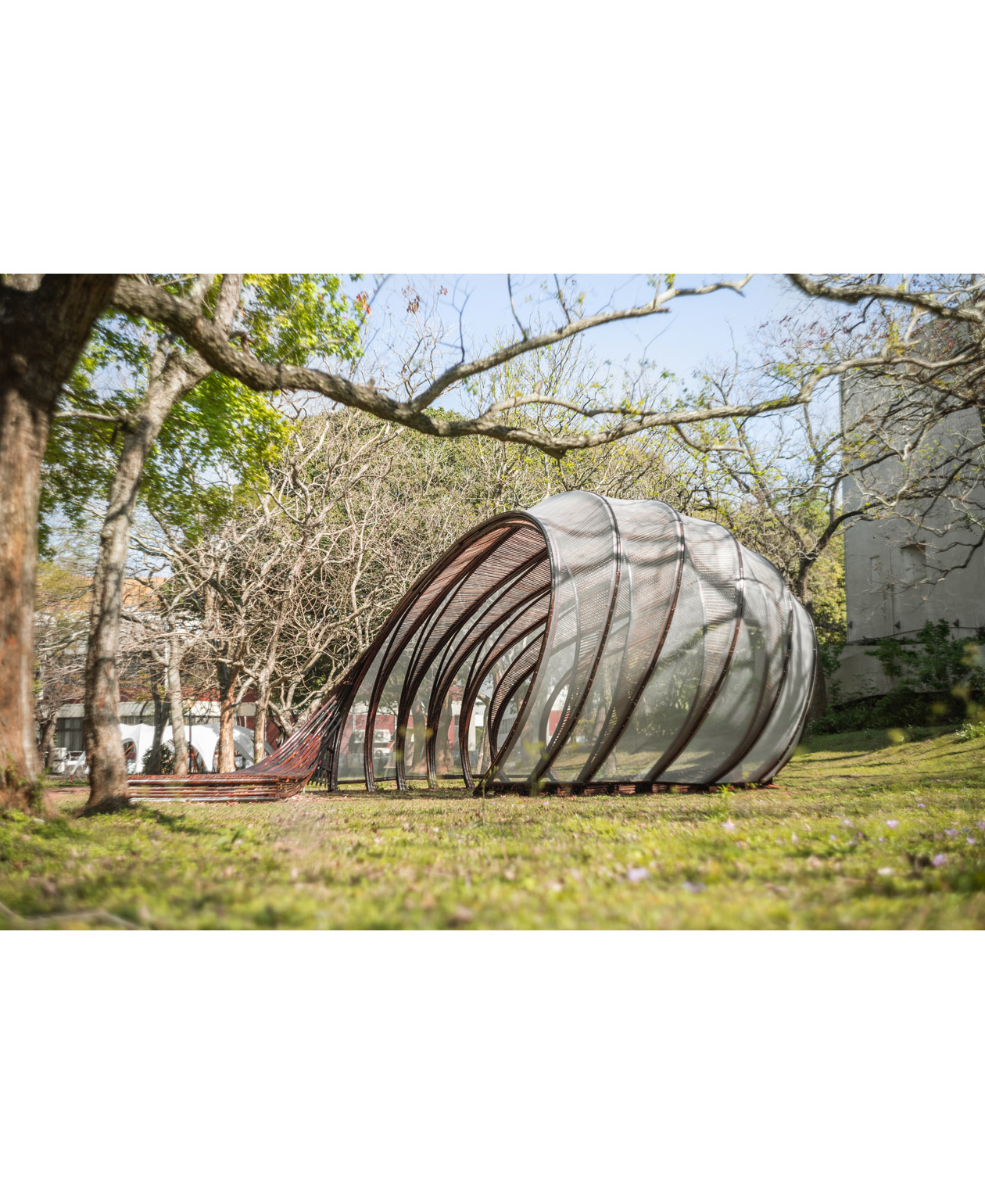
Despite its environmental advantages, bamboo has rarely been trusted in contemporary architectural and spatial design due to its natural irregularity, limited precision, and association with traditional craftsmanship. The Rolling Pavilion challenges this perception by embracing bamboo's natural flexibility and guiding its wild character rather than concealing it. Through digital fabrication, split bamboo construction, and a precise assembly system, the project transforms raw bamboo into smooth, continuous curves. Instead of forcing bamboo to imitate industrial materials, the design embraces its flexibility while making it predictable and reliable for designers and builders. Through this, visitors experience bamboo in an entirely new way—not as a temporary or rustic material, but as a contemporary, elegant, and trustworthy building material. By connecting natural material characteristics with innovative construction methods, and combining digital technology with local craftsmanship, it expands the possibilities of sustainable architecture and presents a new way to apply underutilized local natural resources to contemporary architecture.
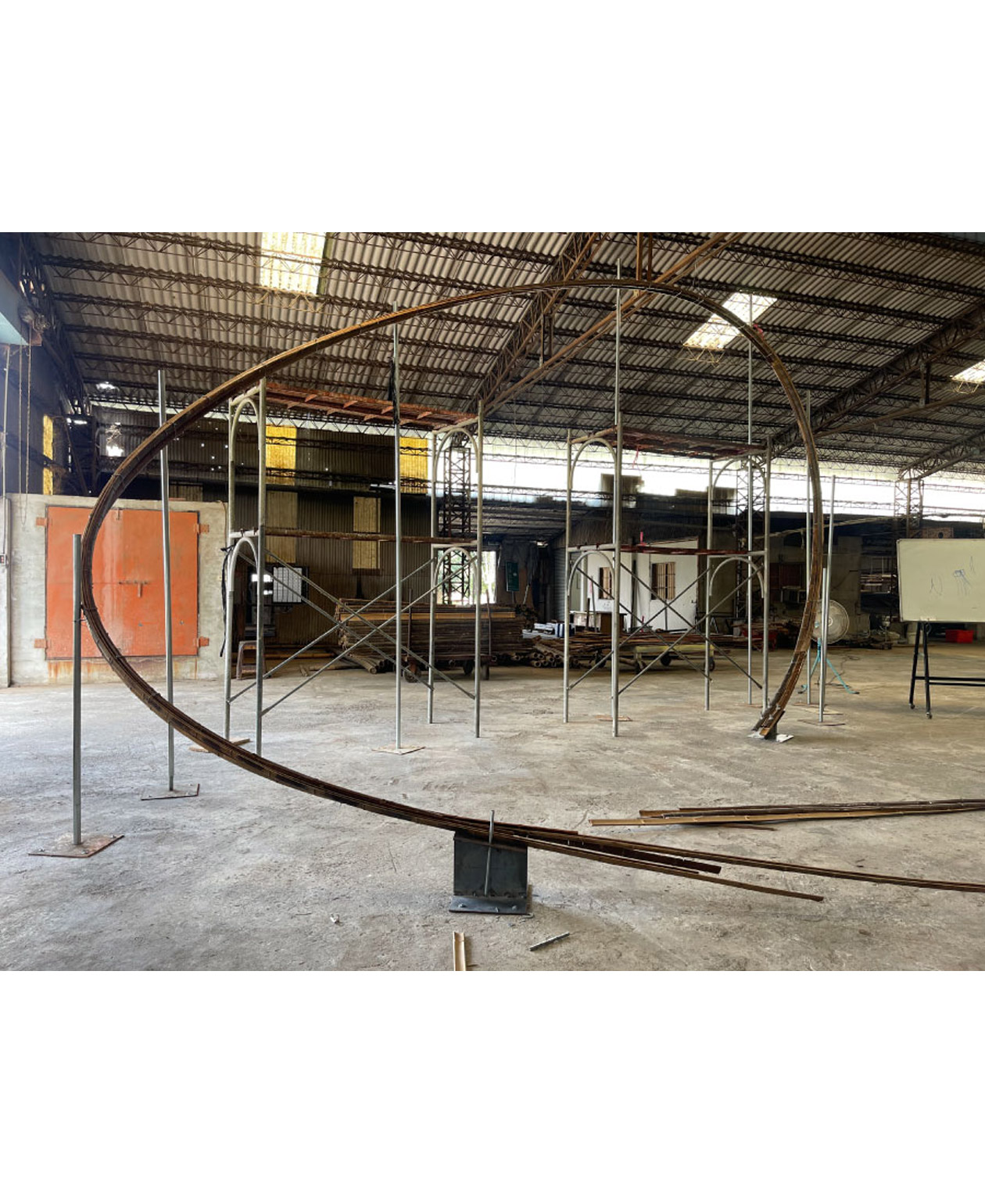
The Rolling Pavilion reimagines bamboo as a precise architectural system rather than a traditional building material. To overcome the limitations of bending whole bamboo, the project developed a split bamboo construction method that enables controlled three-ending curves. Seven laminated layers of split Moso bamboo were pre-arched to create a stable, lightweight structure while preserving the material's natural flexibility. Combined with digital fabrication and precise assembly, the system transforms an irregular natural material into a reliable construction method. Rather than eliminating irregularities, the core design approach controls them through splitting and laminating techniques to achieve precise curved structures, demonstrating how bamboo can achieve contemporary aesthetics with architectural precision.
The Rolling Pavilion reshapes public perceptions of bamboo by demonstrating that a locally abundant, renewable material can achieve contemporary beauty and architectural precision. It inspires designers, especially younger generations, to boldly experiment with bamboo, expanding its role in everyday architecture and advancing sustainable design. By connecting traditional materials with digital fabrication, it also shows the possibility of evolving local materials and skills into a contemporary architectural language.
The Rolling Pavilion presents a scalable model where digital fabrication unlocks the potential of locally available natural materials. This approach can be adapted to different regions and resources, showing the potential to transform local renewable resources into contemporary architecture with a unique identity. Through an approach that starts from the material's physical properties and develops manufacturing, structure, and form together, it proposes a method for utilizing local natural resources in sustainable architecture.