


Umbral Bajo El Batro Memory Infrastructure: Regenerating a neglected social housing square in Romeral through participatory design and the endangered local craft of Batro weaving


- Nationality
- Chile
- Individual
- José Muñoz
About Project
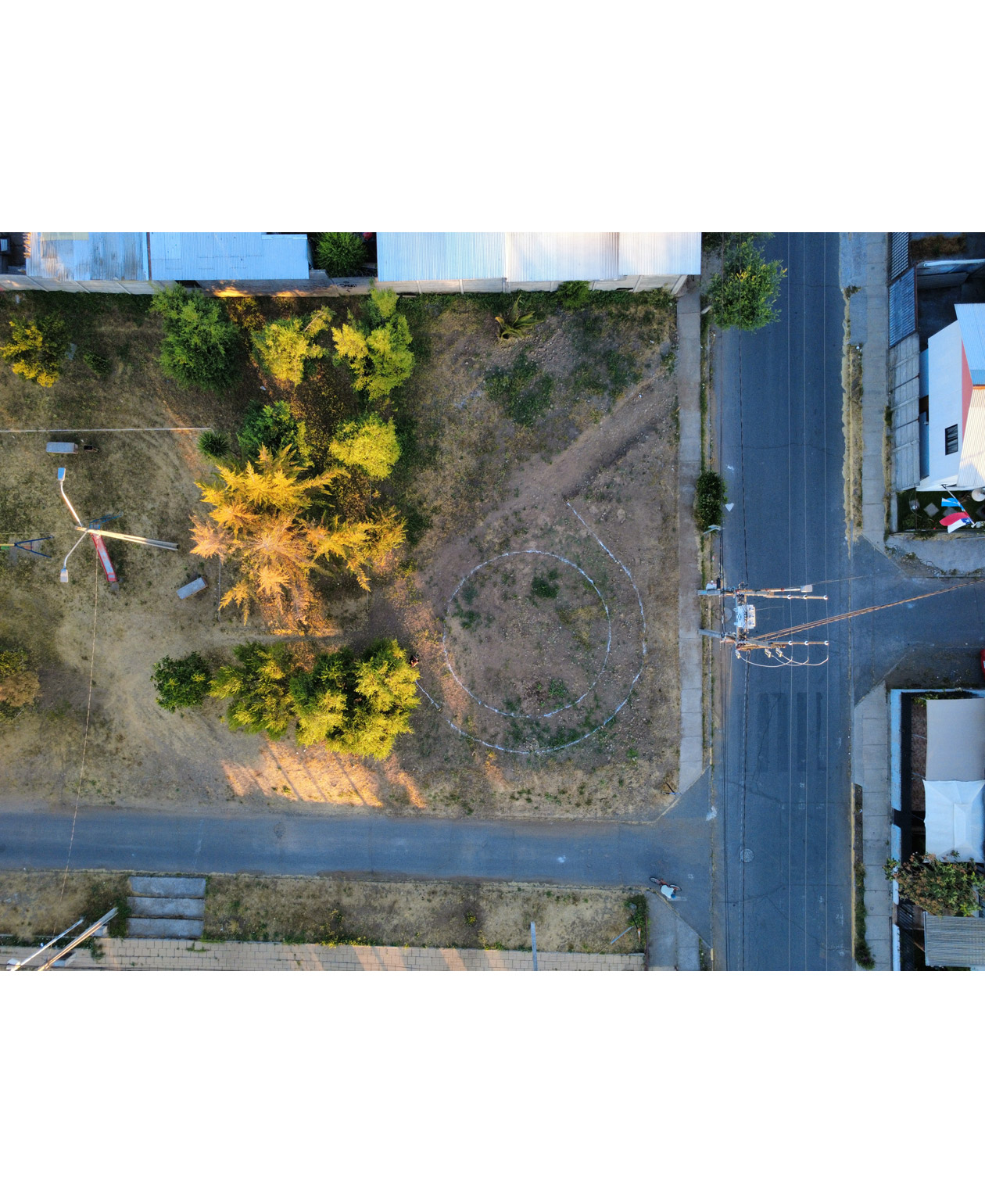
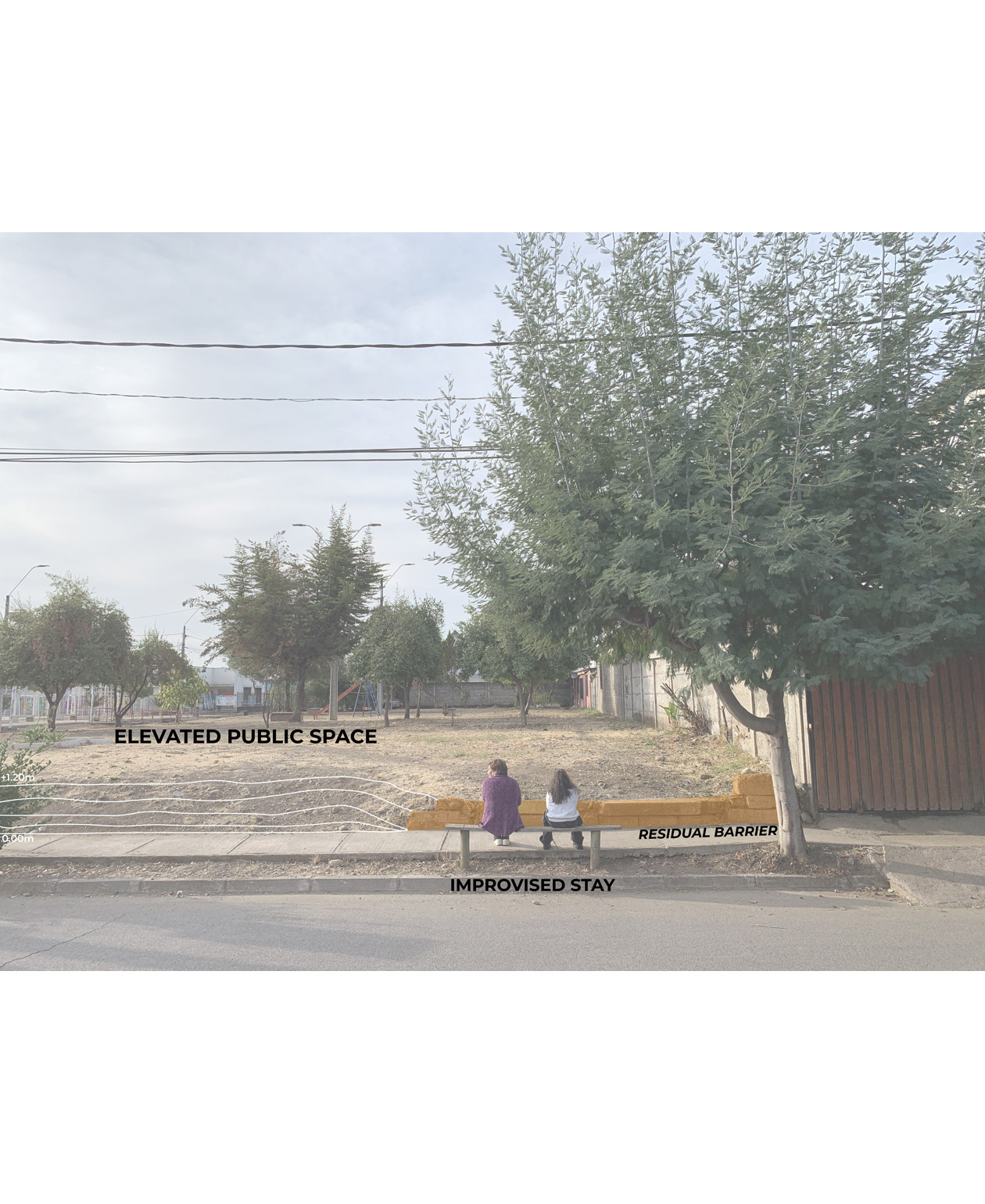
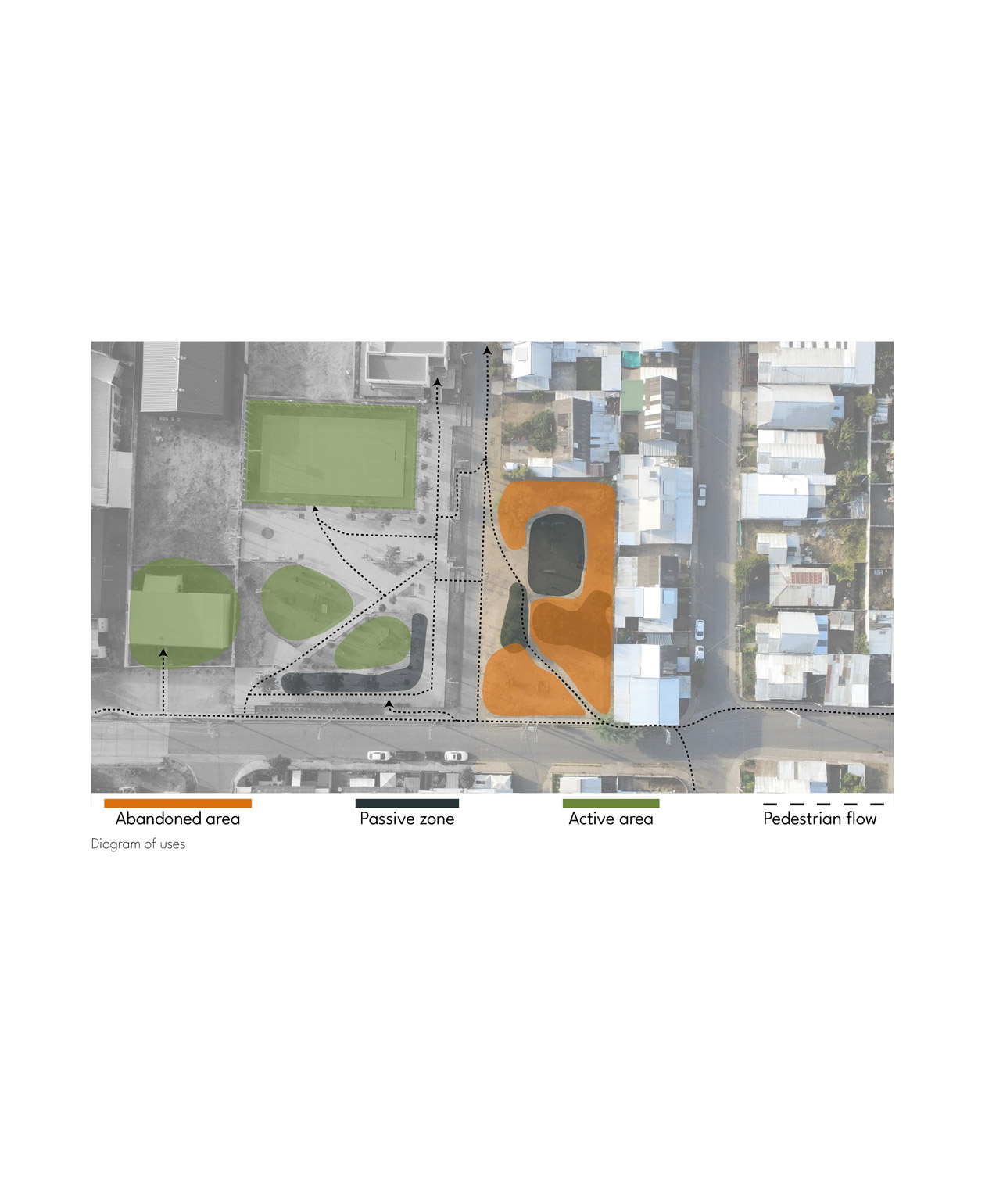
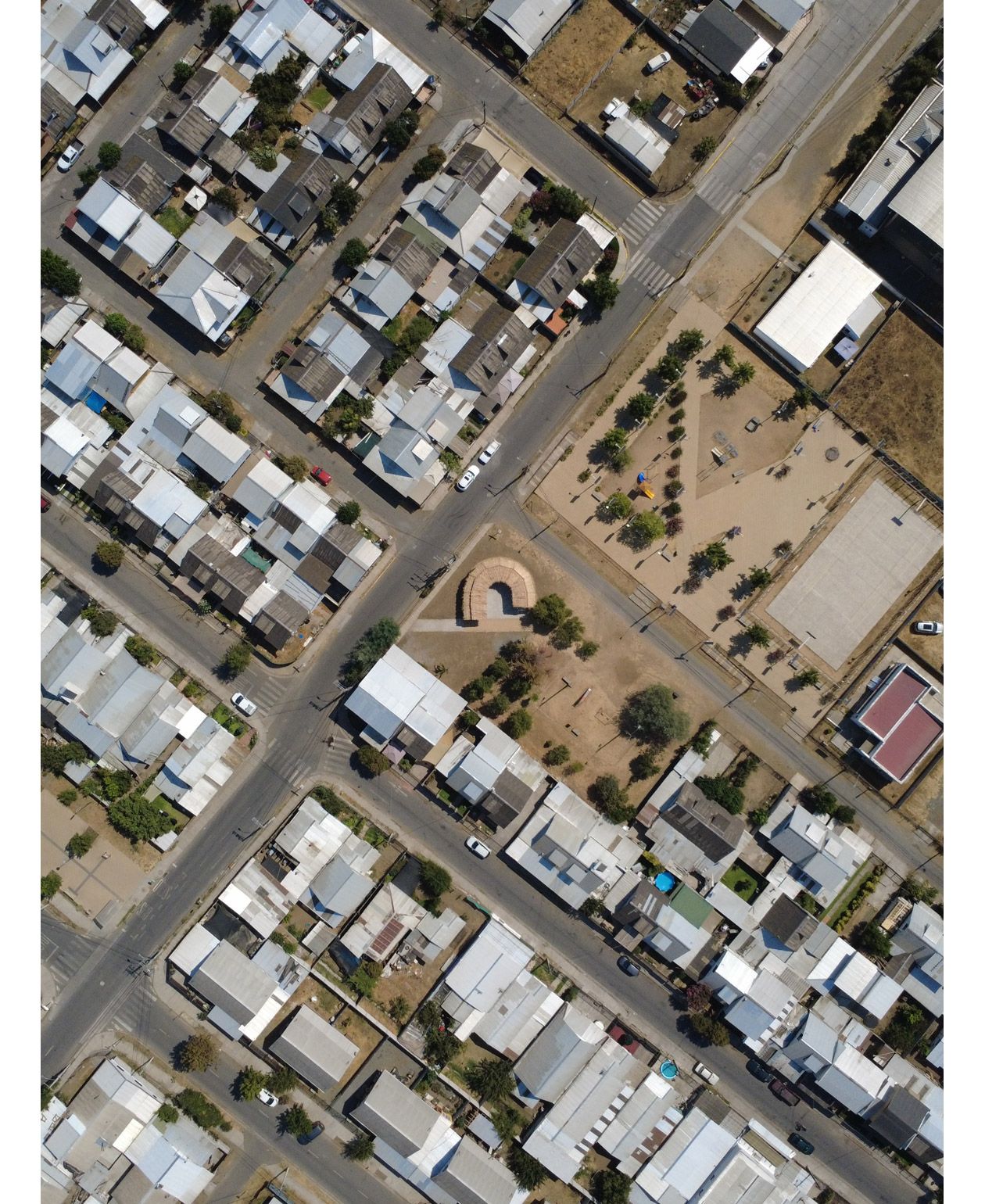
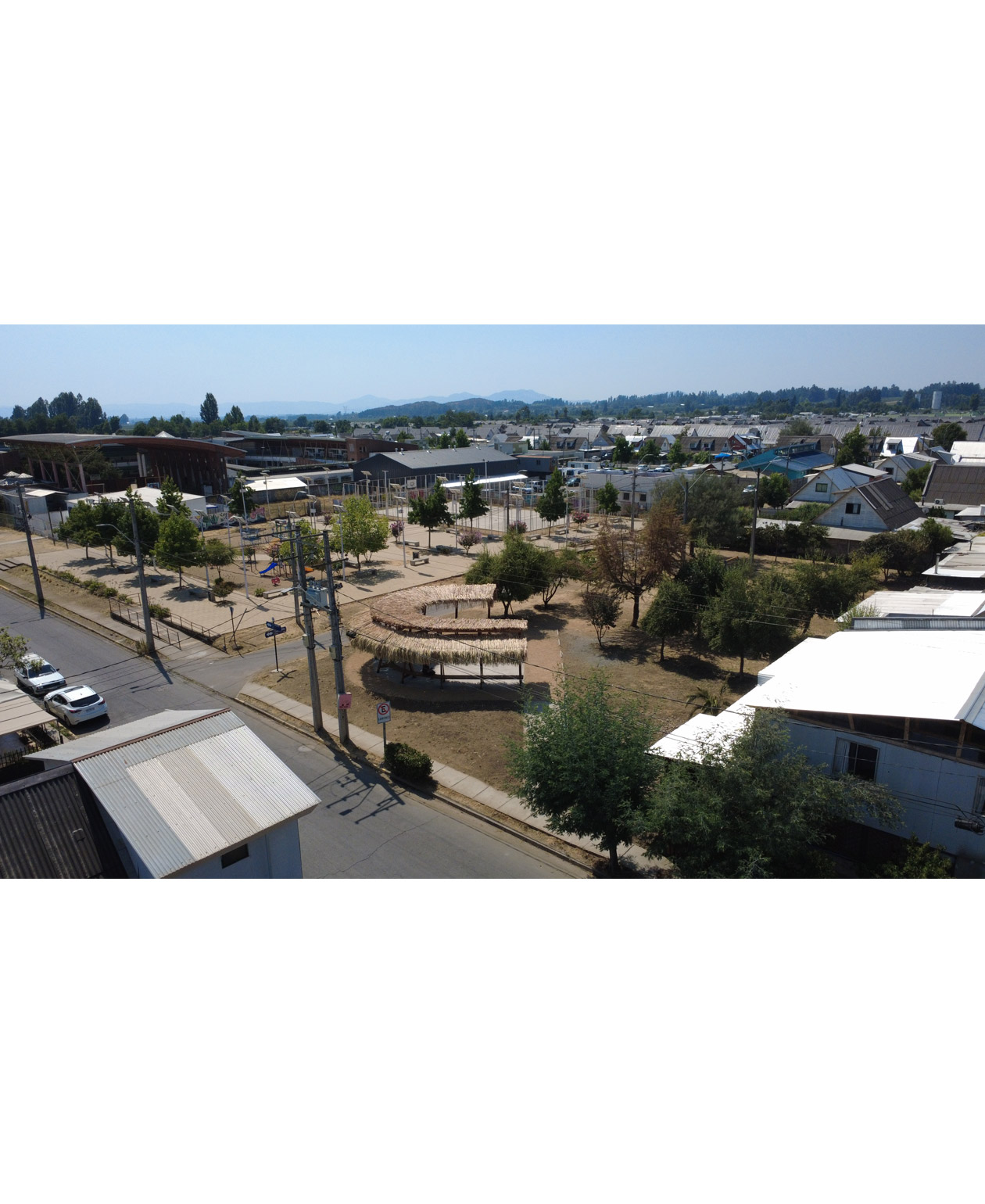
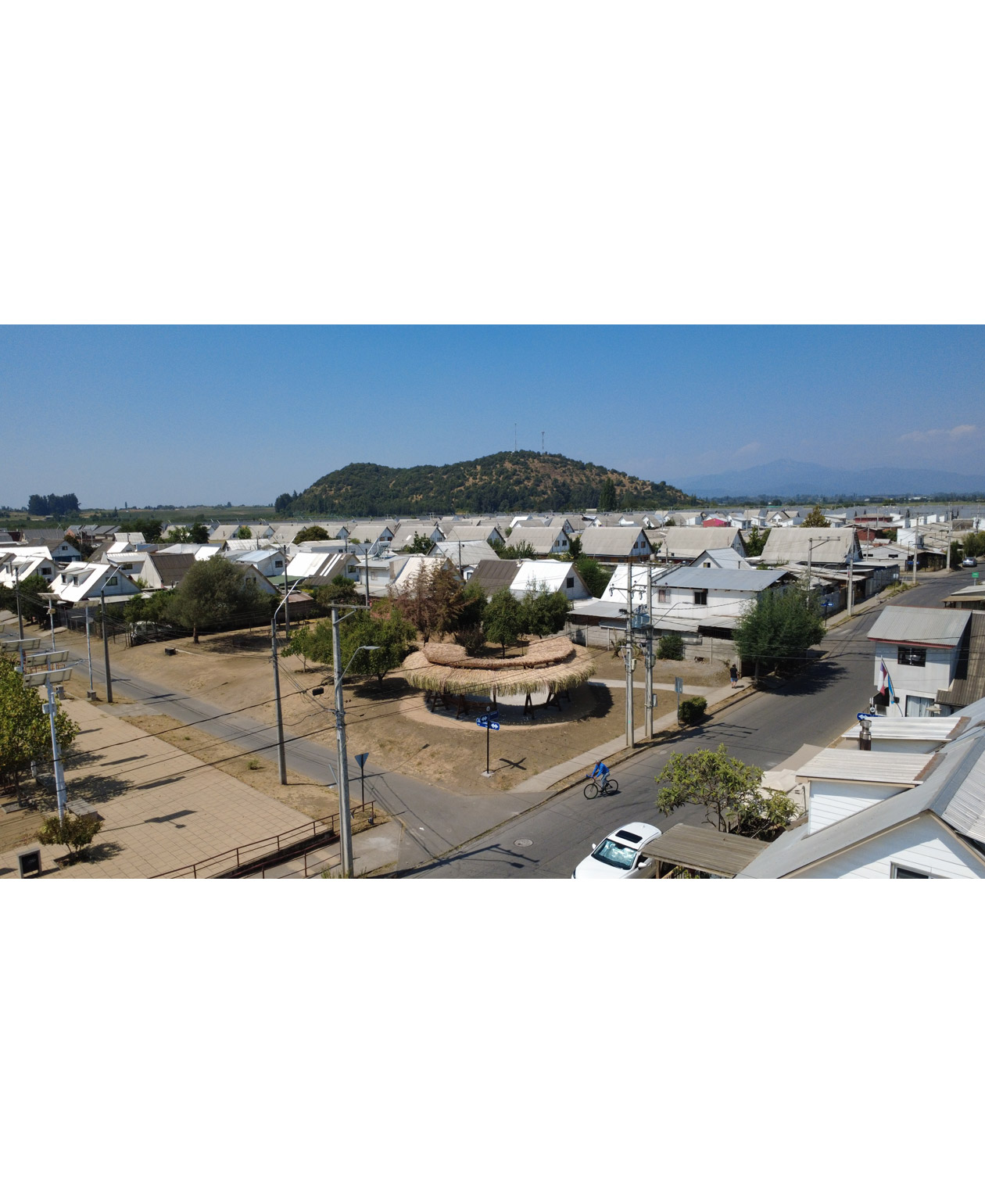
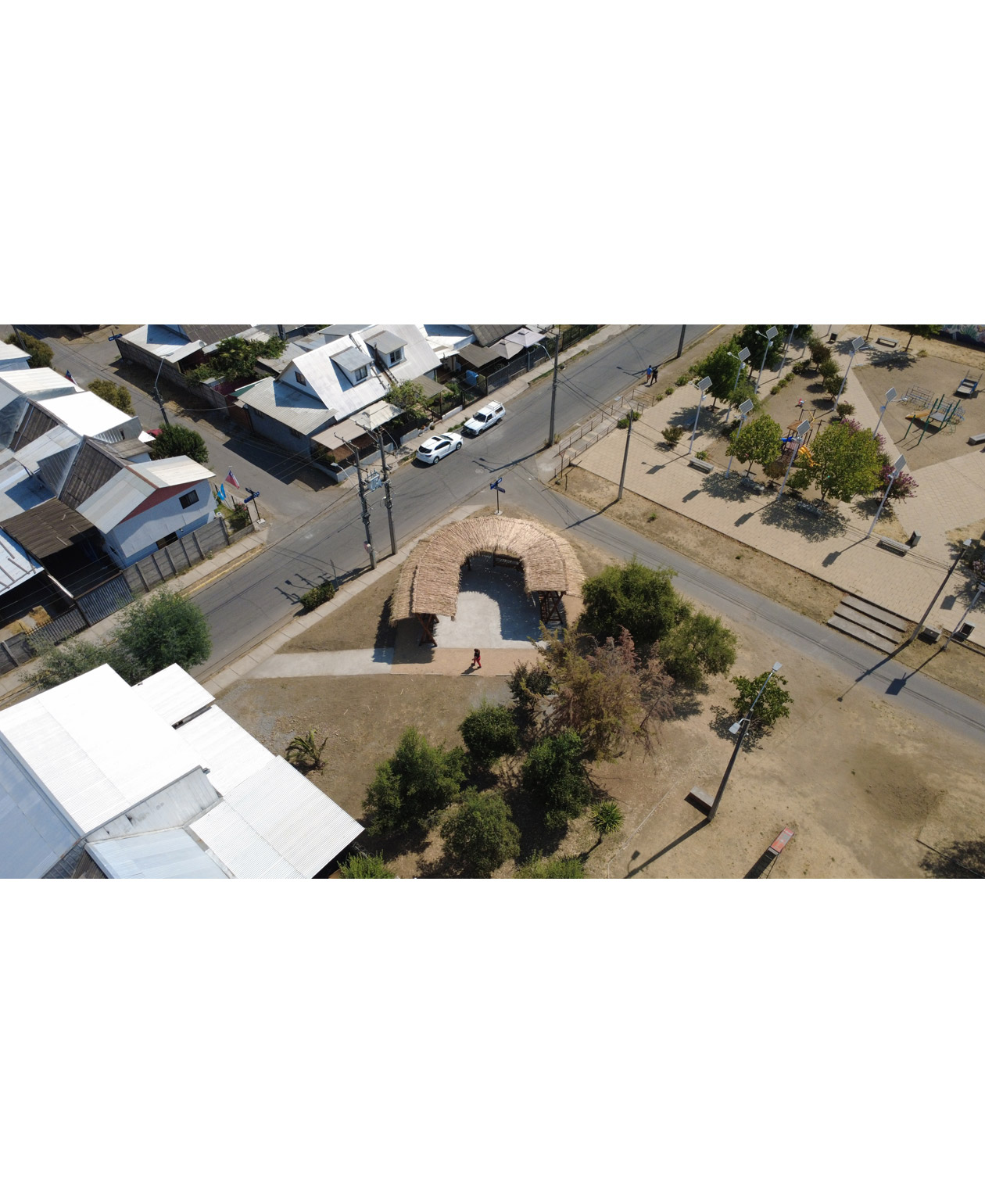
Umbral Bajo El Batro is a project that regenerated an abandoned square in “Villa Don Sebastián,” a social housing complex located in Romeral in the Central Valley of Chile, into a community space for residents. Romeral, which is rapidly changing from rural to urban, sees the expansion of the city over fertile land gradually weakening not only the natural environment but also local identity and a sense of community. The project started by reviving the complex's first square, which once had rich vegetation and symbolism but had long been abandoned and damaged, to create a space where residents' daily lives and the natural environment reconnect.
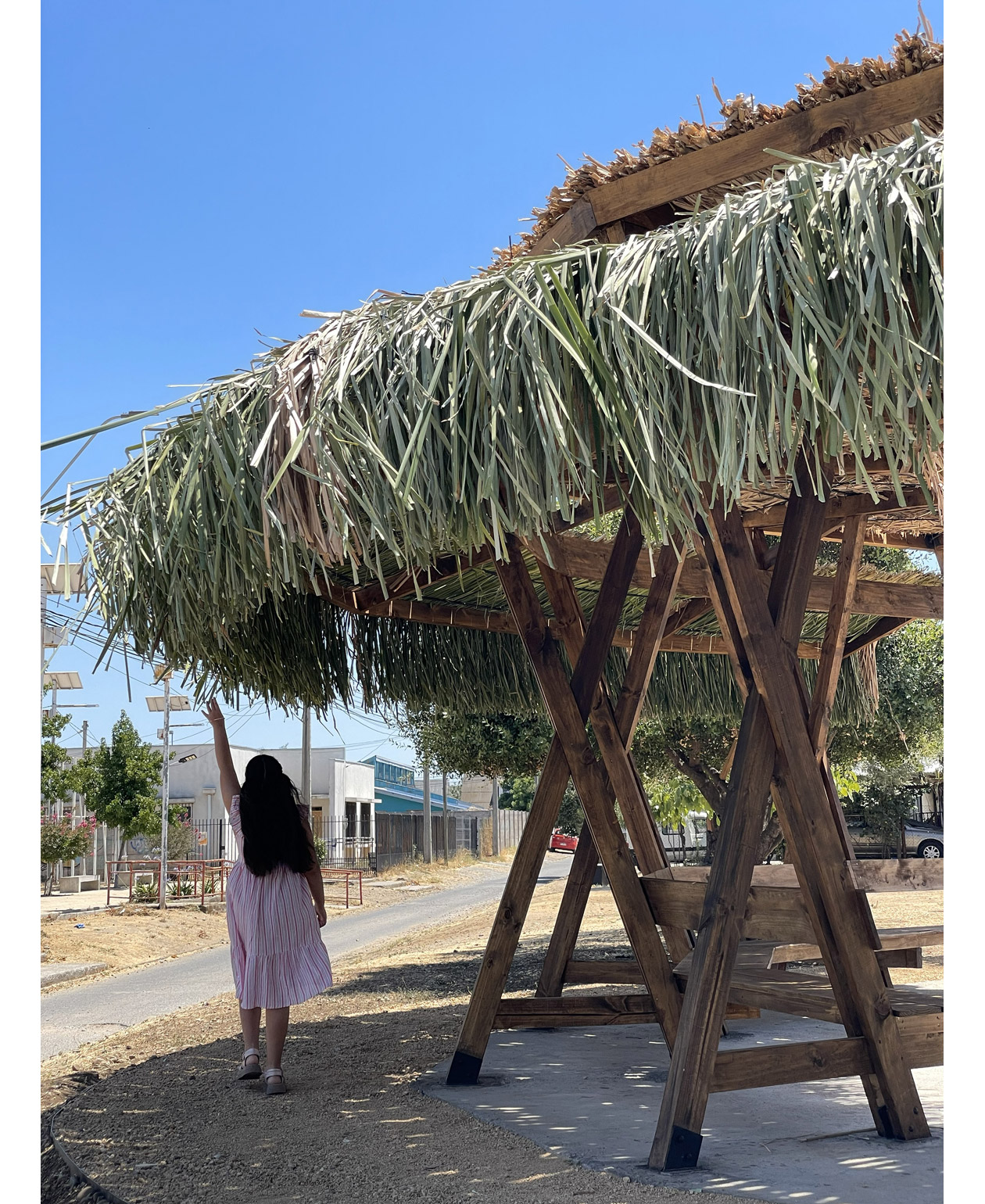
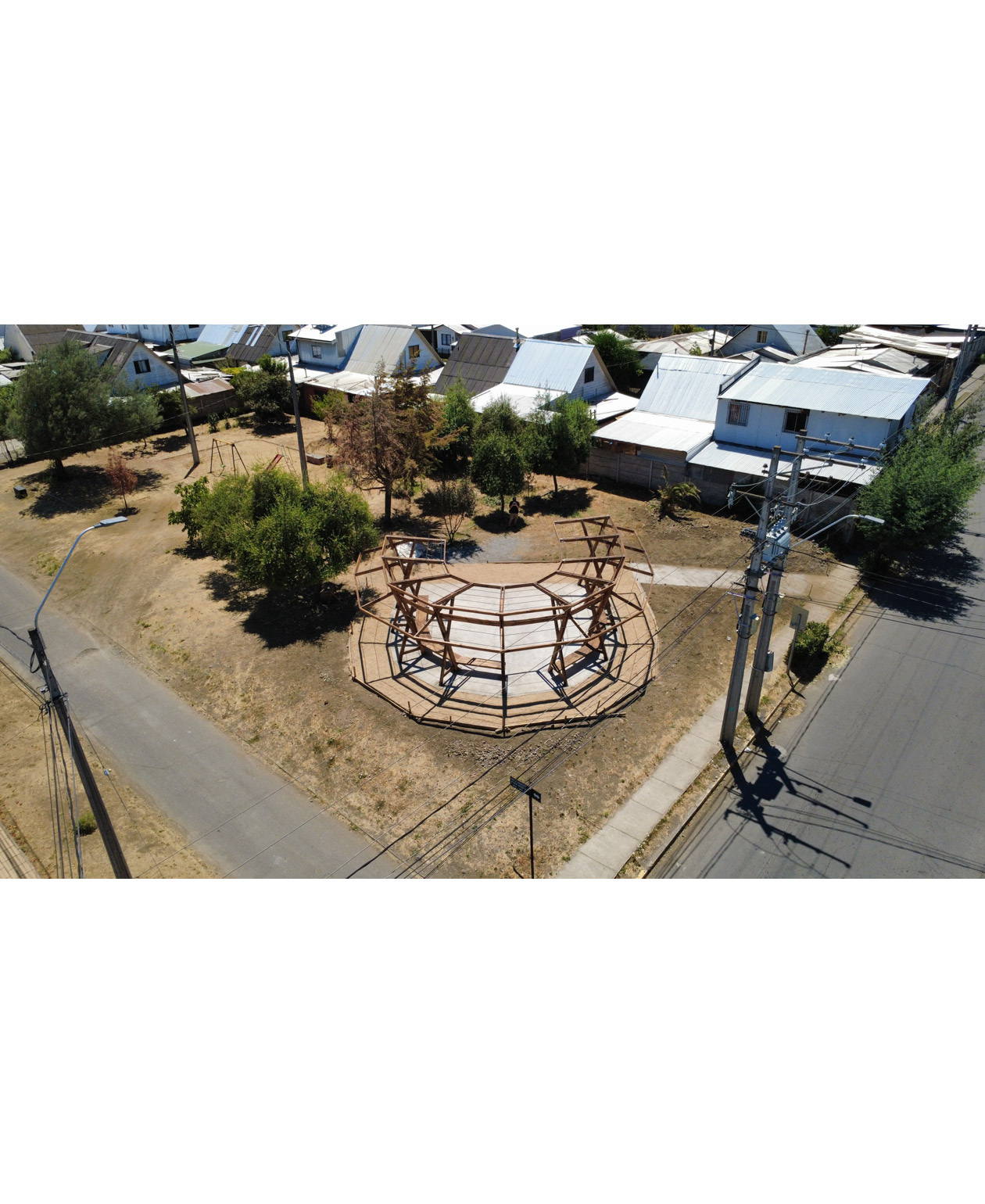
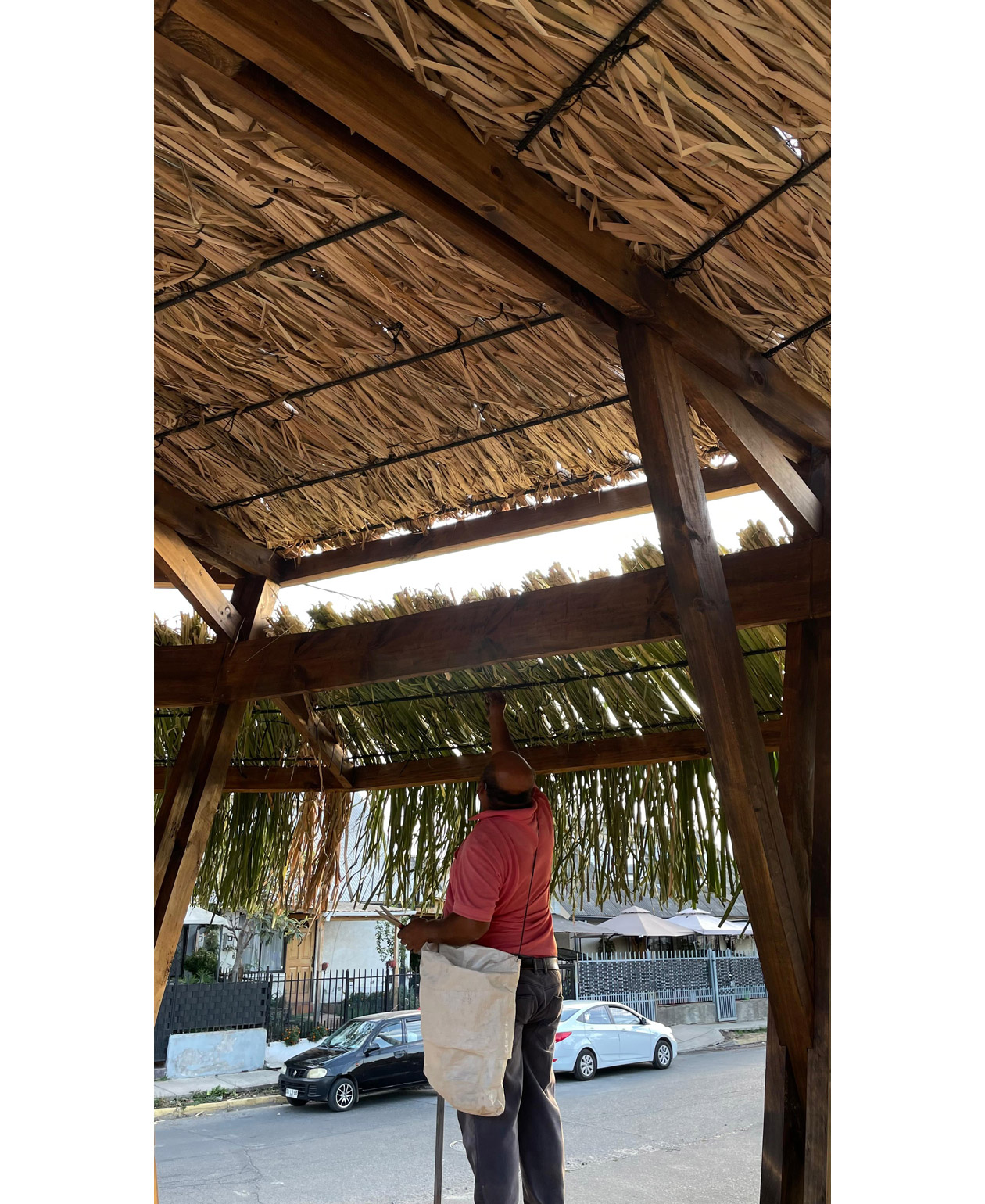
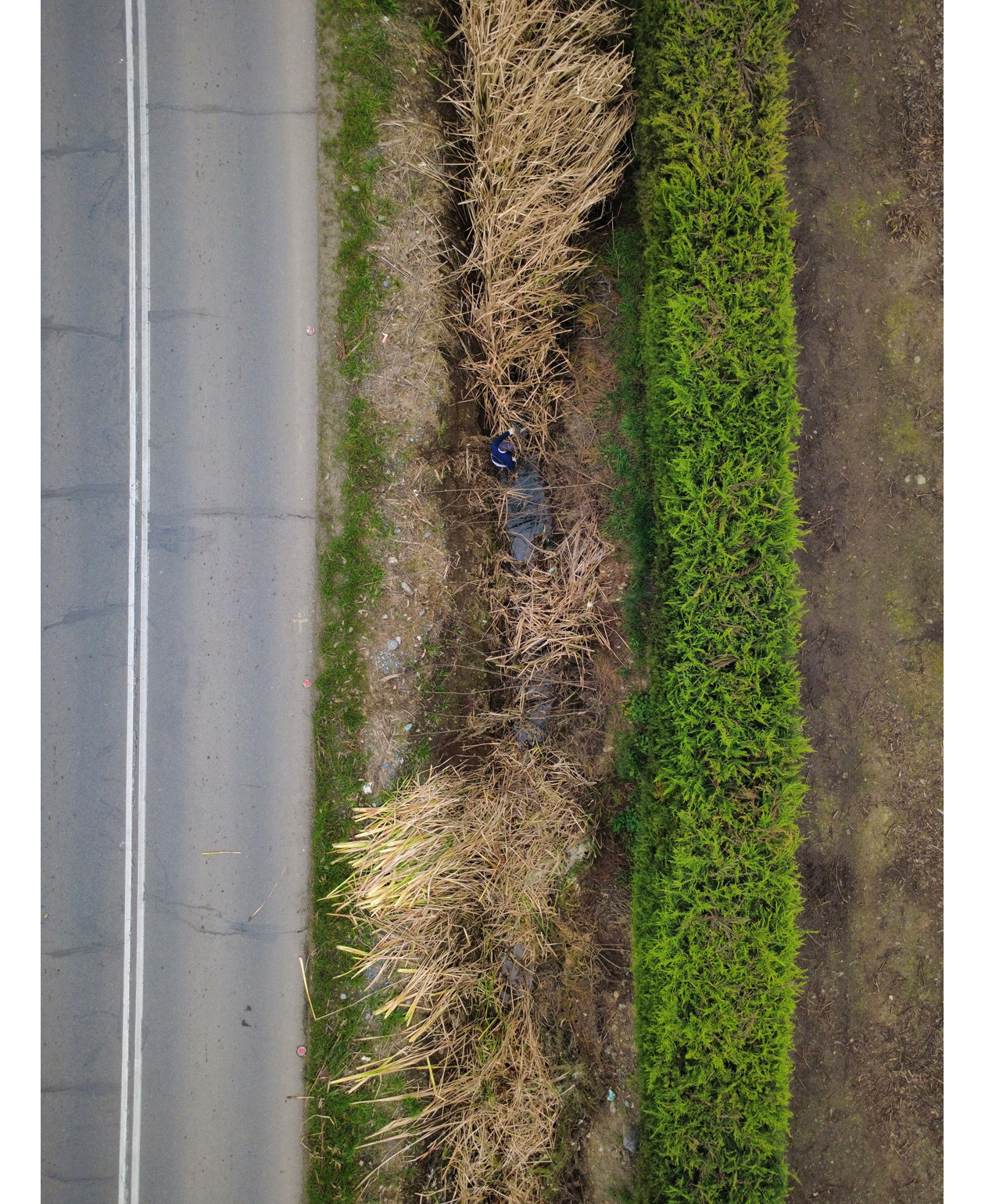
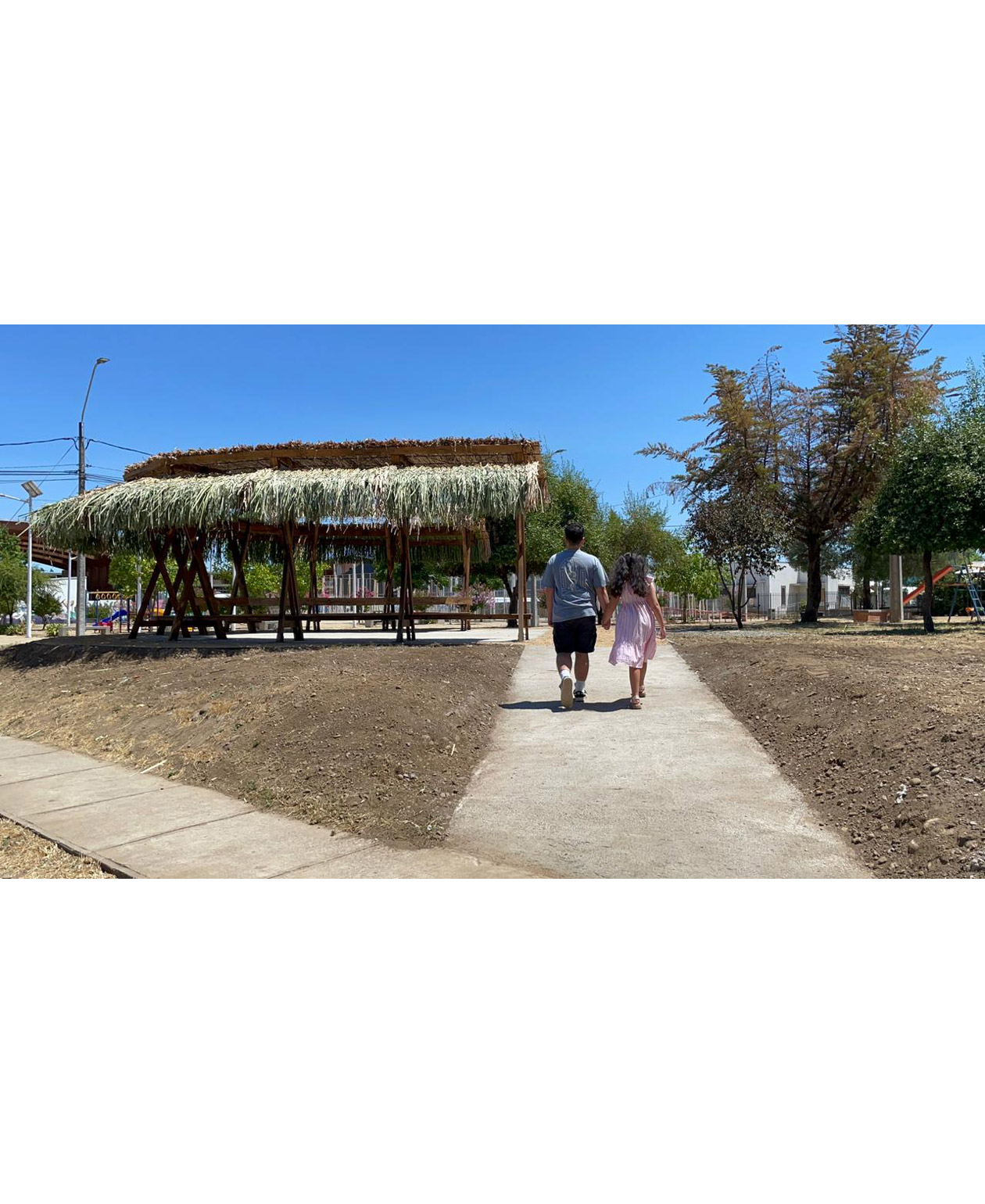
While preserving the existing topography and native vegetation as much as possible, the square, which was previously just a passing space, was transformed into a place where residents meet and linger. In particular, the traditional weaving technique of “Batro,” a local plant fiber on the verge of disappearing, was utilized to capture the region's agricultural culture and characteristics of the place in the space. The material selection, design, and the fabrication and construction process shared by residents served as an opportunity to revive traditional techniques while reconnecting relationships among residents. The shade created by natural vegetation and structures provides a pleasant resting space that residents can use daily.
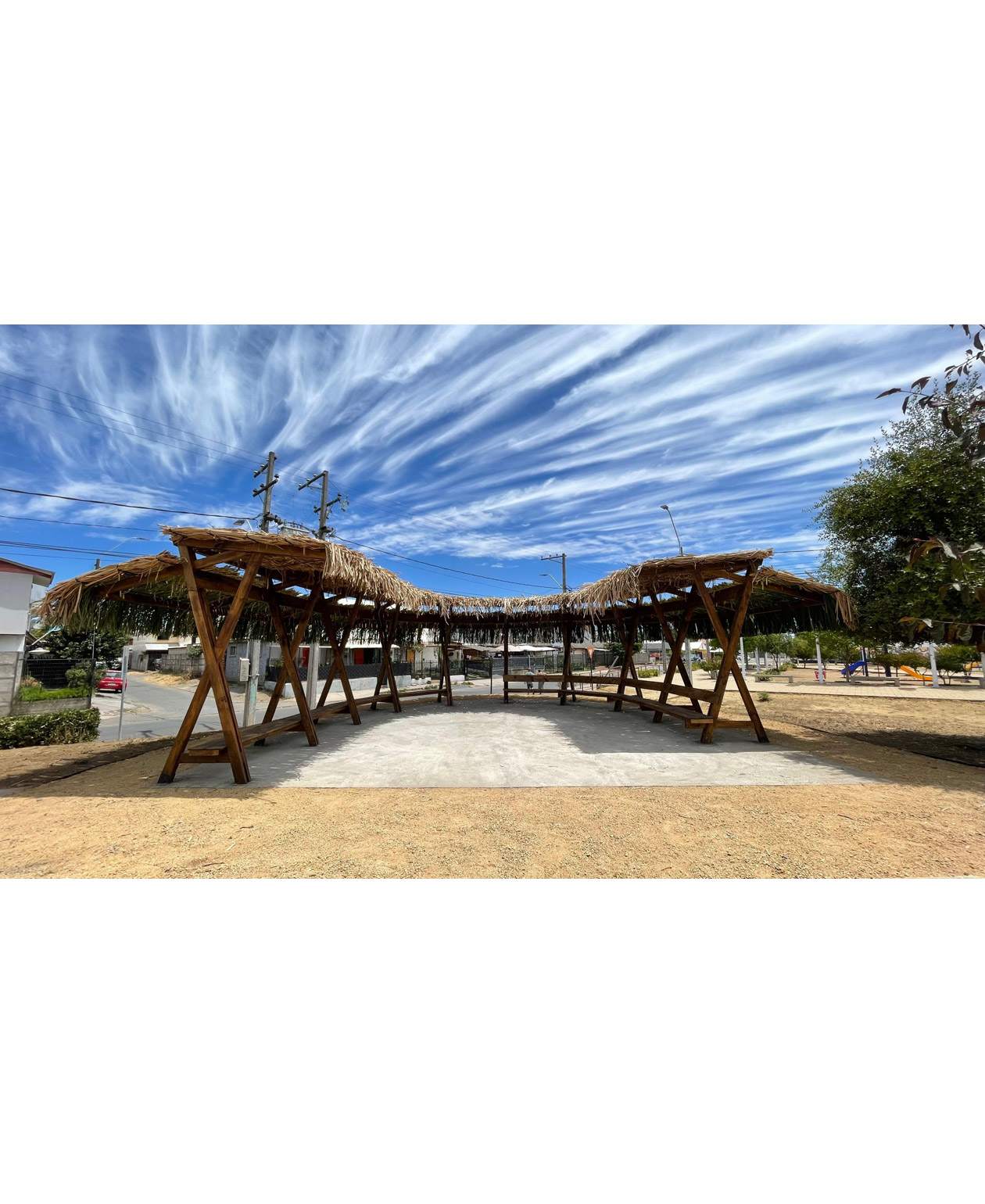
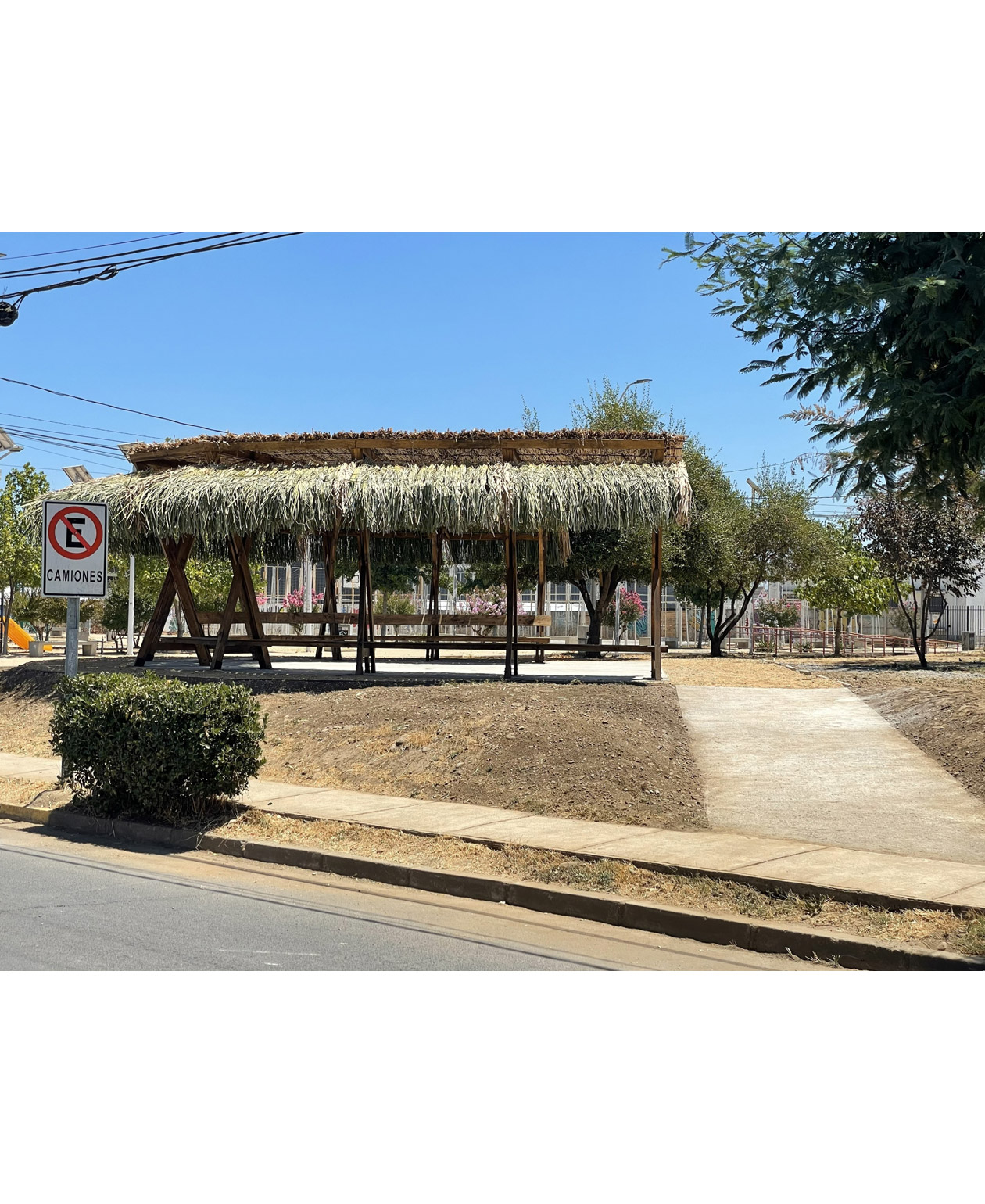
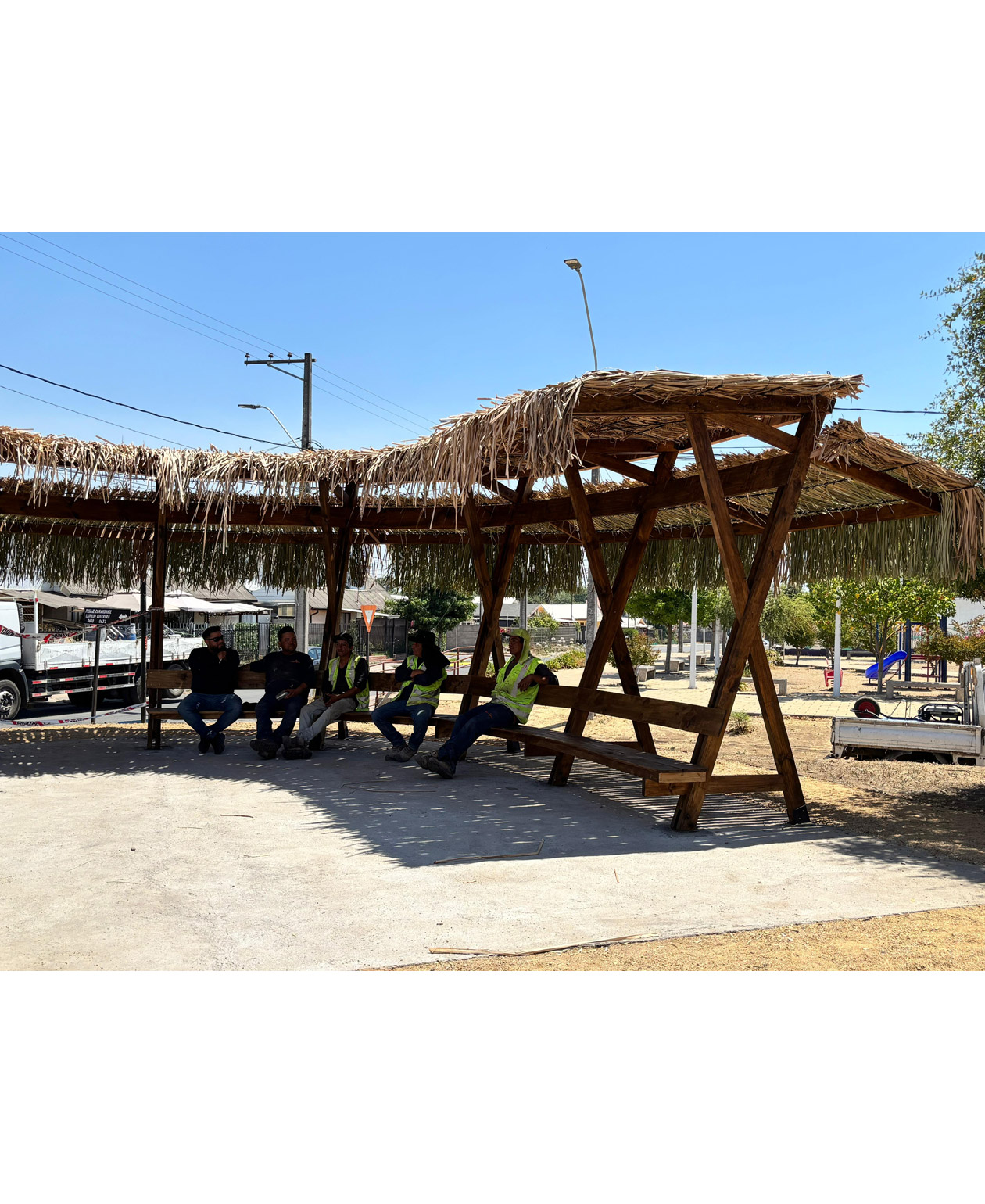
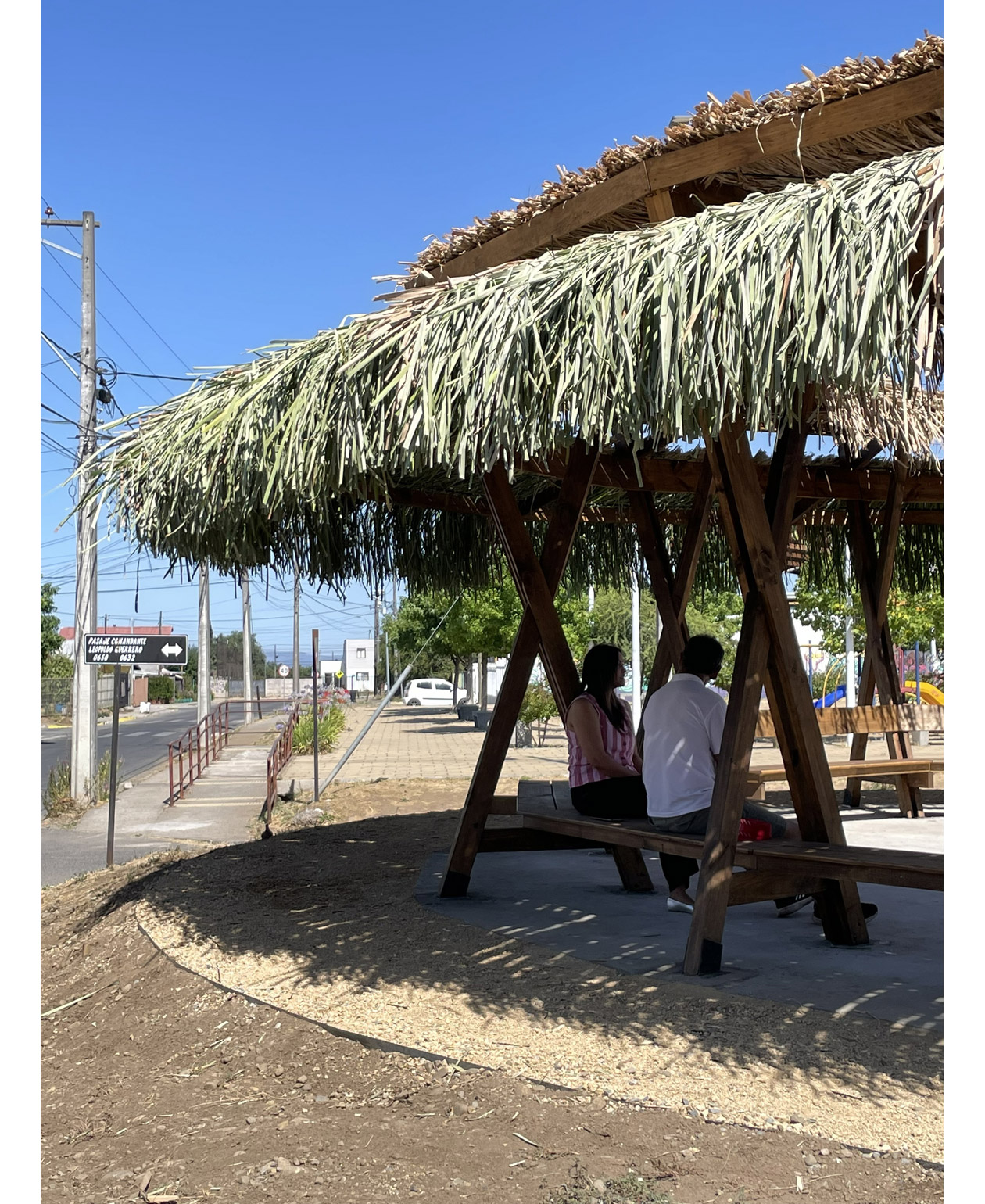
At the center of the space stands a plinth created by respecting the existing topography, a structure made of local wood, and a roof completed by weaving Batro. Instead of relying on industrial materials, locally available wood and plant fibers were used, and traditional weaving methods were applied to the structure of modern public spaces. The Batro roof is meaningful in that it responds to the climate by creating natural shade while utilizing crafting techniques passed down locally as a practical architectural method today.
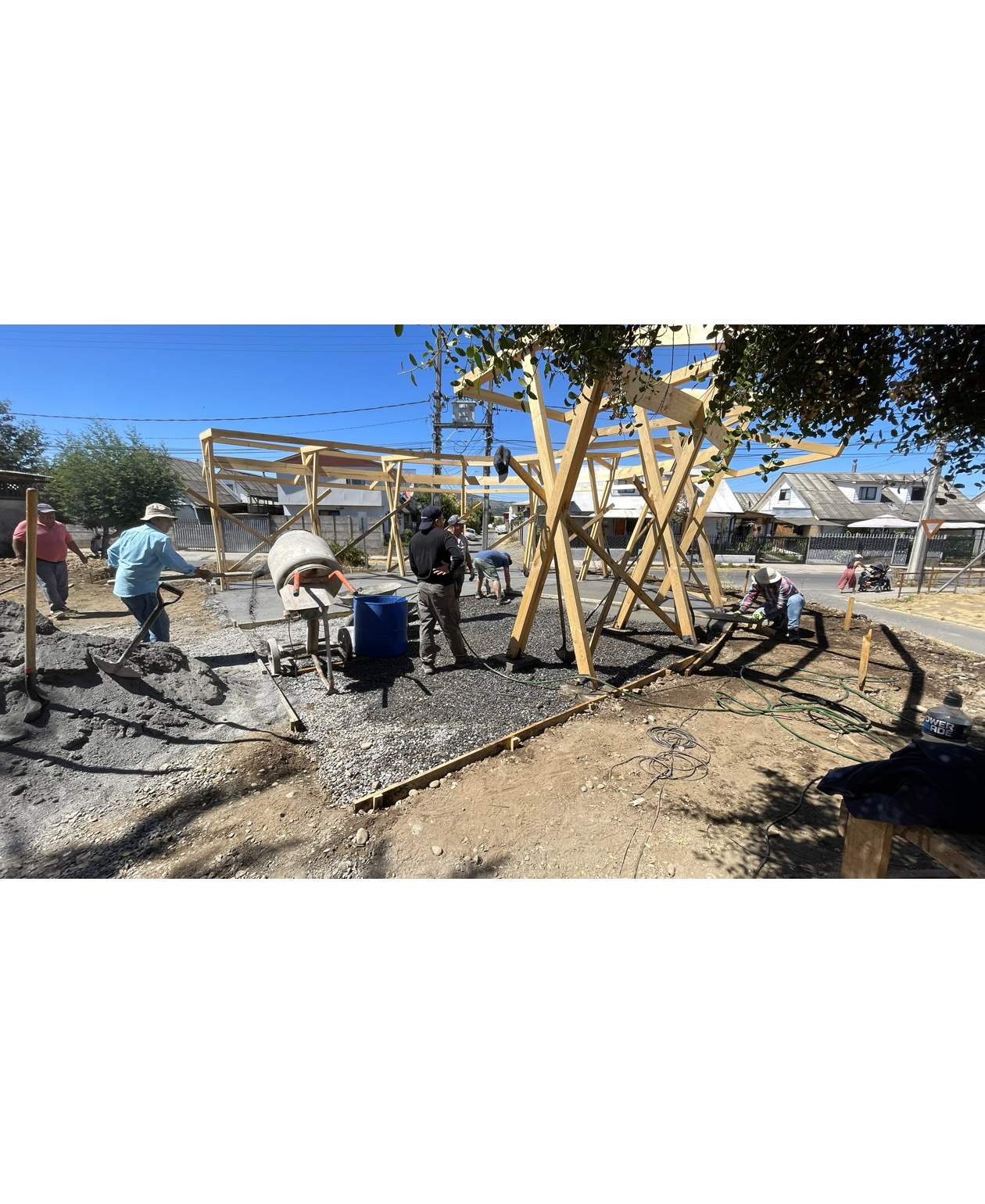
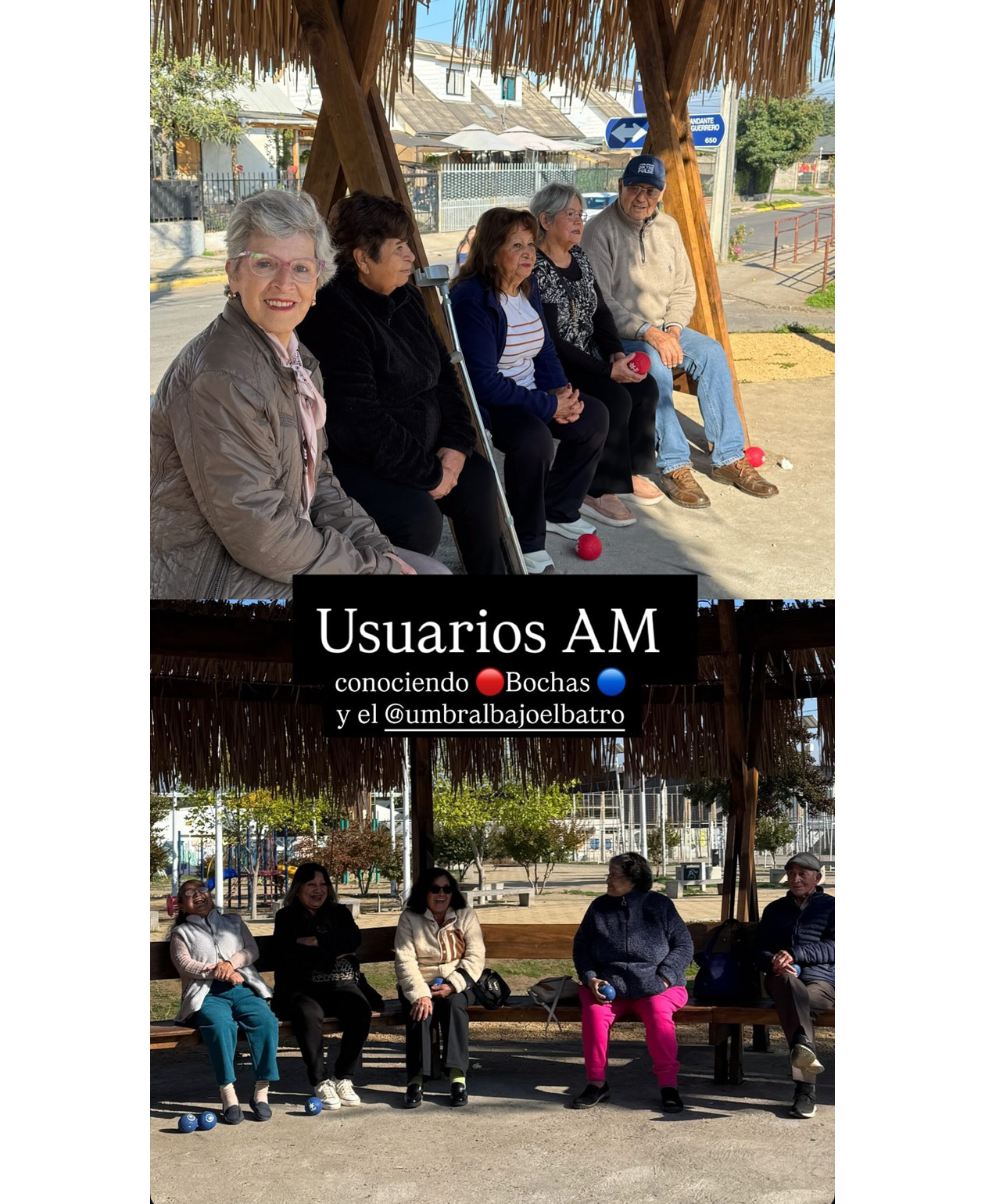
Resident participation is an important process in this project. In particular, elderly people from the local day care center revived the Batro weaving technique and directly participated in building the public space they will use. This process provided the elderly with an opportunity to share their skills and experience with the local community, contributing to enhancing their sense of belonging and self-esteem. In the completed square, diverse generations meet and enjoy play and rest together, leading to community activities where residents naturally use and care for the space.
Umbral Bajo El Batro revived abandoned public spaces by utilizing existing topography, vegetation, locally available materials, and traditional techniques instead of expensive industrial materials or large-scale development. In addition, it enabled residents, including the elderly, to directly participate in the process of creating the space, thereby succeeding local techniques and strengthening community relationships. This approach can be applied to other regions where regional identity and community are weakening due to urbanization, demonstrating the potential of sustainable urban renewal utilizing local environmental and cultural resources.