


RéNo by UPGREEN Vietnam A circular design project addressing plastic waste and endangered craft simultaneously by fusing recycled plastic substrates with traditional Vietnamese lacquer


- Nationality
- Viet Nam
- Group
- UPGREEN Vietnam
About Project
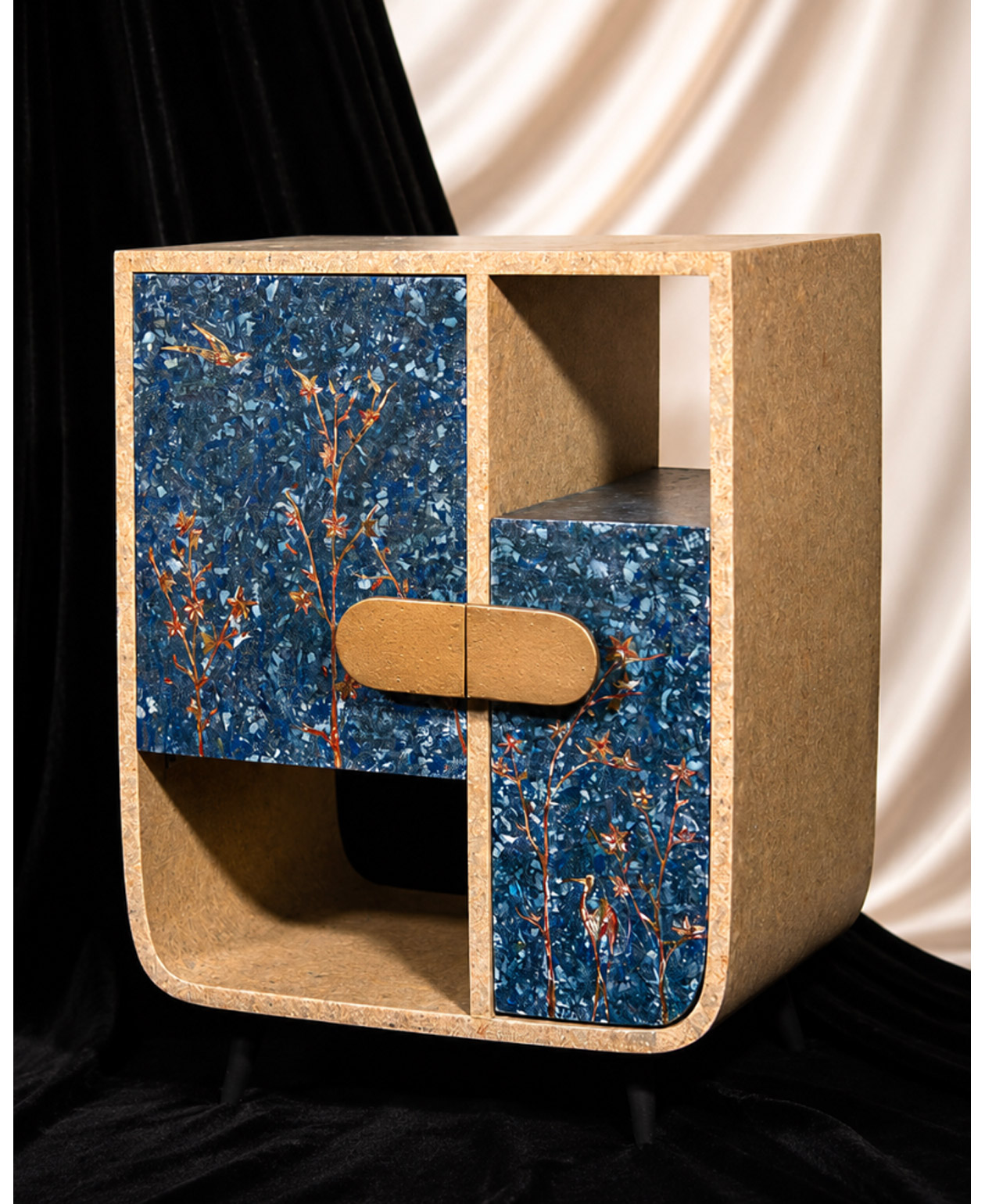
RéNo by UPGREEN Vietnam is a furniture collection that combines Vietnam's traditional lacquer craft, sơn mài, with post-consumer discarded plastic. By combining traditional craft and recycled materials, which were once considered difficult to match, into a single product, it addresses both the plastic waste problem and the issue of disappearing traditional crafts. The starting point of the design is connecting not only material recycling but also the characteristics of different materials and manufacturing methods into a single product language.
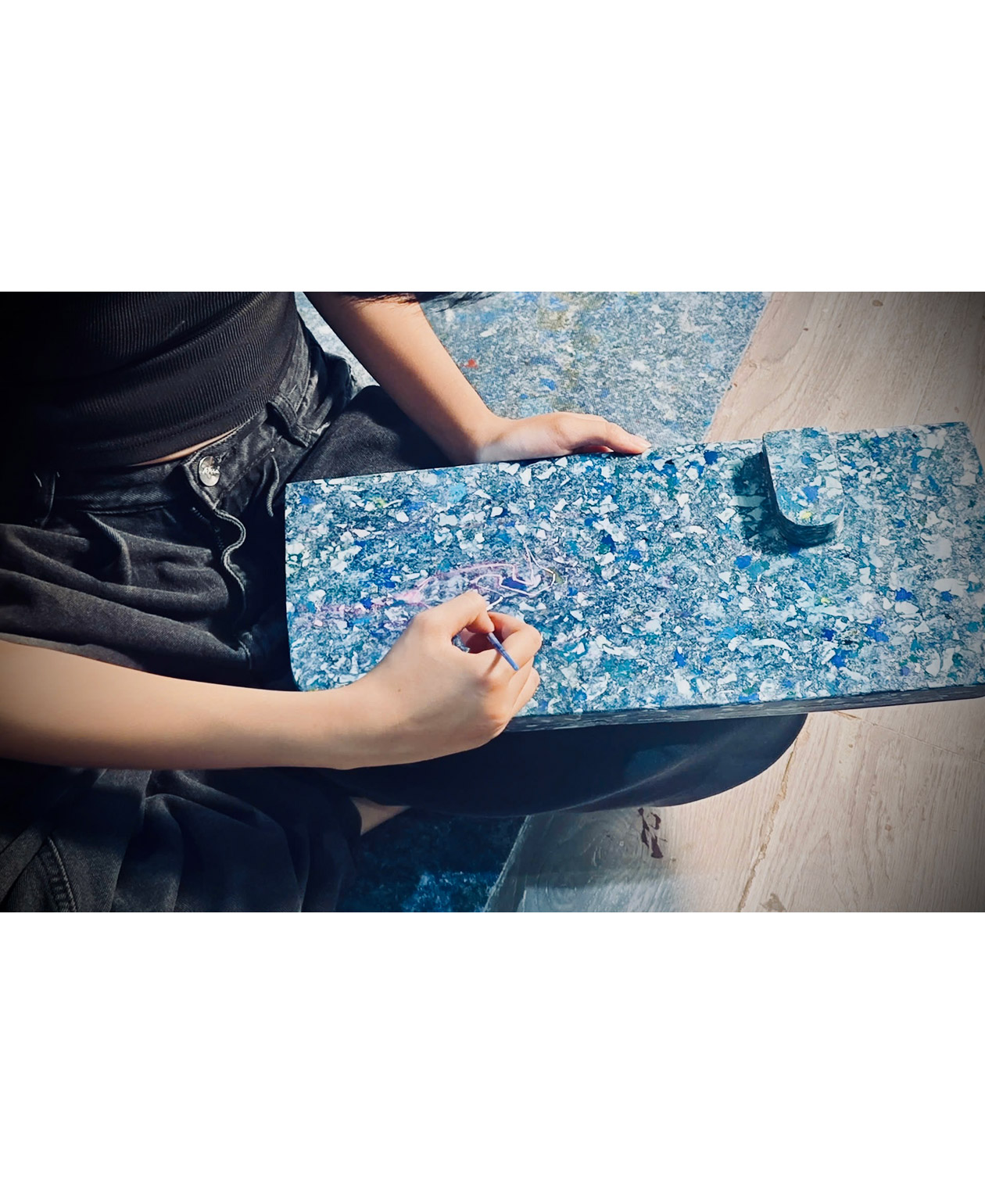
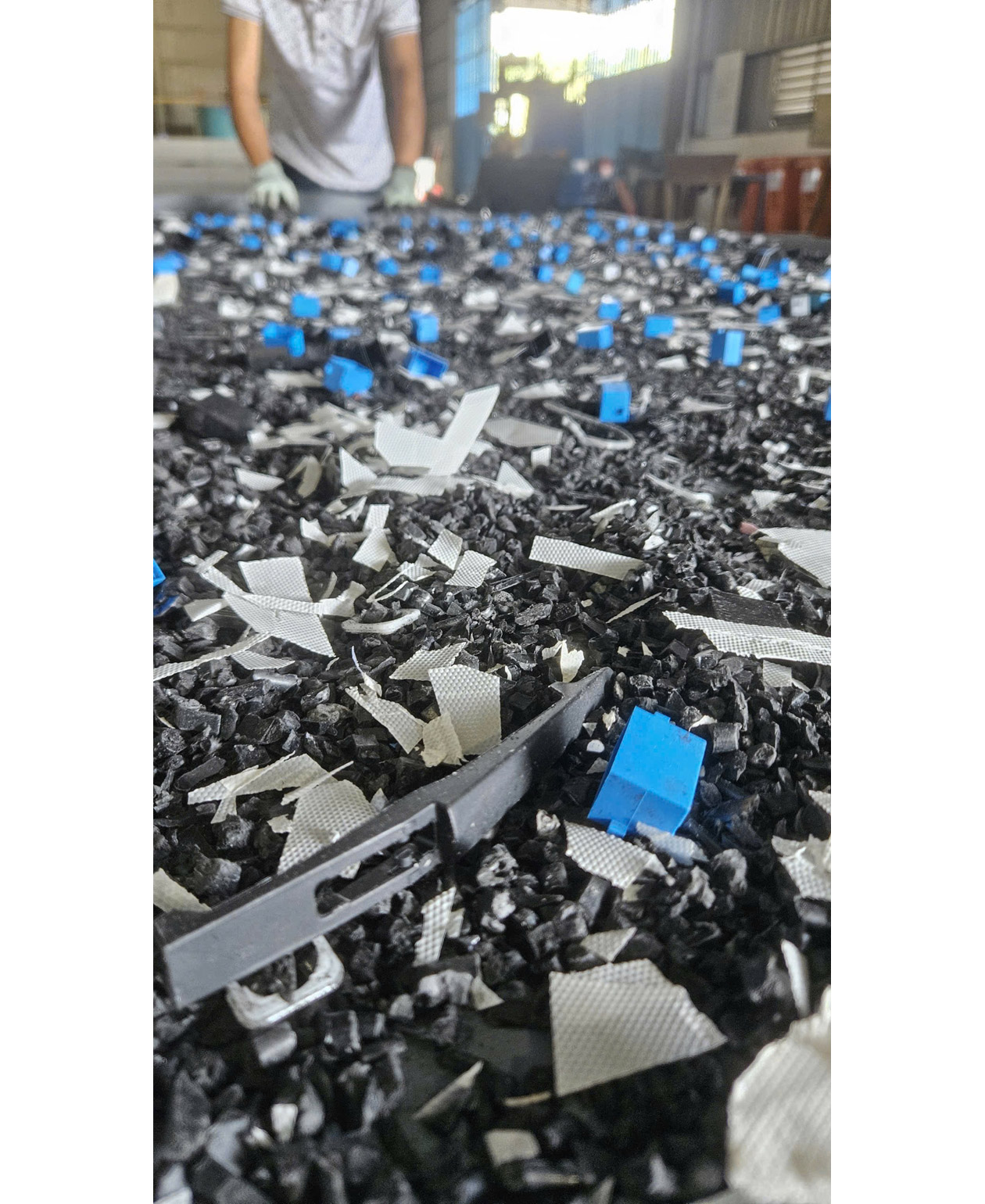
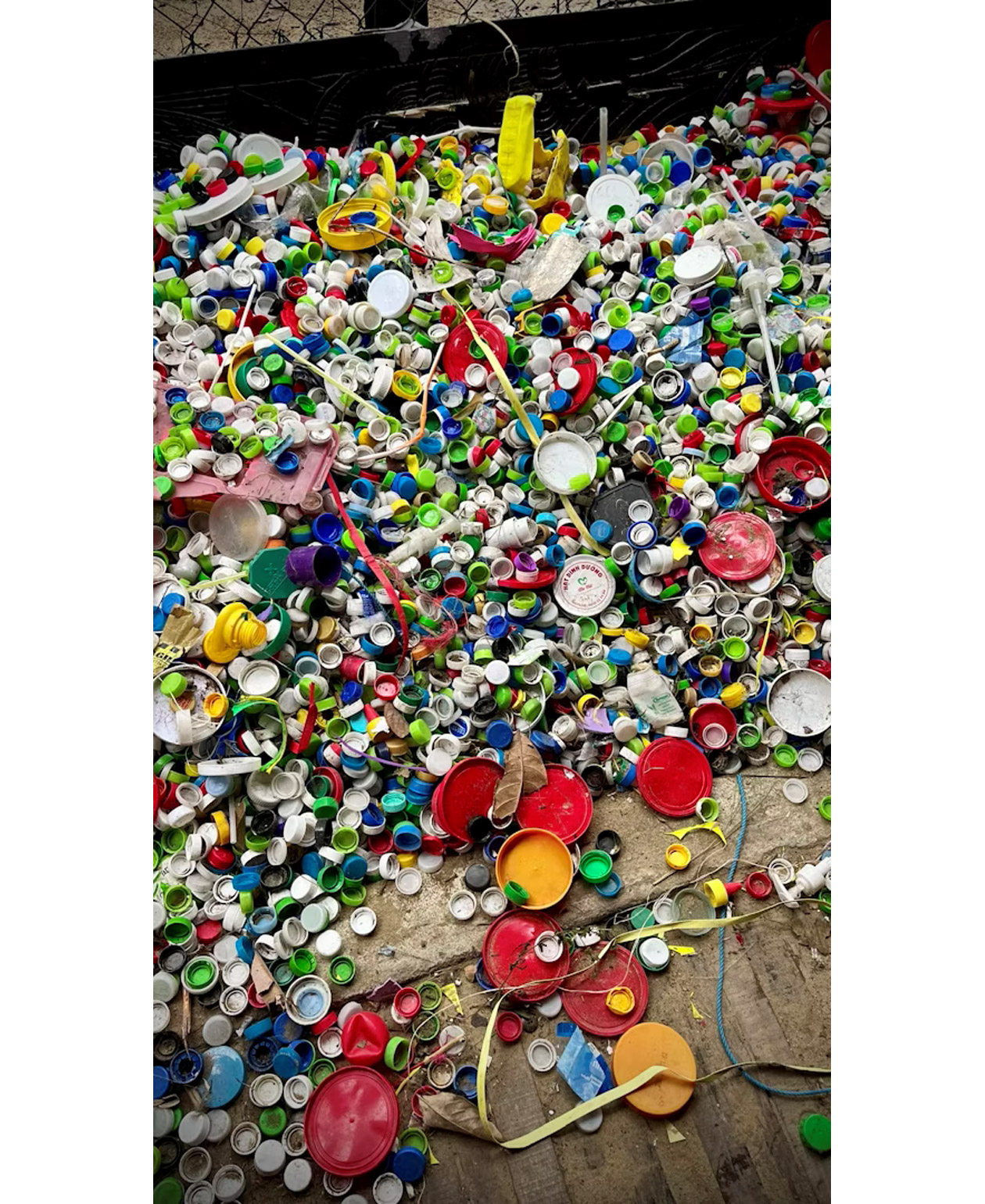
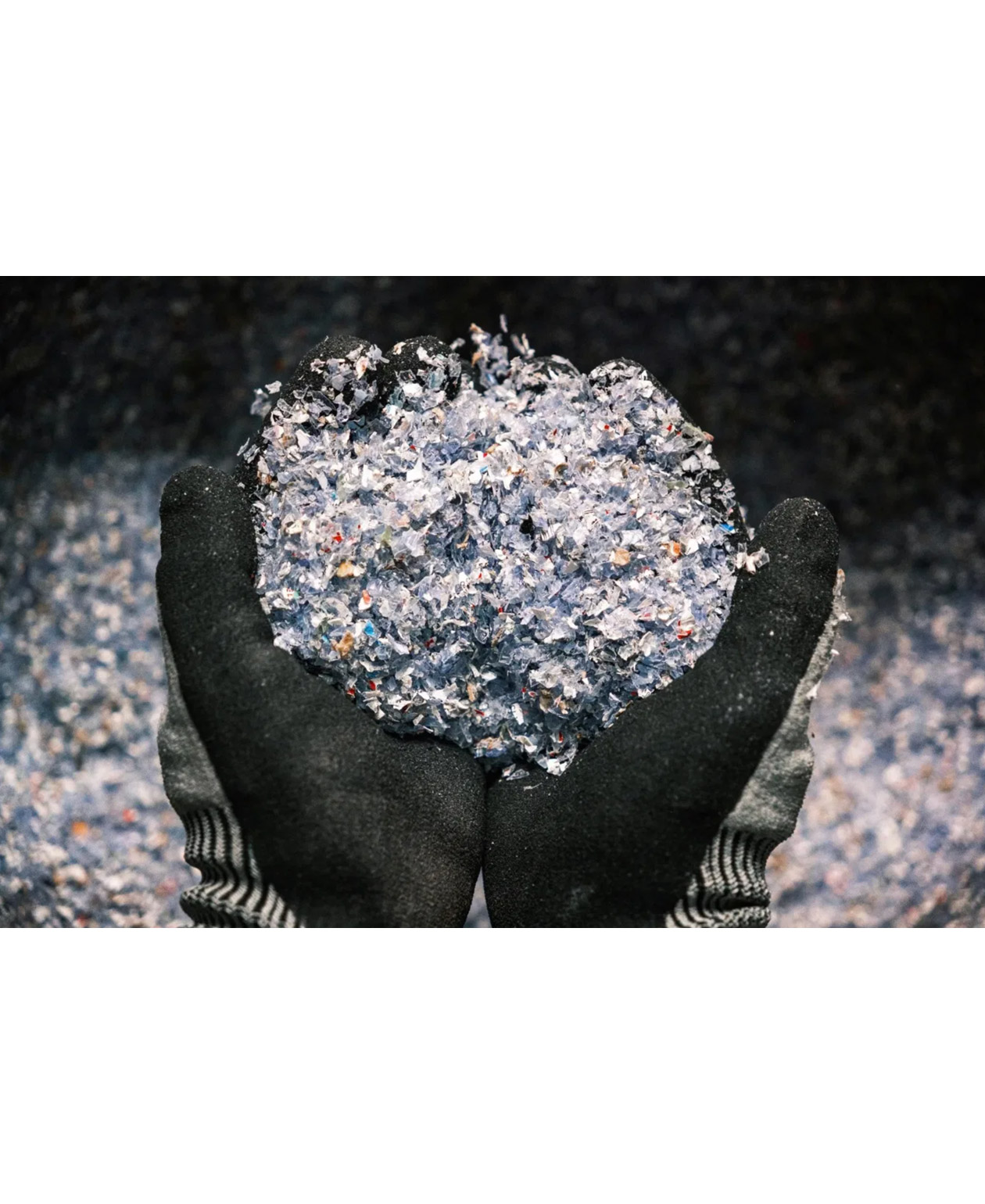
UPGREEN developed its own composite material by processing and compressing single-use plastic waste collected through community donations at a MAC facility in Vietnam. As plastics of various colors are compressed, cross-sections resembling natural geological strata are created, which visually connects with the manufacturing method of sơn mài, where depth is created by building up multiple layers of lacquer and natural drying over several weeks. A characteristic feature is that instead of hiding the recycled plastic, the color and layers of the material are revealed as part of the design. The characteristic of 'layers' commonly shared by the two materials was used as the criterion for form and surface expression.
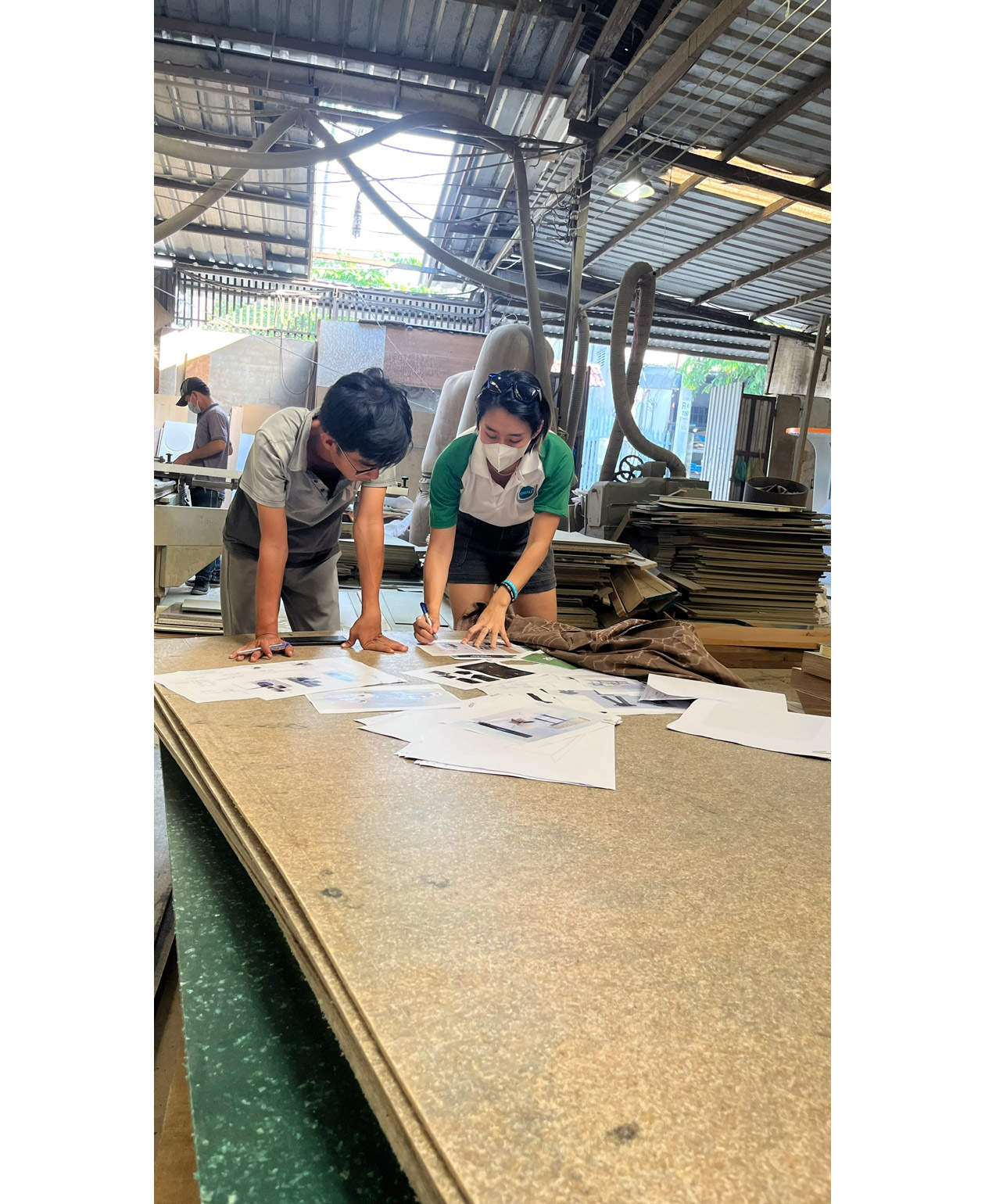
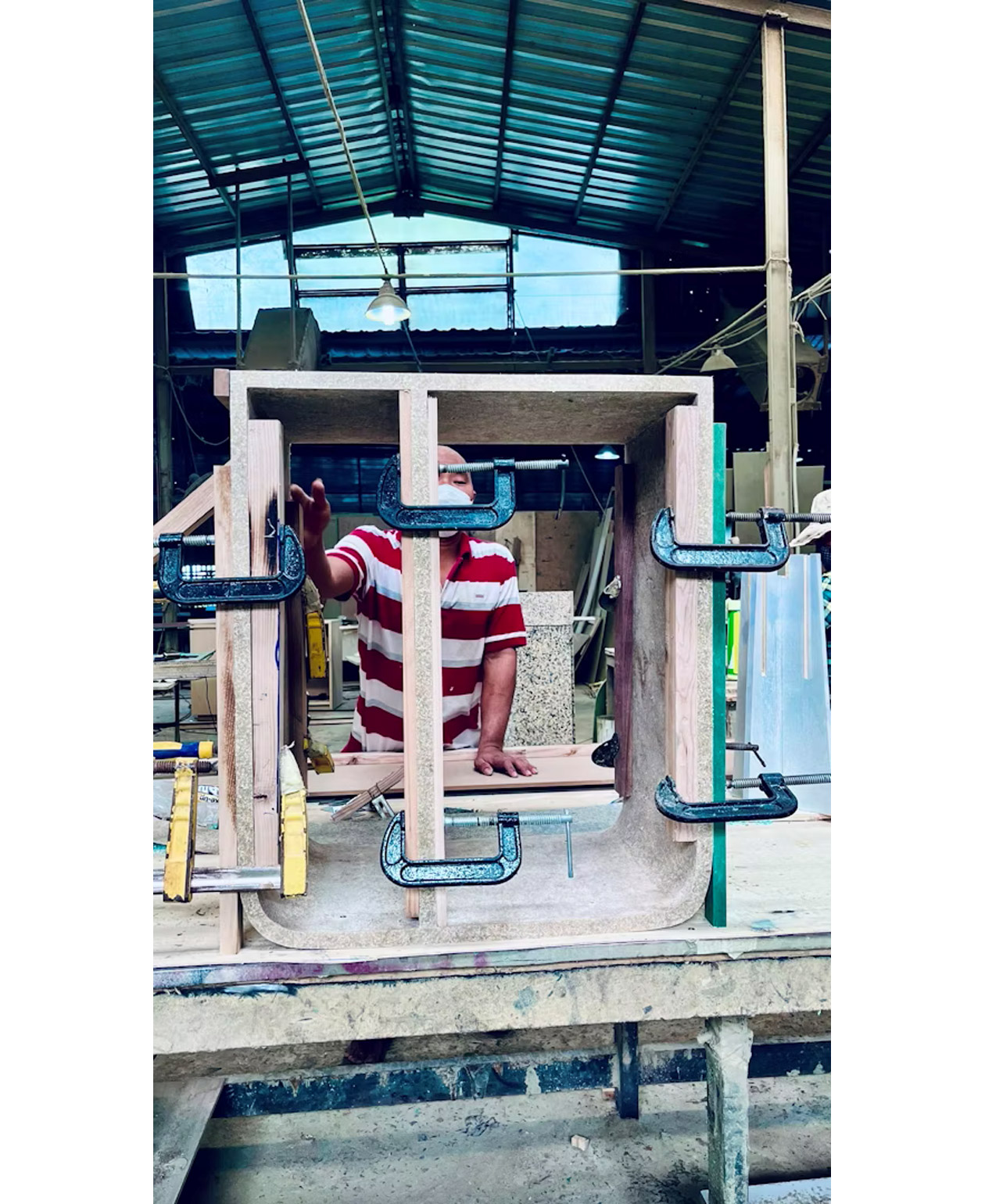
On top of this foundation, artisans applied traditional sơn mài techniques, such as the traditional technique of building up multiple layers of lacquer, gold leafing called dát vàng, and mother-of-pearl inlay using abalone shells called cẩn xà cừ. It shows the artificial layers of waste plastic and the layers of traditional lacquer completed over a long period of time together within a single piece of furniture. Recycled materials and traditional craft were composed together within the surface and form, rather than being separated into decoration and structure.
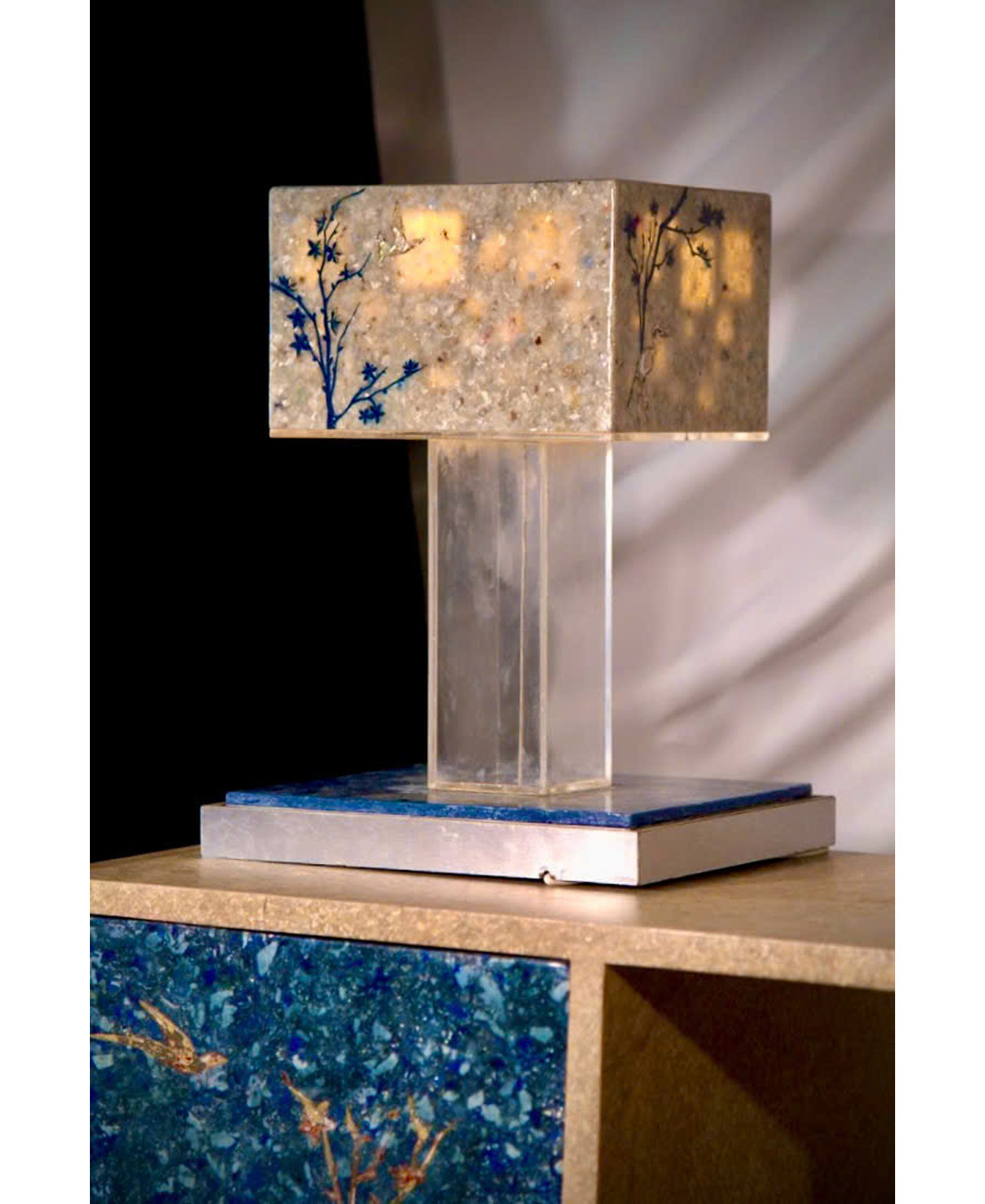
The collection, consisting of a total of five pieces, shows two different expression methods. There are works expressing cranes soaring through fallen leaves with red lacquer and gold, as well as works capturing wildflowers blooming over layers of blue waste plastic, with gold-leaf stems shining through a translucent lampshade. Rather than repeating a single material and technique in a specific form, it was proposed as a material system that can be developed into various furniture and expressions.
The first change attempted by this project is perception regarding waste plastic. It transforms single-use discarded plastic by combining it with sơn mài craft into a material for long-lasting furniture. The second is the utilization range of traditional crafts. Sơn mài, which was mainly used for ceremonial vessels or lacquer paintings, was expanded into modern furniture so that traditional techniques could meet new markets. The third is artisans' jobs. As demand for traditional lacquer products decreased, skilled artisans who had left the craft field were provided with an opportunity to utilize their skills again and receive fair compensation. This structure connects the reuse of waste and new uses of craft technology through product design as a medium.
Over 300 kg of post-consumer plastic was utilized to create the collection. By converting plastic that could have been discarded in a short period into long-lasting furniture, waste was reduced and the service life of the material was extended. At the same time, it connects sơn mài techniques passed down through generations to actual product production, establishing an economic foundation for traditional crafts to survive.
A 'Digital Impact Passport' was applied to each product. It is a tracking system that allows users to check the source of waste used, the artisans who participated in production, and the environmental impact per order through NFC and QR. Rather than stopping at an eco-friendly declaration, it transparently provides ESG-related information by allowing consumers to directly verify what materials, people, and manufacturing processes the product went through. Beyond the form and materials of the product, the process of checking manufacturing history and environmental information was included in the user experience.
This method is not limited to Vietnam's sơn mài. It can be applied in regions where traditional crafts facing the risk of disappearance and plastic waste coexist, by connecting local craft techniques and waste. UPGREEN plans to expand the model to Australia by 2027 through collaboration with RMIT University and the CSIRO/IPPIN program, and present it at Melbourne Design Week. In addition, in the fourth quarter of 2026, an inclusive employment pilot project will be promoted so that hearing-impaired and mobility-impaired artisans can participate in craft manufacturing.
The ultimate goal is not to mass-expand the collection called RéNo, but to expand the approach demonstrated by this project to other environments. It is a structure that utilizes local waste as a new material, connects disappearing craft techniques to modern products and markets, and transparently shows the labor of makers and the environmental impact of products. Through this, it shows that waste, traditional craft, and sustainable jobs for artisans can be connected within a single design system.