


XREEF A modular artificial coral reef project for the restoration of degraded coral reef ecosystems




- Nationality
- China
- Group
- Politecnico di Milano, Xi'an Jiaotong University and Guangxi University
About Project
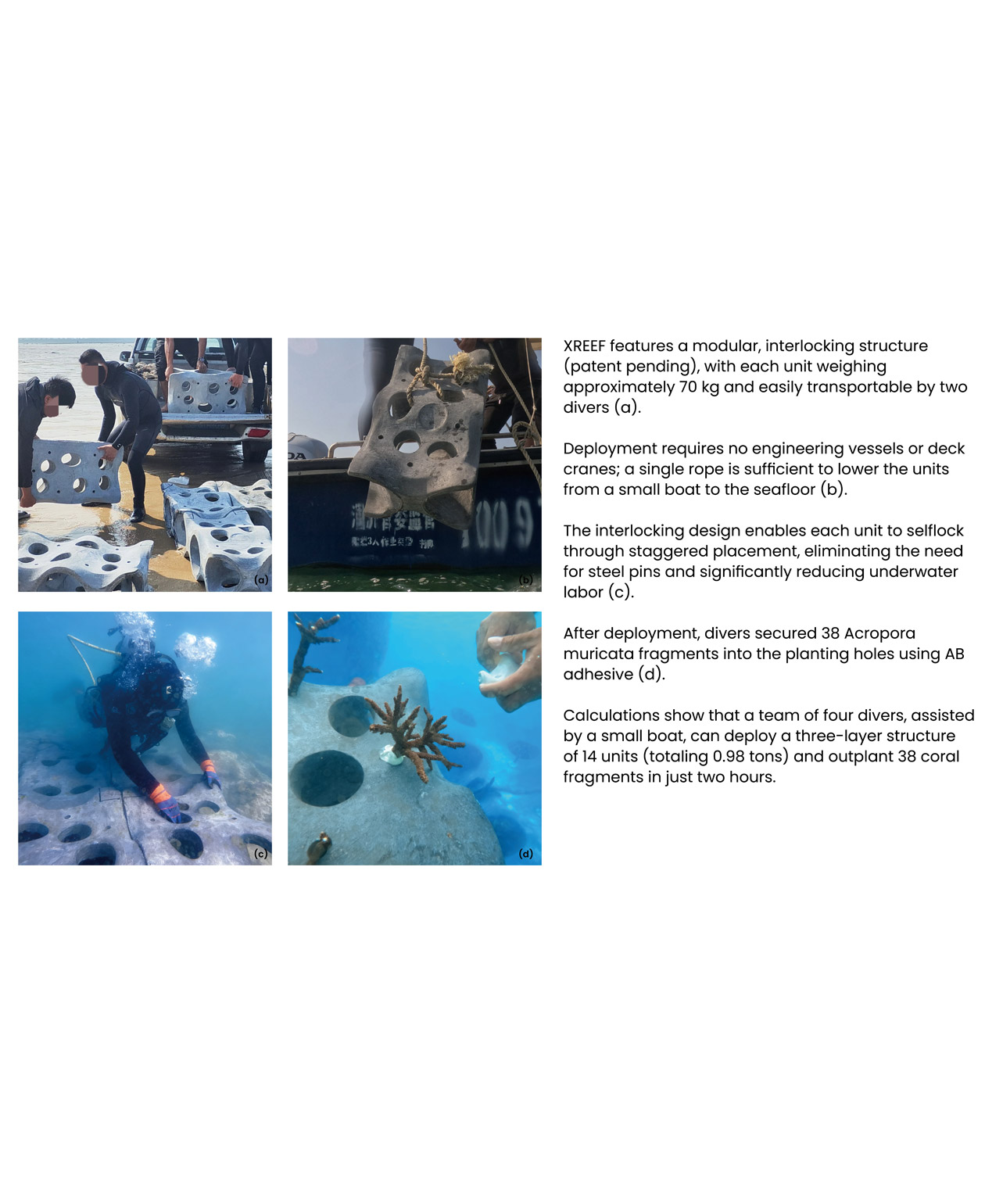
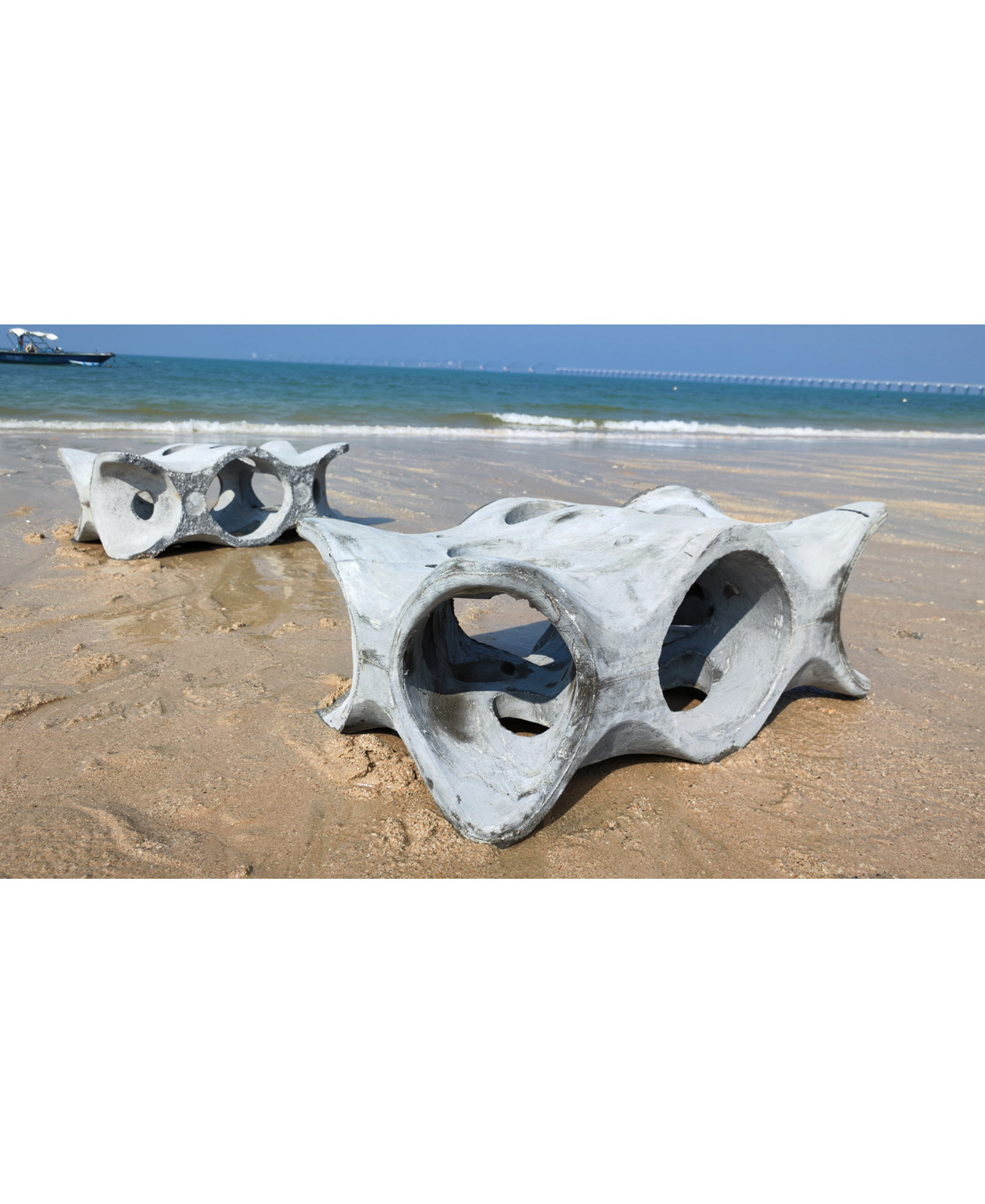
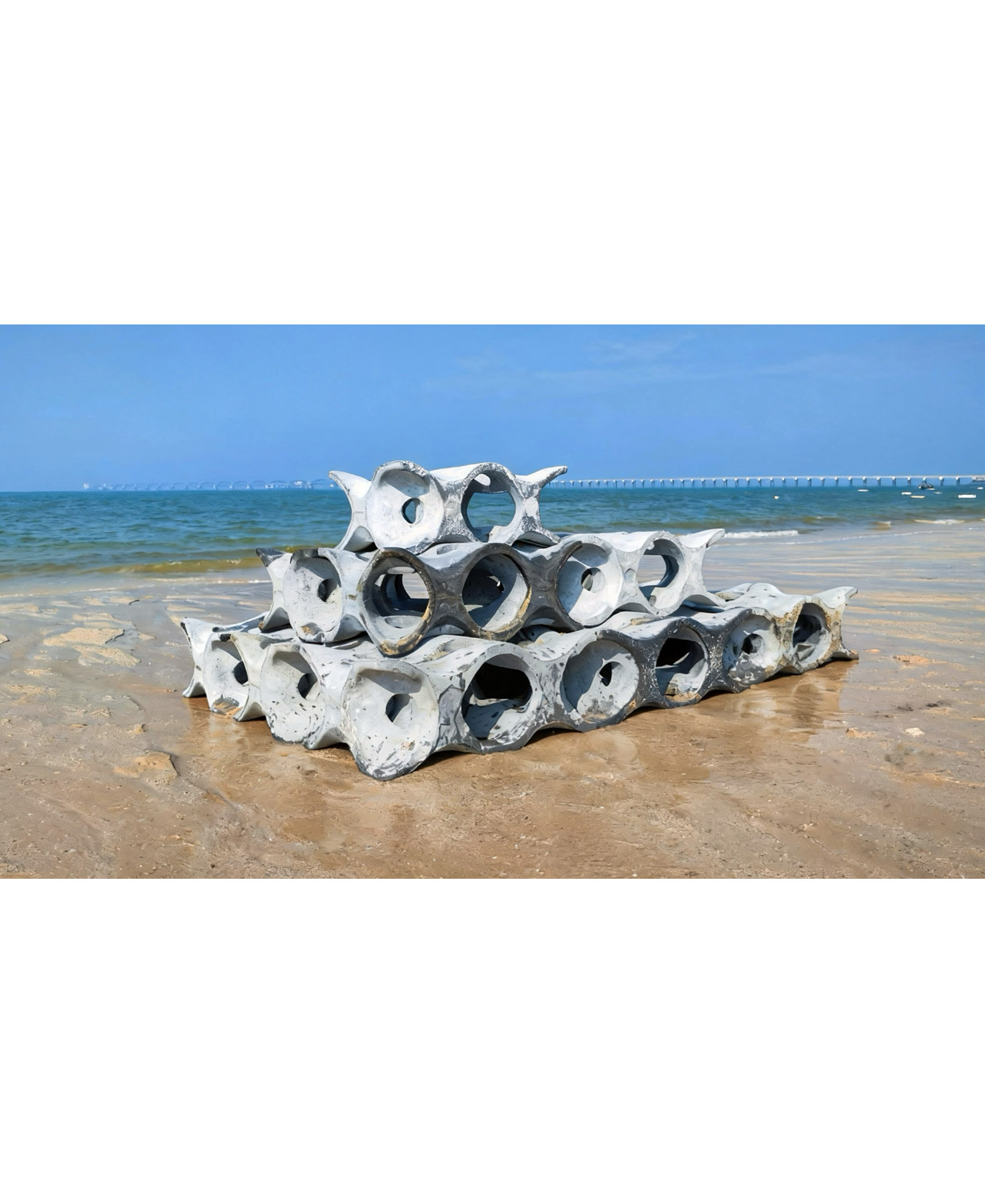
XREEF is a patented modular artificial coral reef system designed to restore degraded coral reef ecosystems through integrated innovations in form, structure, and materials. Each unit weighs 72 kg, with an underwater weight of approximately 50 kg due to buoyancy, enabling deployment by two divers without large engineering vessels.
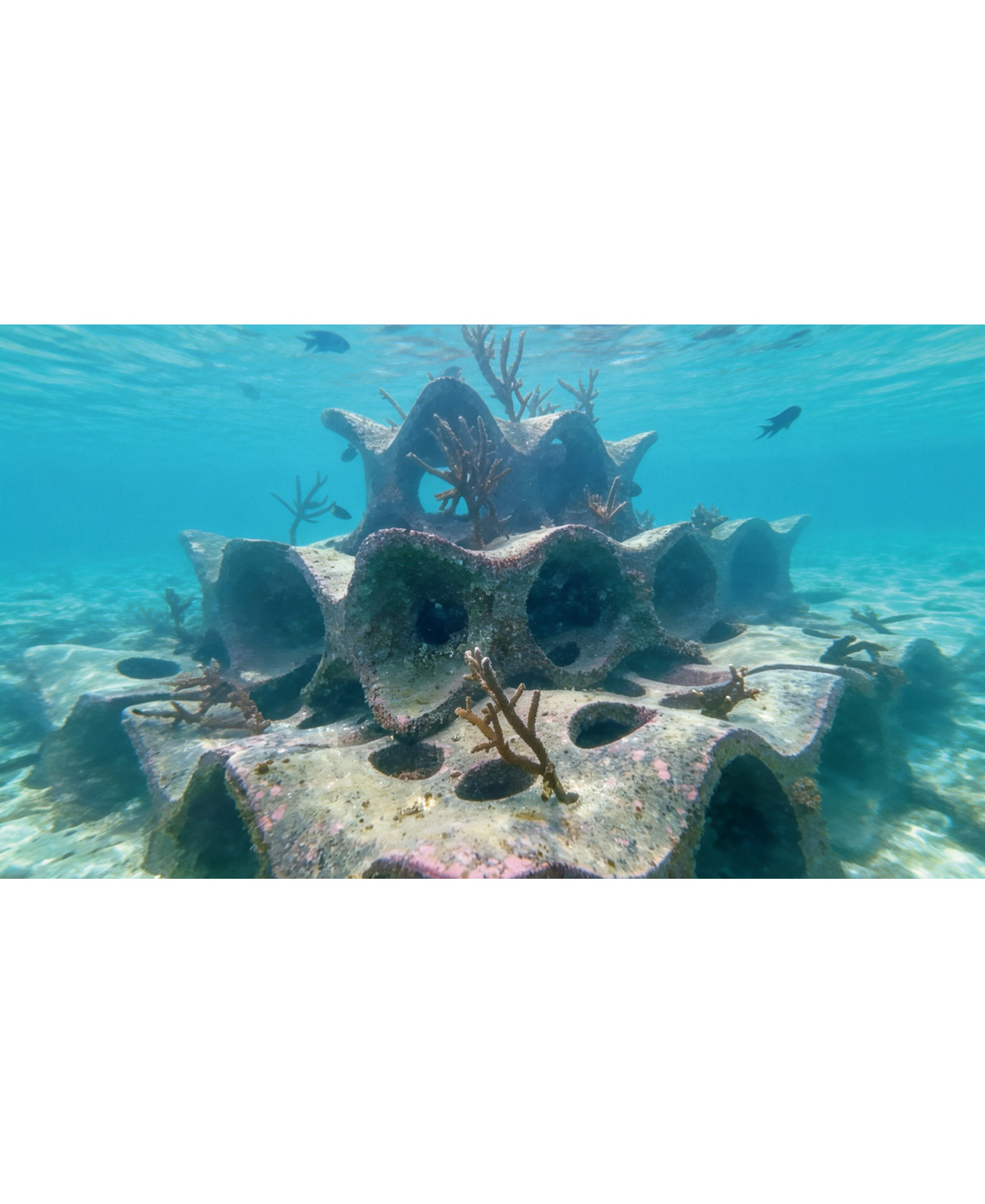
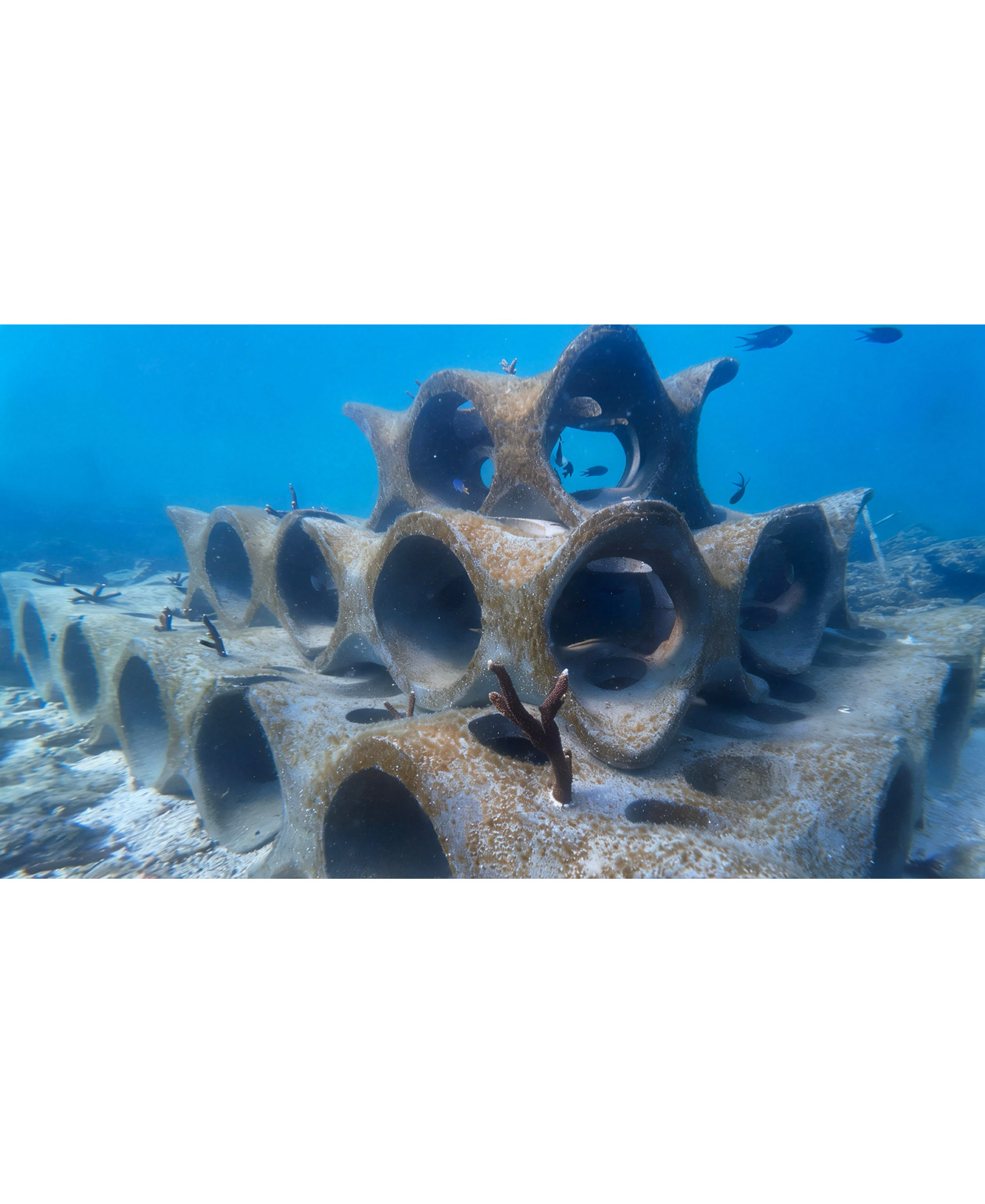
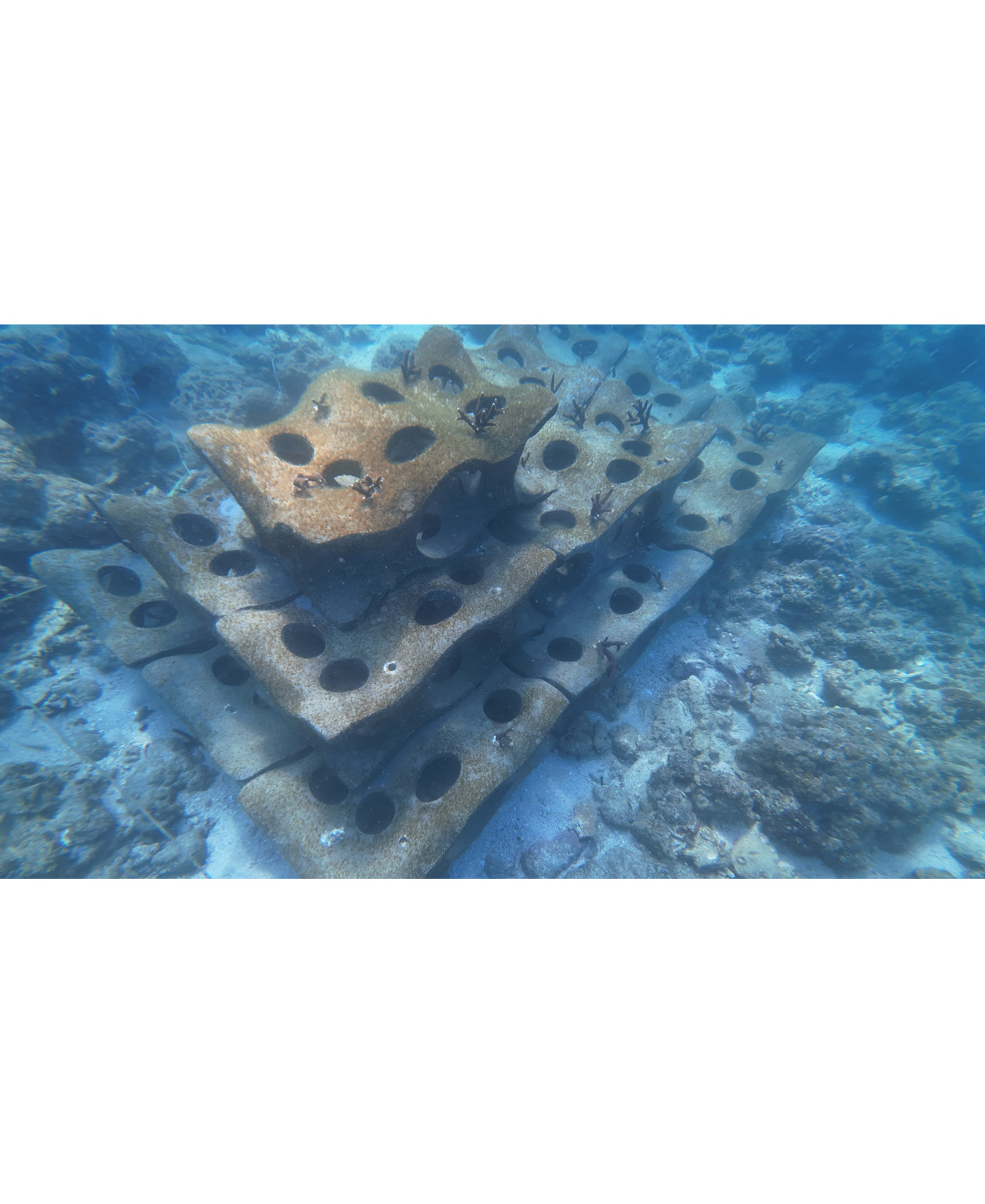
Inspired by ocean waves, XREEF translates wave patterns into cosine curves to create an interlocking interface with complementary geometry. In the stacked modular configuration, protruding elements of an upper unit interlock with recessed areas of two adjacent lower units, forming a gravity-driven self-locking system that eliminates corrosion risks associated with metal fasteners in high-salinity environments.
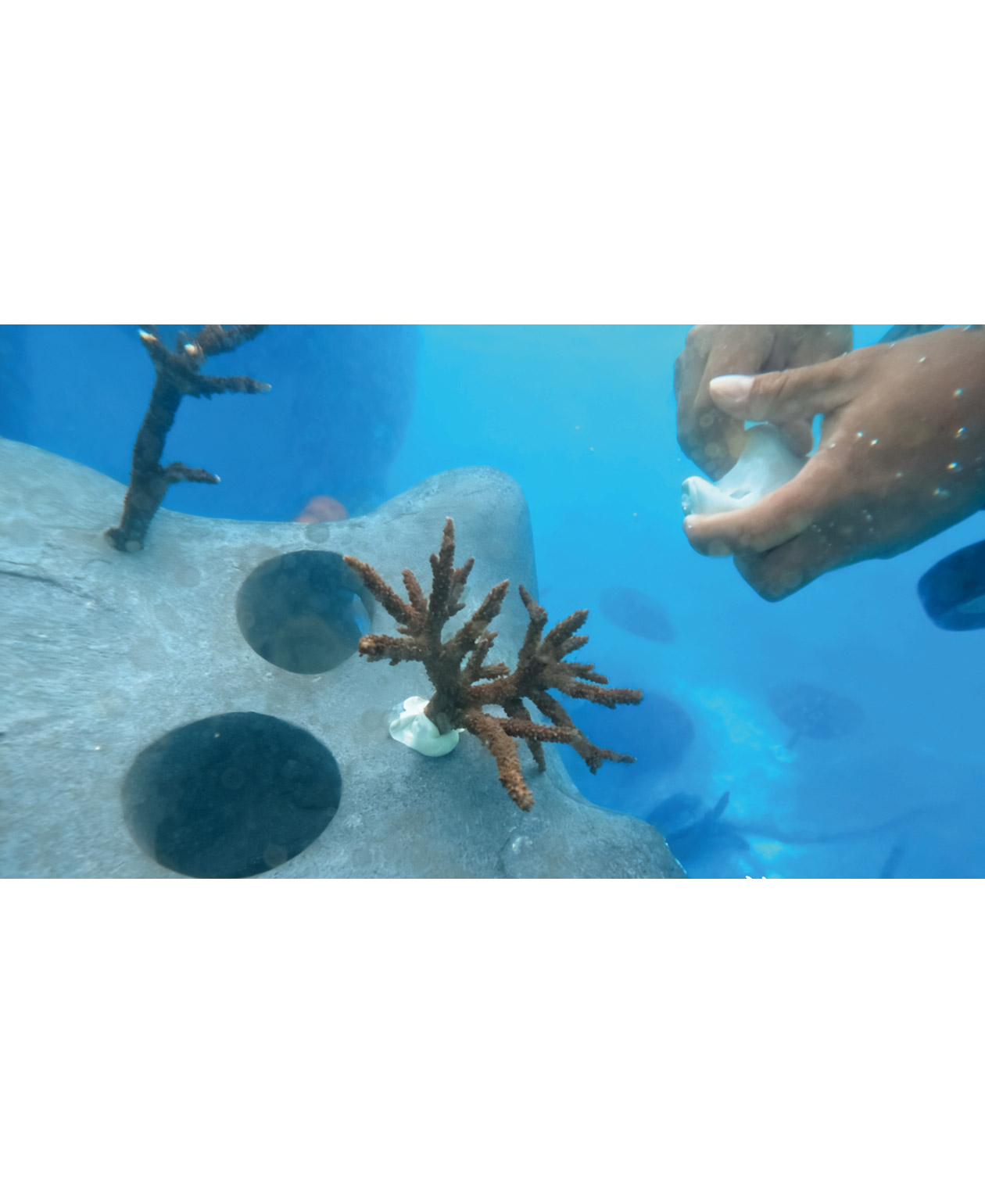
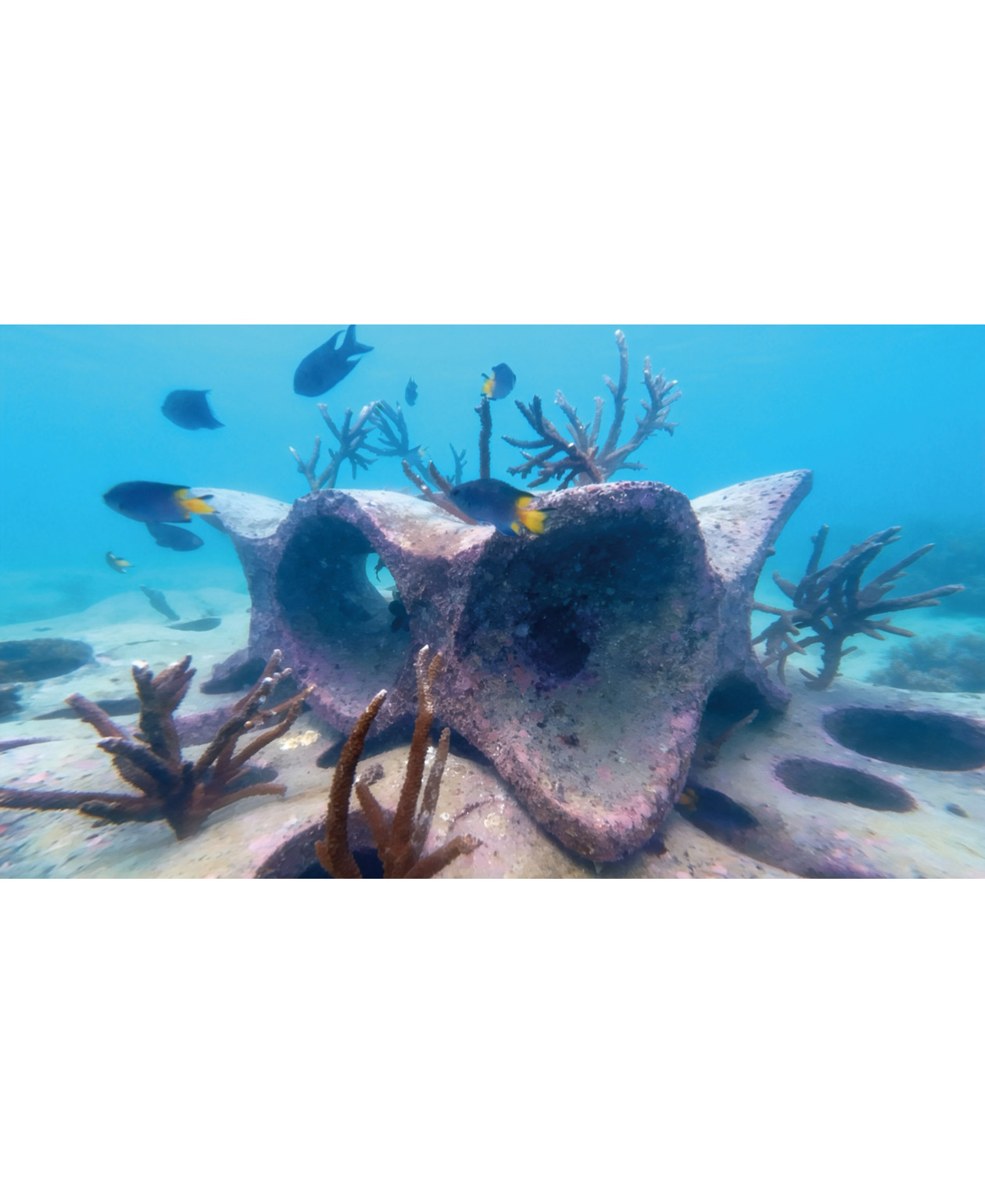
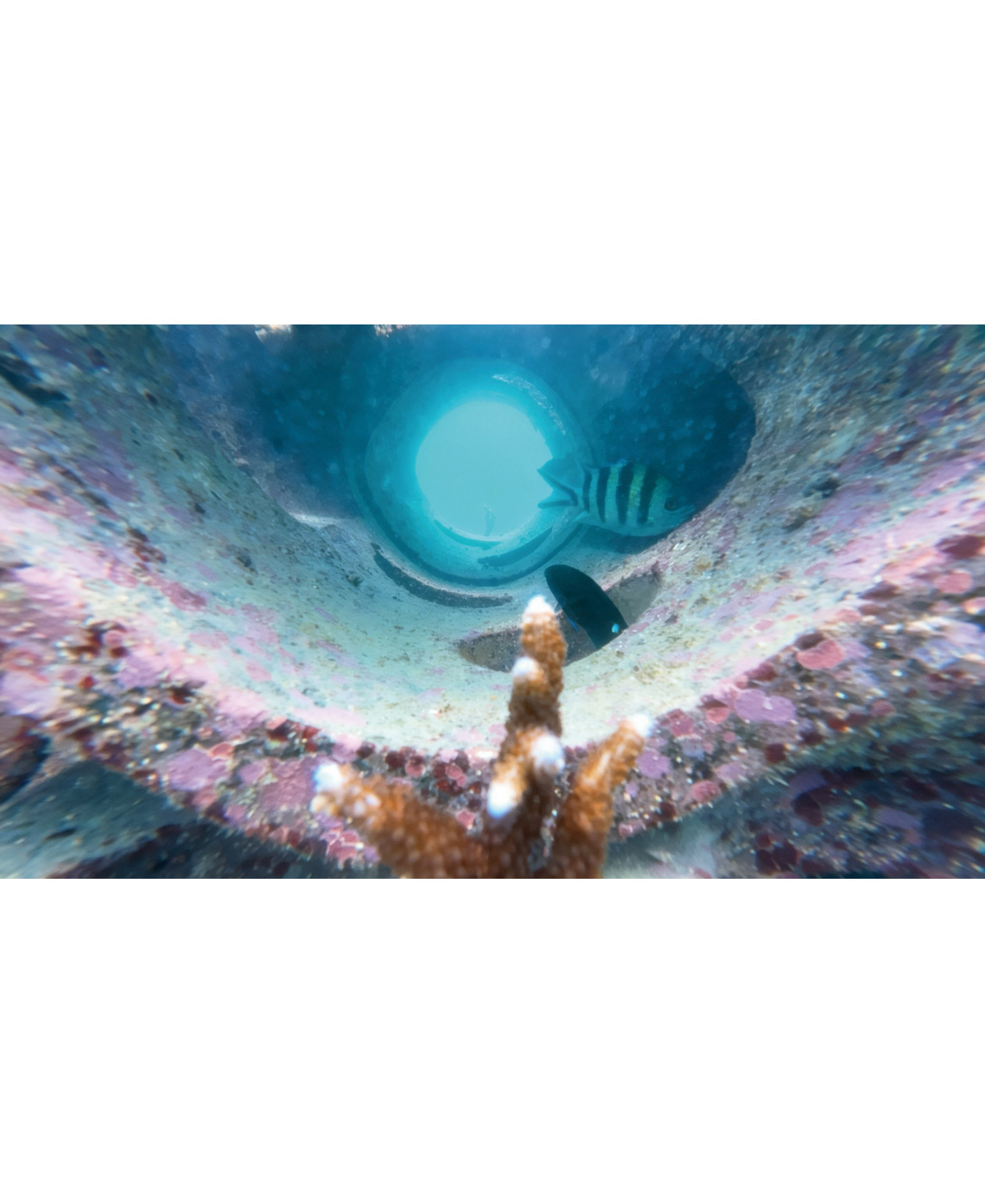
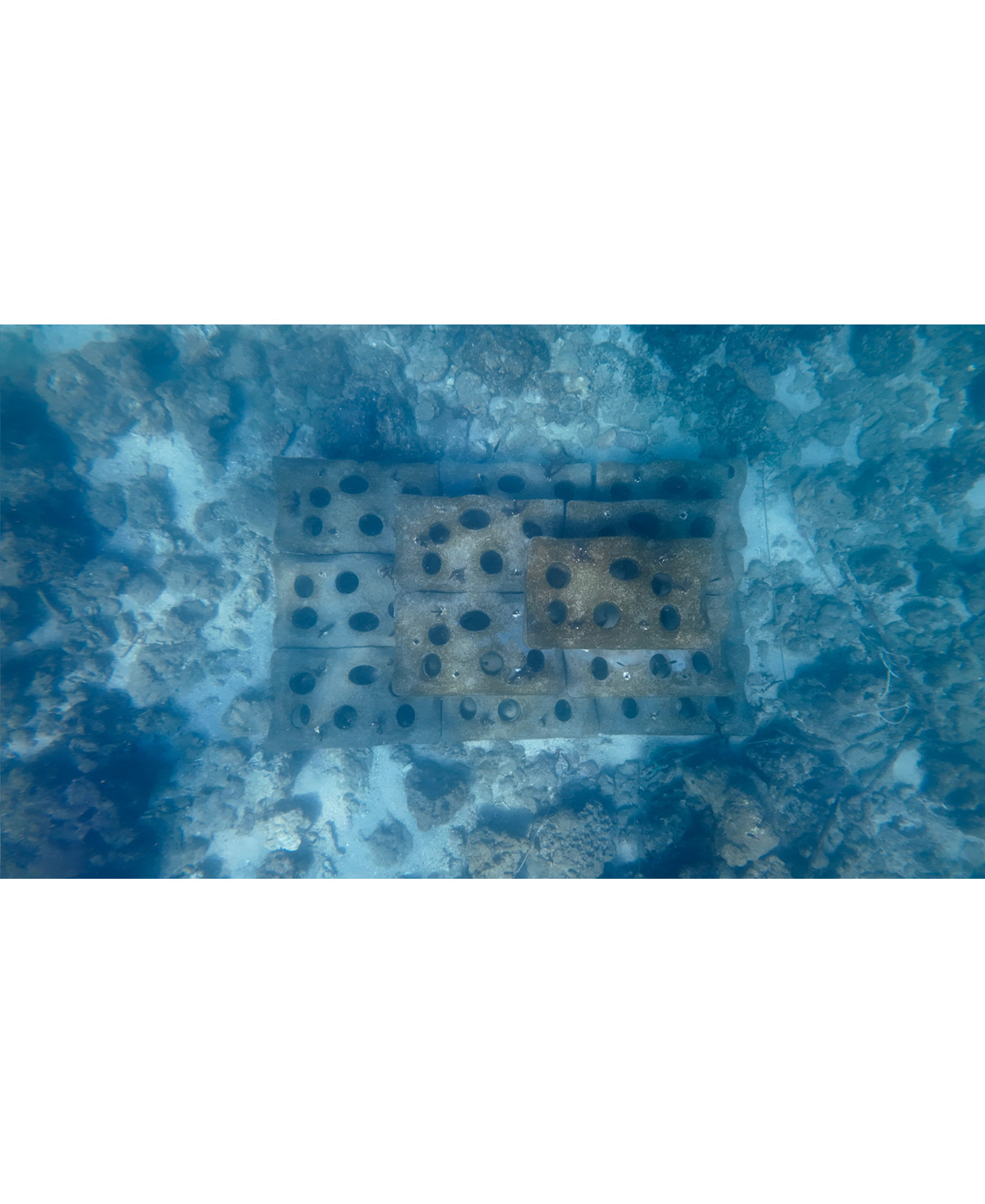
Each unit features interconnected internal cavities and elliptical openings of varying sizes, providing shelter and breeding habitats for marine organisms while allowing light penetration through offset stacking, thereby reducing the risk of coral root rot. Multiple strategically distributed 20-mm-diameter holes enable divers to transplant coral fragments using adhesive efficiently.
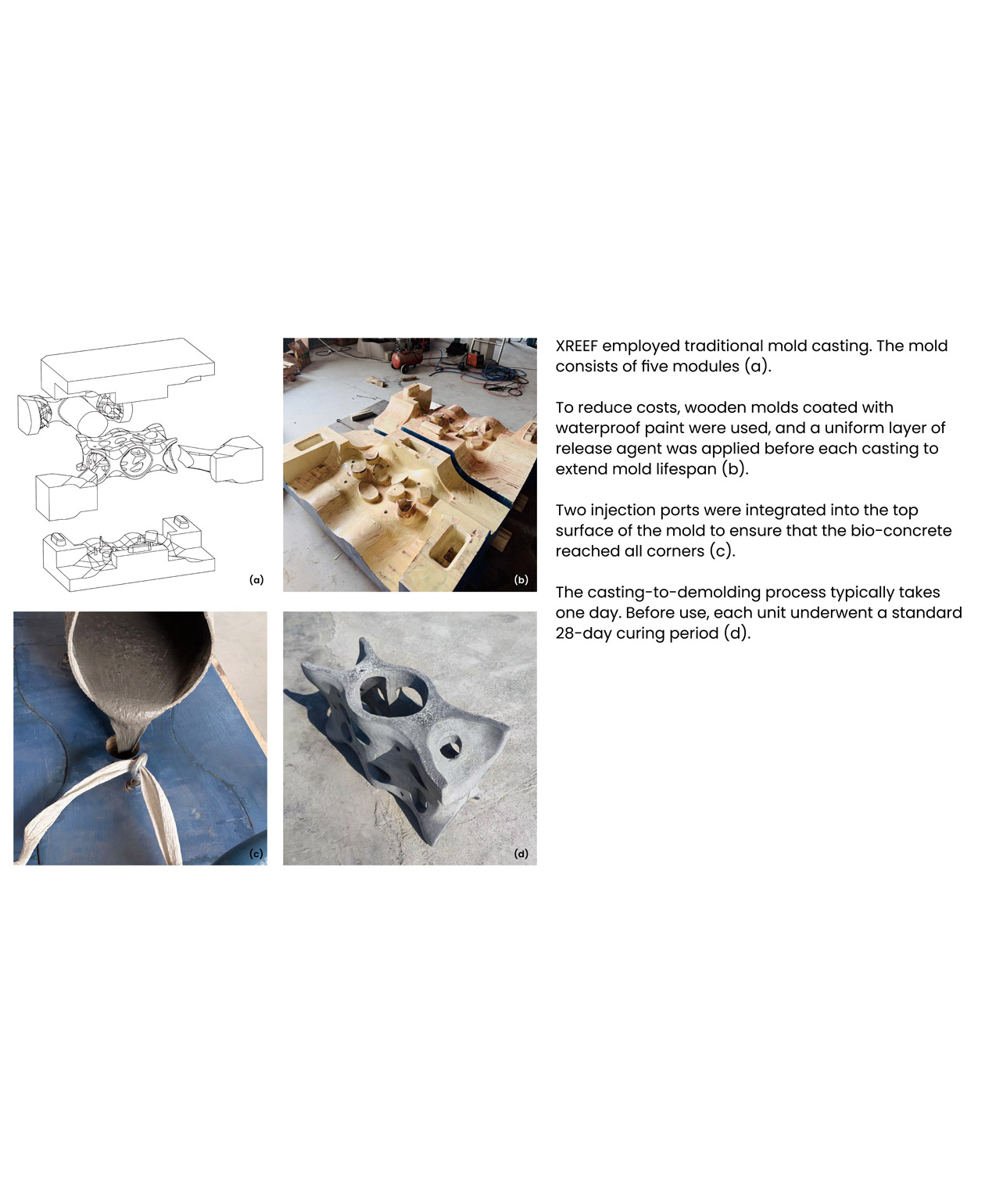
Constructed from a specially formulated bio-concrete containing locally sourced oyster shell aggregates and microsilica, the units have a rough, bio-receptive surface that neutralizes cement alkalinity and releases chemical cues. This accelerates colonization of sexually produced coral larvae, enhances genetic diversity, and improves coral adaptability to environmental change.
We adopt a multispecies design approach that addresses the shared needs of both natural and human systems. From a natural perspective, its bioconcrete promotes the natural settlement of coral larvae, while the interconnected internal cavities and elliptical openings provide shelter and habitat for reef-associated fish and other benthic organisms. From a human perspective, XREEF’s modular design can be deployed by only two divers without the need for engineering vessels, while its gravity-driven self-locking mechanism eliminates the need for metal fasteners. Together, these features reduce both the workload and overall cost of deployment.
XREEF enhances ecosystem services closely linked to daily life by restoring degraded coral reefs, including coastal protection, fisheries, and tourism, thereby strengthening the ecological and economic resilience of coastal communities. Its modular and self-locking design reduces restoration costs, making coral reef restoration more efficient, replicable, and scalable. More importantly, the project demonstrates how design can shift from minimizing negative impacts to actively regenerating ecosystems, and how interdisciplinary collaboration can help disseminate regenerative design approaches into broader societal practice.
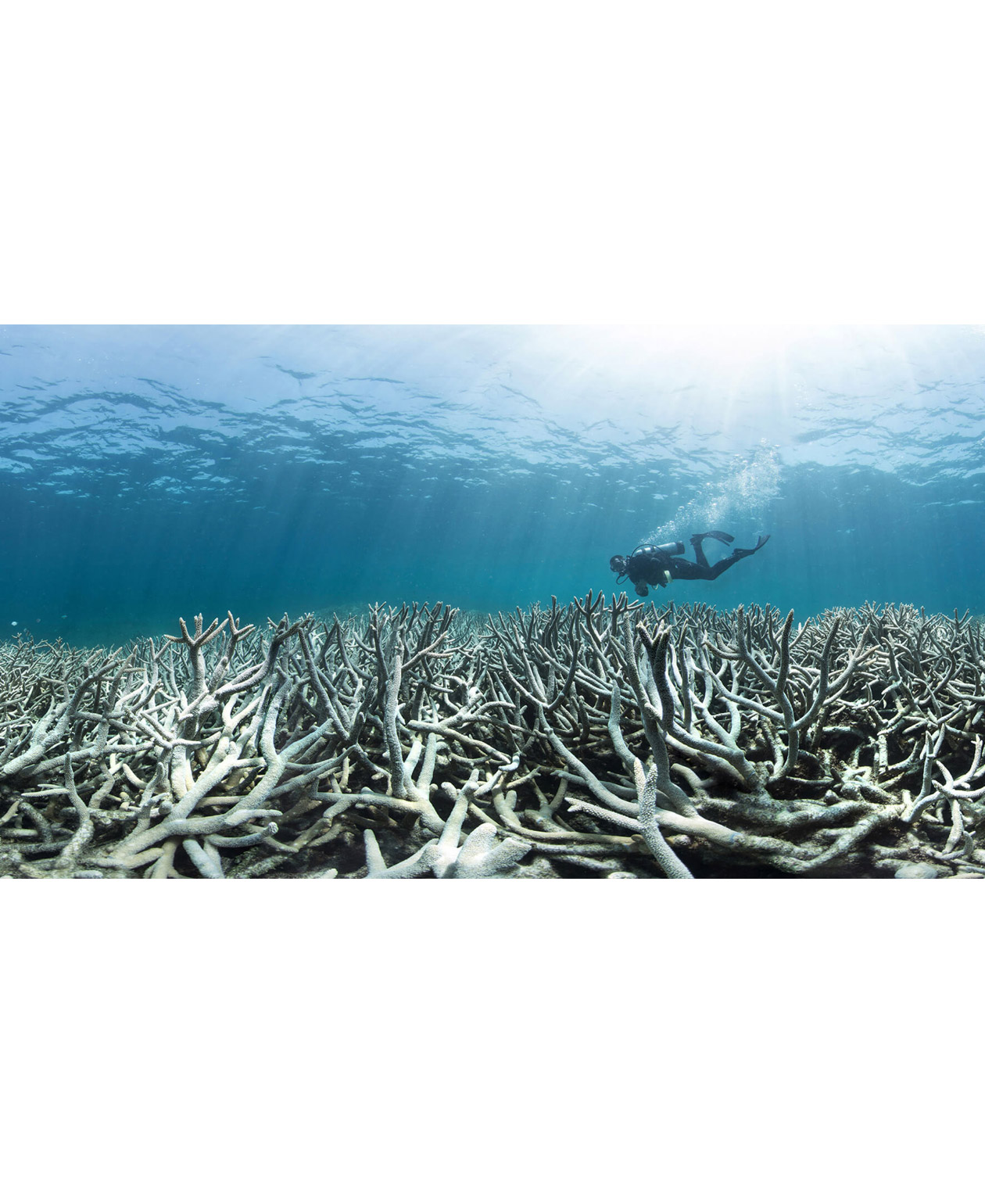
Coral reef restoration is a global initiative. As coral reef ecosystems continue to deteriorate, the demand for artificial coral reefs is expected to increase in the future. XREEF integrates design methods, waste materials, and engineering technologies into an actionable ecological restoration solution. Its design principles are highly transferable, applicable to different types of coral reef ecosystems, and can be flexibly adjusted in scale and height according to project requirements and site conditions. By reducing deployment costs and technical barriers, XREEF makes large-scale coral reef restoration more accessible to governments, research institutions, and coastal communities.